Effect of annealing temperature on the microstructure and mechanical properties of Ti551 alloy forgings
-
摘要: 为阐明退火温度对热锻钛合金组织-织构-性能各向异性的调控规律,以920 ℃热锻态近α钛合金为研究对象,设置910~950 ℃区间进行退火热处理,结合电子背散射衍射(EBSD)与α/β极图分析织构演化,对长度方向(LD)与厚度方向(ND)开展室温拉伸和冲击性能评估。结果表明:910~920 ℃区间以初生α相(αp)为主,次生α相(αs)含量相对较低;升至930~950 ℃后组织逐步向双态转变,且更易出现取向一致的αs同向块状区。随退火温度升高,α相{0001}极图强度逐步增强,同时β相(110)极图也呈更集中趋势。力学性能方面,LD/ND抗拉强度整体接近而波动较小,屈服强度及延伸率的方向性差异更敏感;等轴组织阶段各向异性更明显,而双态组织阶段各向异性得到改善。热锻样品各向异性差异较大,退火热处理后各向异性得到改善。冲击吸收功总体呈现LD高于ND,但随退火温度升高LD与ND差值明显收敛,950 ℃条件下可获得各向异性差异较小的强韧匹配。上述规律可归因于亚β转变温度(Tβ)向近Tβ退火过程中αp溶解与β晶粒长大导致的相变变体选择增强、基面织构强化,以及双态组织多尺度界面/晶界对变形协调与裂纹扩展路径的共同约束。Abstract: To clarify how annealing temperature regulates the microstructure–texture–property anisotropy in hot-forged titanium alloys, a near-α titanium alloy forged at 920 °C was selected as the research object and annealed in the range of 910~950 °C. Texture evolution was characterized by electron backscatter diffraction(EBSD) combined with α/β pole figures, and room-temperature tensile and impact properties were evaluated along the longitudinal direction(LD) and normal (thickness) direction (ND). The results show that the microstructure at 910~920 ℃ is dominated by primary α (αp) with a relatively low fraction of secondary α (αs). With increasing annealing temperature to 930~950 ℃, the microstructure gradually transforms into a bimodal structure, and orientation-consistent blocky regions of αs become more pronounced. As the annealing temperature increases, the intensity of the {0001} pole figure of α phase increases progressively, while the {110} pole figure of β phase also exhibits a trend toward stronger orientation concentration. In terms of mechanical properties, the ultimate tensile strengths along LD and ND remain close with minor fluctuations, whereas the directional differences in yield strength and ductility are more sensitive. Anisotropy is more pronounced in the equiaxed regime but is effectively improved in the bimodal regime. The as-forged condition shows relatively large anisotropy, which is alleviated after annealing. The absorbed impact energy is generally higher along LD than along ND; however, the LD–ND difference converges markedly with increasing annealing temperature. A favorable strength–toughness balance with reduced anisotropy can be achieved at 950 ℃. These trends are attributed to enhanced transformation-variant selection and basal-texture strengthening caused by αp dissolution and β-grain growth during sub-β-transus (Tβ) to near-Tβ annealing, as well as the combined constraint effects of multiscale interfaces/grain boundaries in the bimodal microstructure on deformation accommodation and crack propagation paths.
-
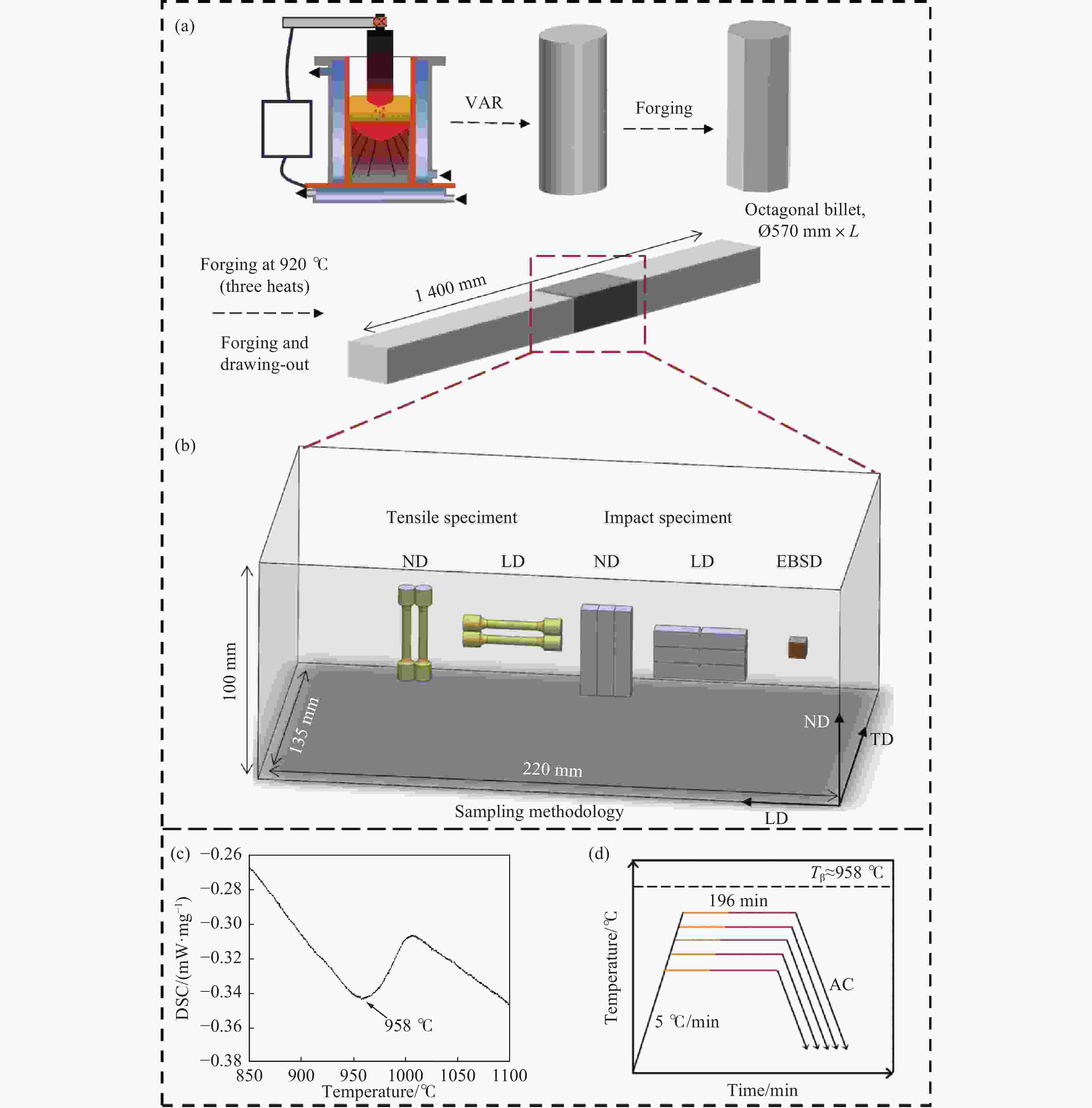
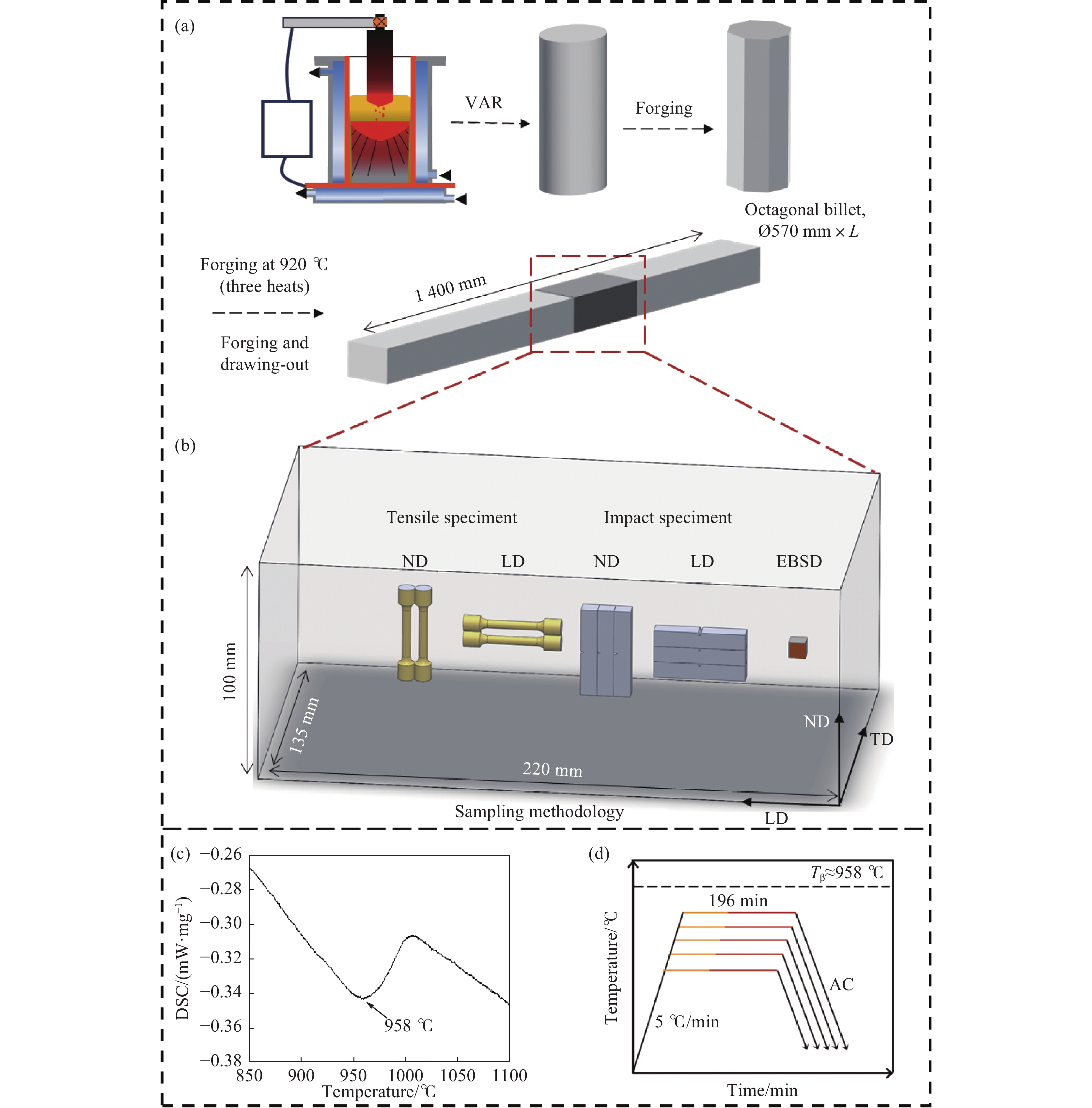
图 1 锻坯工艺流程、取样位置、DSC曲线及退火热处理制度
(a)锻坯工艺流程;(b)取样位置;(c)DSC曲线;(d)退火热处理制度
Figure 1. Processing route of the forged billet, sampling location, DSC curve, and annealing heat-treatment schedule
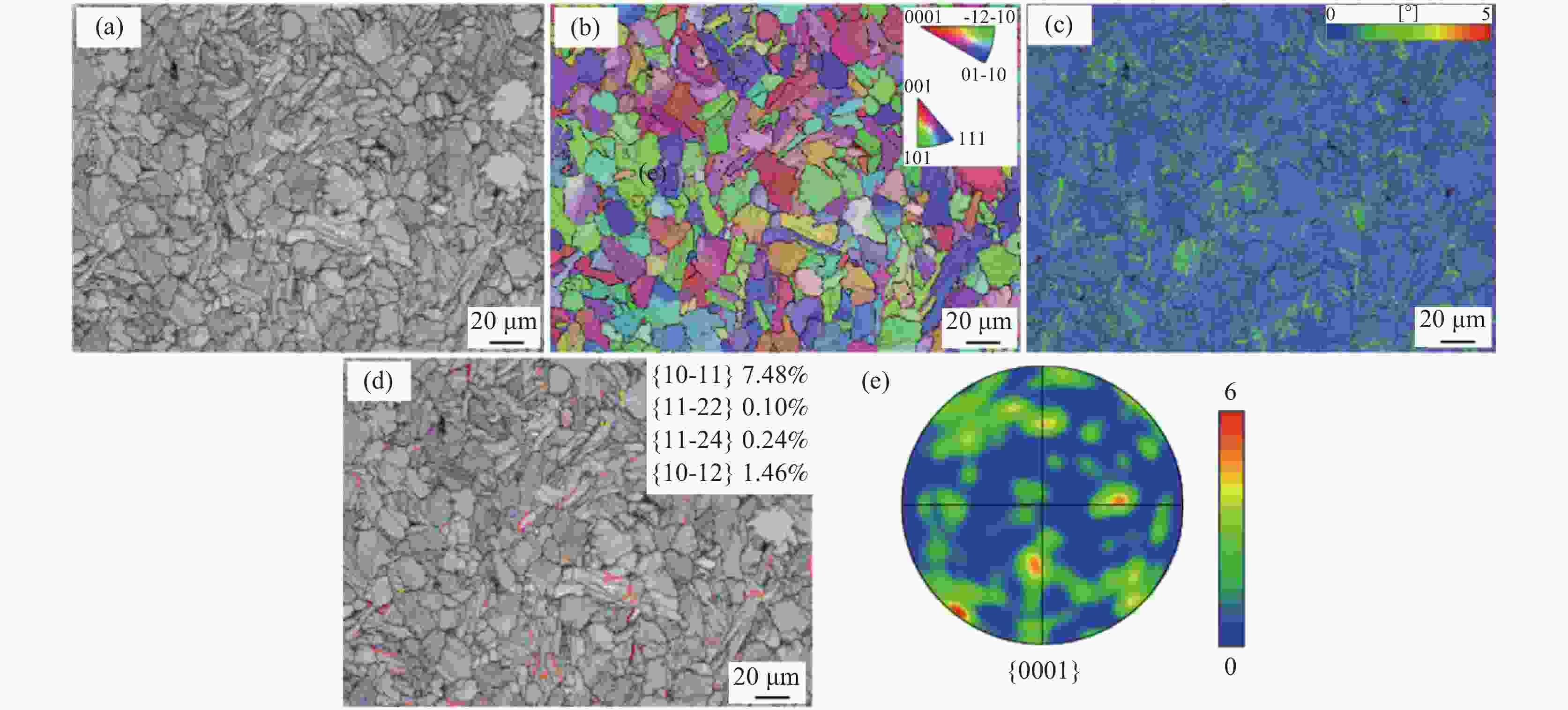
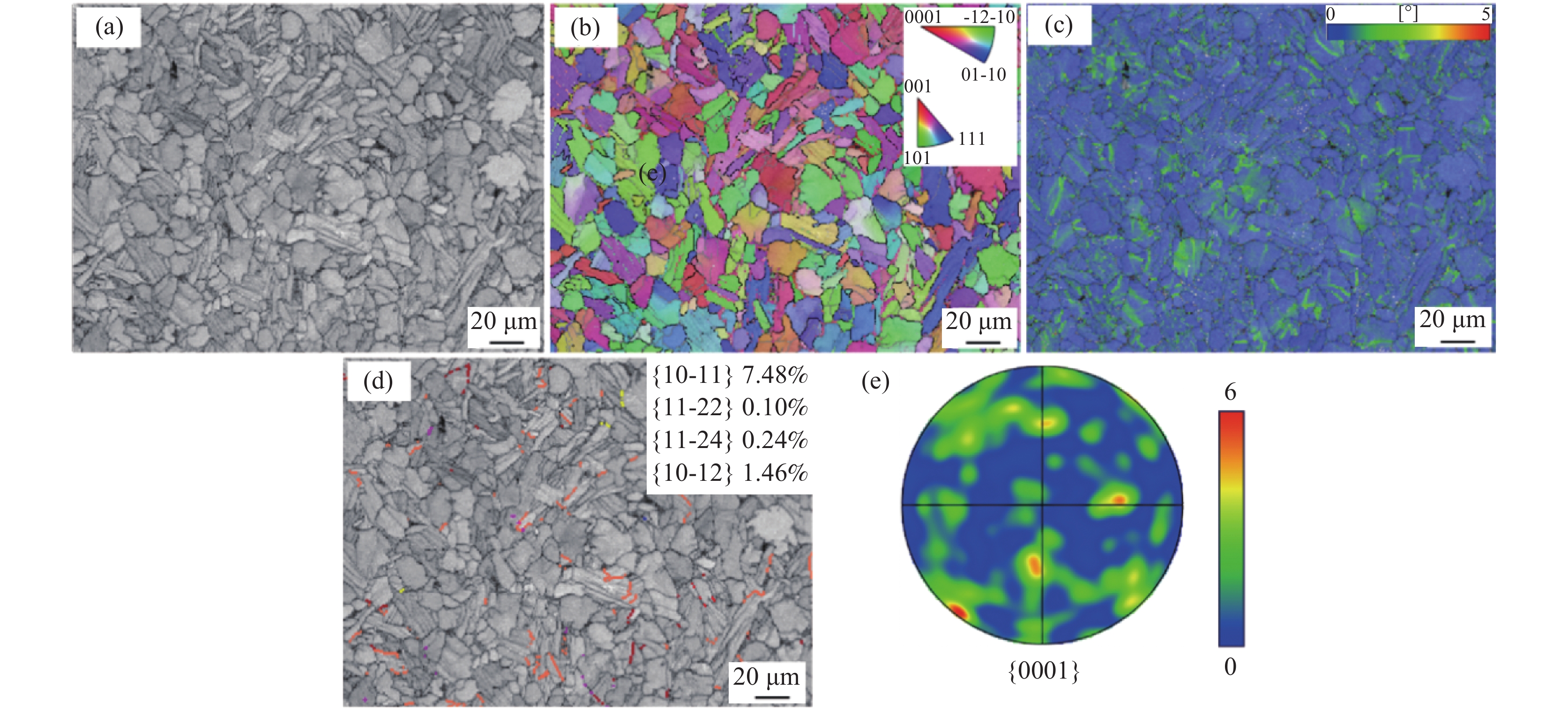
图 2 热锻后的EBSD显微组织
(a)BC图;(b)IPF图;(c)KAM图;(d)特殊边界(SB)图;(e)α相极图
Figure 2. EBSD microstructural characterization after hot forging
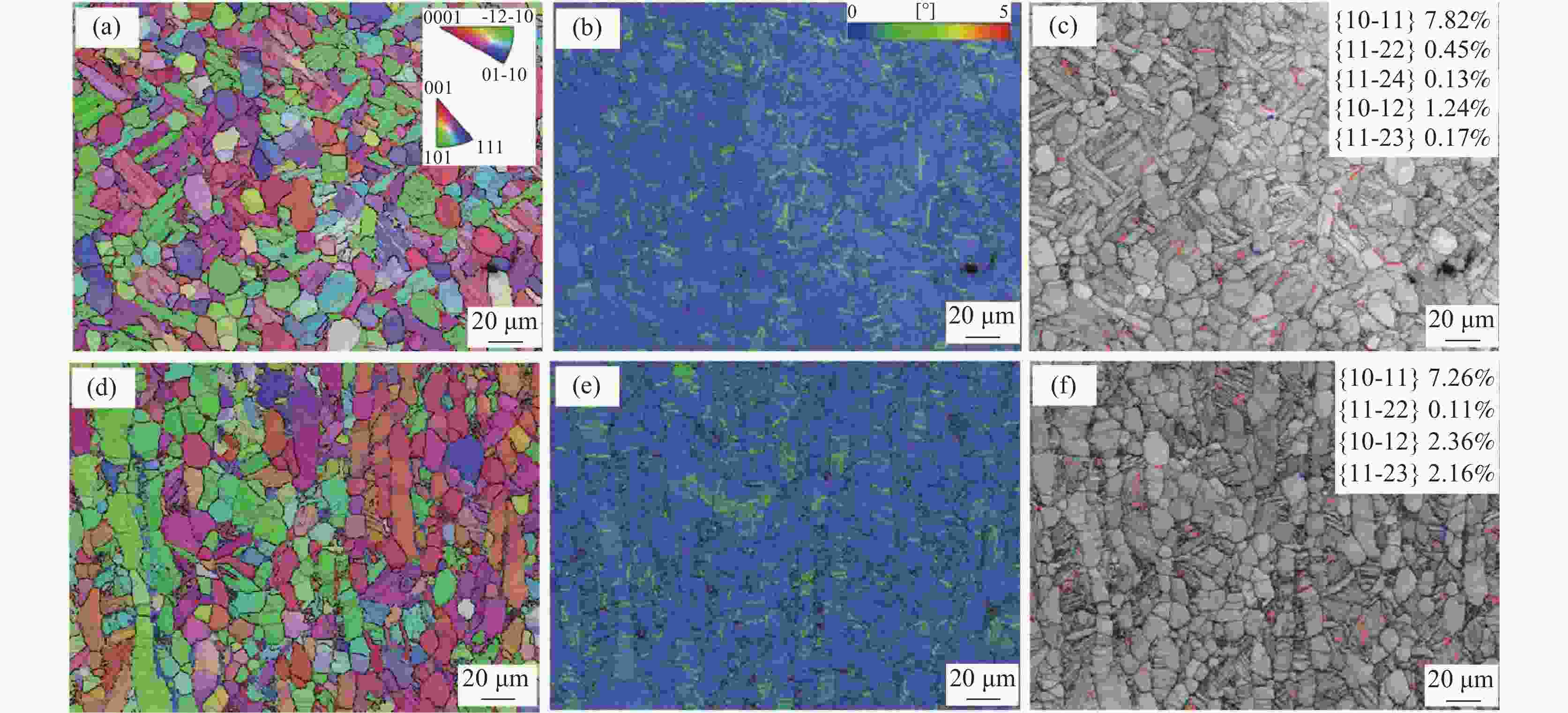
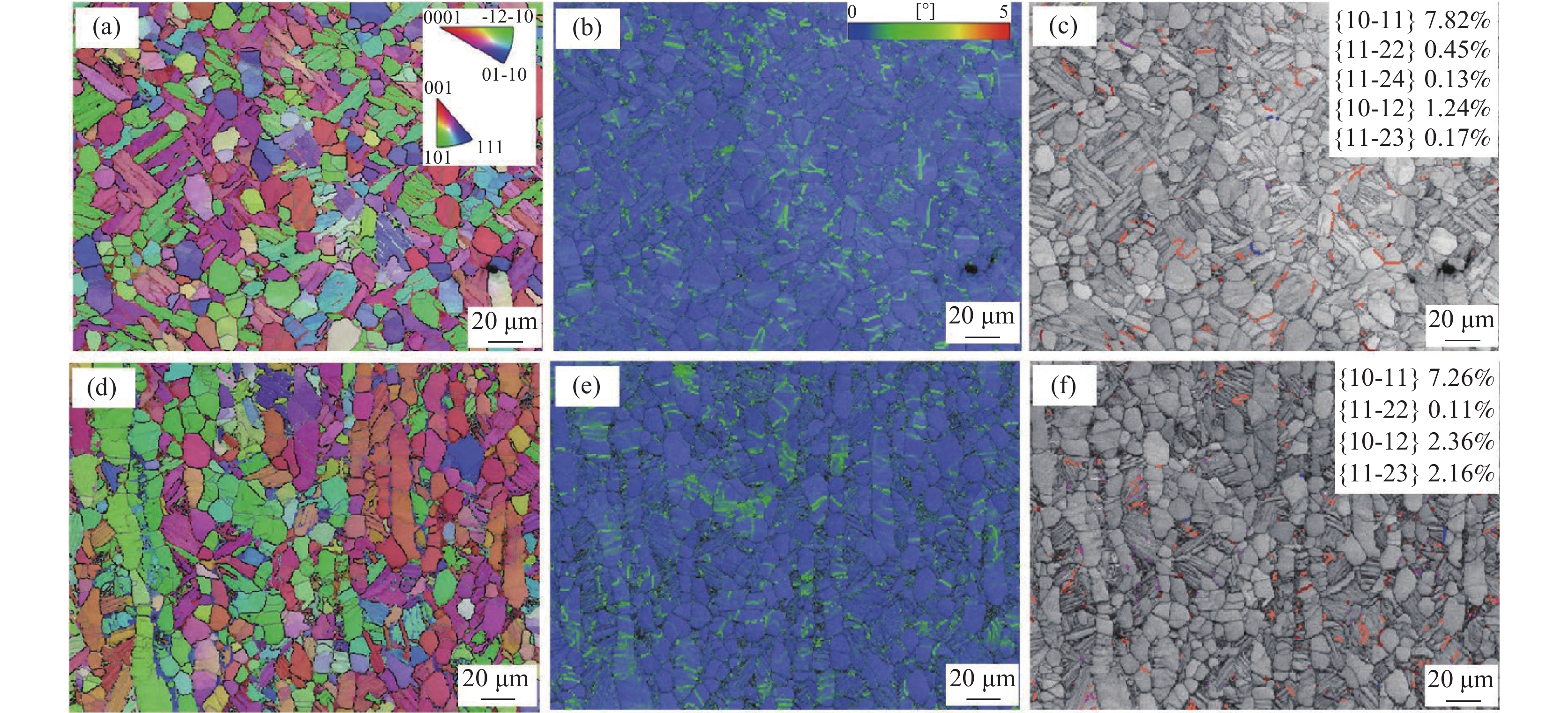
图 3 910 ℃及920 ℃退火后试样的EBSD显微组织
910 ℃:(a)IPF图, (b)KAM图, (c)特殊边界(SB)图;920 ℃:(d)IPF图, (e)KAM图, (f)特殊边界(SB)图
Figure 3. EBSD microstructures after annealing at 910 ℃ and 920 ℃
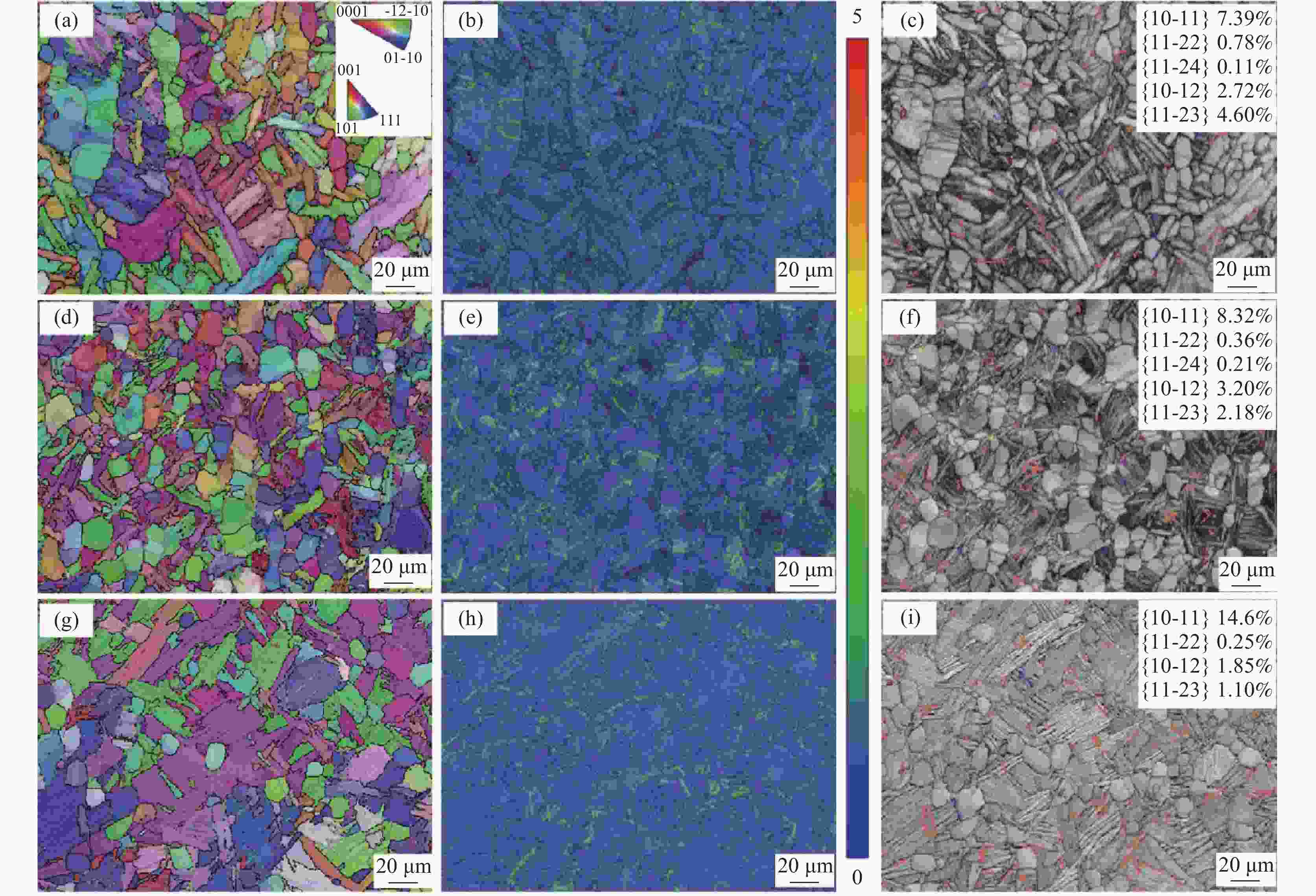
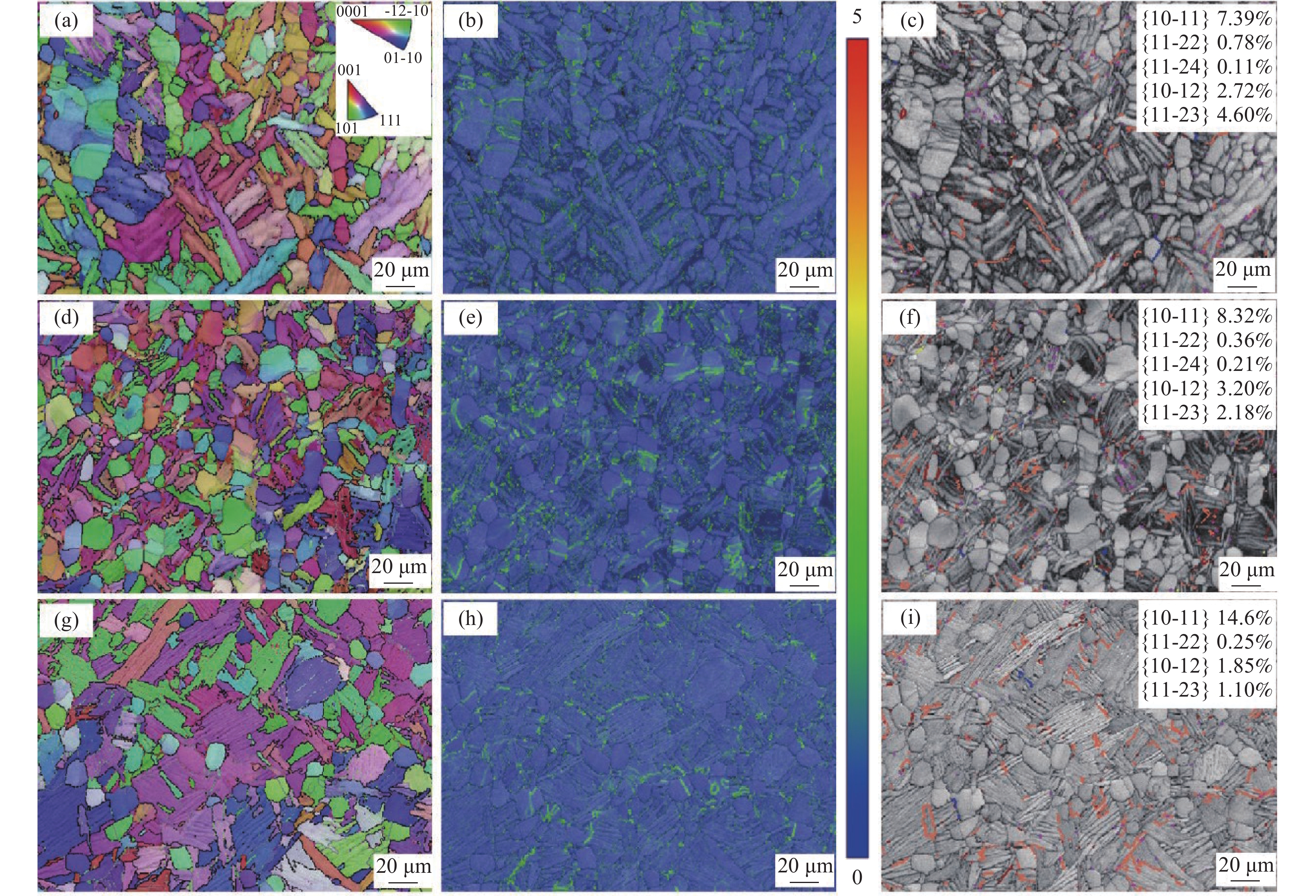
图 4 930~950 ℃退火后试样的EBSD显微组织
930 ℃: (a)IPF图, (b)KAM图, (c)特殊边界(SB)图;940 ℃: (d)IPF图,(e)KAM图,(f)特殊边界(SB)图;950 ℃:(g)IPF图; (h)KAM图;(i)特殊边界(SB)图
Figure 4. EBSD microstructures after annealing at 930 ℃, 940 ℃, and 950 ℃
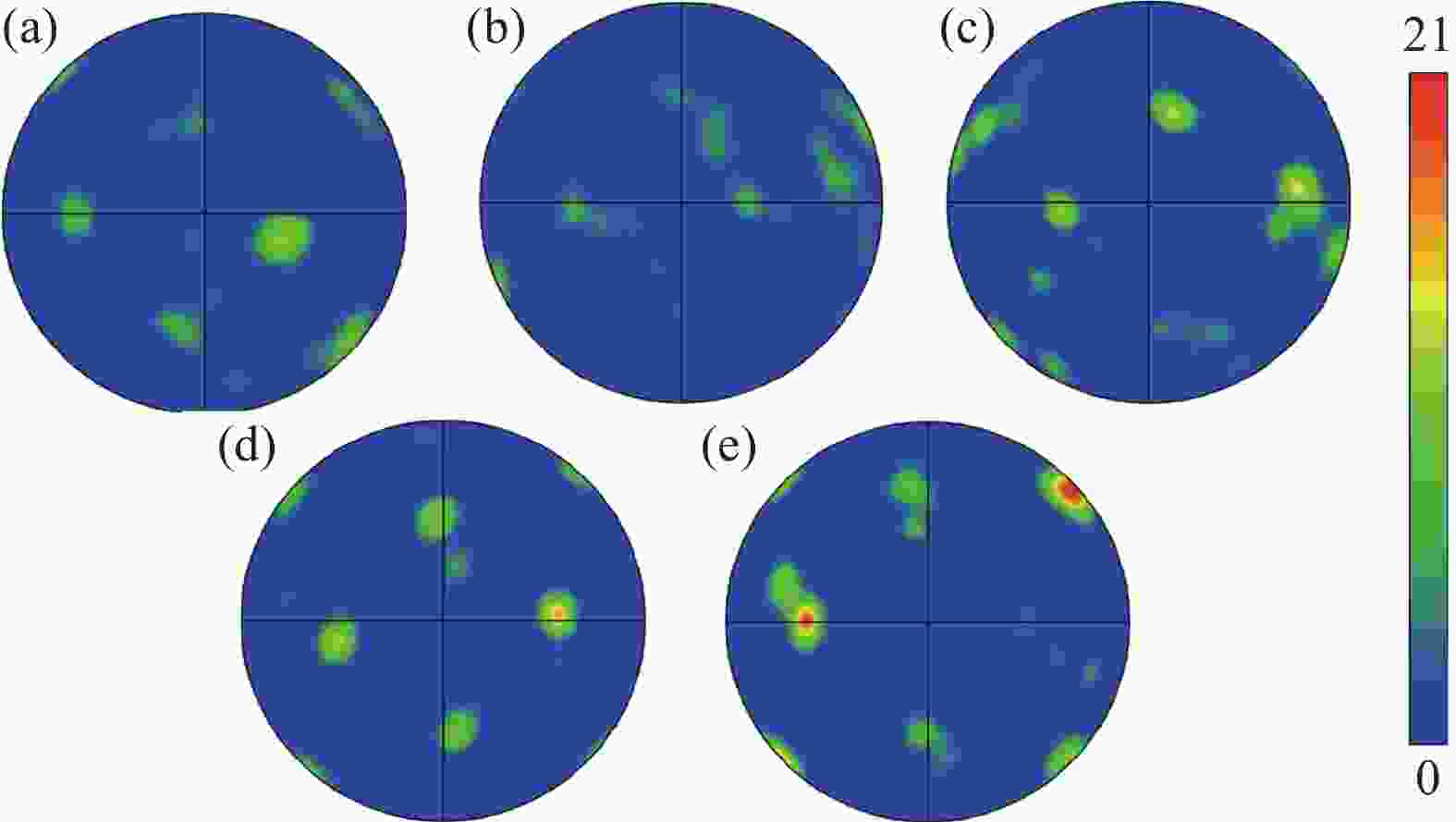
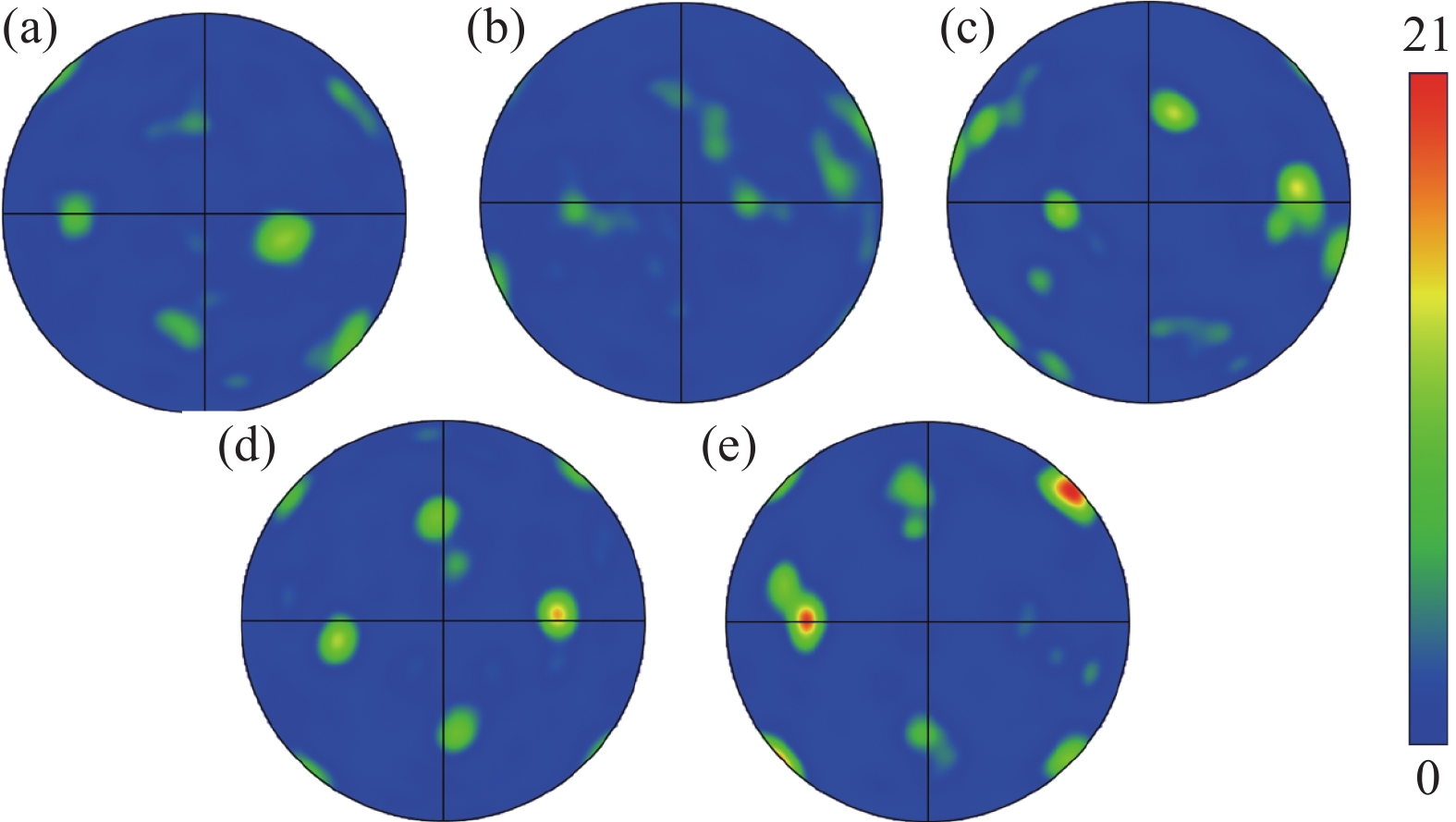
图 5 不同退火温度下α{0001}极图演变
Figure 5. Evolution of α {0001} pole figures at different annealing temperatures
(a)910 ℃;(b)920 ℃;(c)930 ℃;(d)940 ℃;(e)950 ℃
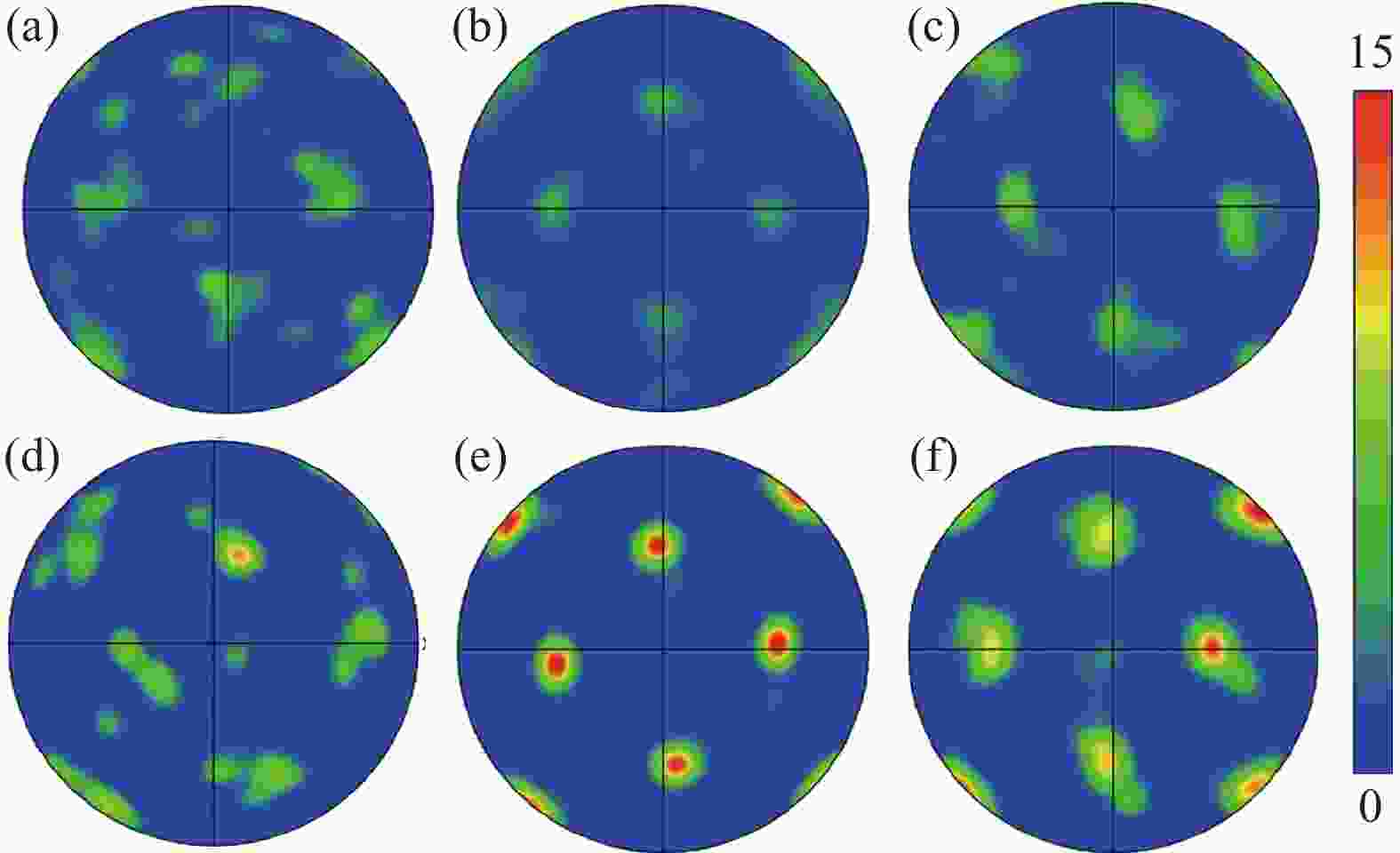
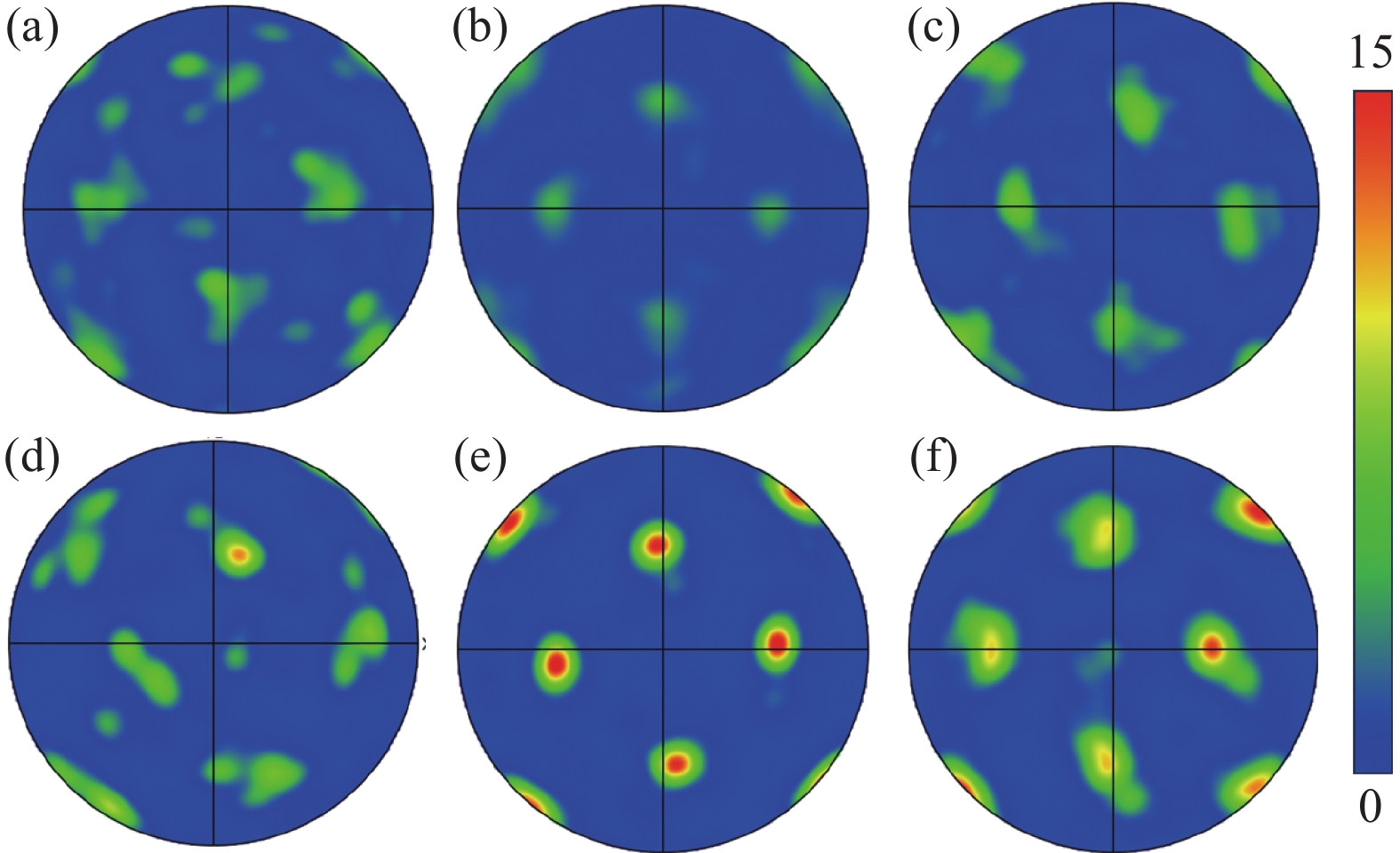
图 6 不同工艺状态下β{110}极图演变
(a)热锻状态; (b)910 ℃; (c)920 ℃; (d)930 ℃; (e)940 ℃; (f)950 ℃
Figure 6. Evolution of β {110} pole figures under different processing conditions
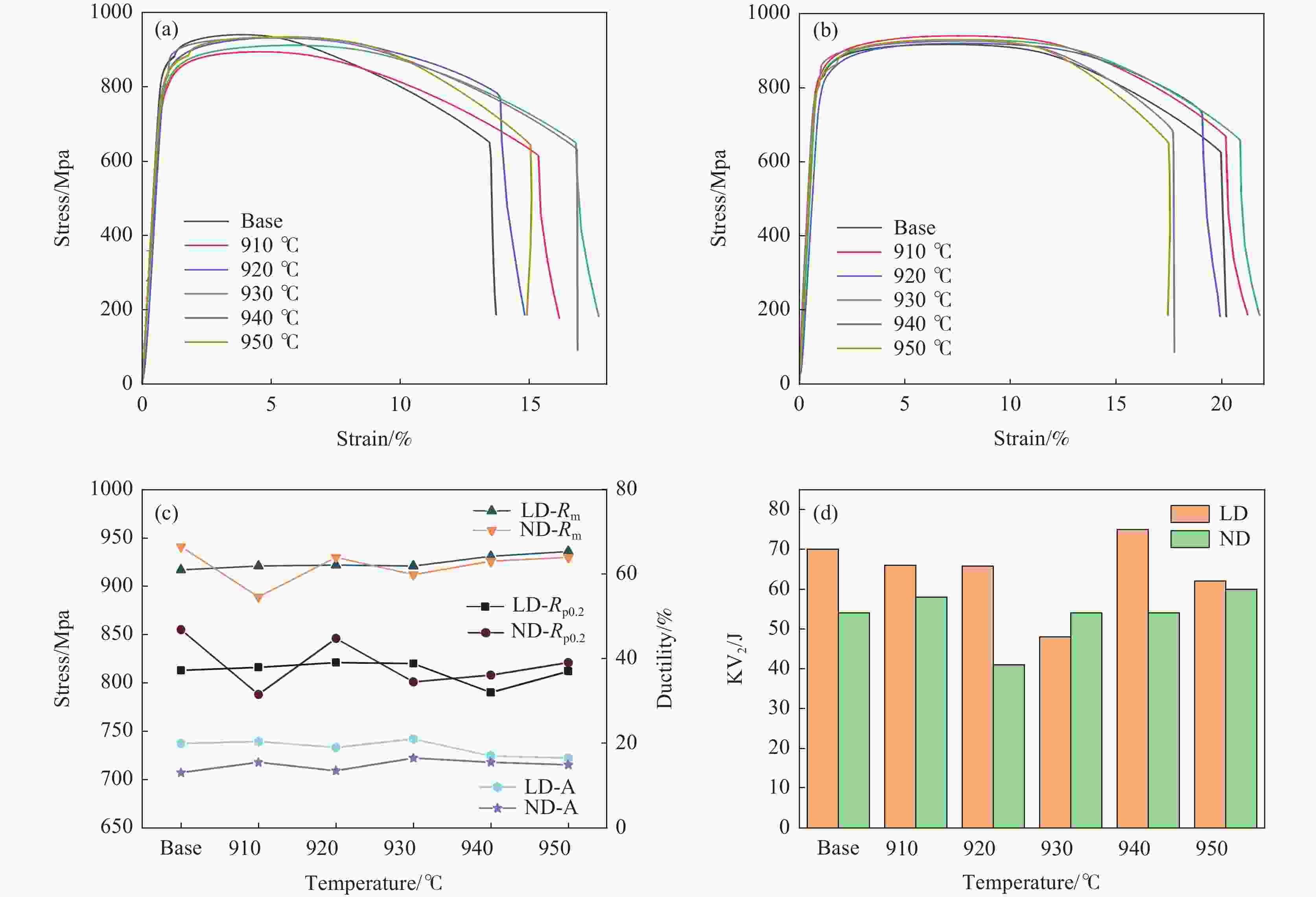
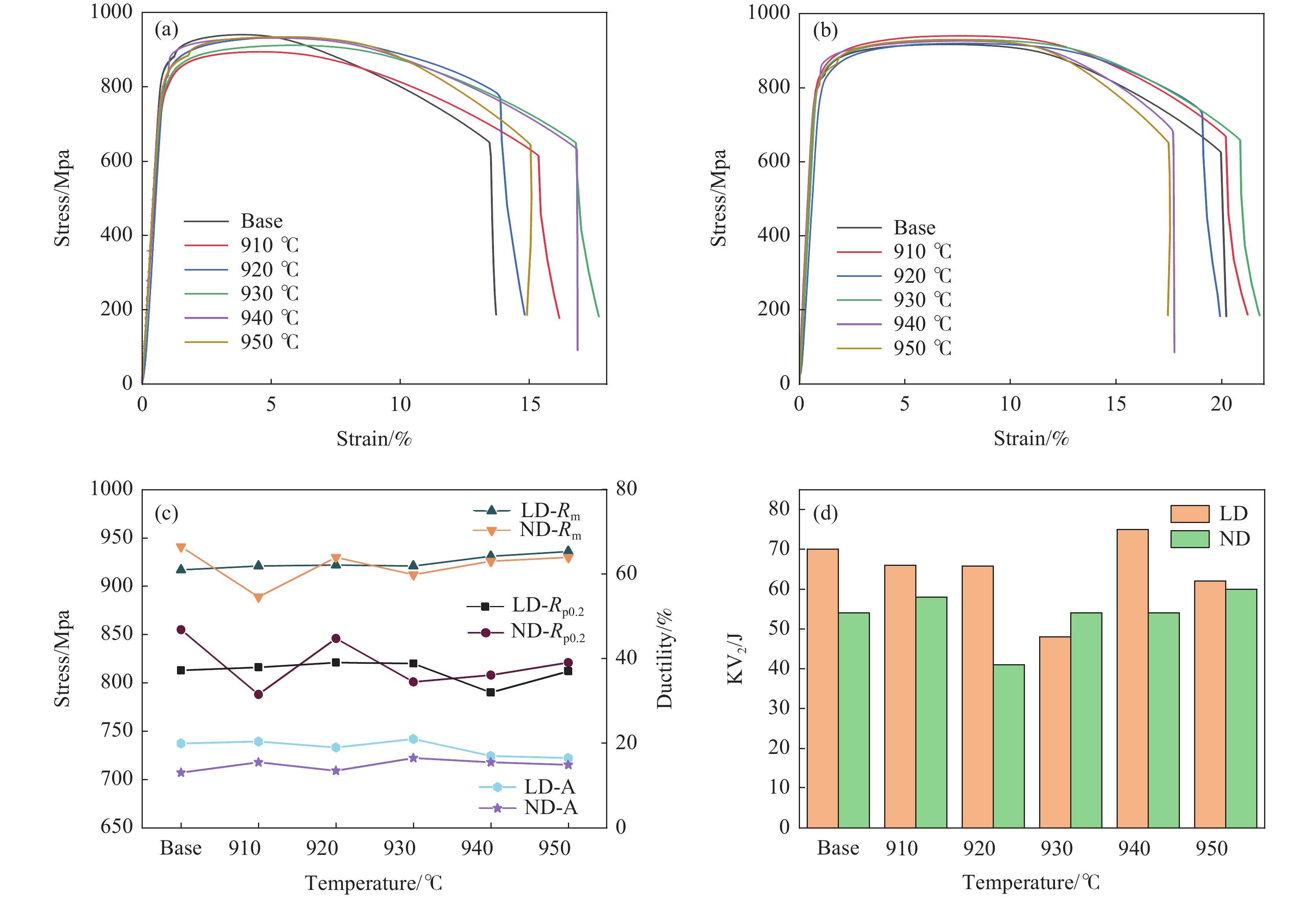
图 7 不同工艺状态下力学性能
(a)ND方向应力-应变曲线;(b)LD方向应力-应变曲线;(c)ND与LD方向拉伸性能统计;(d)冲击性能统计
Figure 7. Mechanical properties under different processing conditions
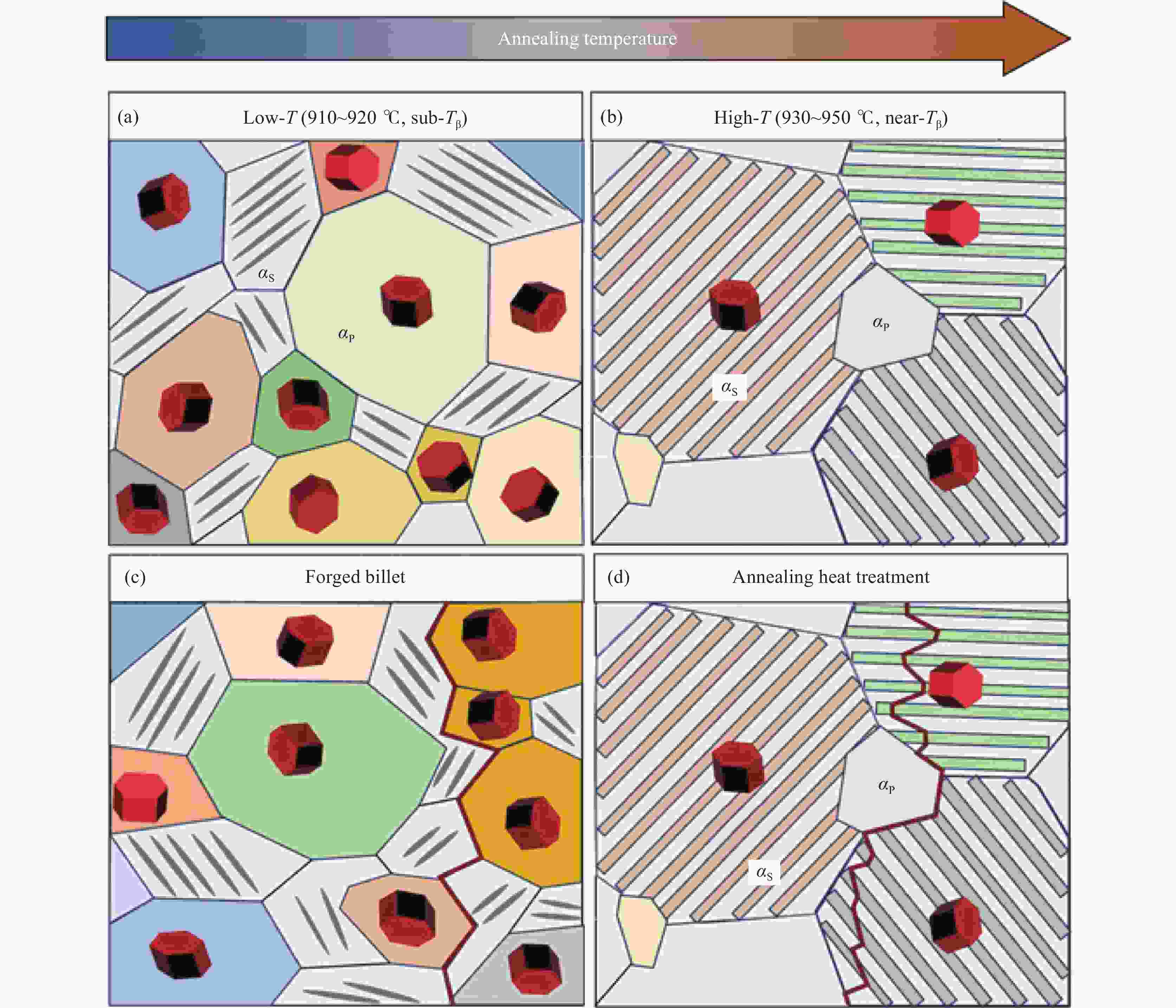
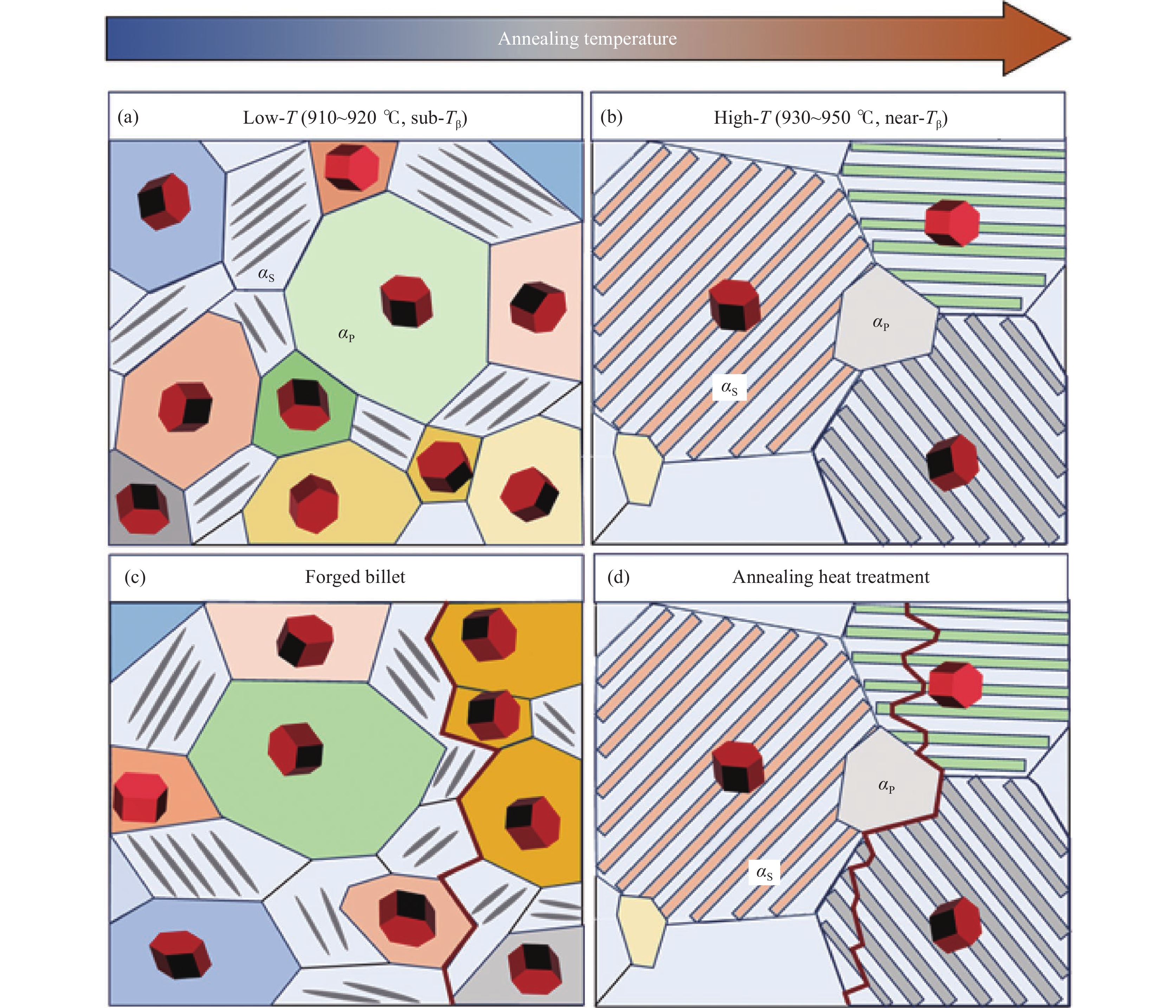
图 8 取向关系与裂纹生长示意
(a)等轴组织取向关系;(b)双态组织取向关系;(c)初始锻坯组织裂纹生长示意;(d)退火热处理后组织裂纹生长示意
Figure 8. Schematic illustrations of orientation relationships and crack propagation
表 1 Ti551化学成分
Table 1. Chemical composition of Ti551
% Al Mo Zr Cr V Sn O Fe 5.27 1.48 1.06 0.94 0.98 1.05 0.12 0.15  下载: 导出CSV
-
[1] GAO P F, FU M W, ZHAN M, et al. Deformation behavior and microstructure evolution of titanium alloys with lamellar microstructure in hot working process: A review[J]. Journal of Materials Science & Technology, 2020, 39: 56-73. doi: 10.1016/j.jmst.2019.07.052 [2] DONG Y, LIU X G, ZOU J J, et al. Effect of cooling rate following β forging on texture evolution and variant selection during β→α transformation in Ti-55511 alloy[J]. Journal of Materials Science & Technology, 2022, 113: 1-13. doi: 10.1016/j.jmst.2021.09.011 [3] WANG J X, YE X W, LI Y H, et al. Effect of annealing temperature on mechanical properties of TC21 titanium alloy with multilevel lamellar microstructure[J]. Materials Science and Engineering: A, 2023, 869: 144788. doi: 10.1016/j.msea.2023.144788 [4] ZHANG R Q, ZHAO Q Y, GUO D Z, et al. High impact toughness of CT20 alloy induced by multi-factor coupling[J]. Journal of Materials Science & Technology, 2024, 192: 65-81. doi: 10.1016/j.jmst.2023.11.078 [5] LEI L, ZHAO Y, ZHAO Q, et al. Impact toughness and deformation modes of Ti-6Al-4V alloy with different microstructures[J]. Materials Science and Engineering: A, 2021, 801: 140411. doi: 10.1016/j.msea.2020.140411 [6] BAI J K, ZHANG H, ZHAO Z B, et al. Strong and plastic near-α titanium alloy by Widmanstätten structure spheroidization[J]. Journal of Materials Science & Technology, 2025, 225: 95-110. doi: 10.1016/j.jmst.2024.12.018 [7] XU J W, LI Y, ZHANG H, et al. Overcoming strength-ductility/toughness trade-off in ultra-high strength titanium alloy via fork + multi-scale structure[J]. Journal of Materials Science & Technology, 2026, 263: 1-15. doi: 10.1016/j.jmst.2025.10.064 [8] LI K, CHEN W, ZHANG J Y, et al. Making titanium alloys ultrahigh strength and toughness synergy through deformation kinks-mediated hierarchical α-precipitation[J]. Journal of Materials Science & Technology, 2025, 207: 142-159. doi: 10.1016/j.jmst.2024.04.035 [9] FAN J K, ZHANG Z X, GAO P Y, et al. On the nature of a peculiar initial yield behavior in metastable β titanium alloy Ti-5Al-5Mo-5V-3Cr-0.5Fe with different initial microstructures[J]. Journal of Materials Science & Technology, 2020, 38: 135-147. doi: 10.1016/j.jmst.2019.07.053 [10] LI B B, YANG Y, REN Y H, et al. Effect of subphase change point temperature cyclic heat treatment on the microstructure and mechanical properties of Ti65 high-temperature titanium alloy fabricated by laser deposition manufacturing[J]. Journal of Materials Research and Technology, 2025, 37: 3998-4015. doi: 10.1016/j.jmrt.2025.07.009 [11] QIU S X, WANG W Y, CHEN S H, et al. Microstructural evolution and spheroidization mechanism of powder metallurgy Ti-6Al-4V alloys after high-temperature forging[J]. Journal of Alloys and Compounds, 2024, 994: 174771. doi: 10.1016/j.jallcom.2024.174771 [12] CHEN Y J, SU H, ZHAO F, et al. Preparation of high-strength TC18 titanium alloy by constructing dual heterostructures through deformation heat treatment[J]. Journal of Alloys and Compounds, 2025, 1036: 181907. doi: 10.1016/j.jallcom.2025.181907 [13] HÉMERY S, NAÏT-ALI A, SMERDOVA O, et al. Deformation mechanisms in the α phase of the Ti-6Al-2Sn-4Zr-2Mo titanium alloy: In situ experiments and simulations[J]. International Journal of Plasticity, 2024, 175: 103947. doi: 10.1016/j.ijplas.2024.103947 [14] ZHAO Z B, WANG Q J, HU Q M, et al. Effect of β (110) texture intensity on α-variant selection and microstructure morphology during β→ α transformation n in near αtitanium alloy[J]. Acta Materialia, 2017, 126: 372-382. doi: 10.1016/j.actamat.2016.12.069 -

计量
- 文章访问数: 3
- HTML全文浏览量: 0
- PDF下载量: 1
- 被引次数: 0