Abstract:
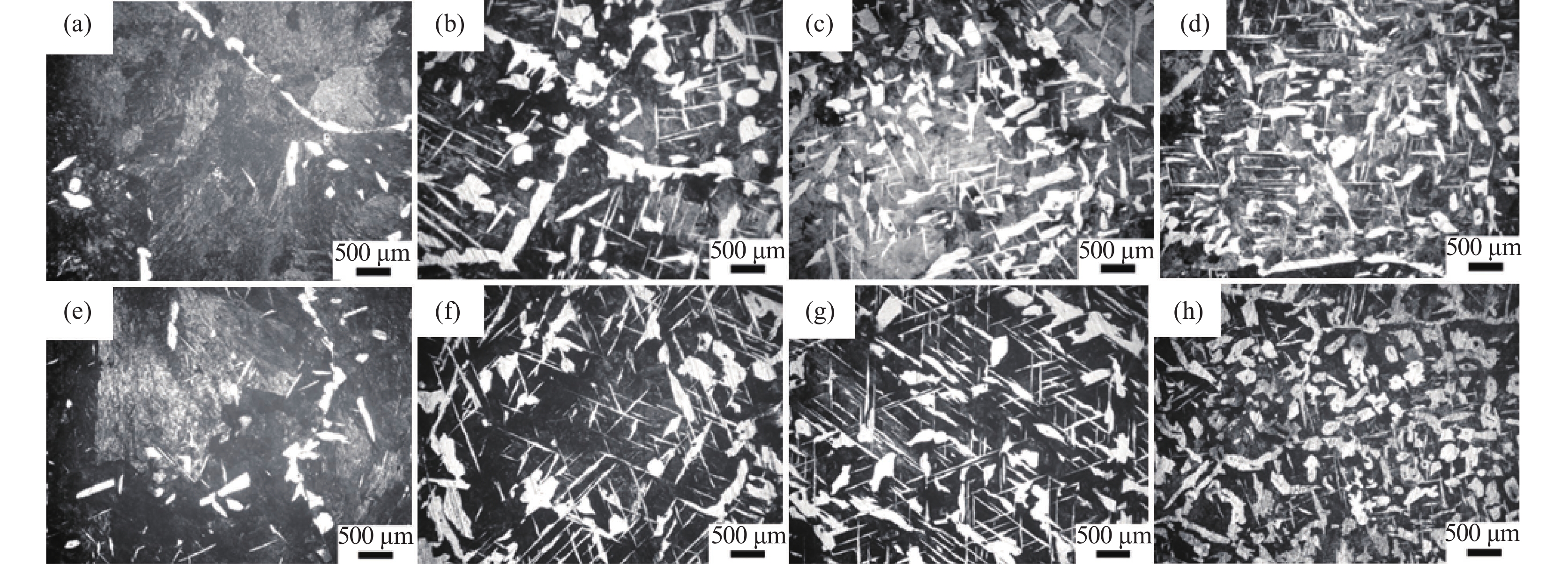
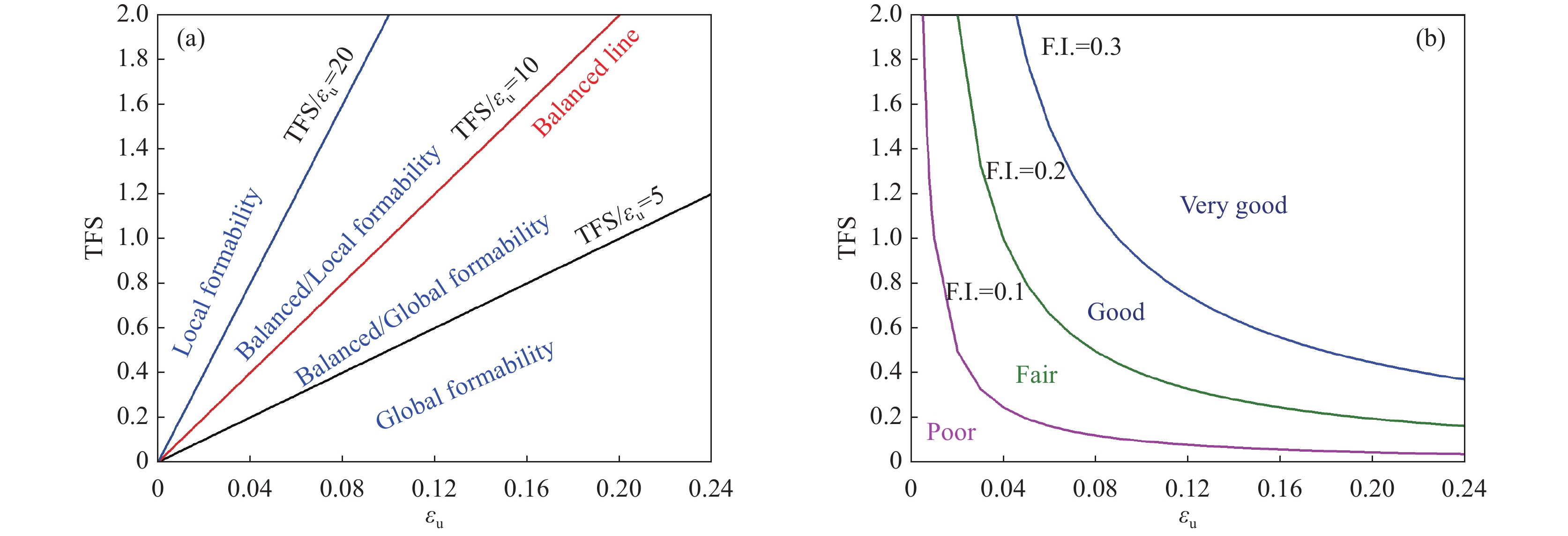
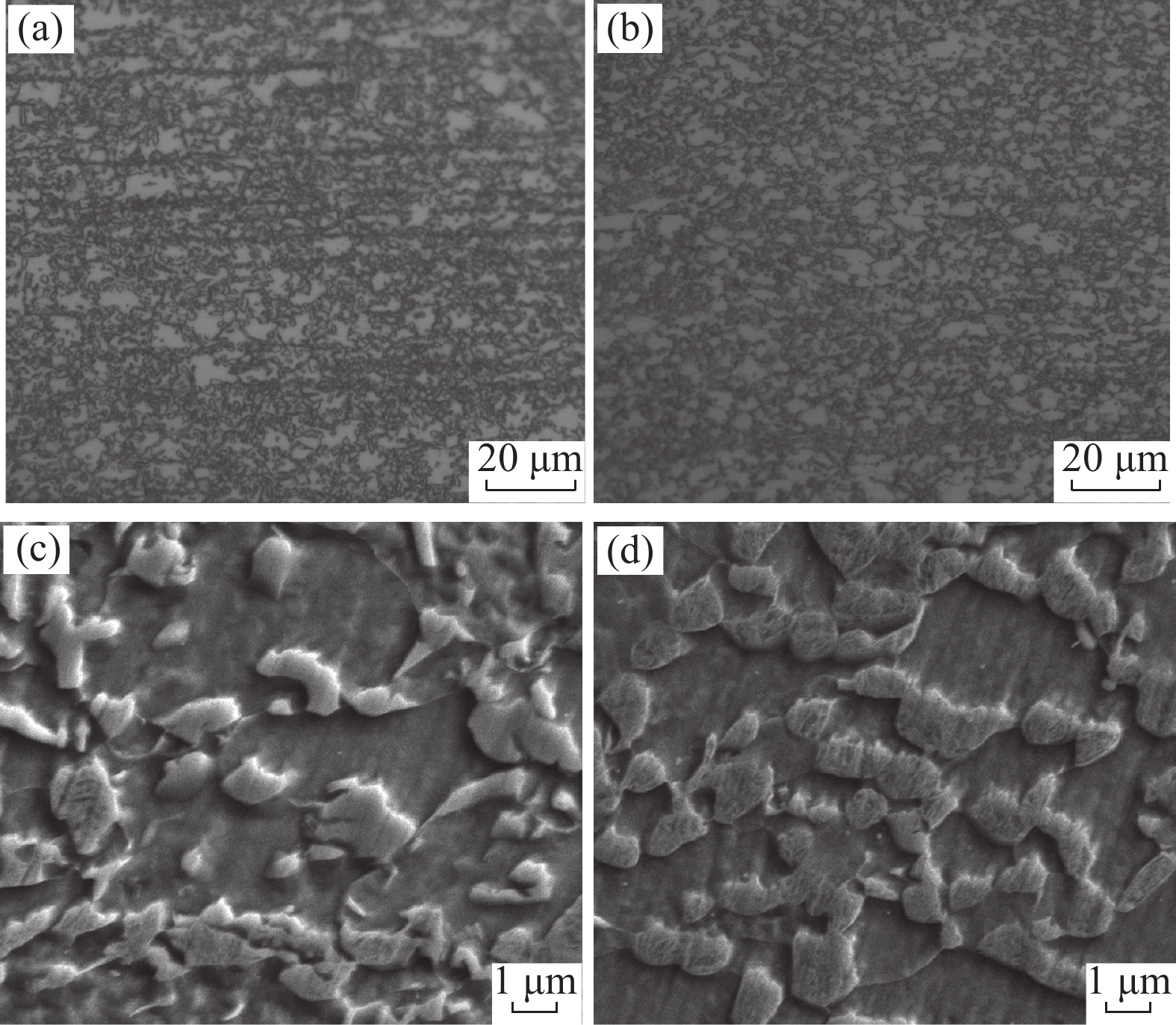
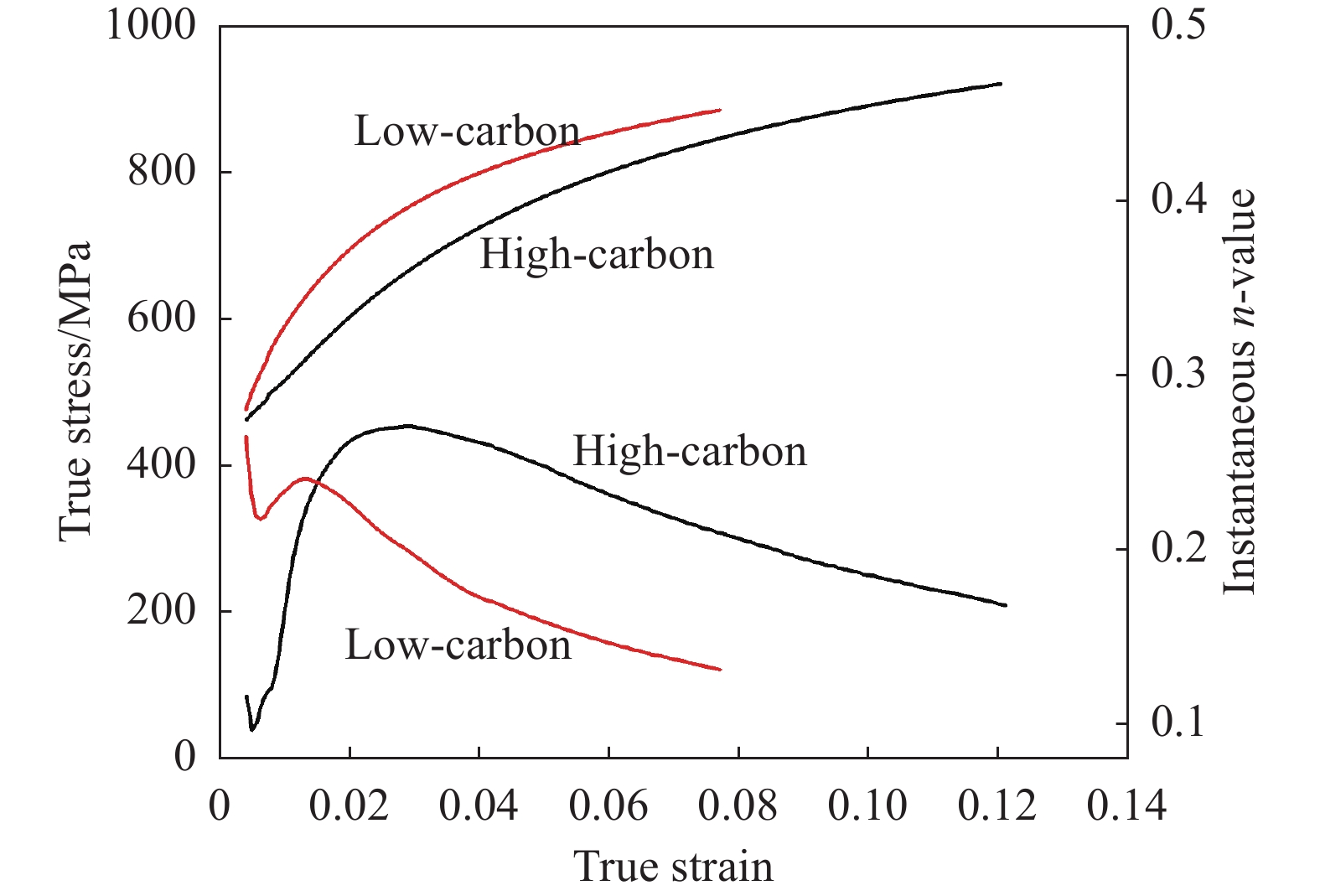
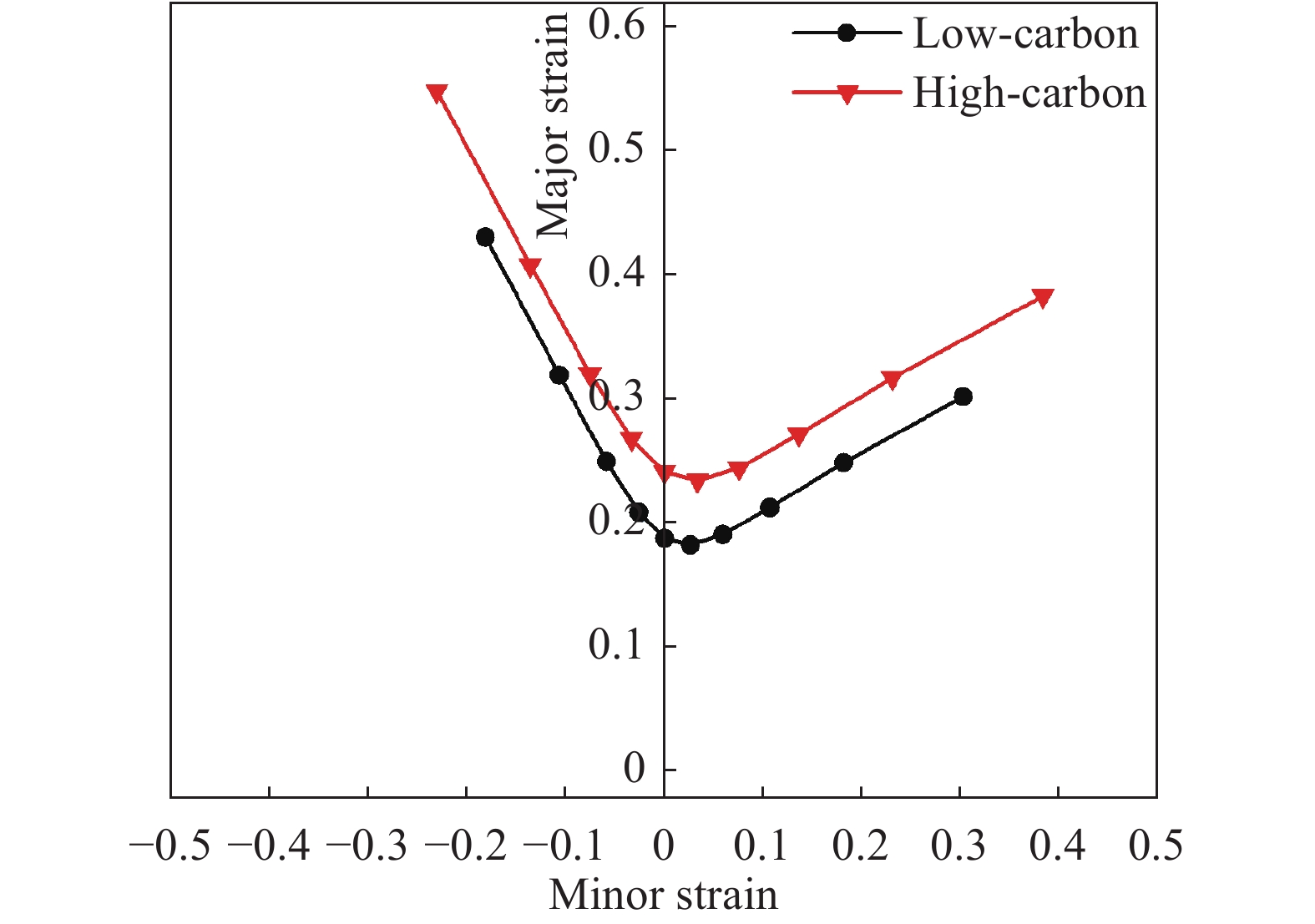
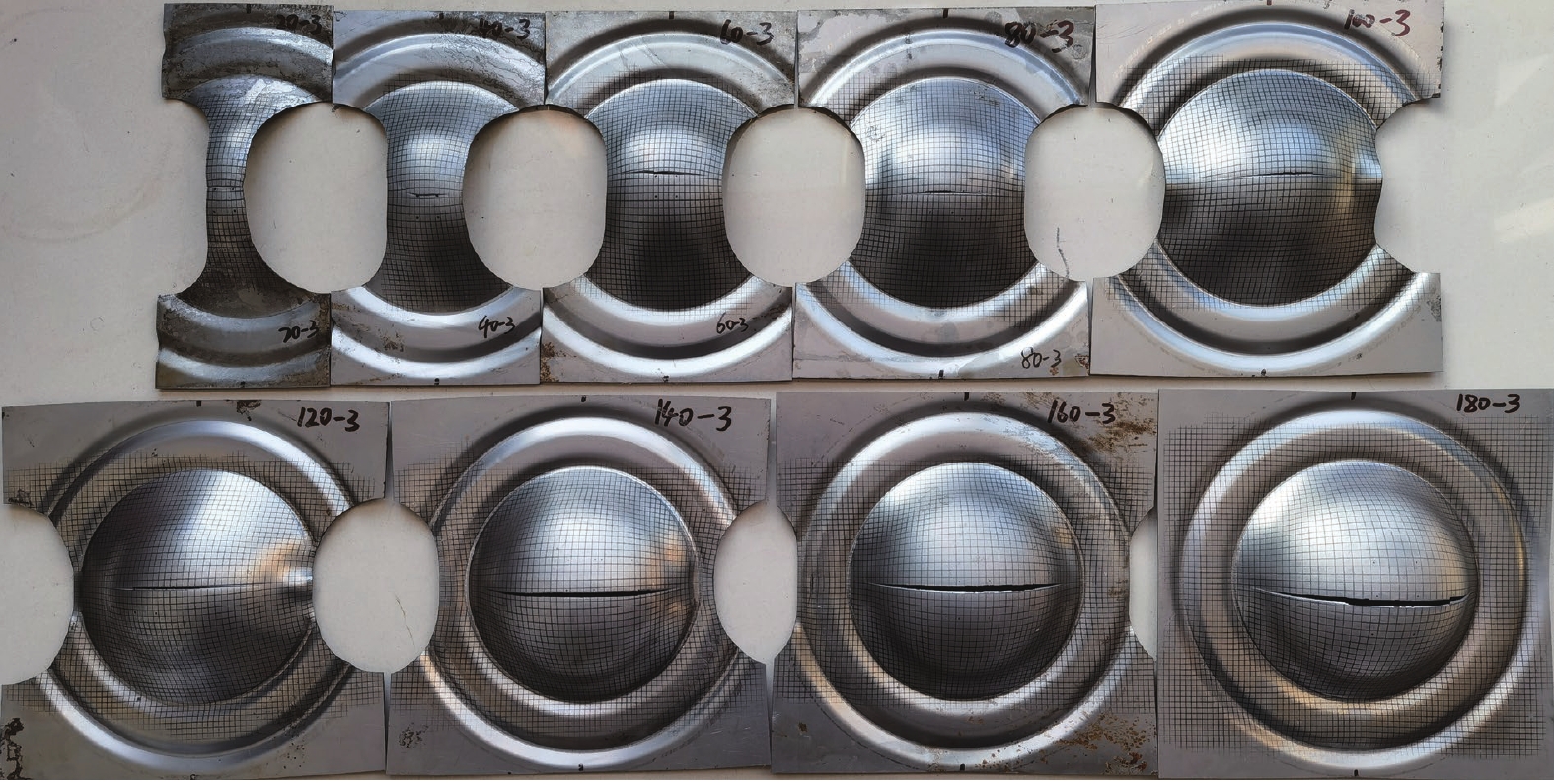
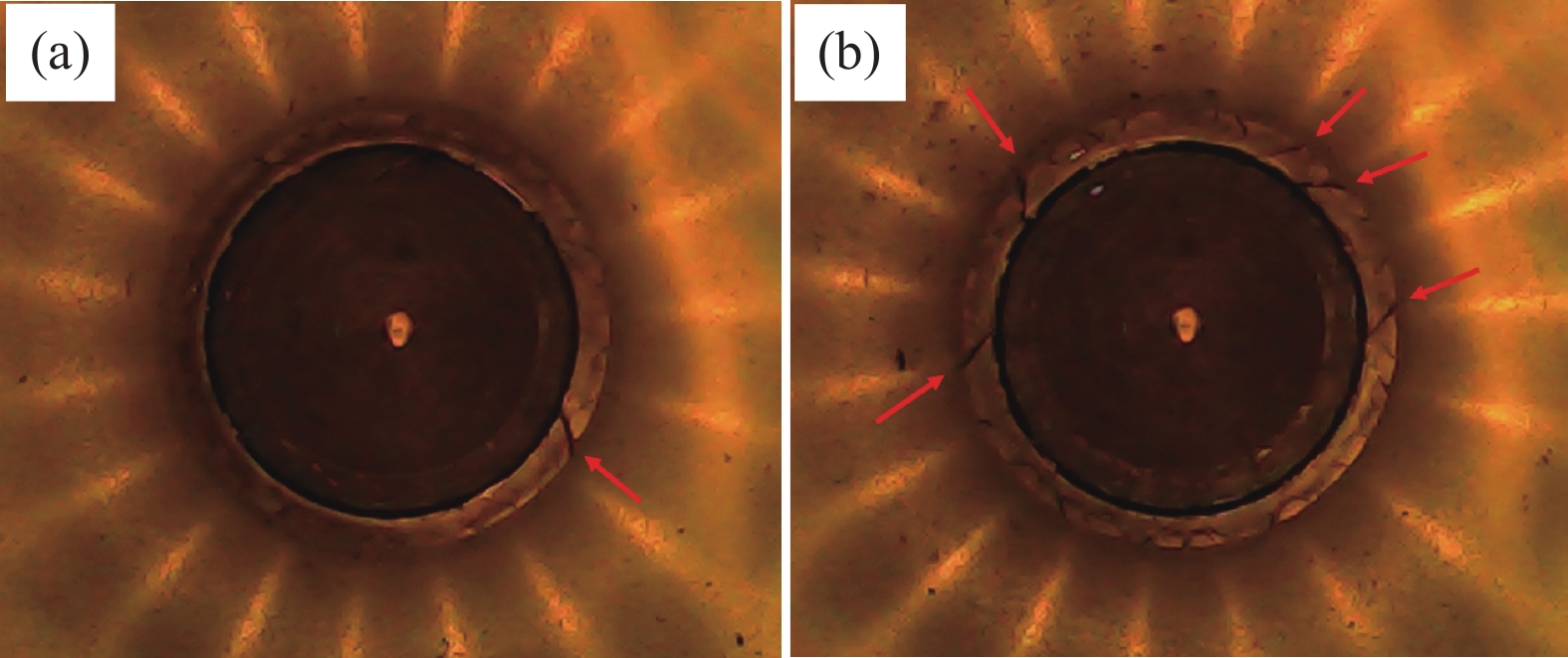
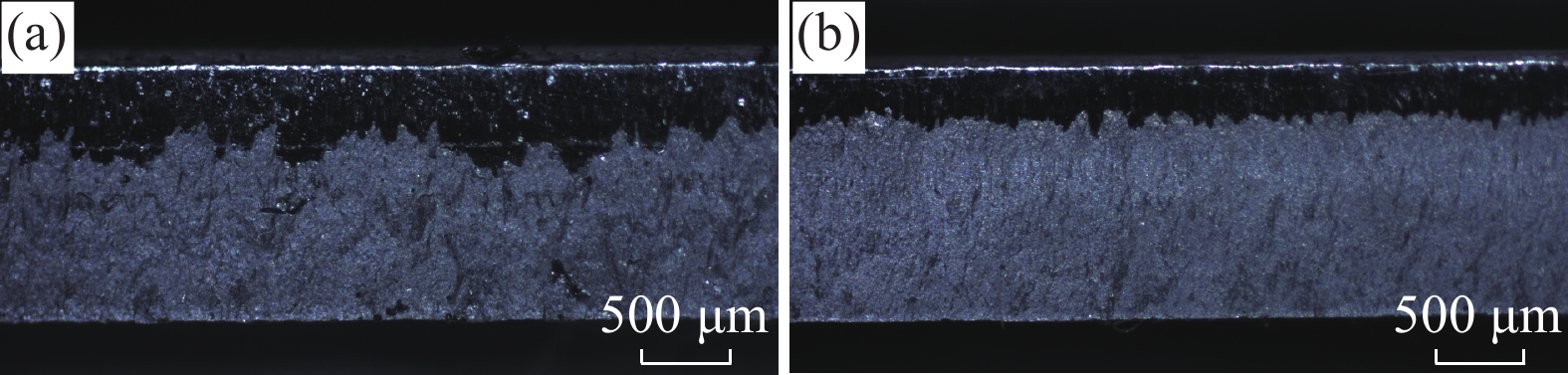
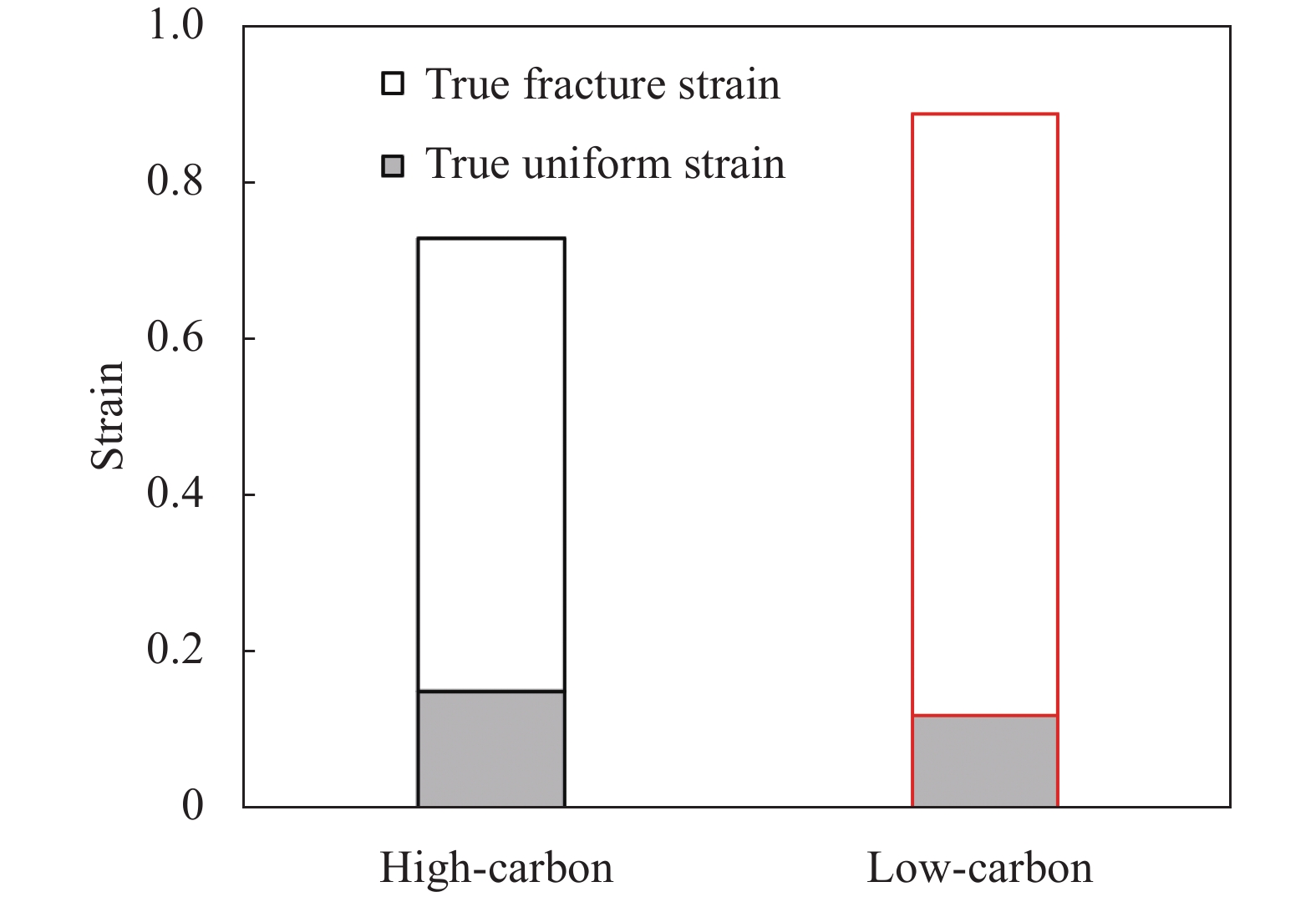
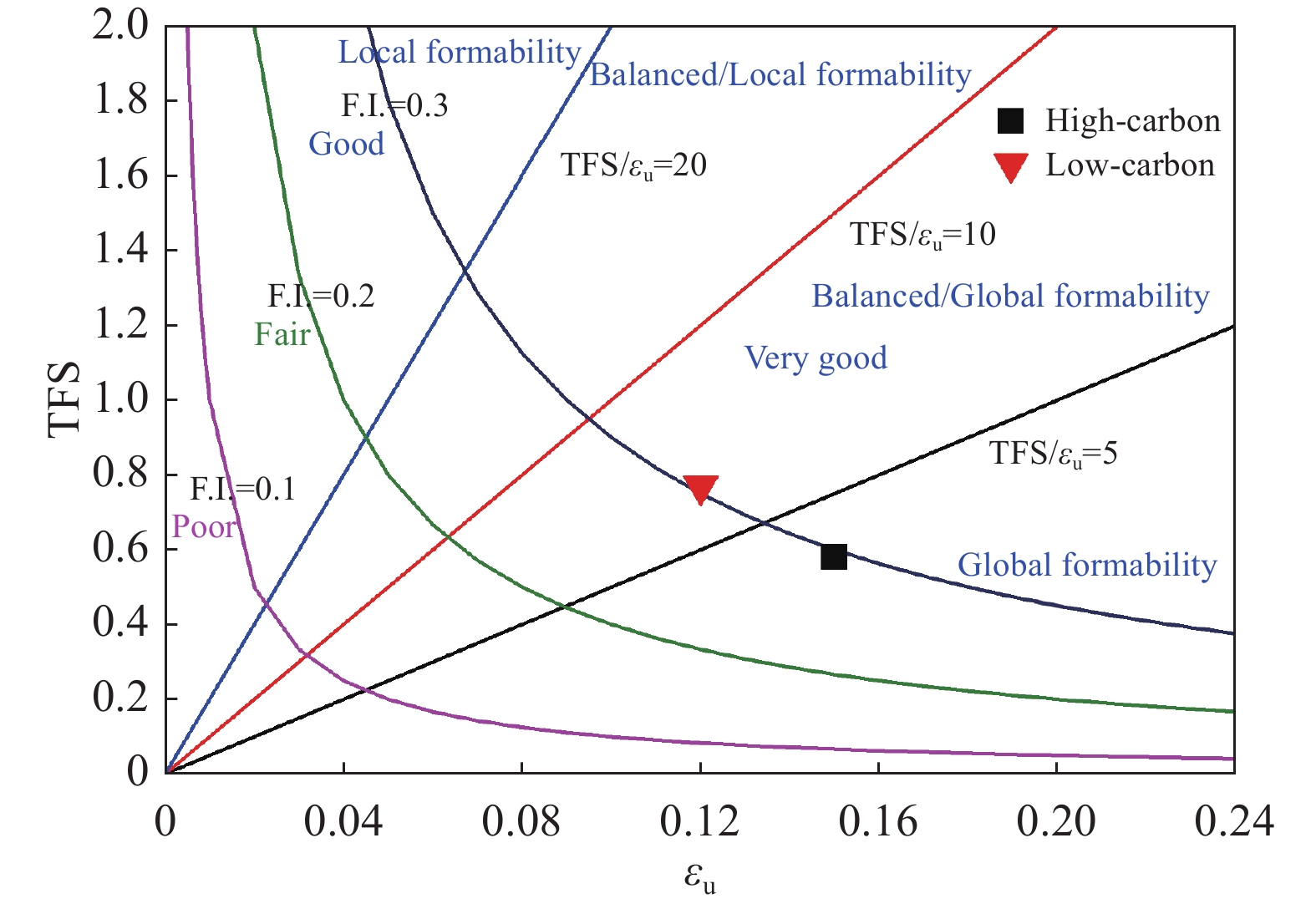
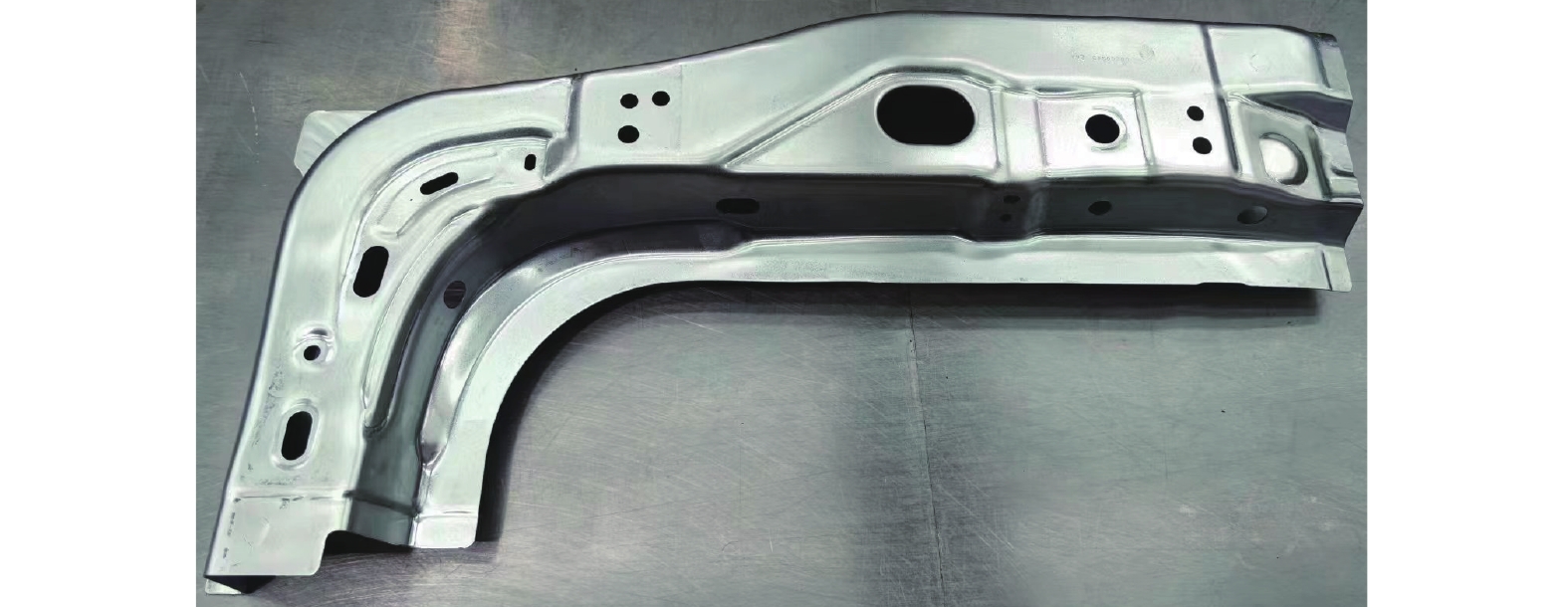
This study comparatively investigated the forming performance of two 800 MPa grade galvanized dual-phase steel systems, using metallographic analysis, uniaxial tensile testing, forming limit diagrams (FLDs), hole expansion tests, and local/global formability assessment diagrams. The study found that both dual-phase steels exhibited a ferrite-martensite dual-phase microstructure with a similar martensite fraction of ~50%. The high-carbon series dual-phase steel demonstrated a lower yield ratio (0.563), higher uniform elongation (15.65%), and a higher FLD0 (0.236), but a lower hole expansion ratio (19.62%), making it suitable for complex structural components and parts demanding high drawability, such as B-pillars and longitudinal beam connecting plates. In contrast, the low-carbon series dual-phase steel, achieved through the addition of alloying elements such as Cr and Mo, resulting in a uniform, fine, and dispersed distribution of martensite islands, with a slightly higher yield ratio (0.58), lower uniform elongation (11.72%), and a lower FLD0 (0.184), but a significantly higher hole expansion ratio (25.68%), making it more suitable for components requiring high local formability, such as flanging and hole expansion applications, including door sills, side rails, and seat side panels. This research provides a theoretical foundation and practical guidance for the material selection and application of 800 MPa grade galvanized dual-phase steel.