Current Issue

2025 Vol. 46, No. 5

Artificial Intelligence Special Topic
Research on the prediction model of hot metal temperature in vanadium-titanium magnetite blast furnace based on deep learning
CUI Guodong, ZHU Yanlin, MA Kaihui, LIU Lingling, LIAO Zhehan, BAI Chenguang
2025, 46(5): 1-12. doi: 10.7513/j.issn.1004-7638.2025.05.001
Abstract(88) HTML (25) PDF(17)
Abstract:
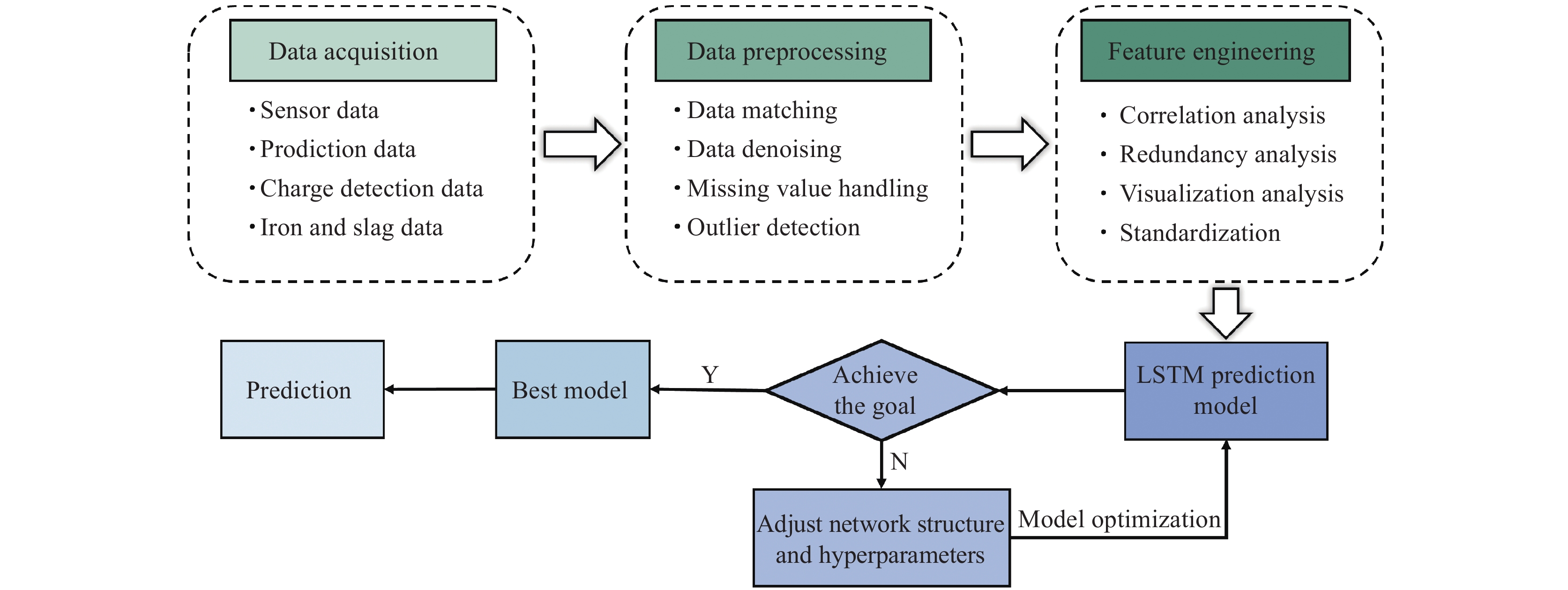
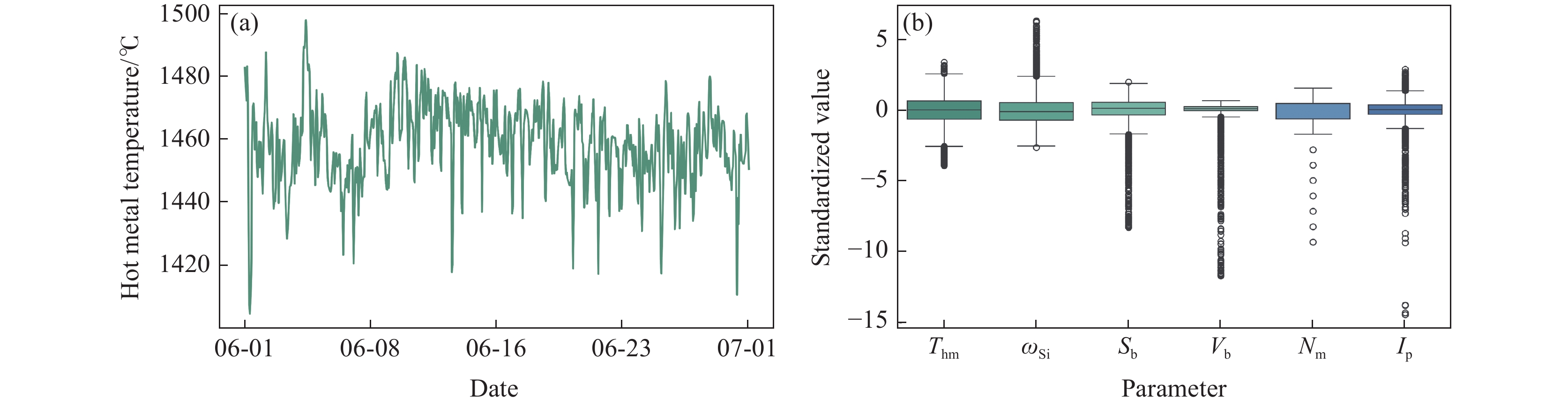
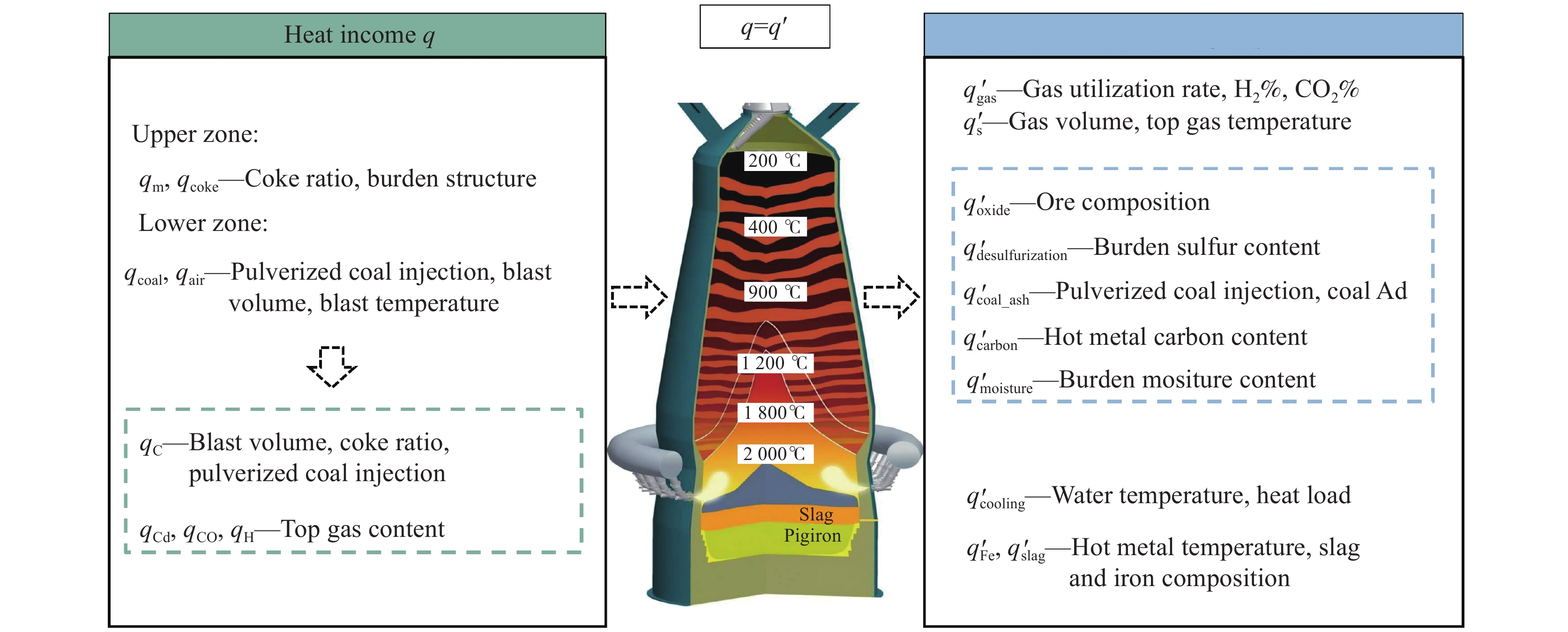
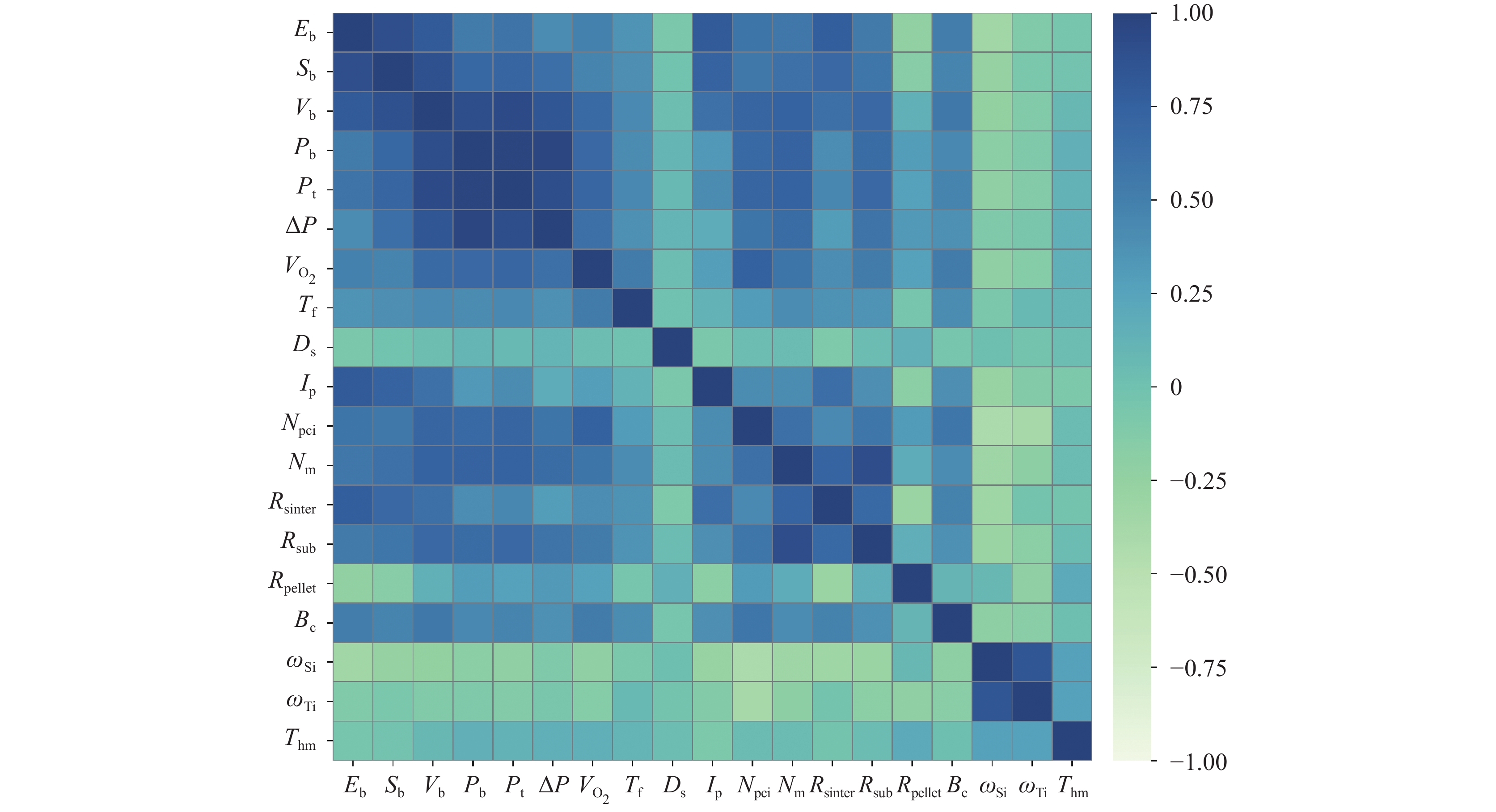
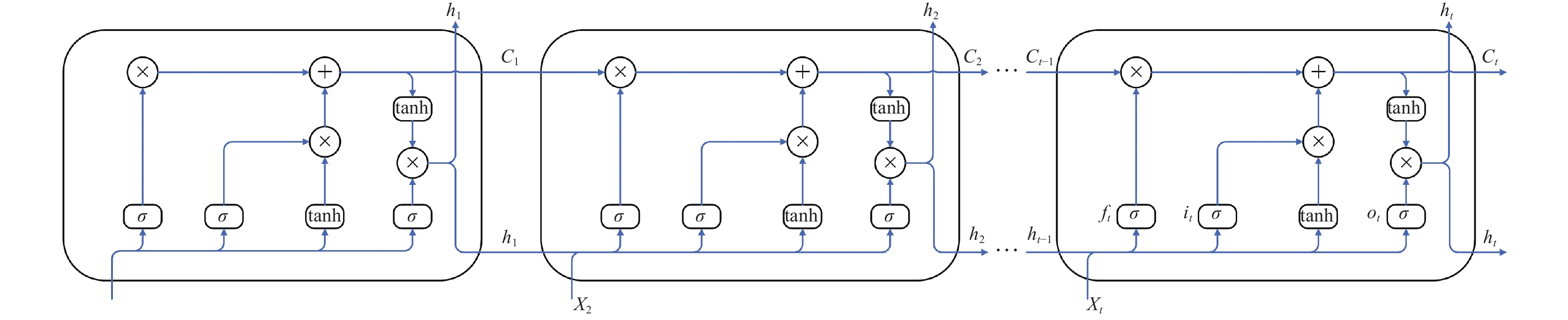
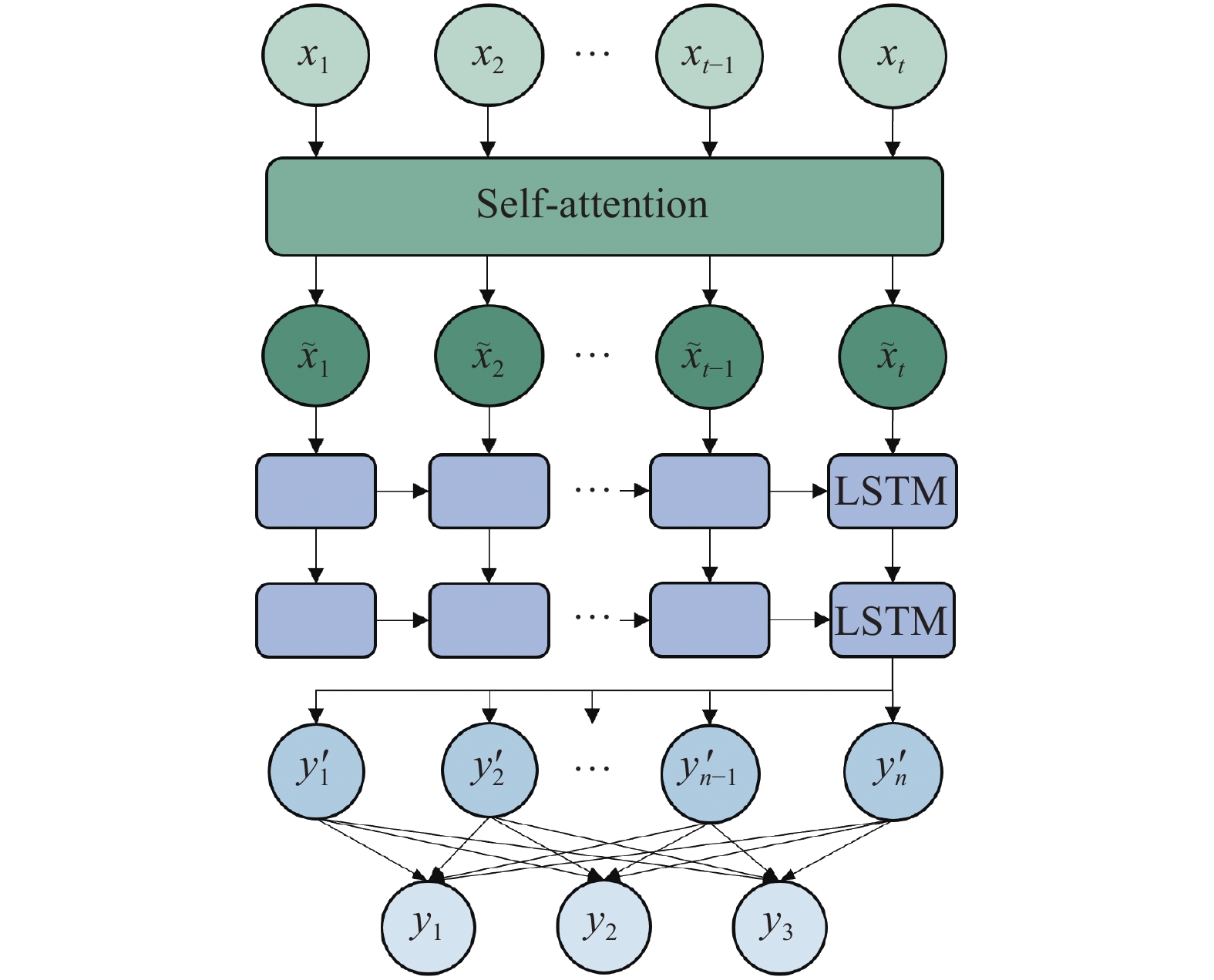
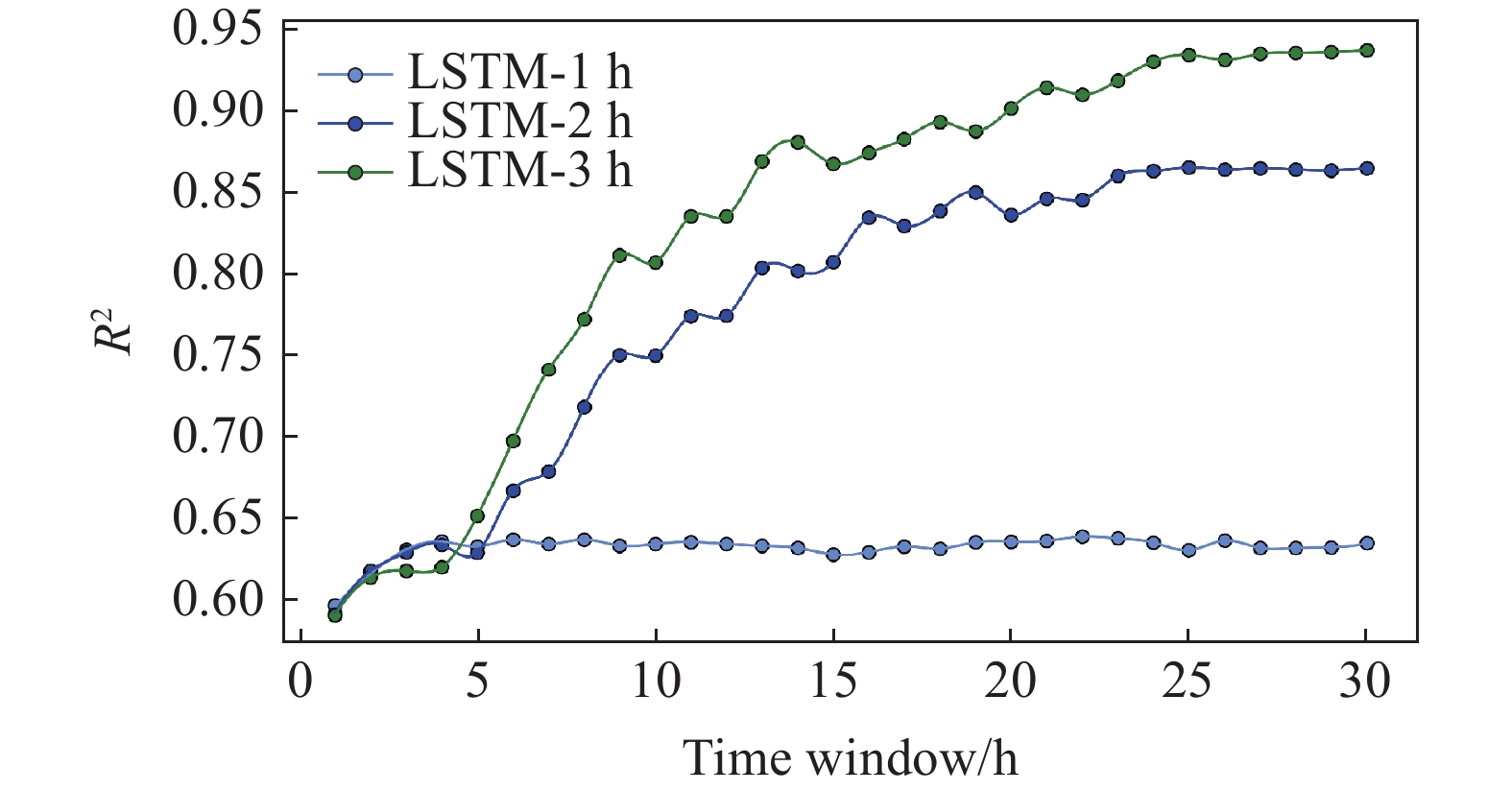
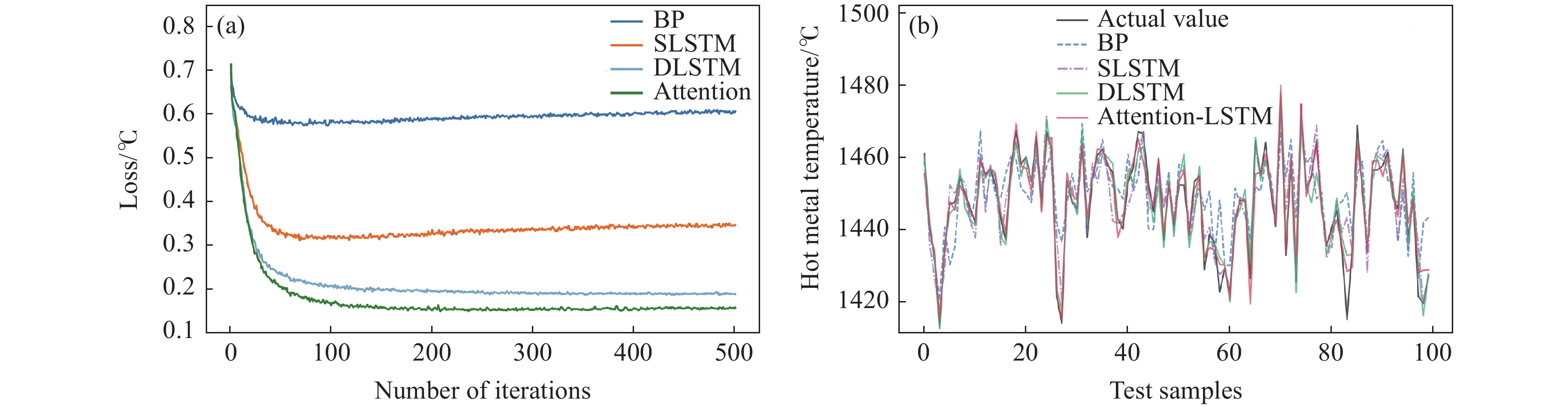
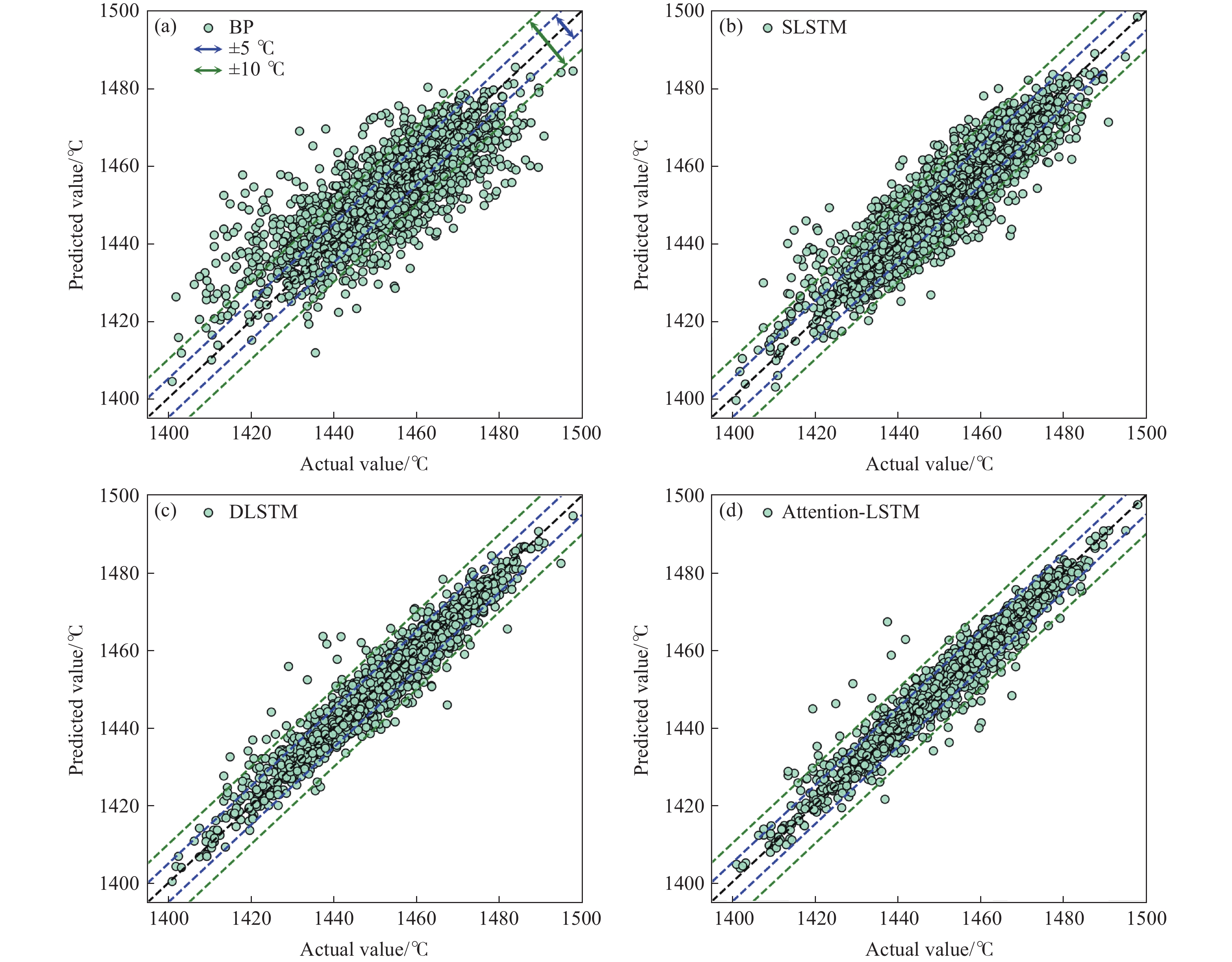
Accurate and timely prediction of hot metal temperature (HMT) is crucial for ensuring stable operation and improving hot metal quality in vanadium-titanium magnetite blast furnaces. Leveraging long-term field data, an HMT prediction model was developed for blast furnaces by integrating domain knowledge with data-driven strategies and combining an attention mechanism with long short-term memory neural networks (LSTM). Firstly, a feature matrix of the vanadium-titanium magnetite blast furnace smelting process was constructed by integrating smelting experience, rules, and data analysis techniques. Dimensionality reduction techniques were applied to reduce the feature dimension to 28, effectively reducing the prediction complexity. Secondly, we constructed a multi-time-step prediction model based on the LSTM architecture, using historical operation data from different time windows as inputs. By introducing an attention mechanism from deep learning to capture the importance of input features, the model's prediction accuracy was further improved. The results show that the model achieved a hit rate of 92.5% within a ±5 ℃ error range, realizing high-precision online prediction of hot metal temperatures in vanadium-titanium magnetite blast furnaces. This model provides an important reference for condition judgment and operation evaluation of blast furnaces.
Research on the remaining useful life estimation model of blast furnace tuyere based on image recognition
LIAO Zhehan, WU Jianlong, HUANG Junjie, GUO Honglie, XU Jian
2025, 46(5): 13-22. doi: 10.7513/j.issn.1004-7638.2025.05.002
Abstract(43) HTML (19) PDF(10)
Abstract:
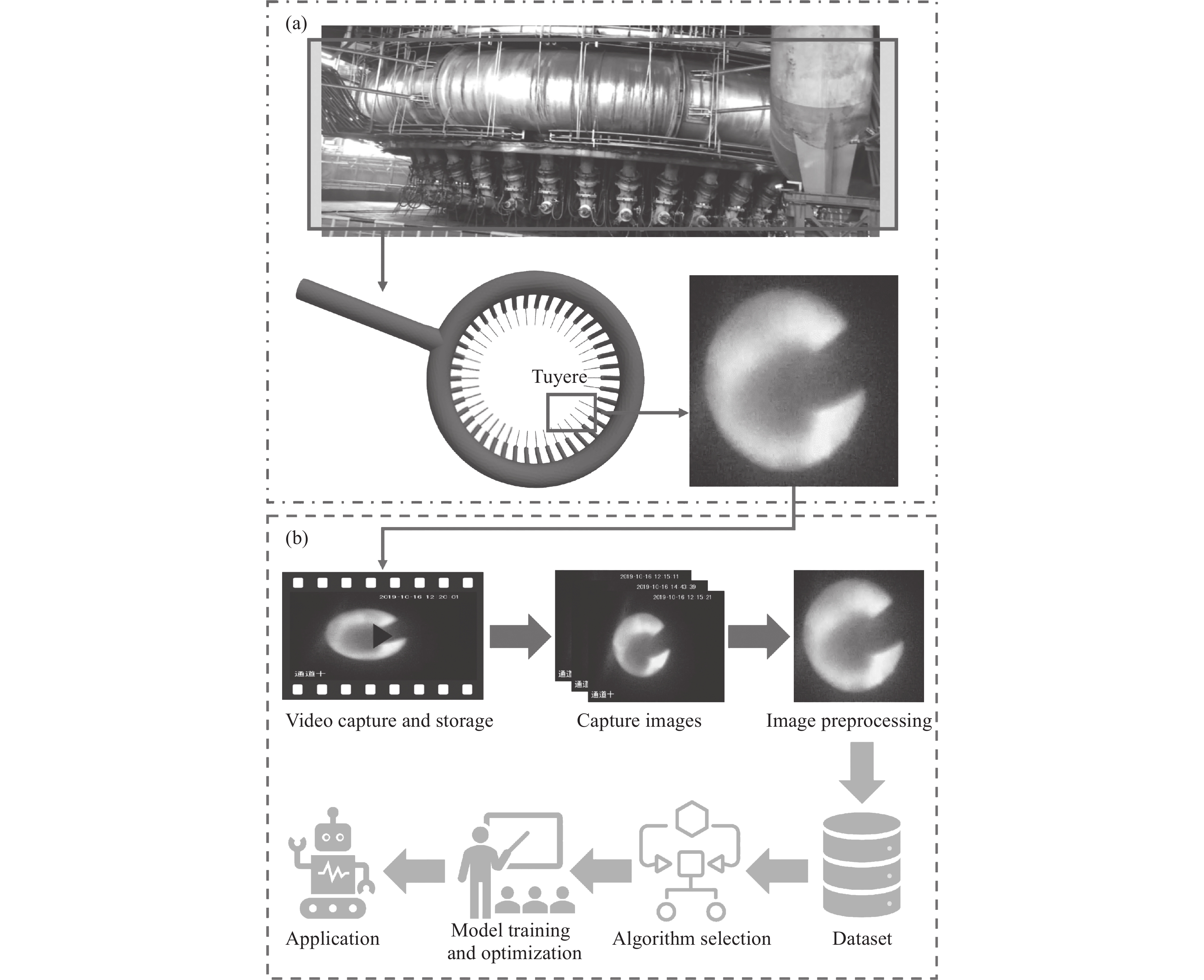
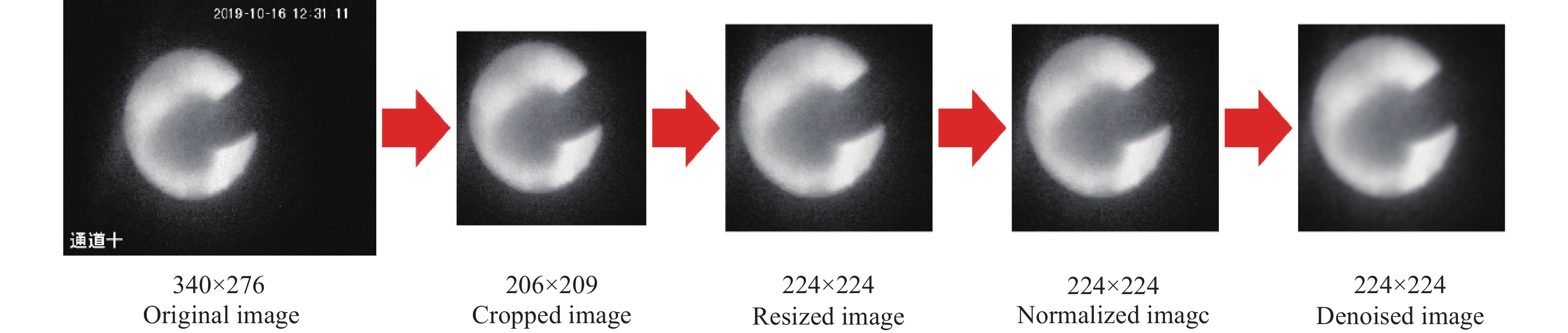
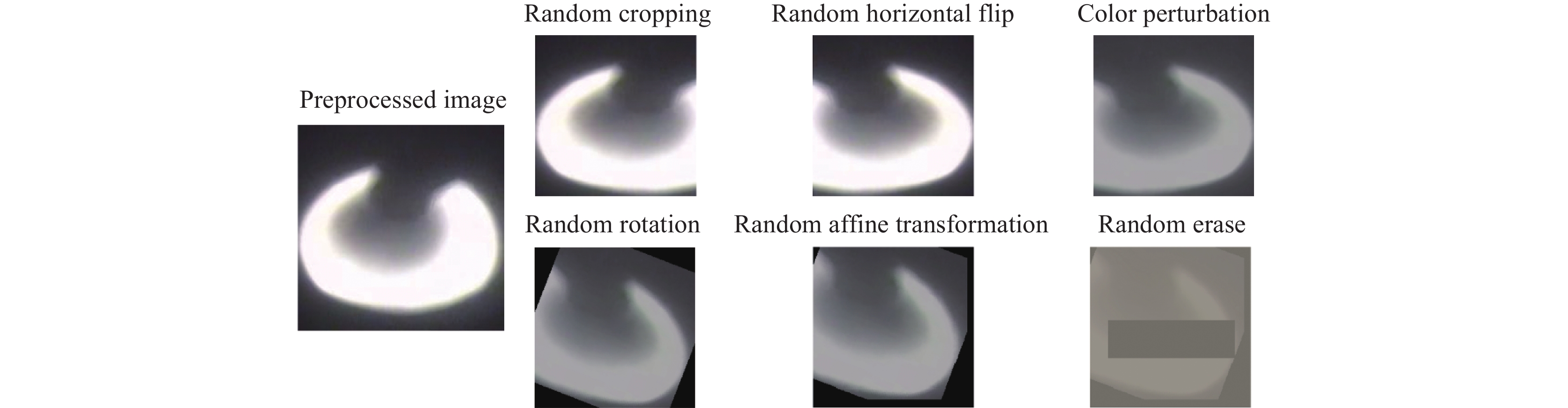
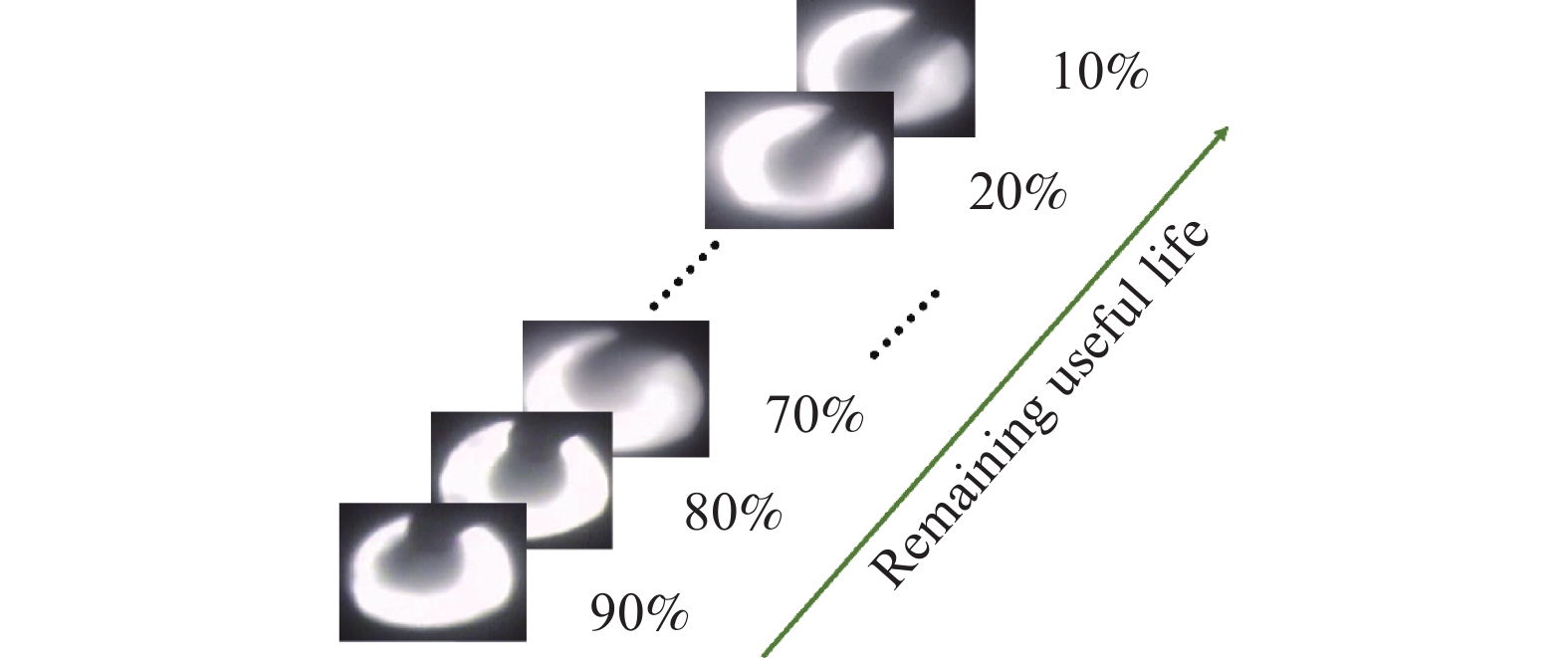
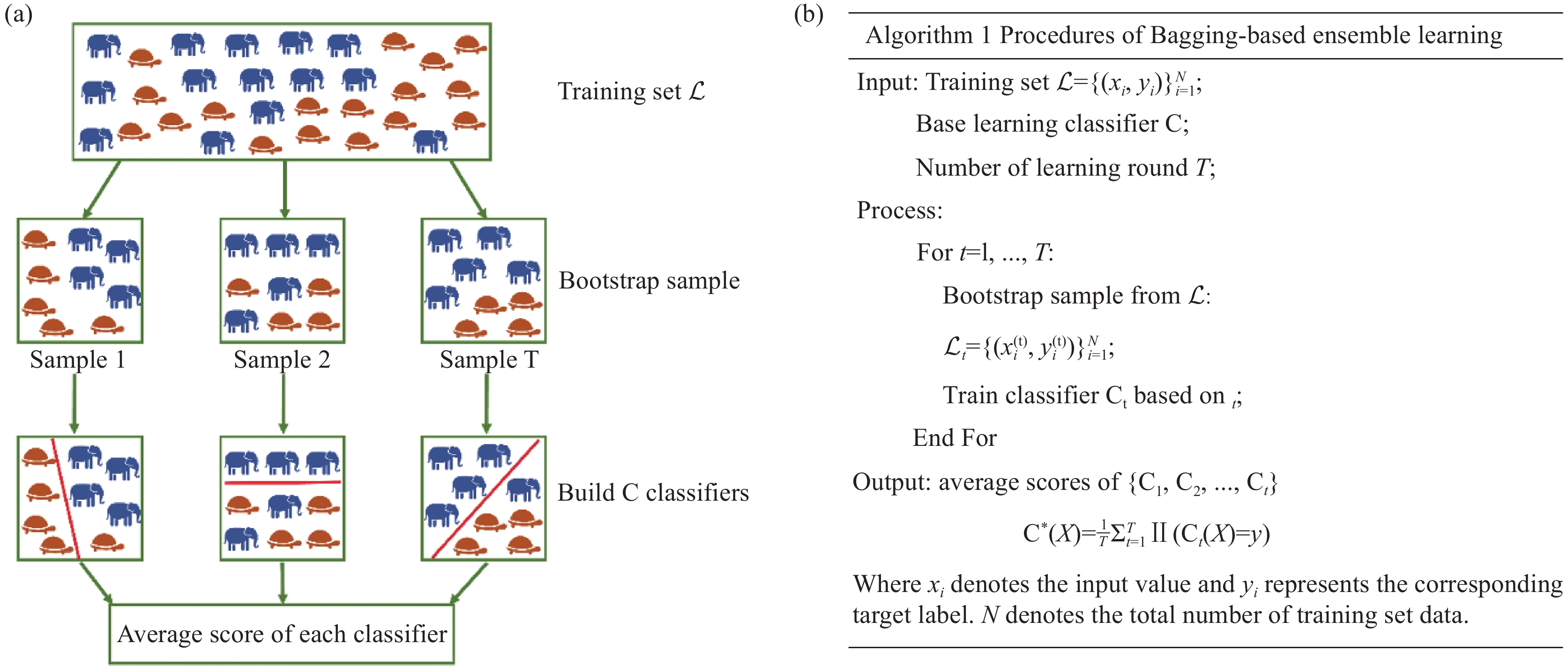
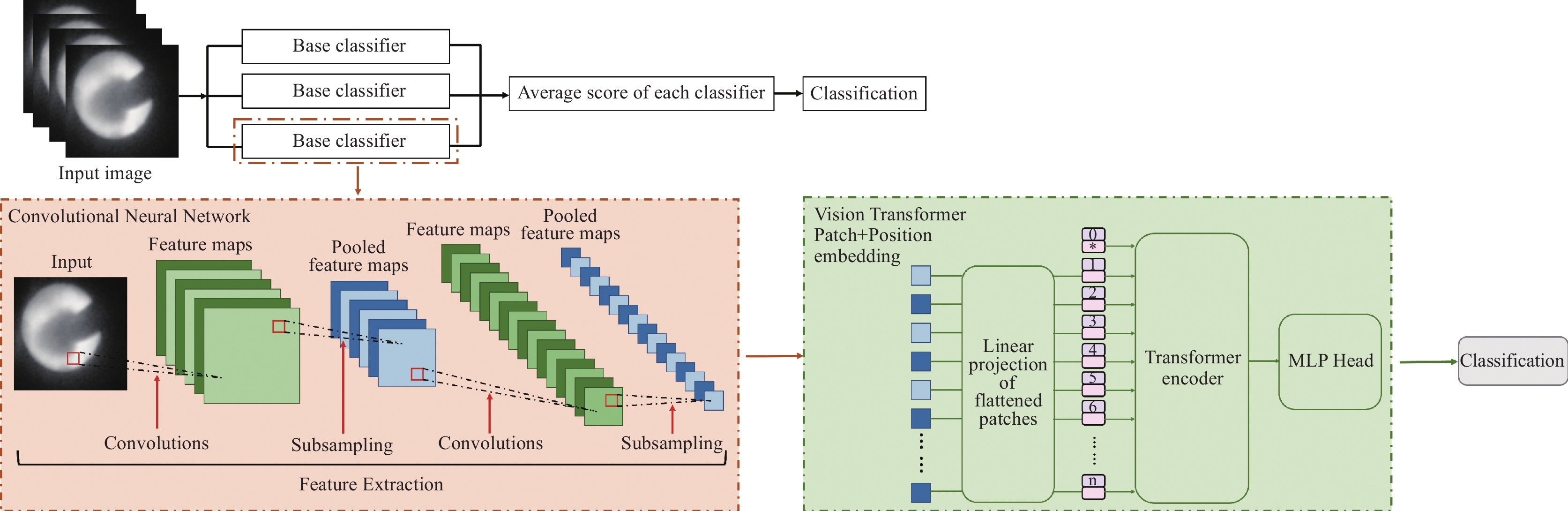
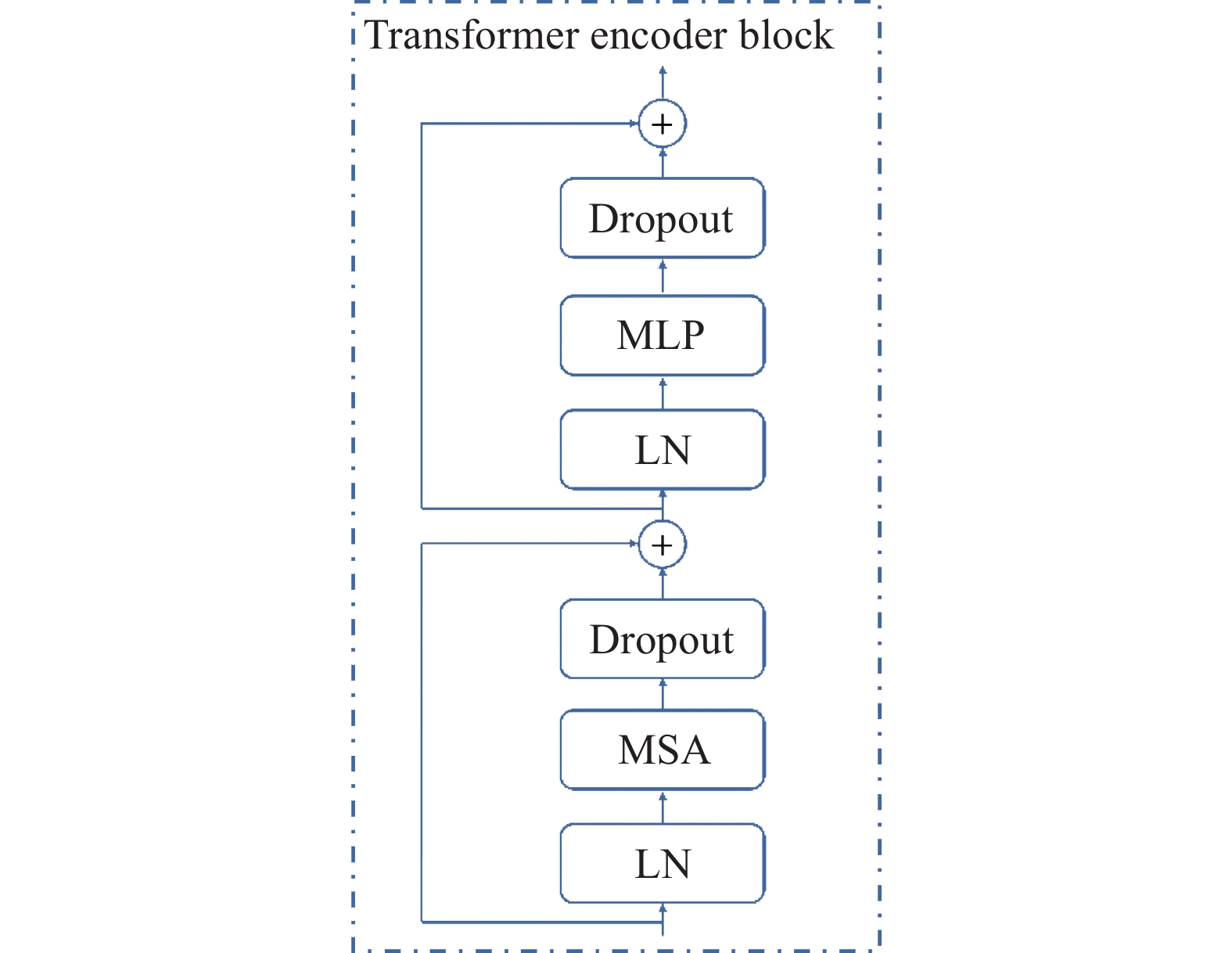
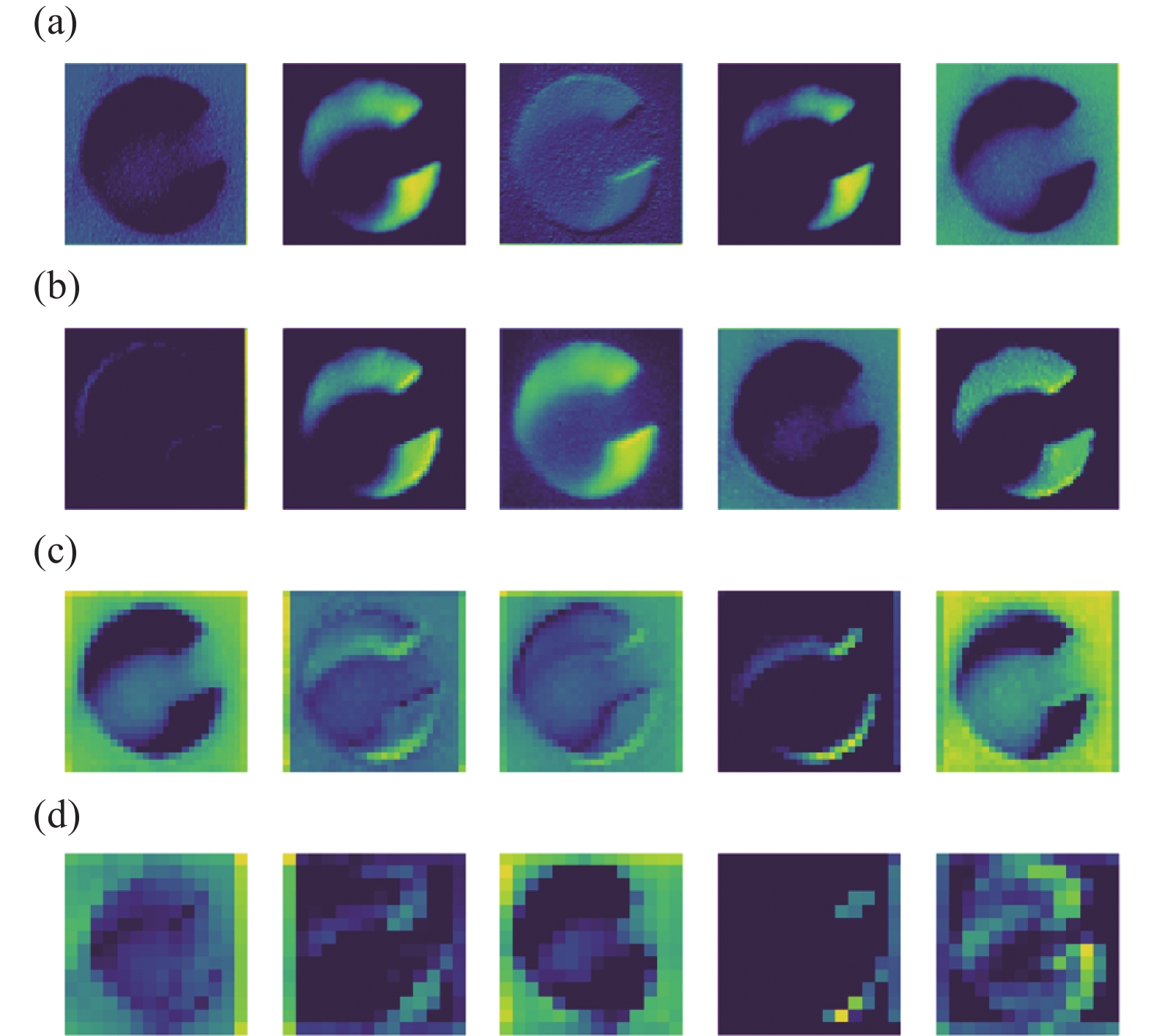
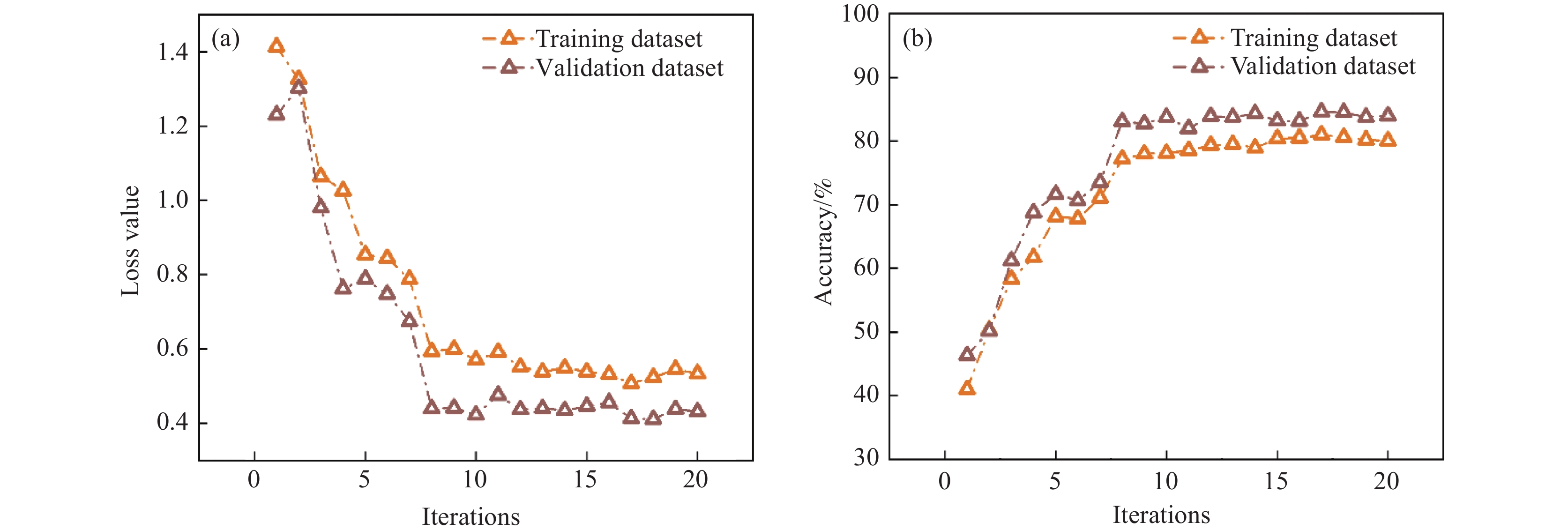
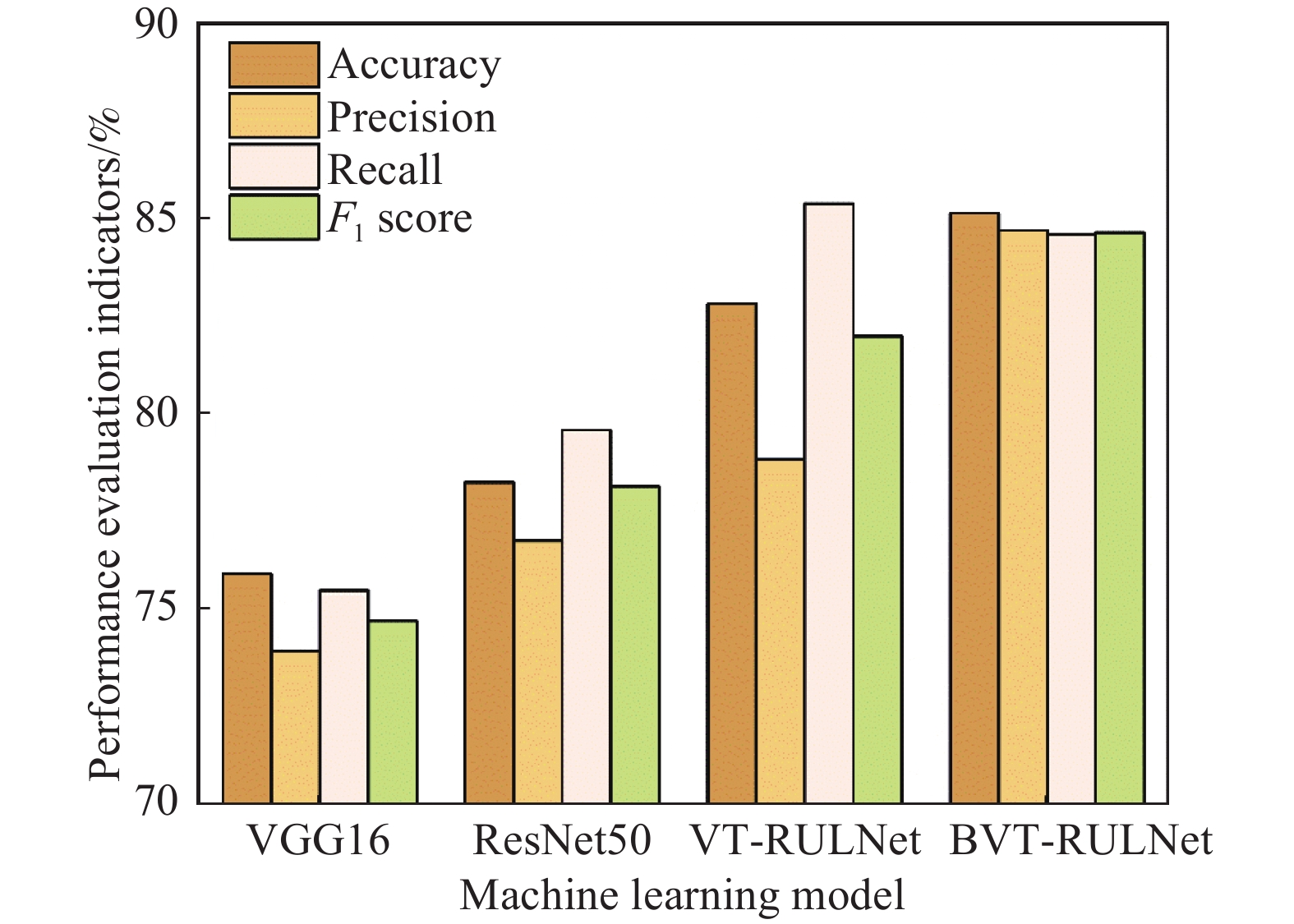
As the primary source of in-furnace heat, the condition detection of blast furnace tuyeres mainly relies on manual experience currently. This practice often leads to delayed replacement of damaged tuyeres and unnecessary shutdown maintenance. To address the above issues, this paper proposes a machine learning model named BVT-RULNet, specifically designed to predict the Remaining Useful Life (RUL) of tuyeres. The model employs an Ensemble Learning (EL) strategy that integrates three base classifiers with identical architectures. Each base classifier consists of a VGG16 Convolutional Neural Network (CNN) frontend and a Vision Transformer (ViT) module. During model training, a discrete RUL dataset constructed based on the images covering the complete life cycle of the tuyere was used, and an independent test dataset was used during the evaluation process. Results show that the model achieves excellent metrics on the test set, with accuracy, precision, recall, and F1 score reaching 85.14%, 84.70%, 84.59%, and 84.64%, respectively, all outperforming the comparison models. Therefore, BVT-RULNet model demonstrates high accuracy and strong generalization for tuyere RUL classification and prediction, providing an effective solution for intelligent monitoring of blast furnace tuyere condition.
Numerical simulation of continuous solidification process for blast furnace slag droplets
FENG Pengbo, LOU Guofeng, WU Xinchen, XIAO Yongli
2025, 46(5): 23-32. doi: 10.7513/j.issn.1004-7638.2025.05.003
Abstract(34) HTML (15) PDF(9)
Abstract:
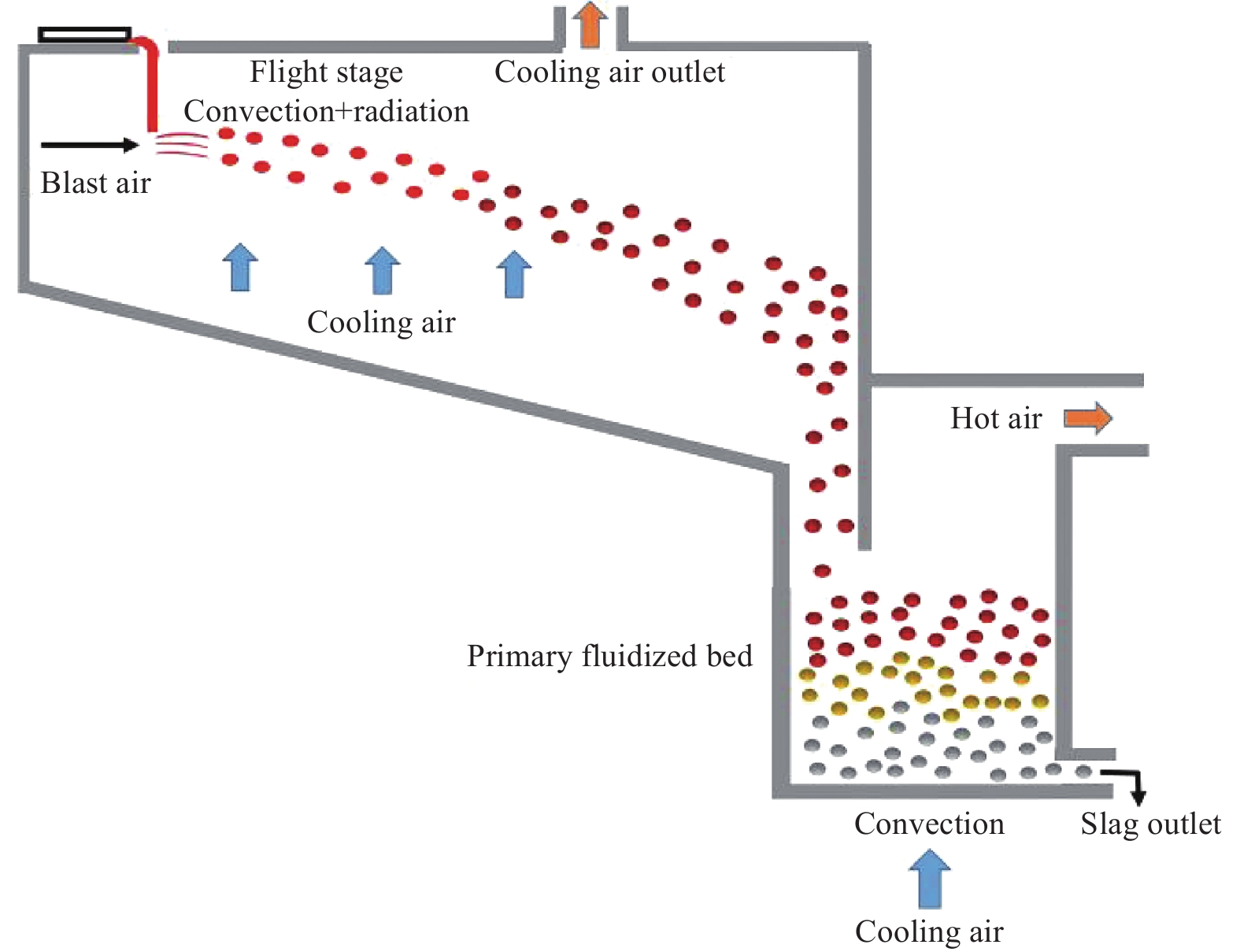
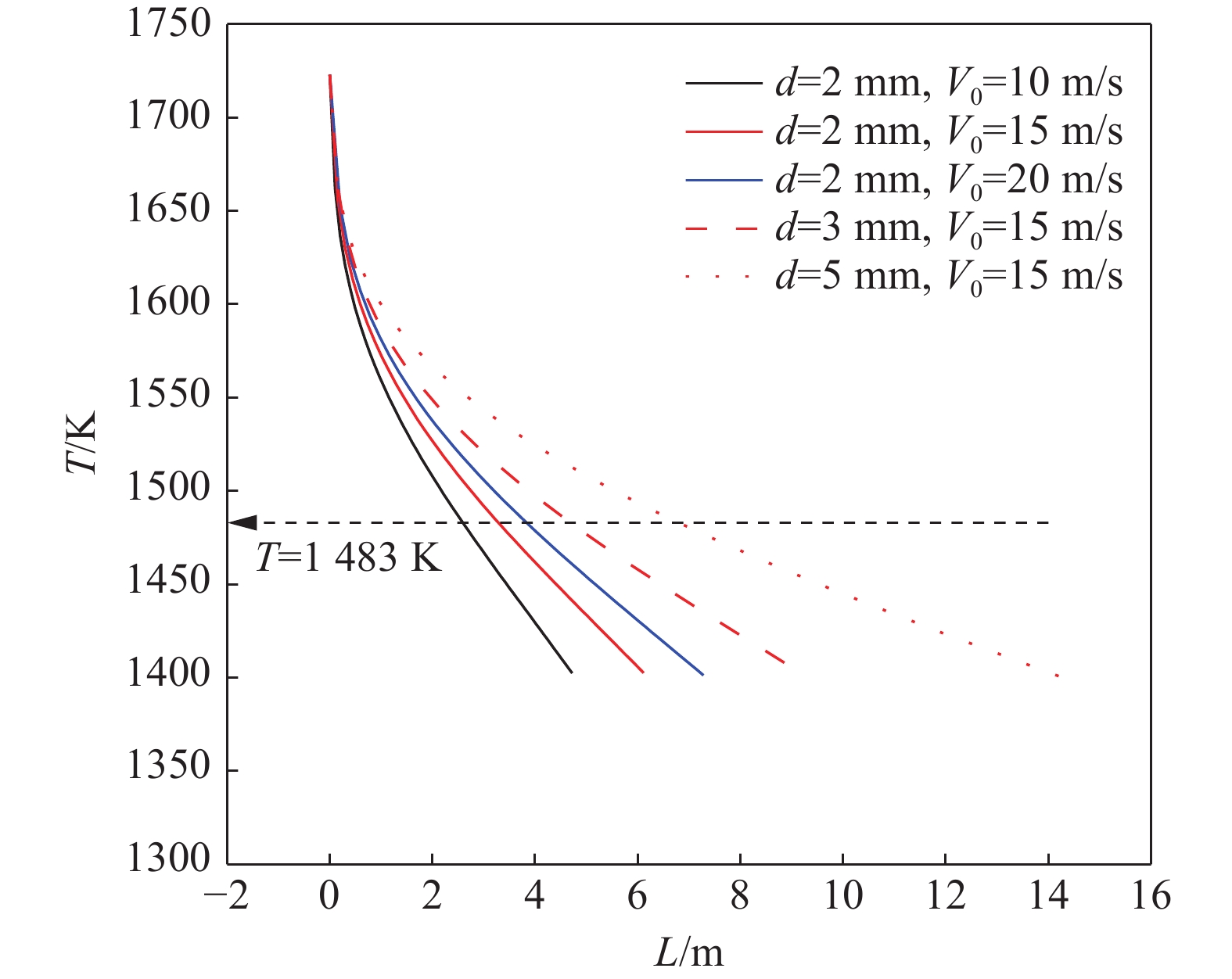
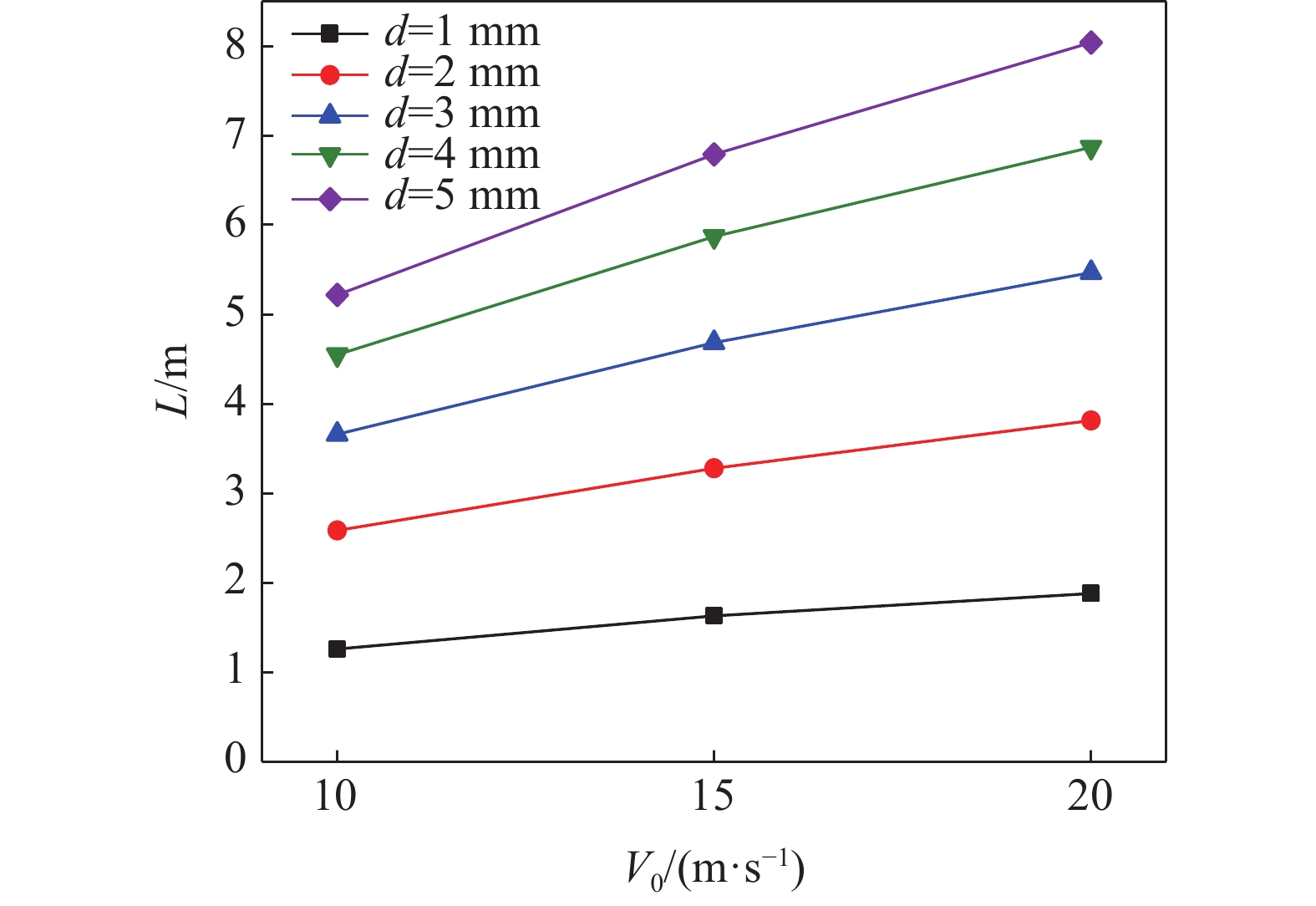
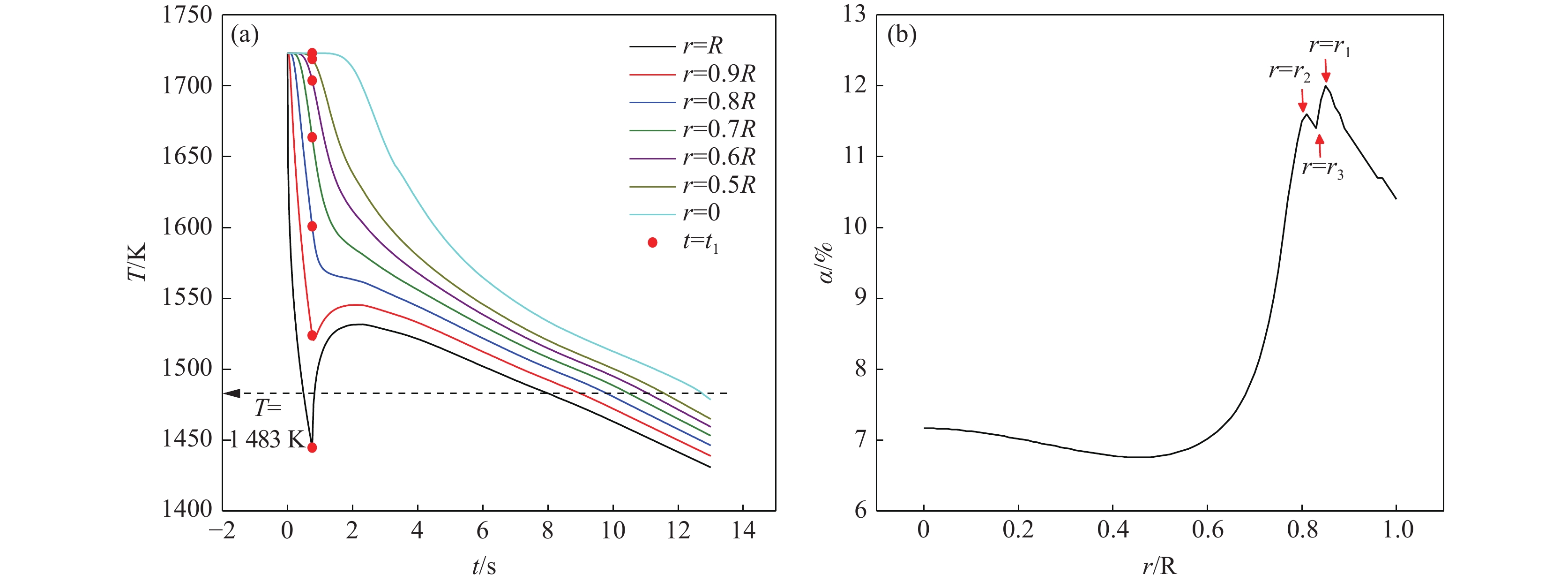
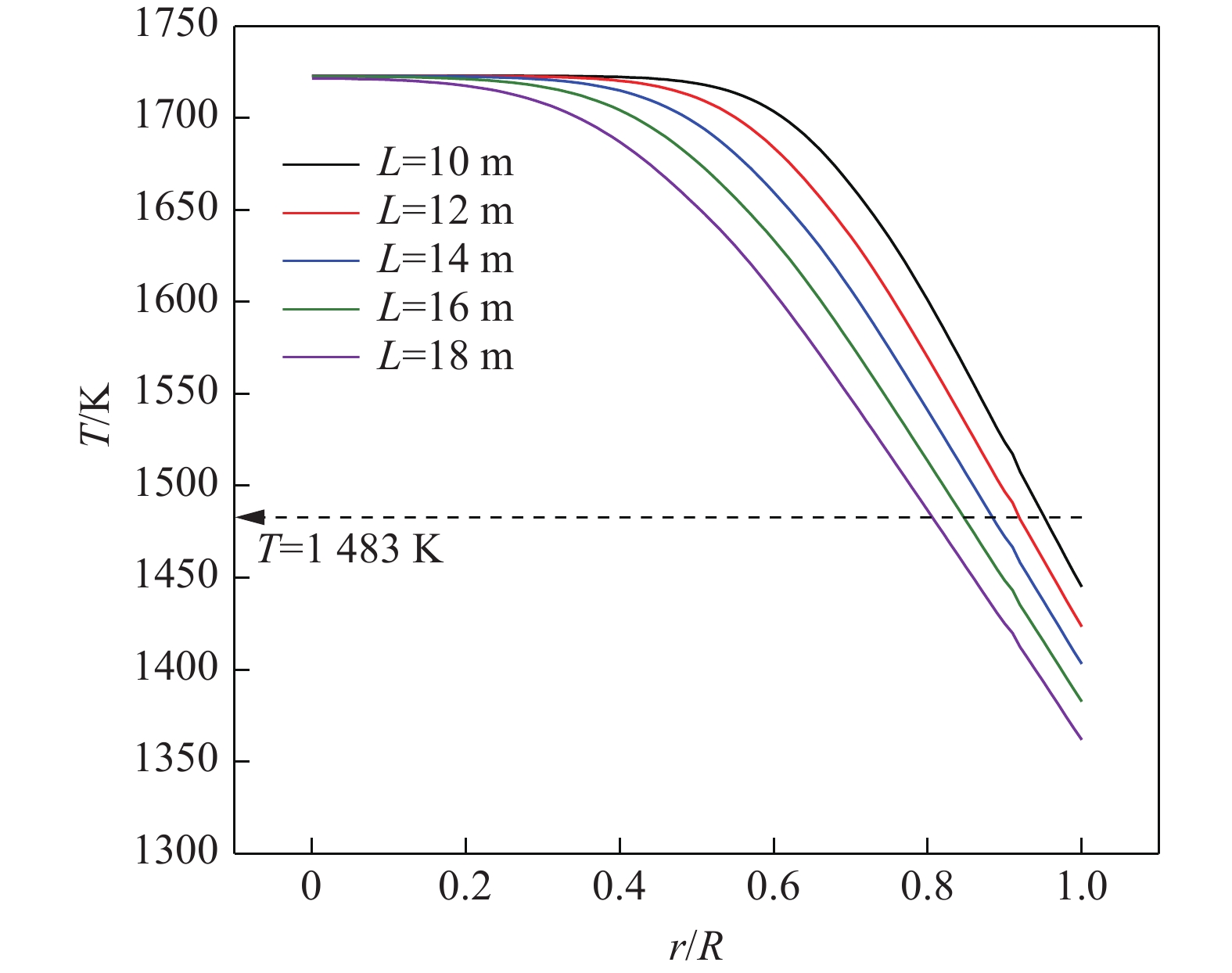
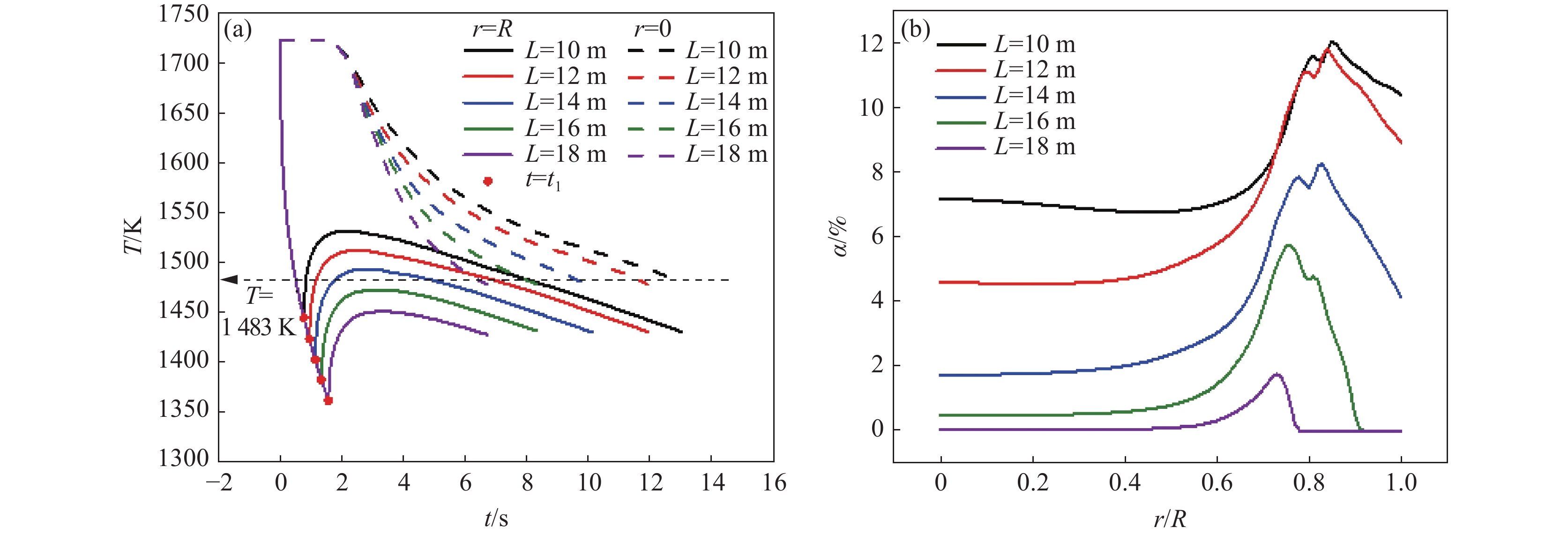
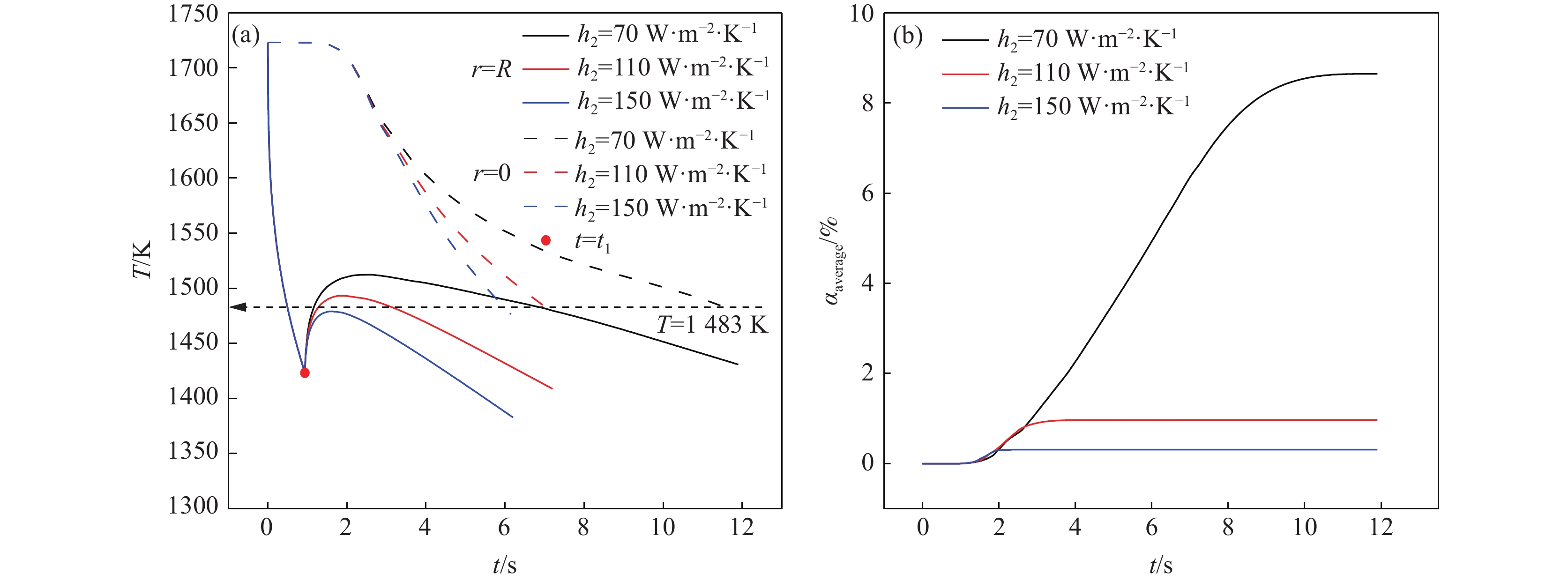
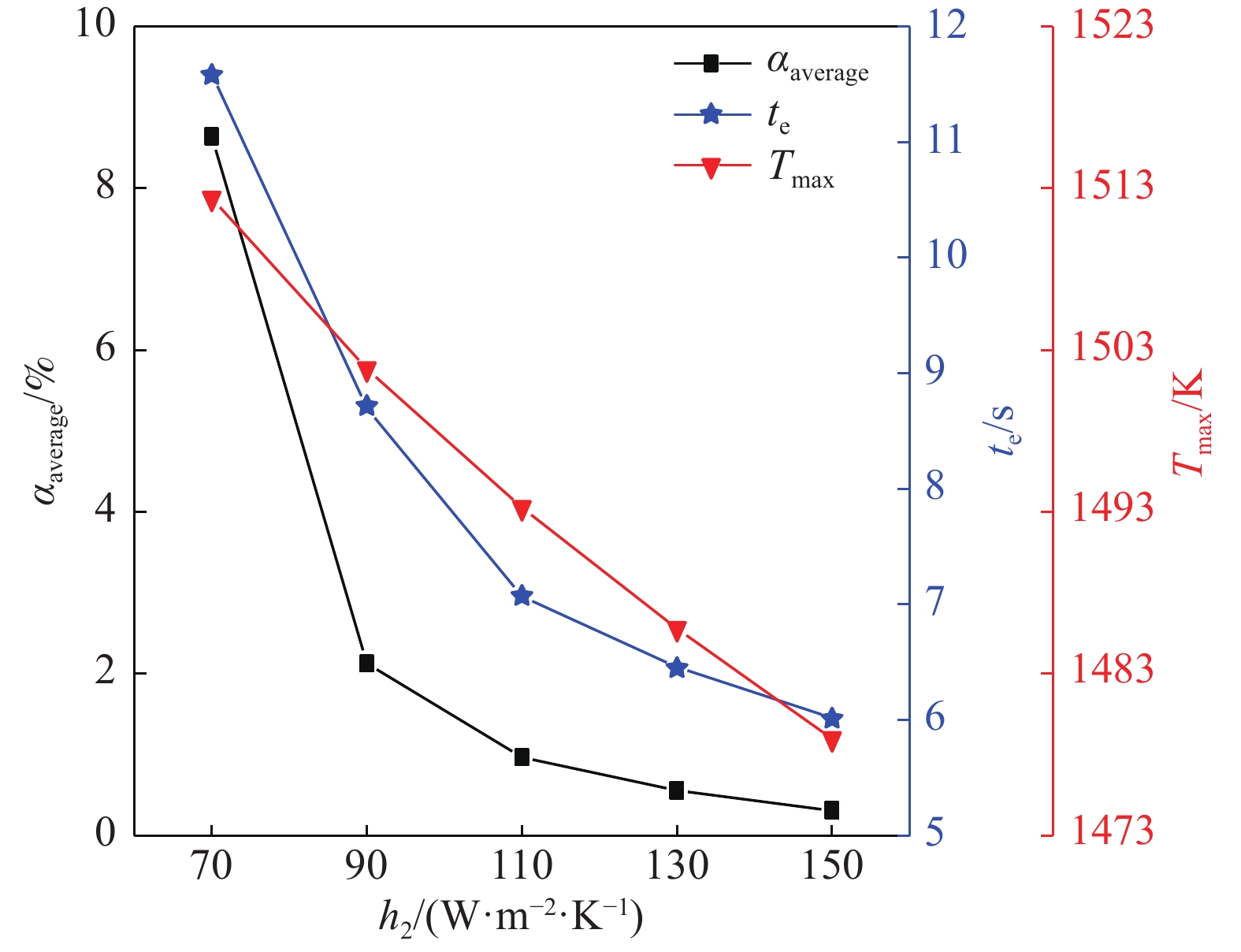
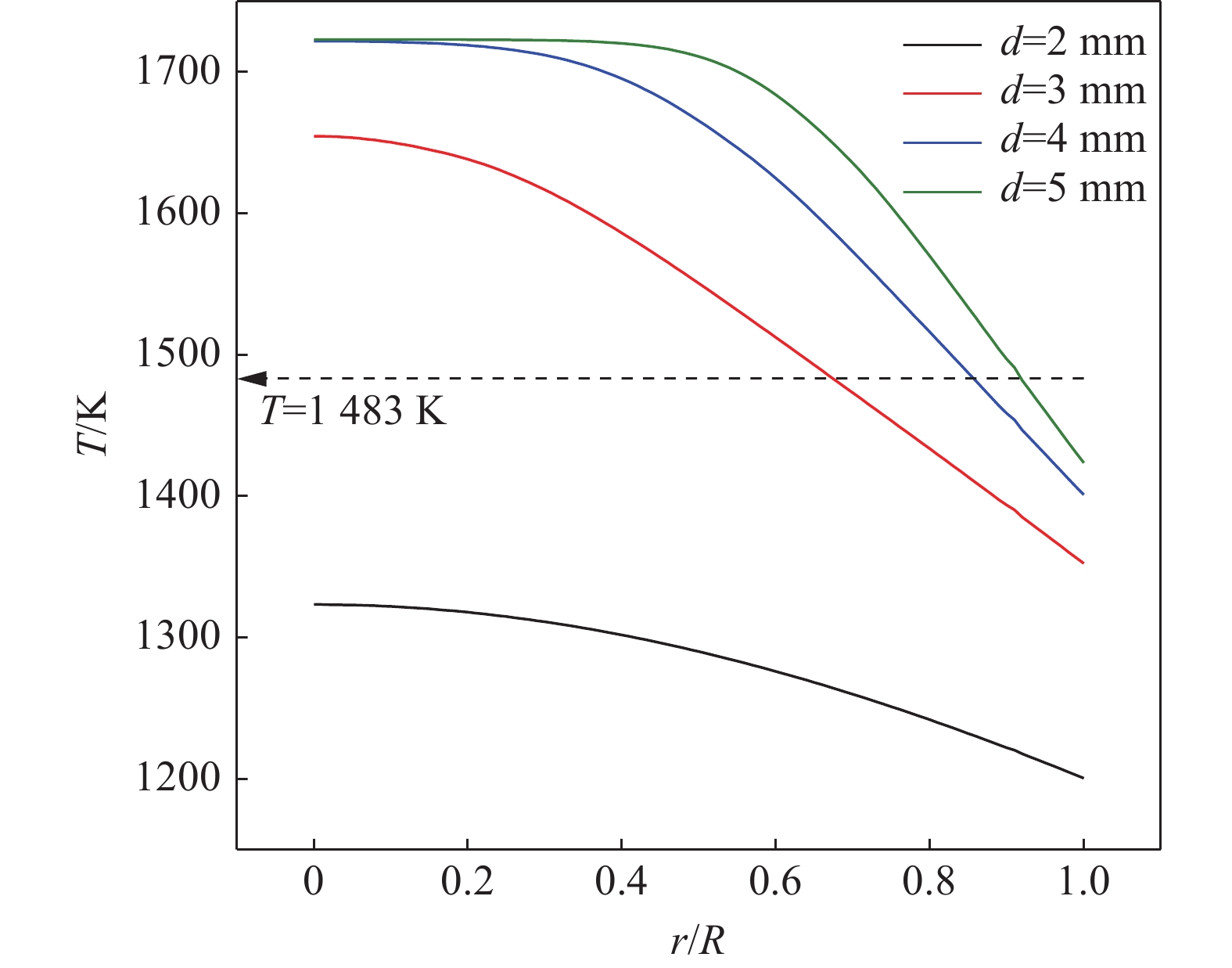
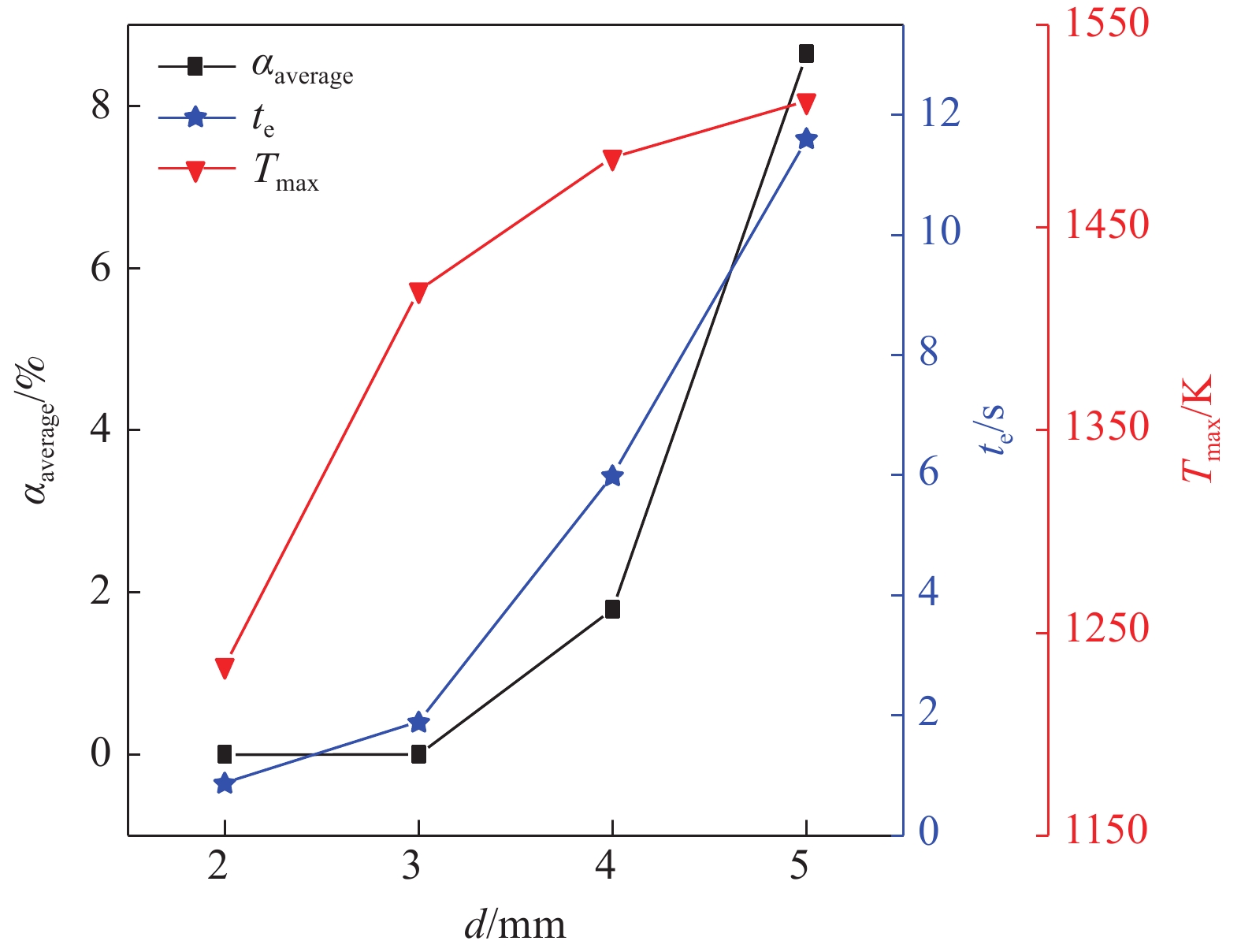
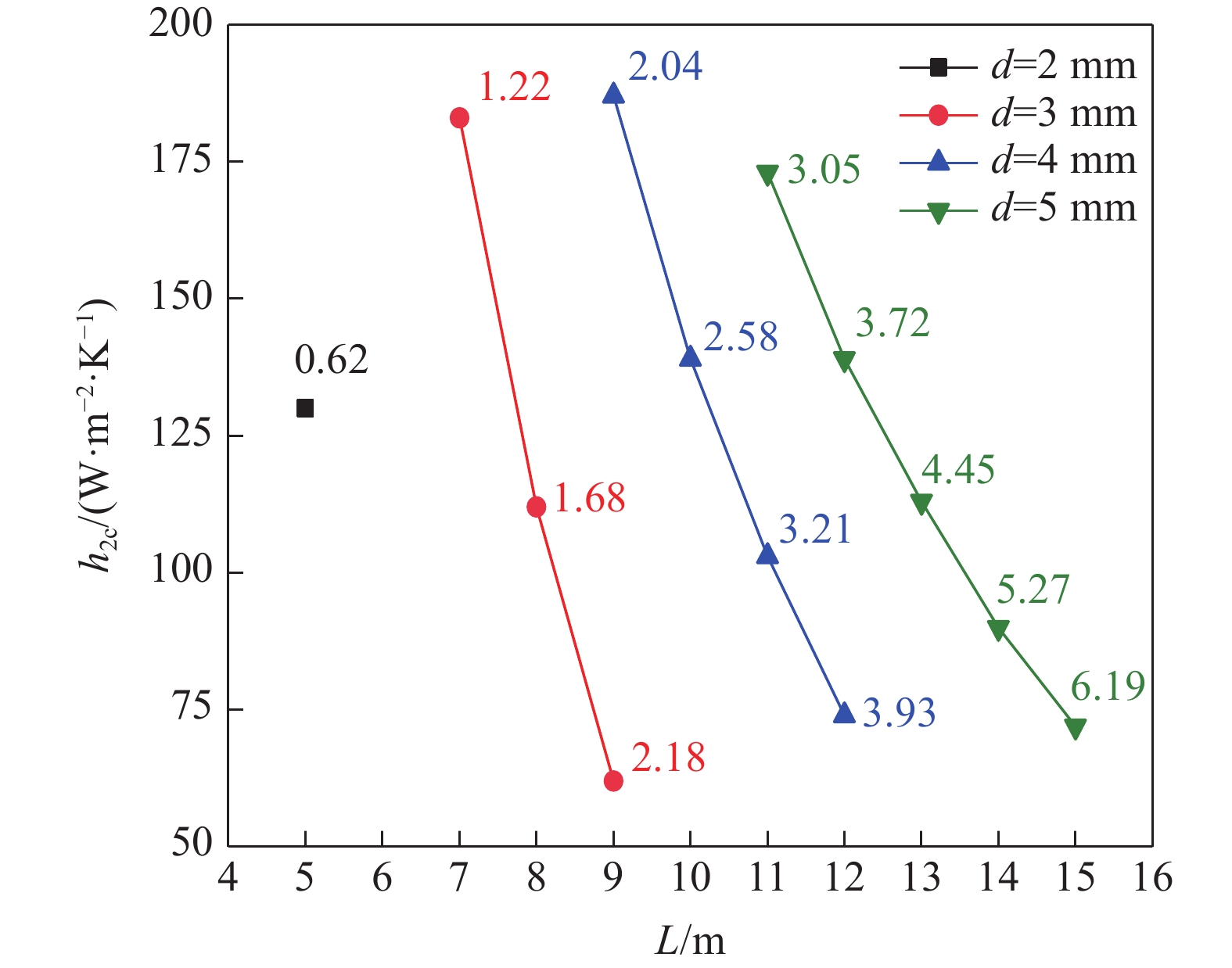
The crystallization behavior of granulated blast furnace slag droplets during cooling reduces their commercial value. In order to investigate the solidification characteristics of droplets under varying cooling conditions, a numerical simulation of the continuous solidification process was performed by integrating a droplet flight model with an enthalpy-based slag crystallization model. The results show that an increase in droplet size leads to a significant increase in the distance required for surface crust formation, and also results in an increase in the average crystalline phase content after cooling. Droplet size becomes a key factor governing solidification behavior and crystalline phase growth by influencing internal heat conduction rates and cooling uniformity. A 5-mm molten droplet at 15 m/s initial velocity requires 16 m horizontal flight to avoid remelting during cooling; increasing the primary fluidized bed convective heat transfer coefficient from 70 W·m−2·K−1 to 150 W·m−2·K−1 shortens this distance to 12 m. Two-stage molten droplet cooling must be matched: extending flight distance during surface crust formation reduces bed cooling intensity requirements, while increasing bed cooling intensity decreases granulation device size.
Development and prospect of digital twin technology in vanadium-titanium ore-based iron and steel production process
LIU Weitao, LIU Gongguo, LIU Shuhan, SUN Wenqiang
2025, 46(5): 33-45. doi: 10.7513/j.issn.1004-7638.2025.05.004
Abstract(40) HTML (15) PDF(9)
Abstract:
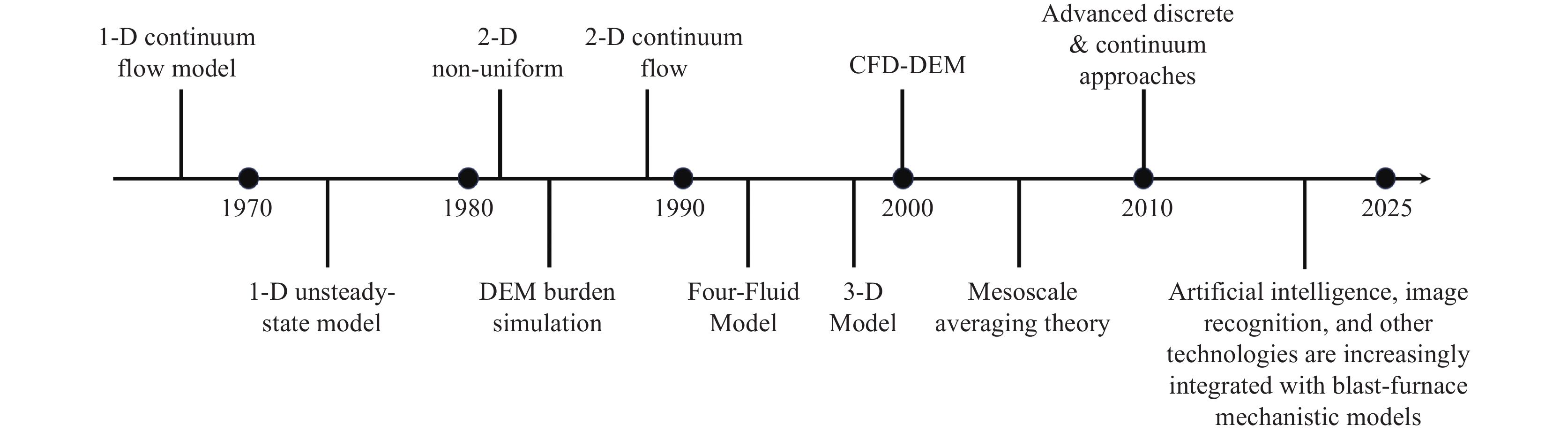
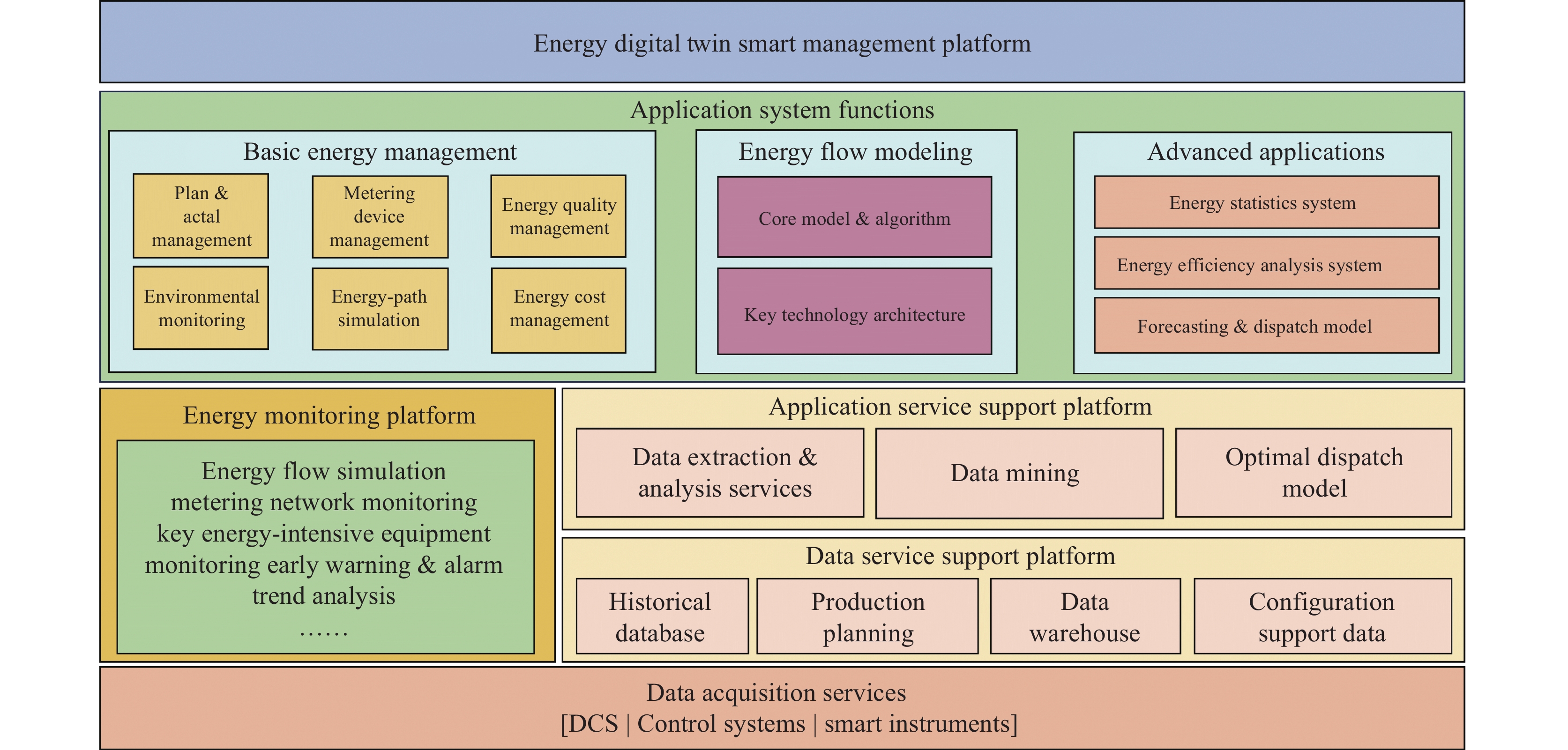
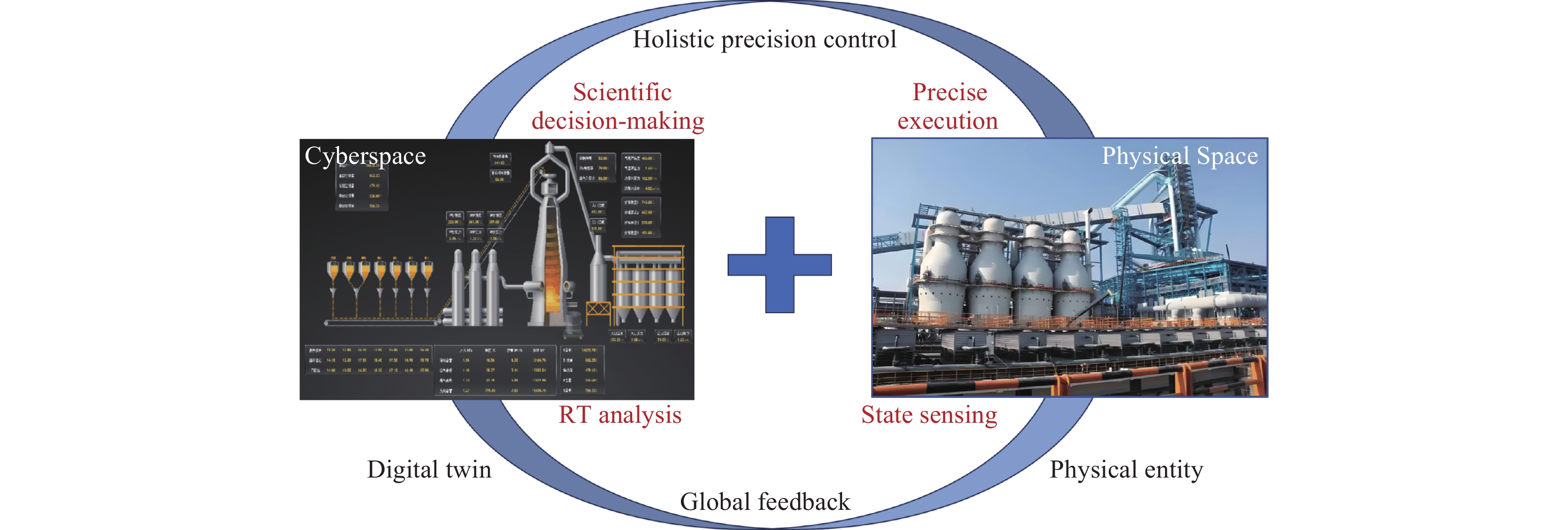
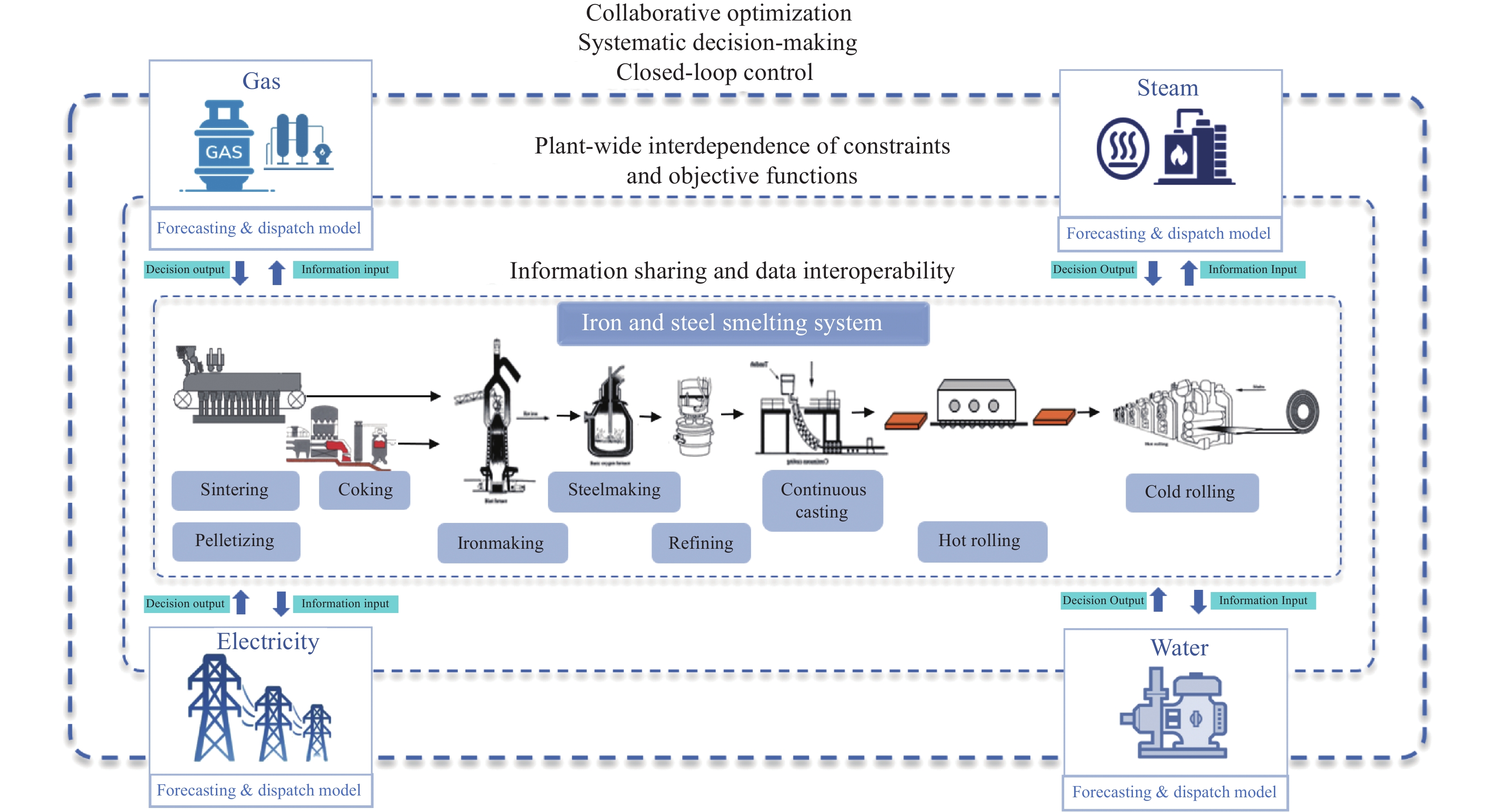
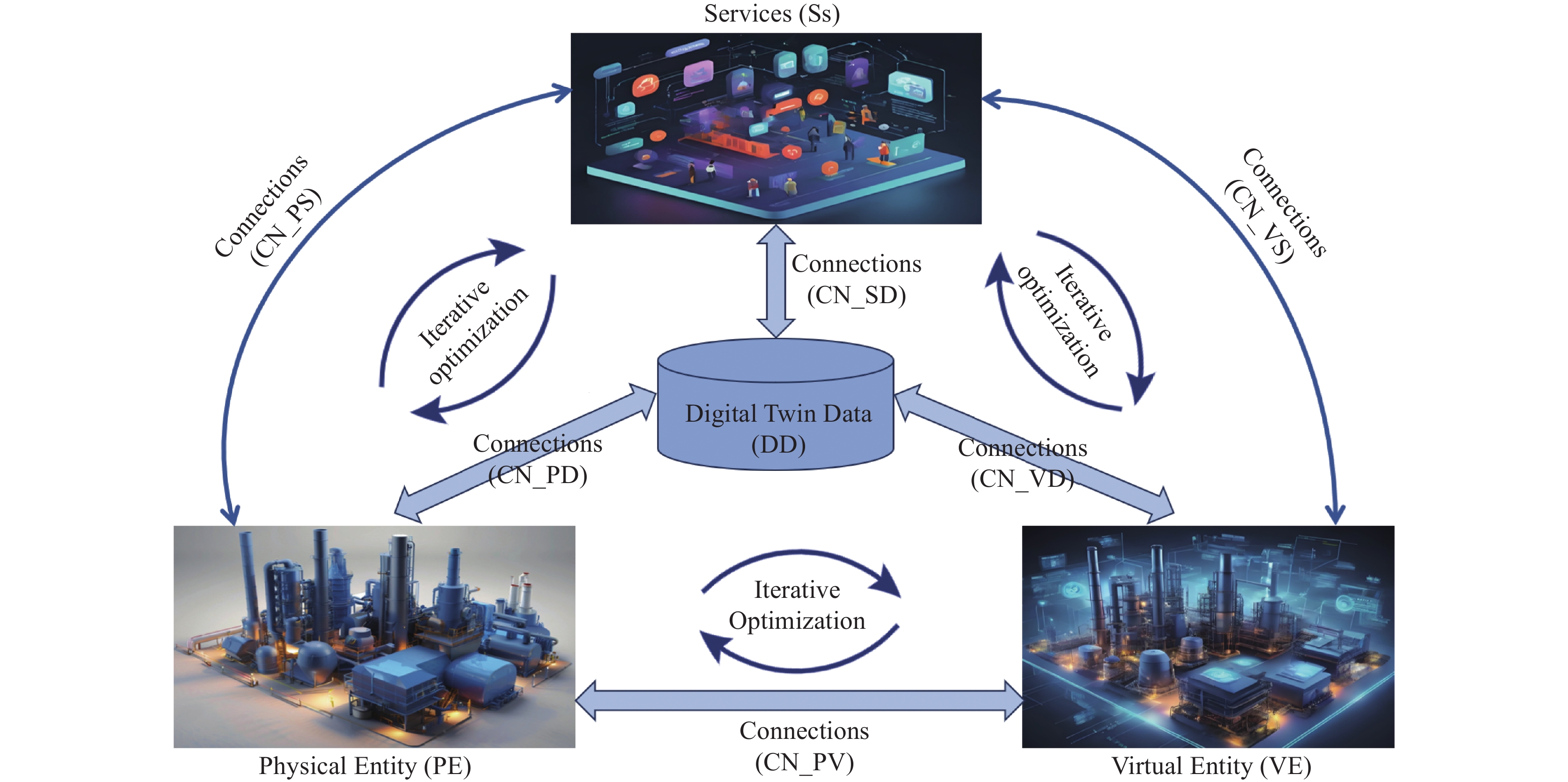
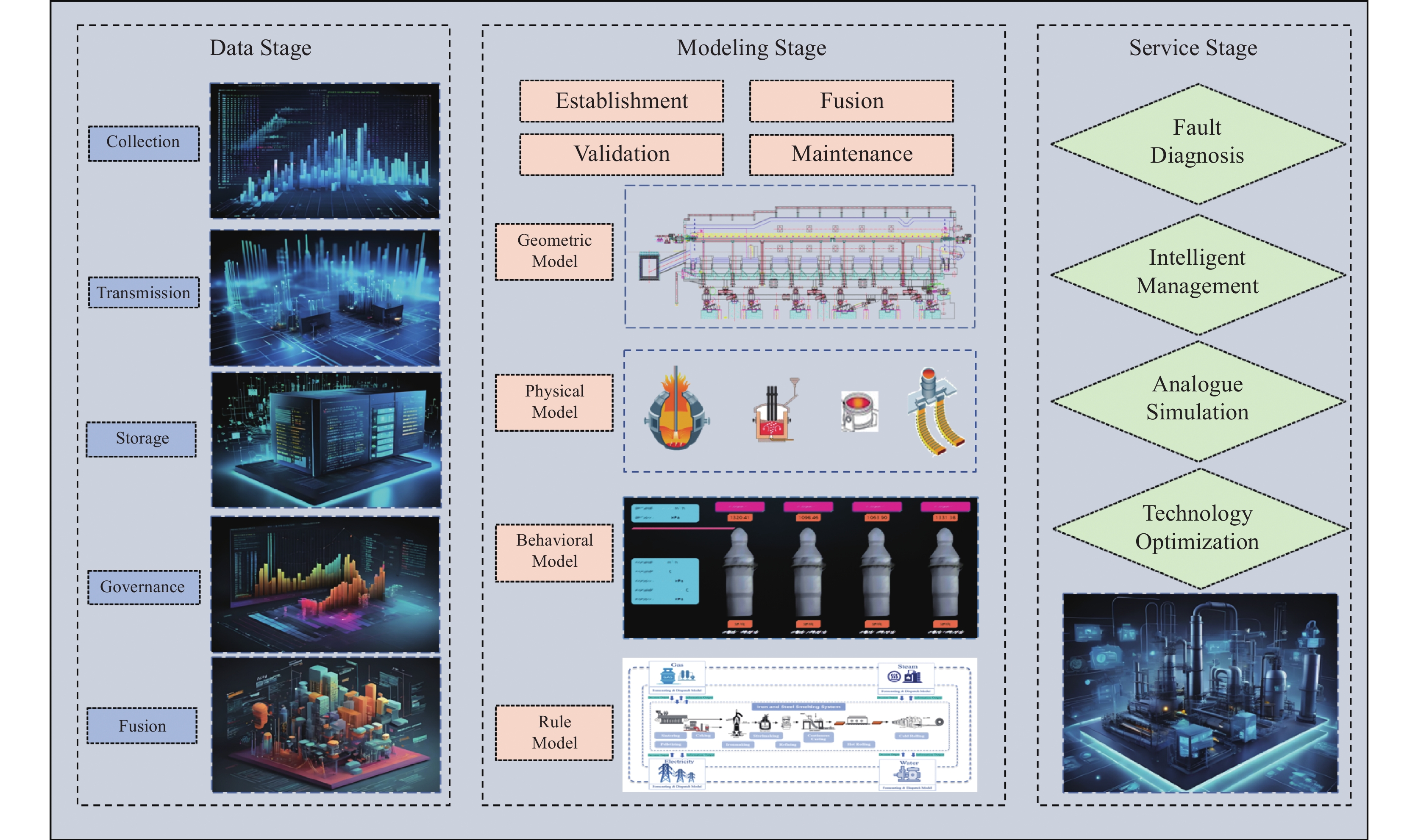
Vanadium-titanium magnetite, as a strategic resource, its efficient smelting is of vital importance to China's steel industry. During the smelting process of vanadium-titanium magnetite, problems such as low recovery rate of titanium in the ore, insufficient intelligence of the process flow, high difficulty in optimizing blast furnace smelting technology, and lack of comprehensive energy intelligent management are faced, which affect its product upgrading and capacity improvement. Digital twin technology can help achieve process optimization, equipment research and development, and intelligent control throughout the entire production process of vanadium-titanium ore steel by building an intelligent system that integrates the virtual and the real. At present, the relevant research is still in the exploratory stage, with few research achievements and a lack of systematicness. For this purpose, the connotation and development history of digital twins were introduced. The research hotspots of digital twins in the production process of vanadium-titanium ore steel were systematically sorted out. The relevant research results and engineering practices were summarized, and the future development trends of digital twin technology were prospected, providing research ideas for subsequent researchers to promote the application of digital twin technology and enhance the utilization of characteristic vanadium-titanium resources and the intelligent manufacturing level of steel in China.
A feature selection method for desulfurizer addition prediction based on importance measure
ZHAO Haijie, DAN Binbin, LIU Yang, REN Zeyu, DU Liping, ZHOU Chun
2025, 46(5): 46-53, 64. doi: 10.7513/j.issn.1004-7638.2025.05.005
Abstract(27) HTML (11) PDF(6)
Abstract:
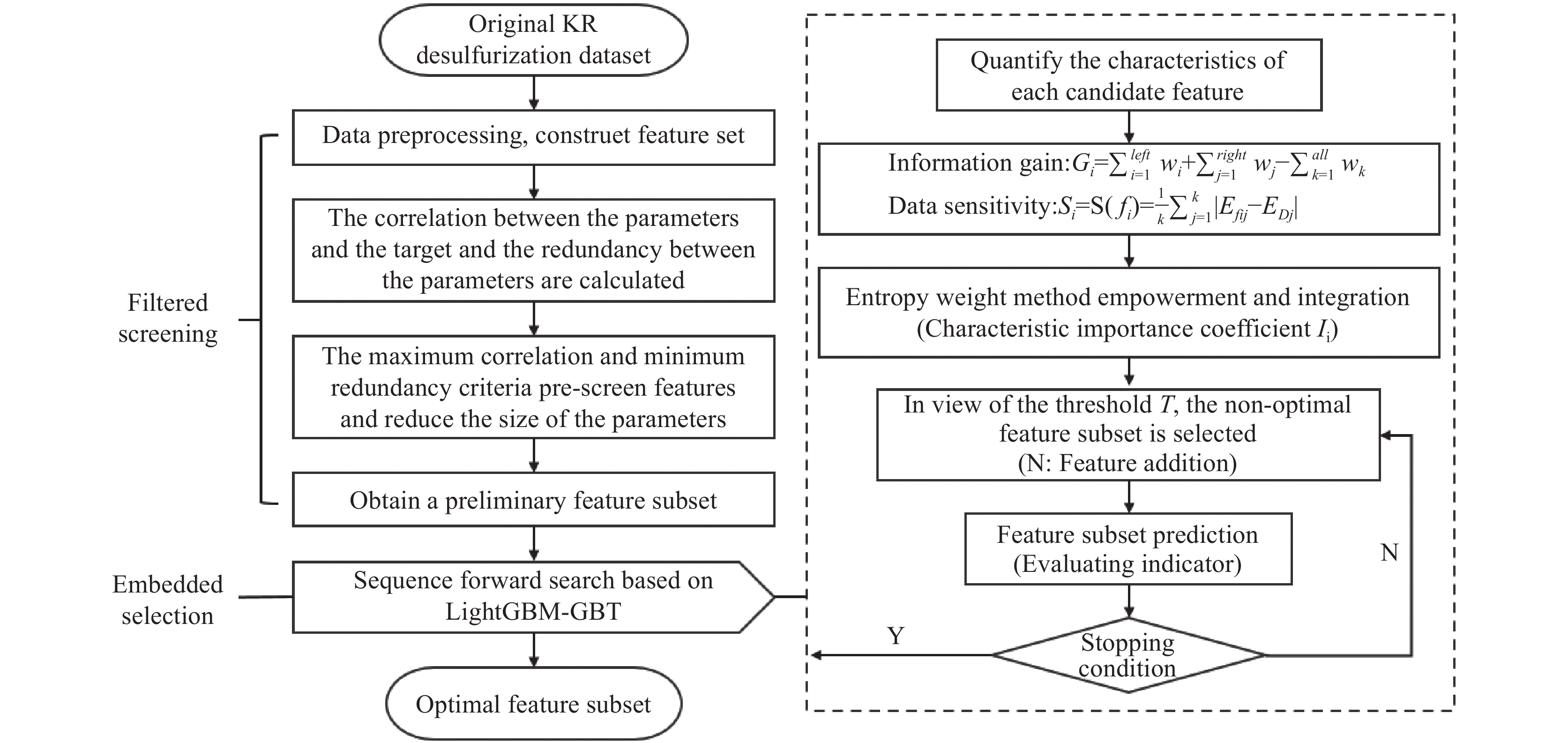
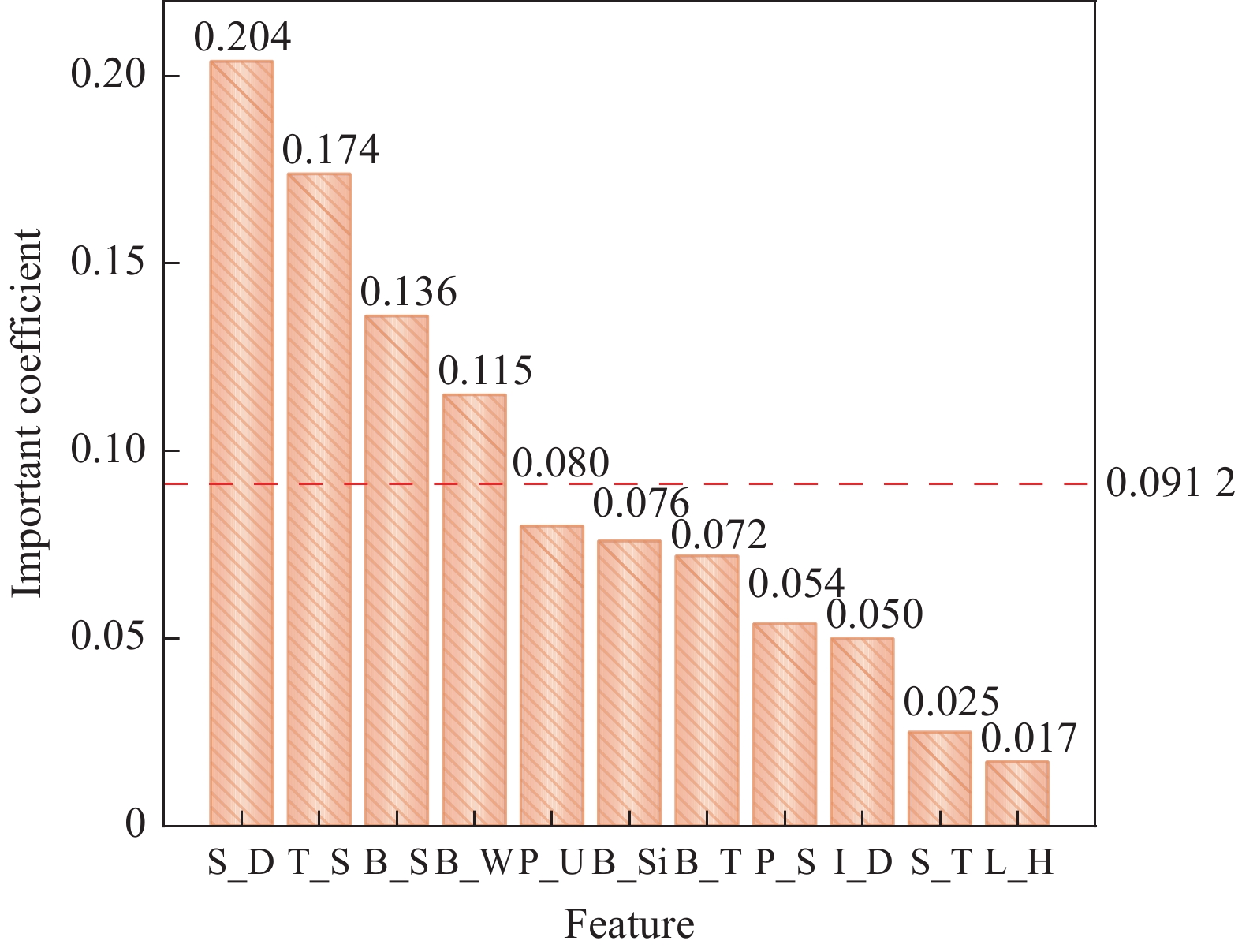
Aiming at the problems of high parameter dimension, strong feature redundancy and weak correlation between target variables and features in hot metal KR desulfurization production process, an integrated feature selection method IMFS (Feature selection based on importance measure) based on importance measure is proposed. In the filtering pre-screening stage, the maximal mutual information coefficient ( MIC ) is used to measure the correlation between each parameter and the target variable, as well as the redundancy among each parameter, and the scale of candidate parameters is reduced according to the maximum relevance and minimal redundancy criteria. In the embedded selection stage, the LightGBM algorithm is introduced as the supporting model for quantifying information contribution and data sensitivity, and the entropy weight method is used to weight and fuse the dual measurement results. Finally, according to the feature importance coefficient, the feature subset is optimized by combining the GBT sequential forward search strategy. The experimental results show that compared with other methods, IMFS has significant advantages in eliminating redundant features and improving prediction accuracy, and can effectively balance the number of features and prediction accuracy.
Numerical simulation of the influence of vertical traveling wave magnetic field on the behavior of molten steel flow and steel slag interface fluctuation in a continuous casting slab mold
XU Lin, PEI Qunwu, GAO Jing
2025, 46(5): 54-64. doi: 10.7513/j.issn.1004-7638.2025.05.006
Abstract(24) HTML (8) PDF(6)
Abstract:
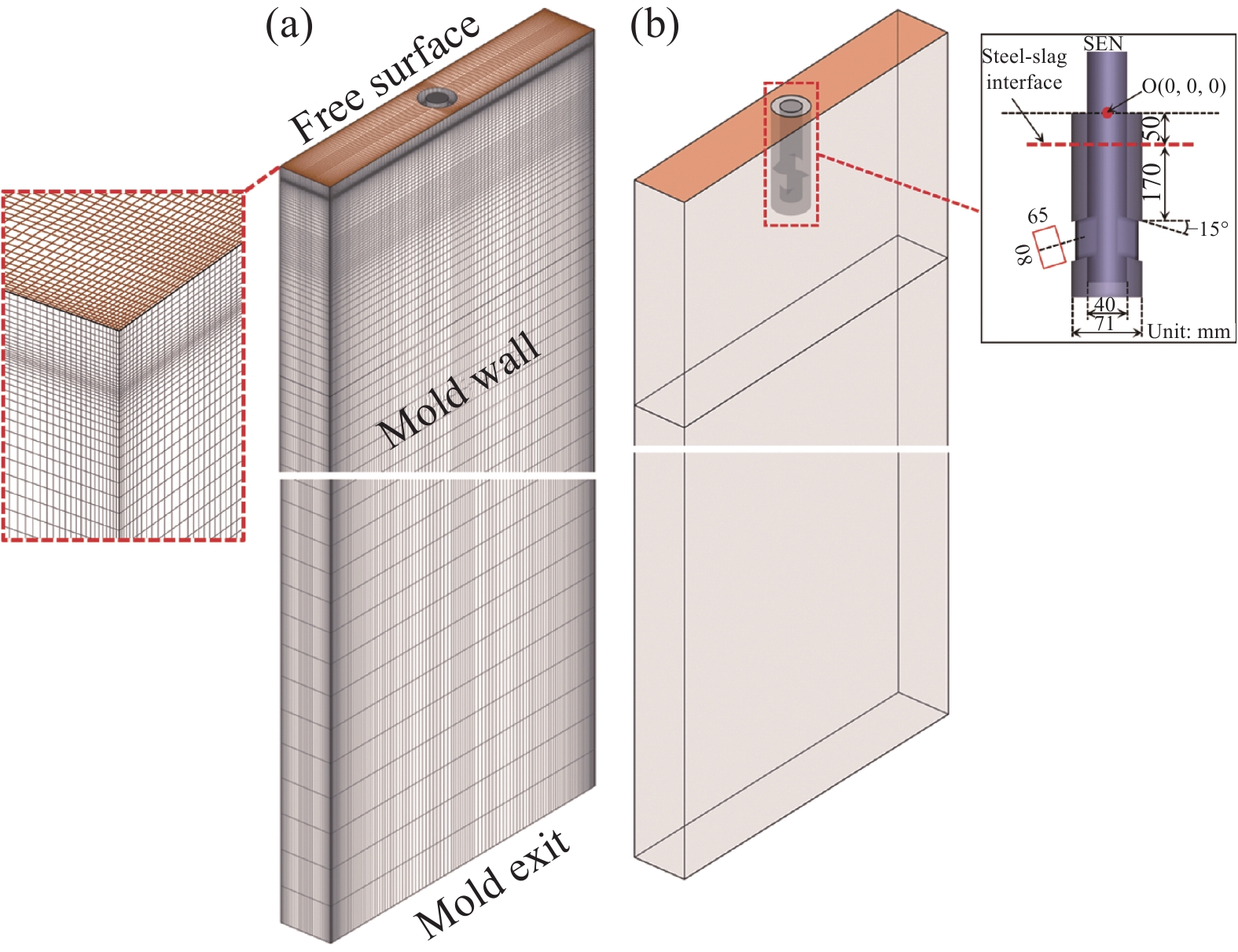
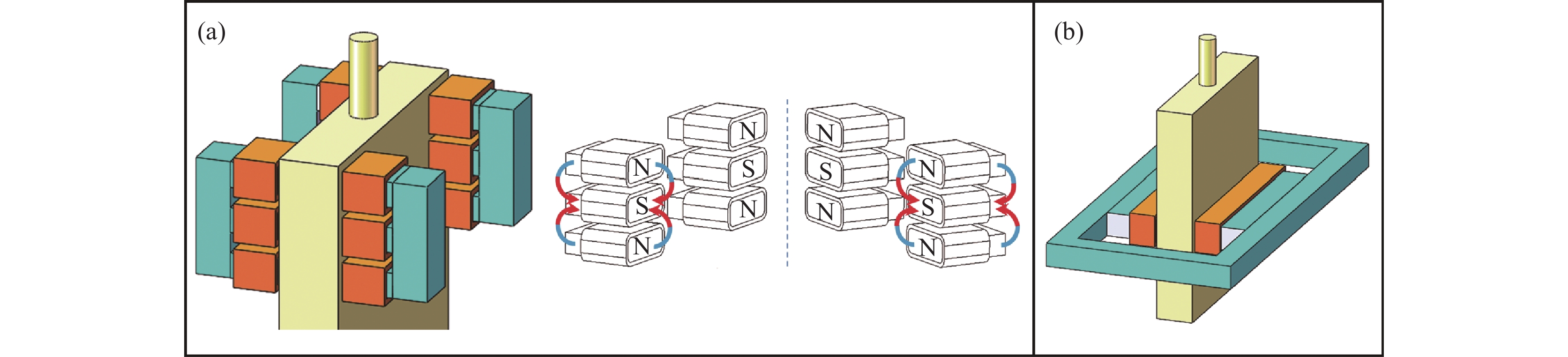
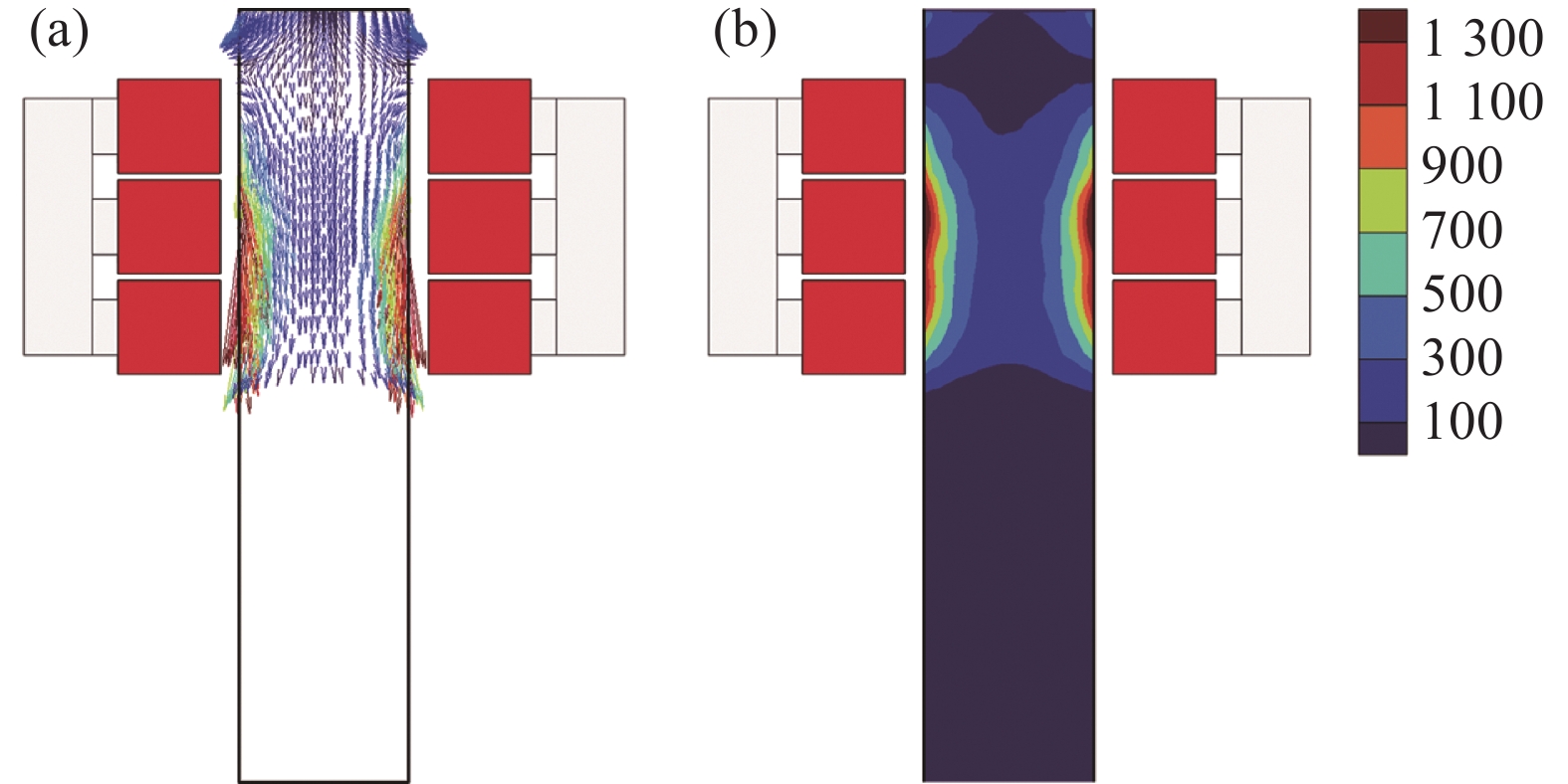
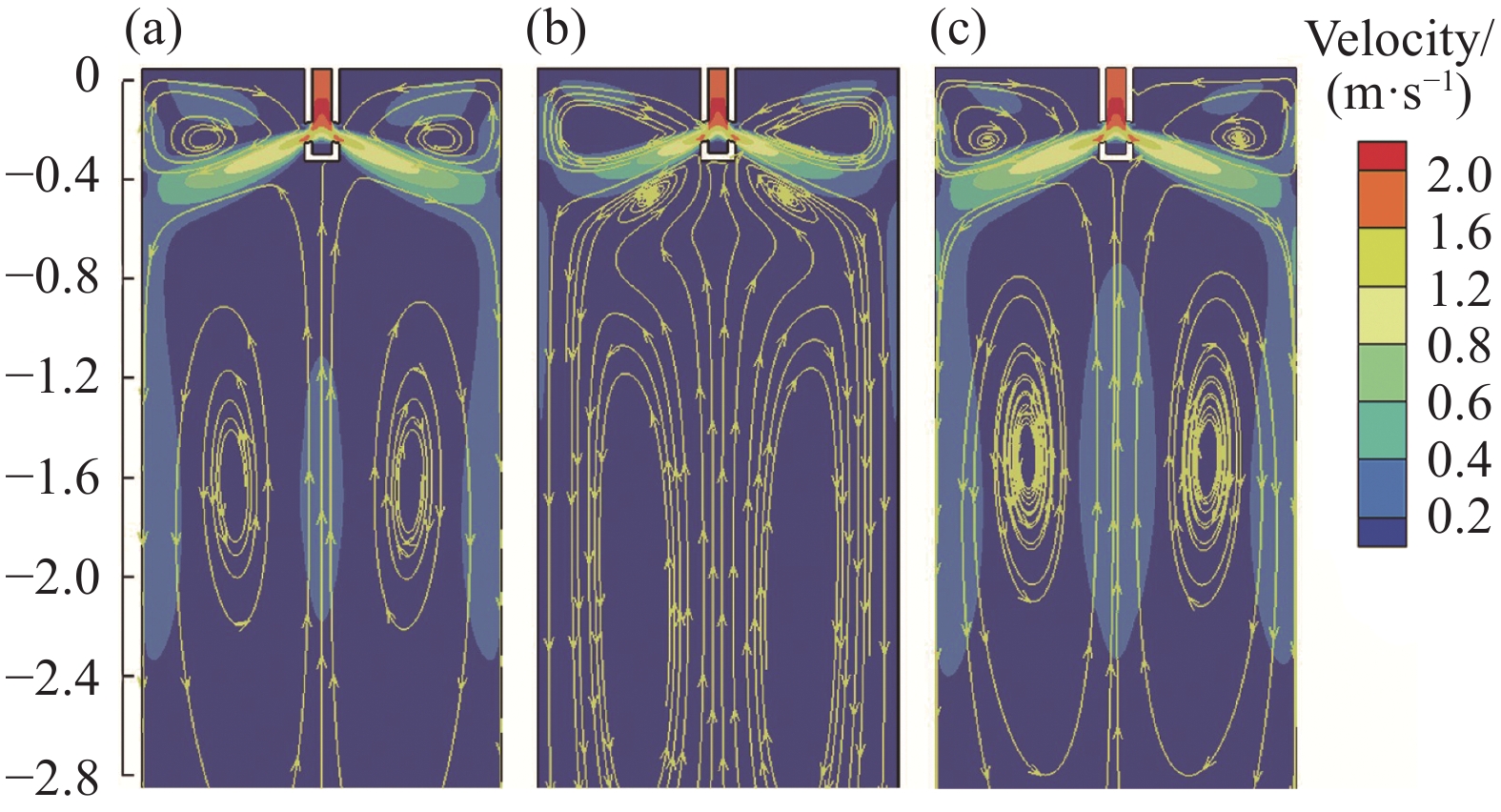
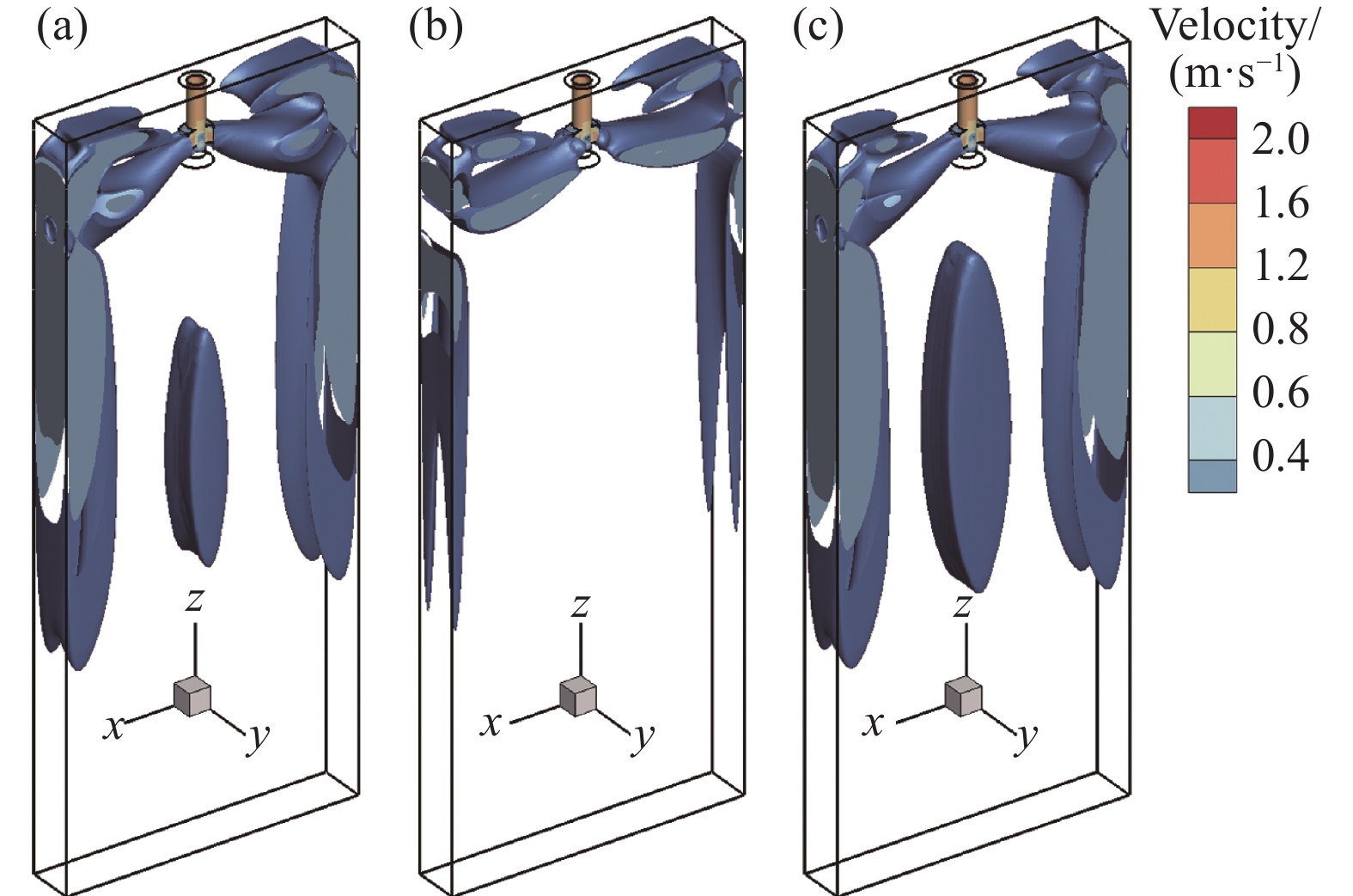
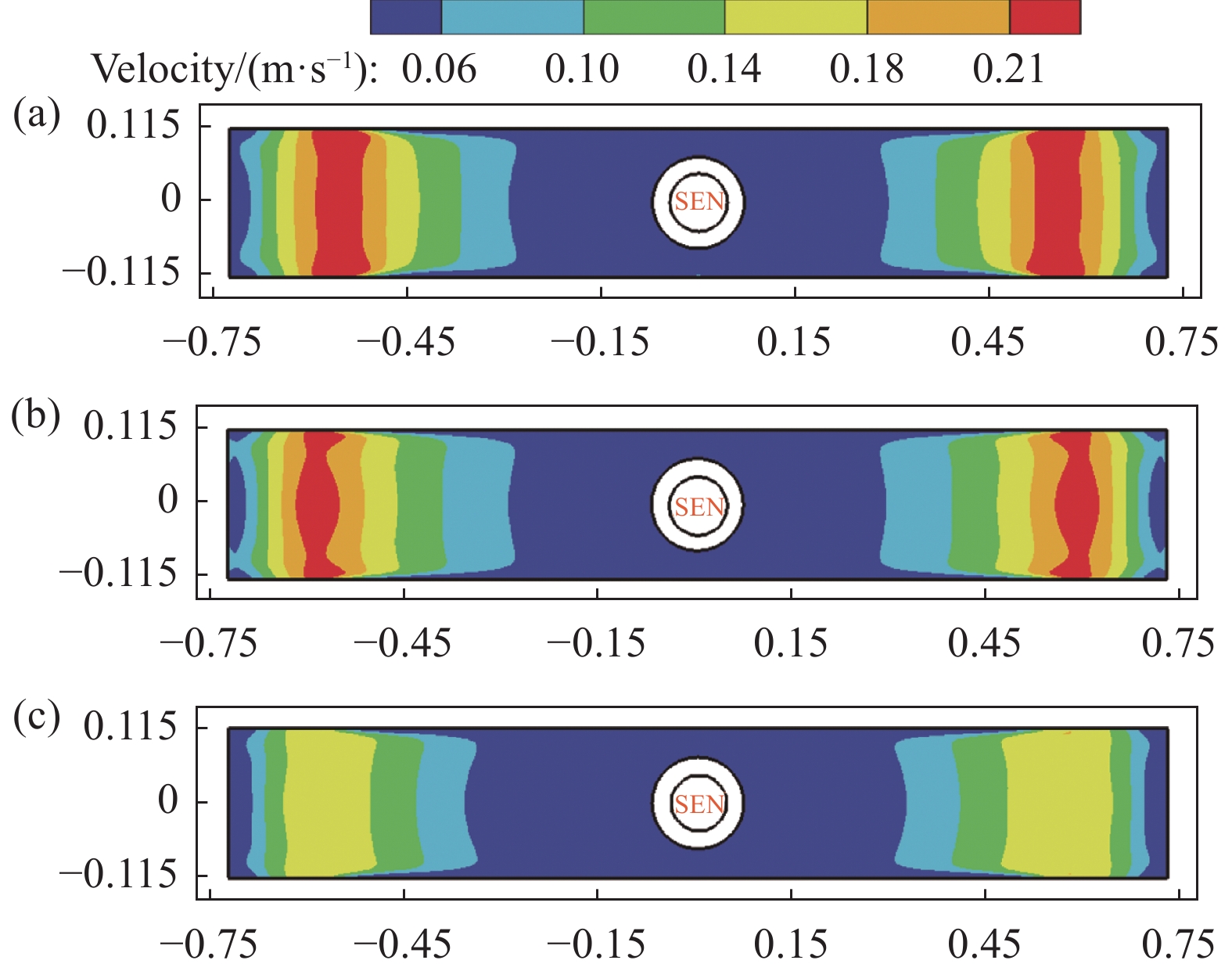
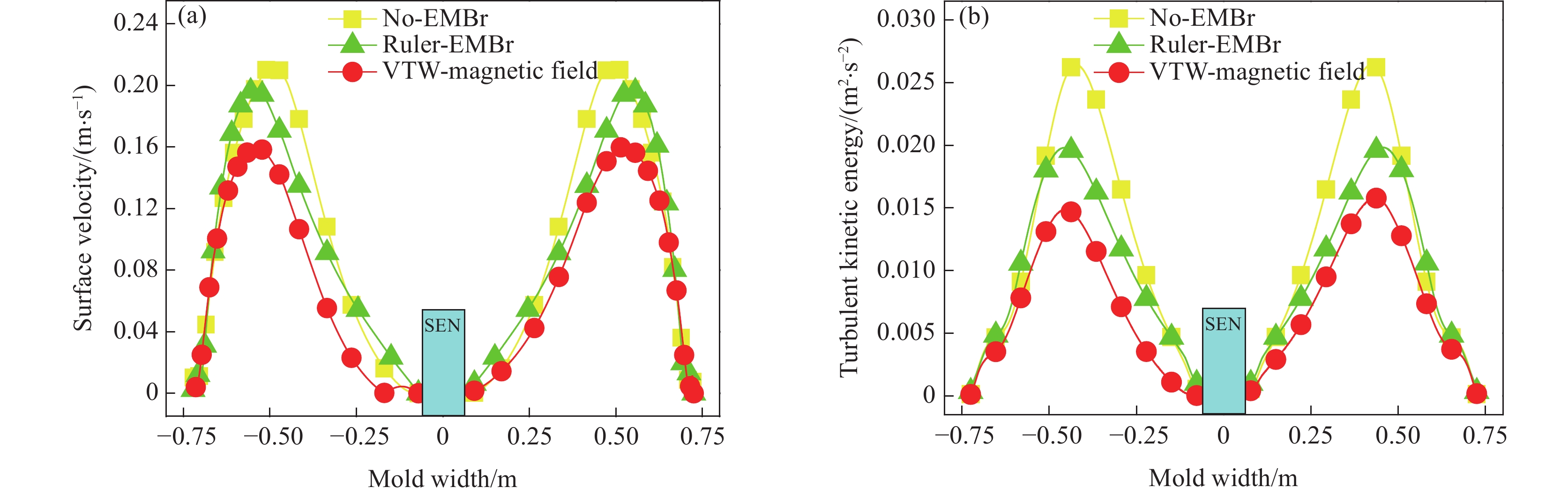
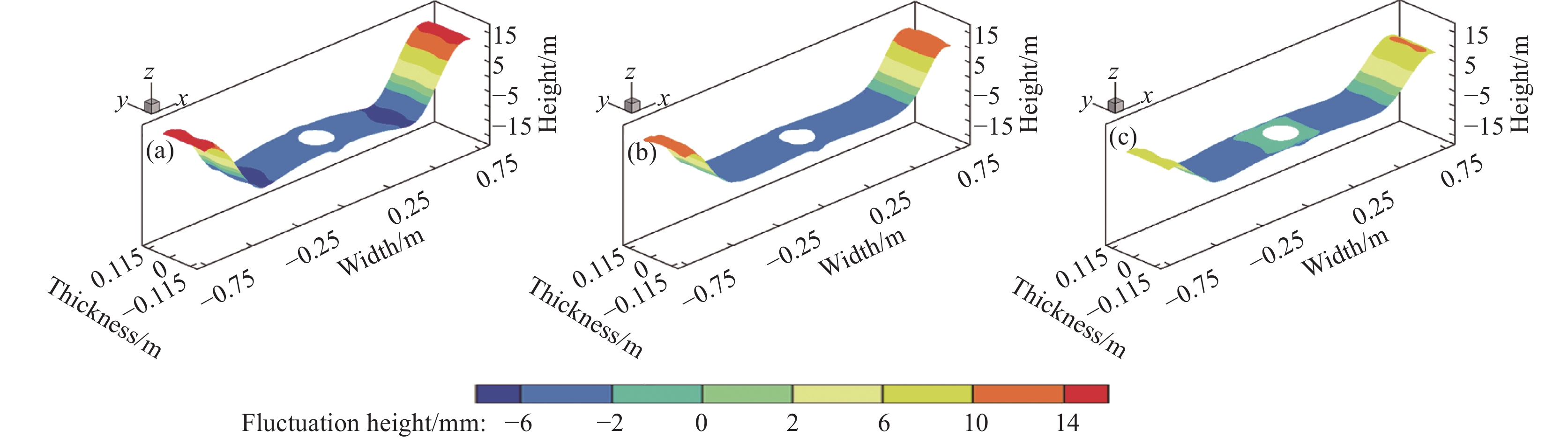
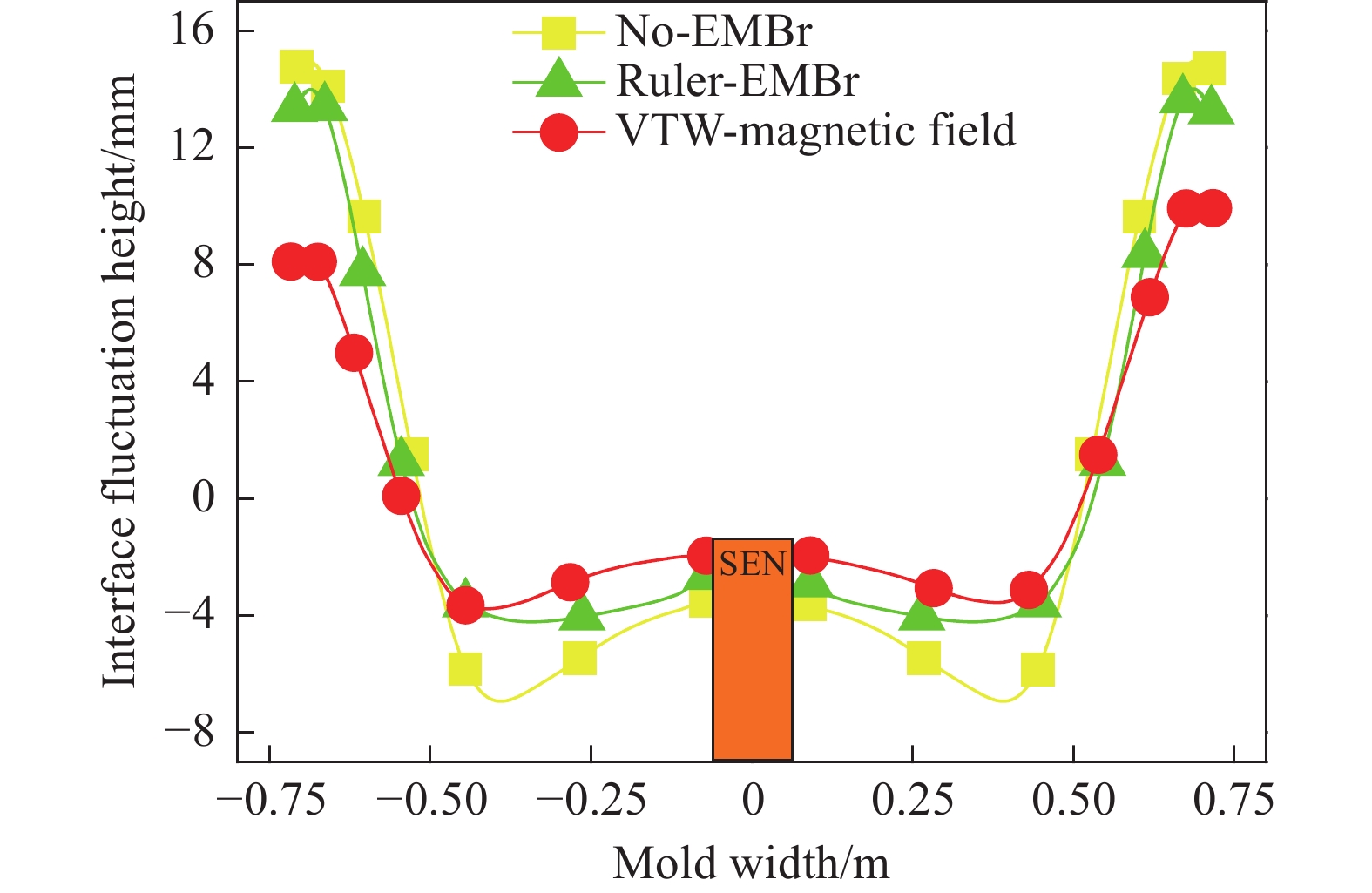
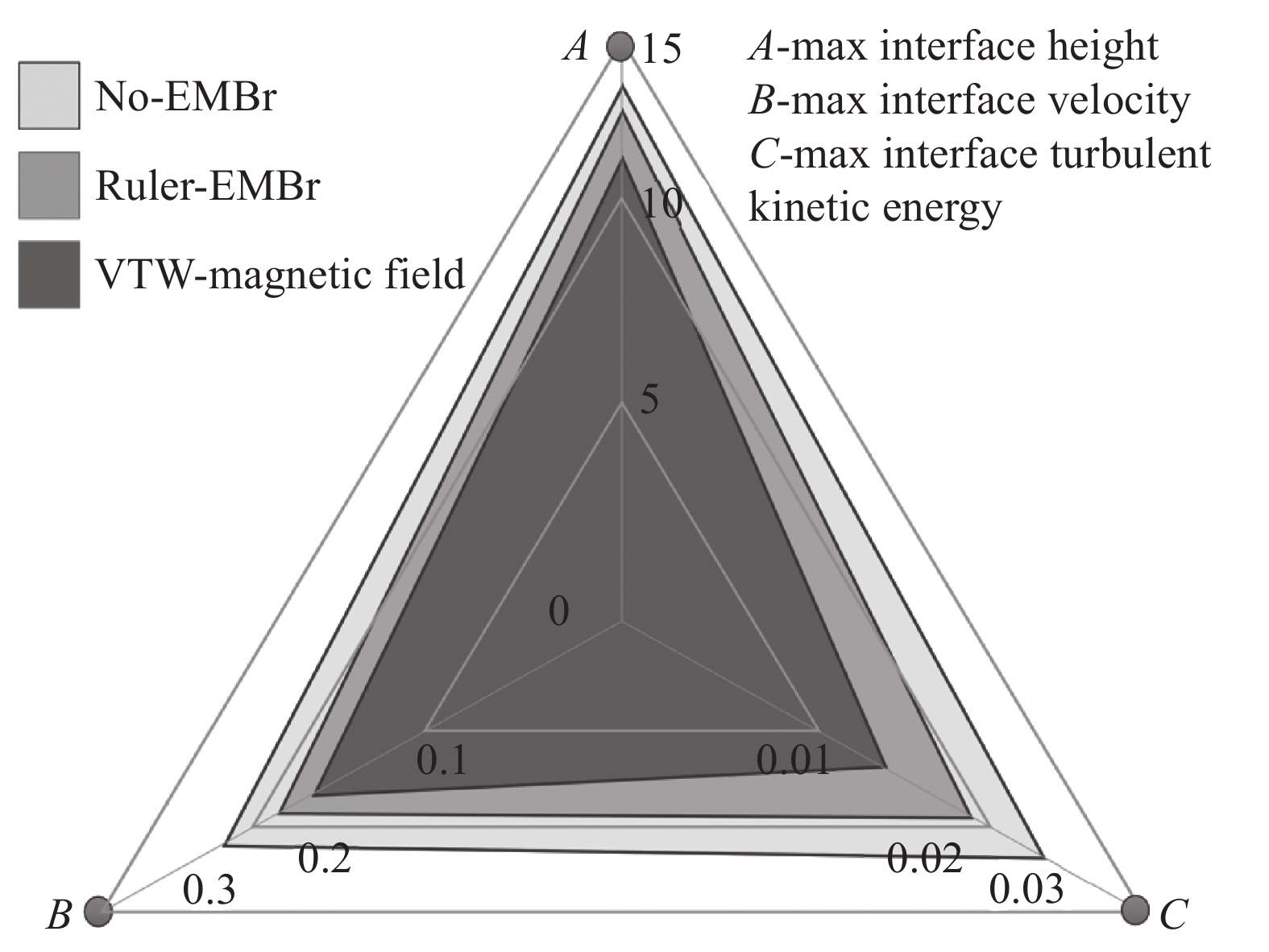
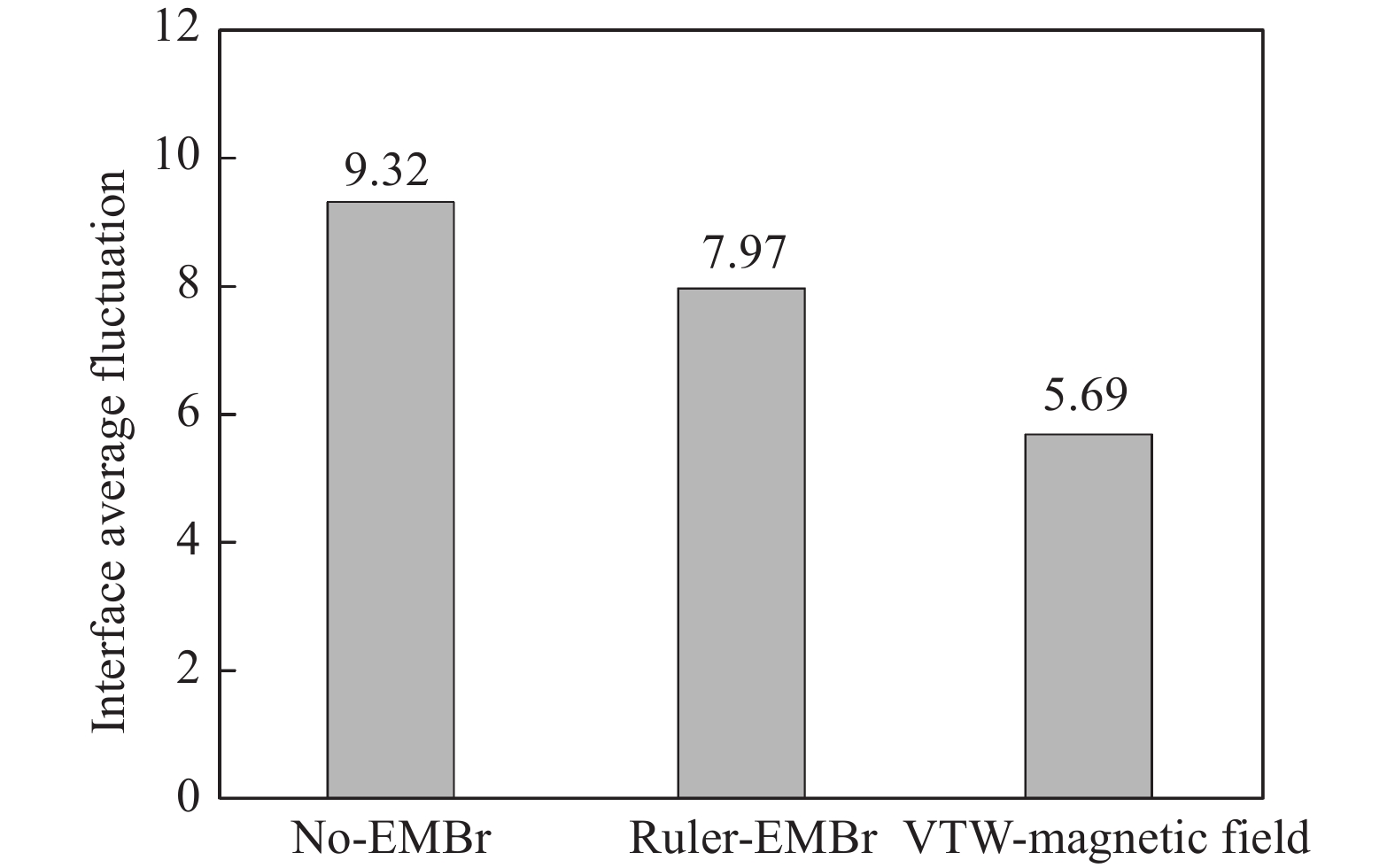
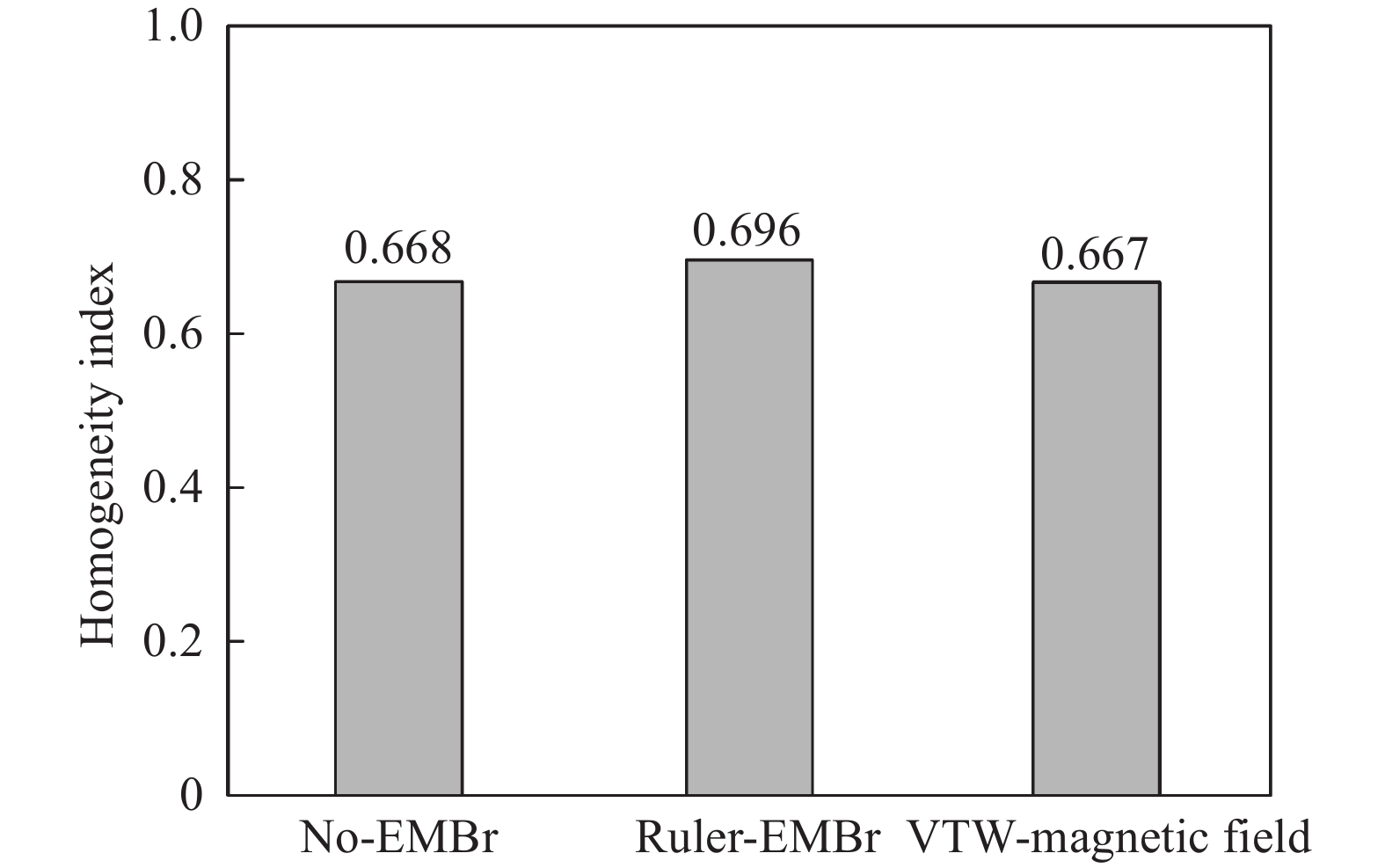
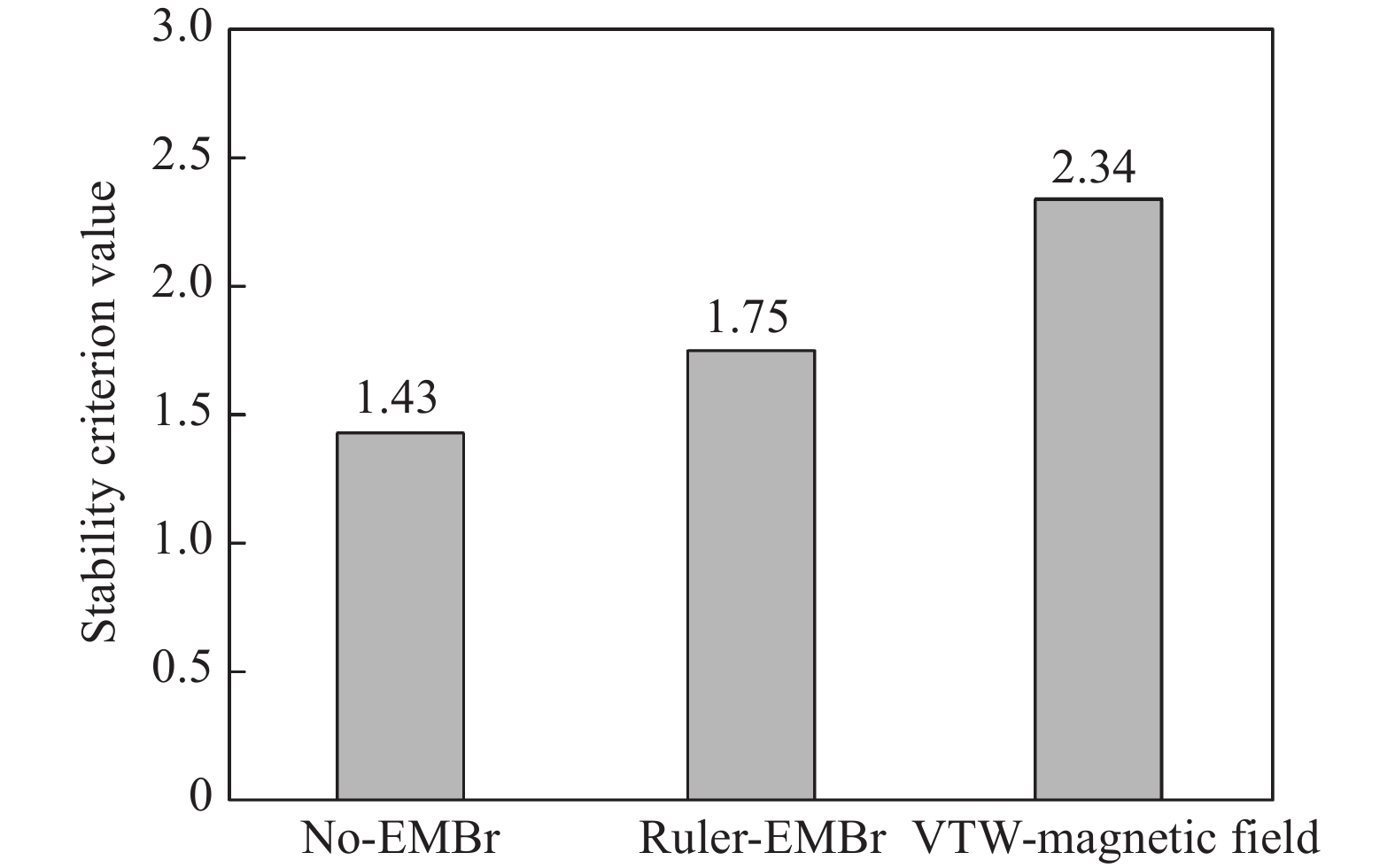
With the trend of green and low carbon development, the contemporary metallurgical industry pursues high-speed and high-efficiency continuous casting to promote sustainable development. In view of this, a vertical traveling wave magnetic field flow control technology is proposed to optimize and control the flow behavior of liquid metal during continuous casting and overcome the existing technical limitations. The proposed flow control technology can provide theoretical basis and technical support for the green and low-carbon transformation of continuous casting process. In the current research, a 1450 mm × 230 mm continuous casting slab mold is taken as a research object. Firstly, a three-dimensional multi-physical field coupling mathematical model is established for describing the electromagnetic continuous casting process. Secondly, the behaviors of molten steel flow and the steel-slag interface within the slab continuous casting mold under conditions of free magnetic field, vertical traveling wave magnetic field, and single ruler horizontal direct current magnetic field are simulated and investigated. Finally, the effects of these two magnetic field forms on the flow control of molten steel in the mold are compared and evaluated. The results indicate that, in the absence of the magnetic field, the maximum height of the steel-slag interface is 22.3 mm. When applied the current via the single ruler horizontal electromagnetic brake is 1350 A, the maximum height decreases to 18.6 mm. In comparison, when the vertical traveling wave magnetic field reducer applies a current of only 600 A, the maximum height of the steel-slag interface is significantly decreased to 13.9 mm. Based on the results, it can be concluded that the vertical traveling wave magnetic field reducer has more significant flow control advantages than the single ruler horizontal electromagnetic brake with lower energy consumption. The directional electromagnetic force generated by the vertical traveling wave magnetic field can effectively suppress the flow of molten steel in the upper recirculation zone of the mold and stabilize the fluctuation of the steel-slag interface.
Study on performance of Machine-Learning-Based prediction model for slab reheating furnaces
LIU Yong, NING Zhen, LIAO Zhehan, ZHU Yanlin, TANG Zheng, FU Qin, DENG Chao
2025, 46(5): 65-74. doi: 10.7513/j.issn.1004-7638.2025.05.007
Abstract(42) HTML (18) PDF(9)
Abstract:
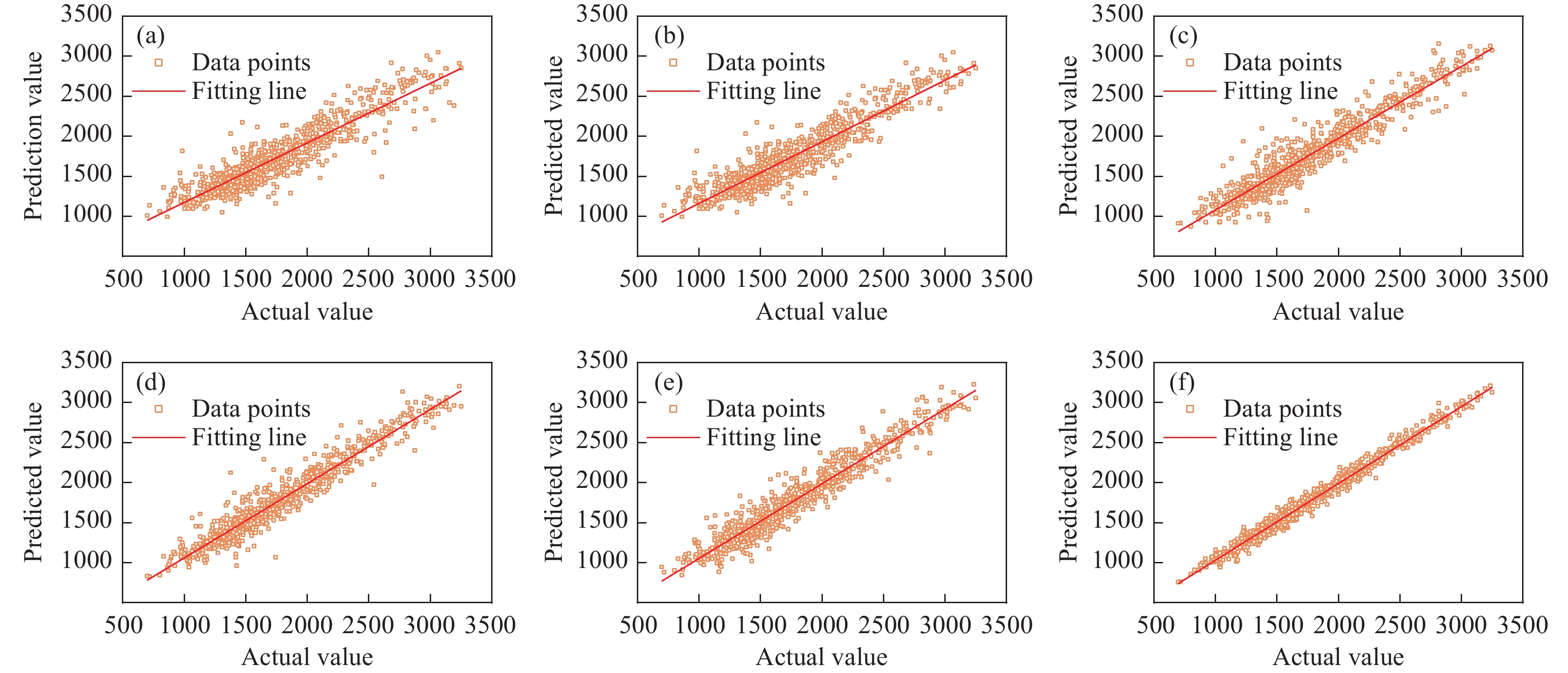
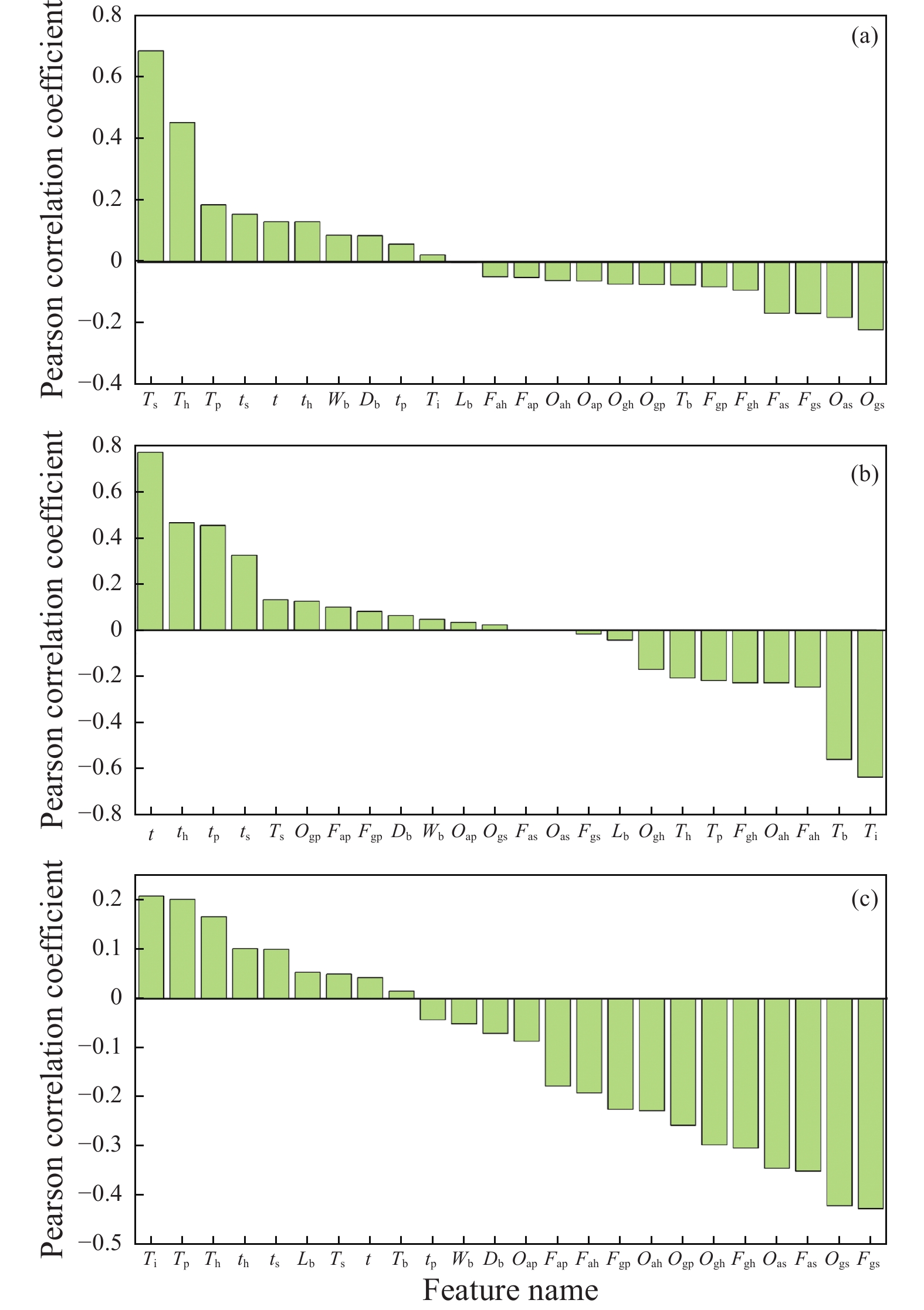
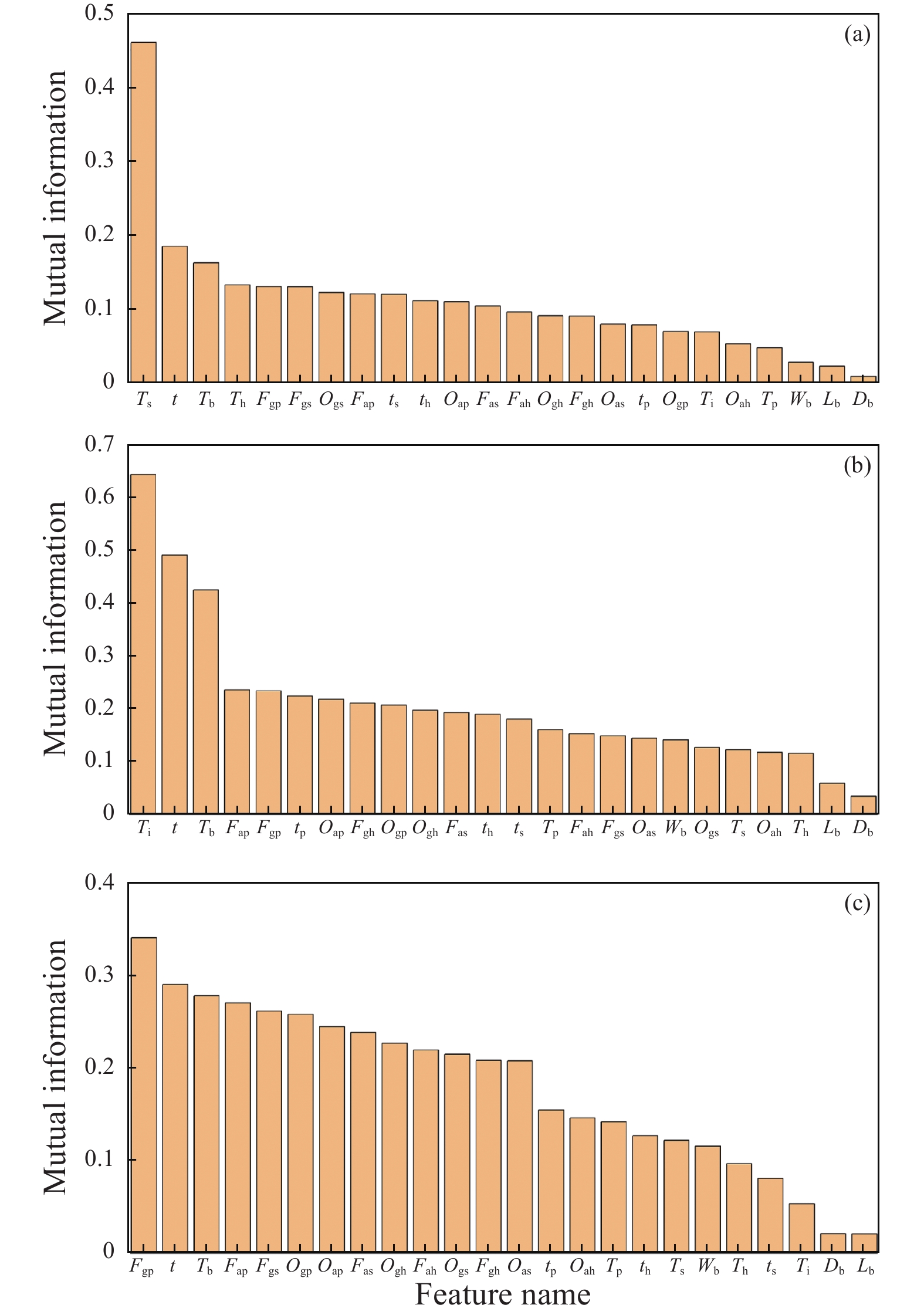
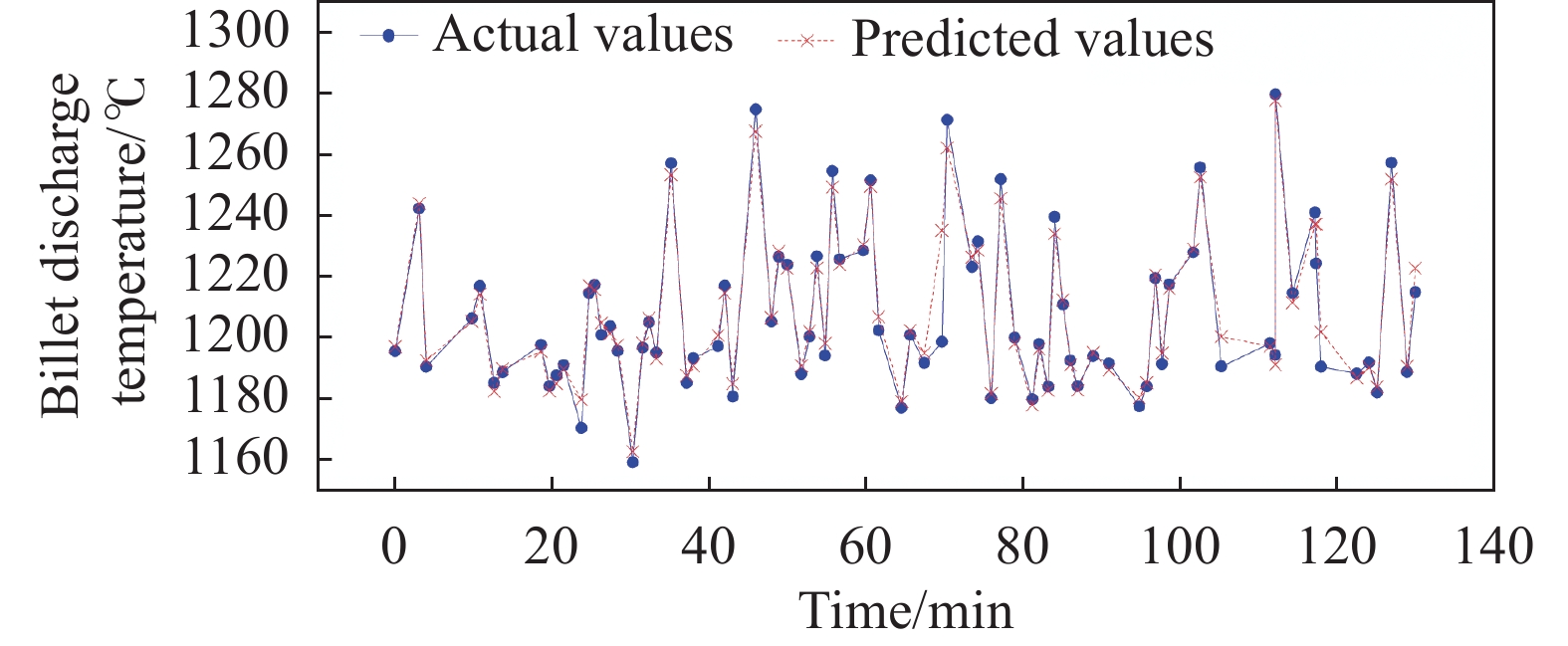
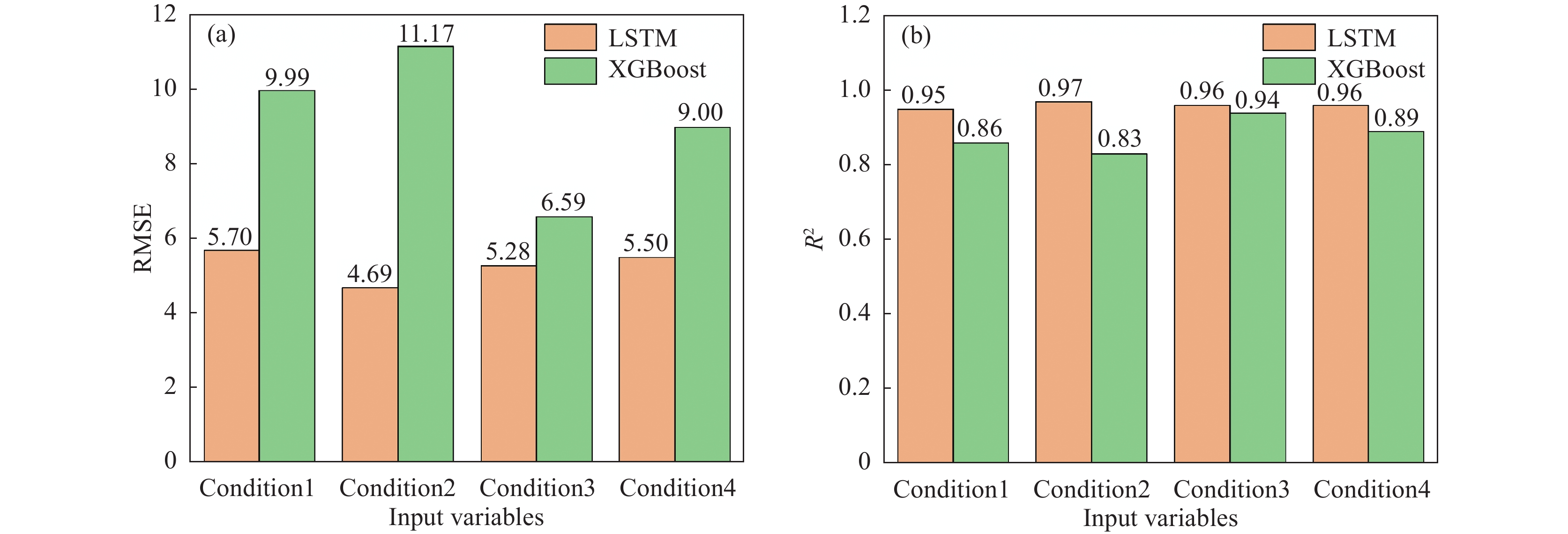
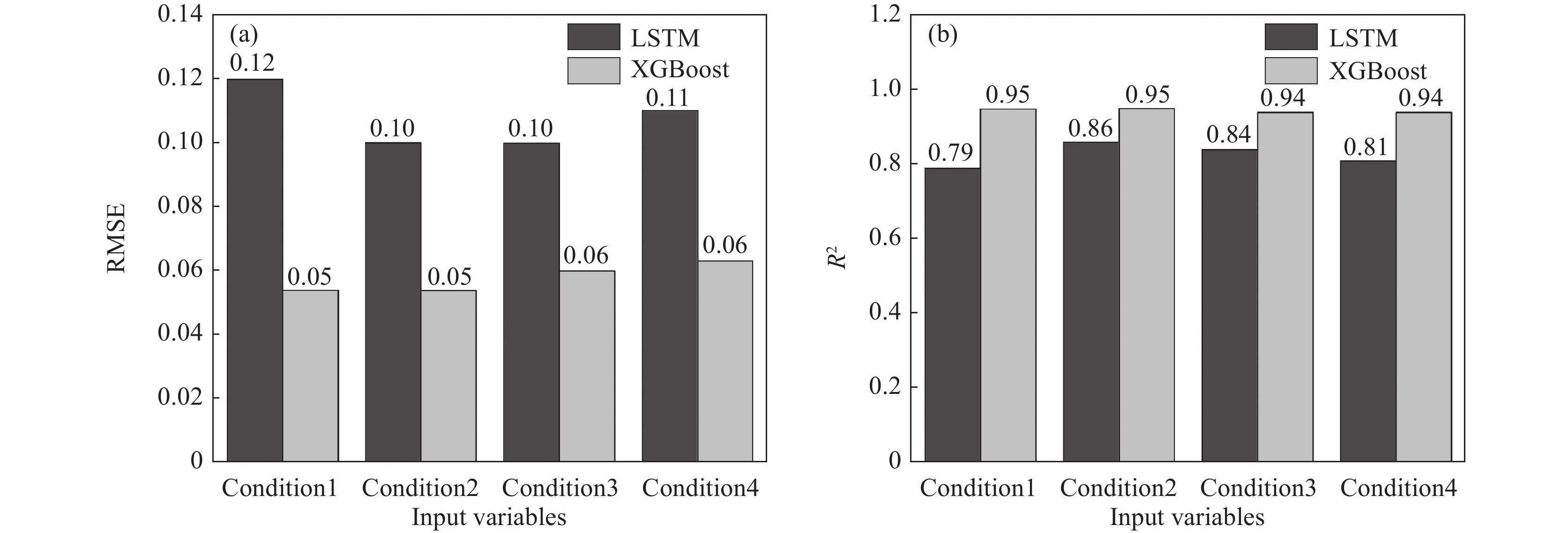
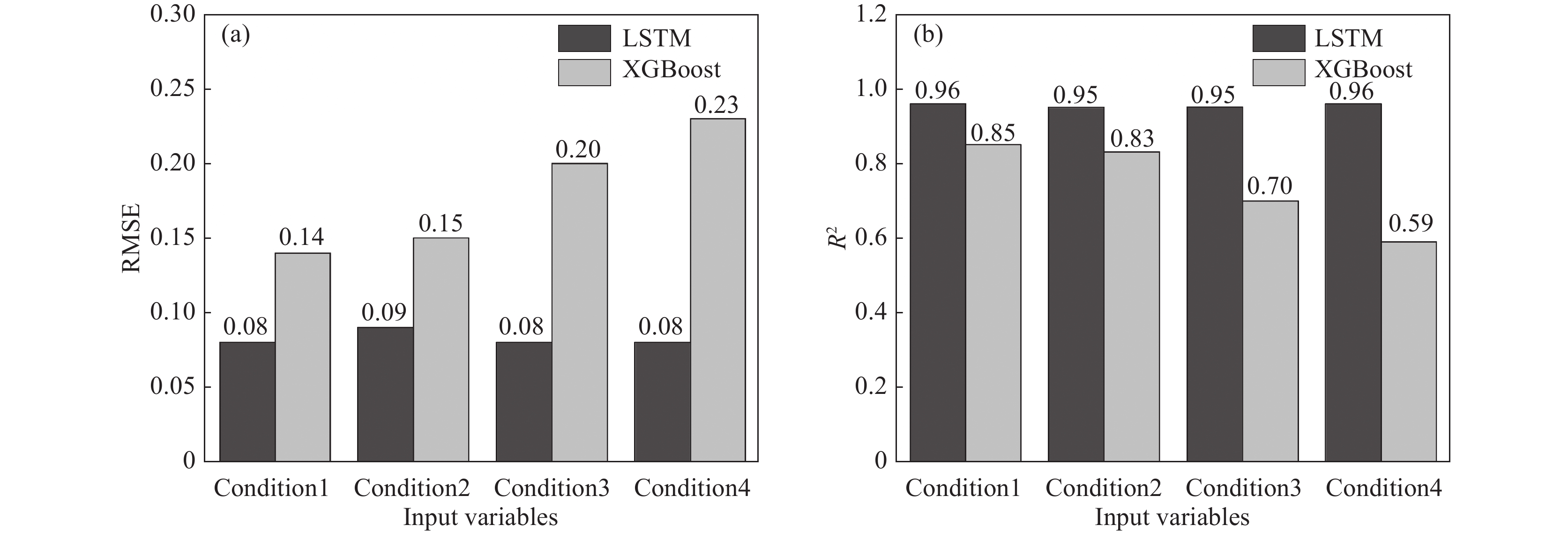
Based on 8297 data samples from a 1450 mm hot-strip mill reheating furnace in a Chinese steel plant, XGBoost and LSTM models using four sets of input variables had been developed and used to predict furnace discharge temperature, energy consumption of per ton steel, and oxidation burn rate. It was found out that the LSTM model performed well in predicting furnace discharge temperature and oxidation burn rate, with coefficients of determination (R2) exceeding 0.95. The XGBoost model was superior in predicting energy consumption, achieving R2 values above 0.94 and stable prediction trends. Comparative analysis indicated that LSTM was more reliable for predicting time-dependent parameters (such as discharge temperature and oxidation burn), while XGBoost provided higher accuracy for static parameters (such as energy consumption). Further investigation revealed that LSTM effectively captures time-related patterns due to its gated mechanism. In contrast, XGBoost performed better on static features due to its ability to optimize feature combinations. Based on these findings, a hybrid LSTM-XGBoost model was proposed. In this combined model, LSTM deals with time-series data, and XGBoost processes static data. Applying the combined model to furnace control can further improve prediction accuracy. This study provides theoretical guidance and data support for optimizing reheating furnace operations and enhancing resource efficiency in the steel industry.
ANN-Driven modeling of high-temperature flow behavior in P650 for nonmagnetic drilling collars
WANG Yinghu, CHENG Limei, WANG Jianqiang, WANG E'nuo, SONG Lingxi, SHENG Zhendong
2025, 46(5): 75-84. doi: 10.7513/j.issn.1004-7638.2025.05.008
Abstract(33) HTML (8) PDF(6)
Abstract:
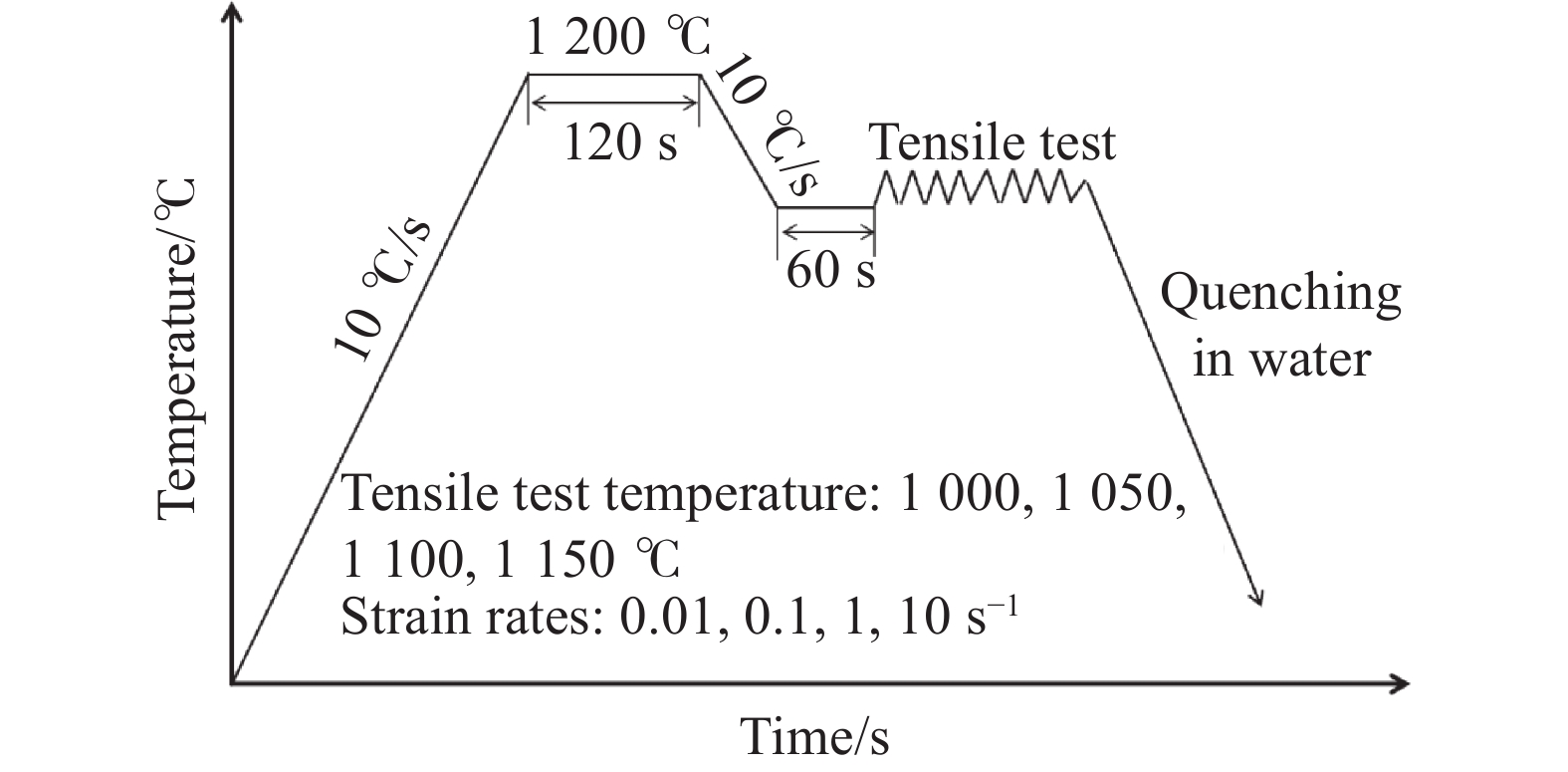
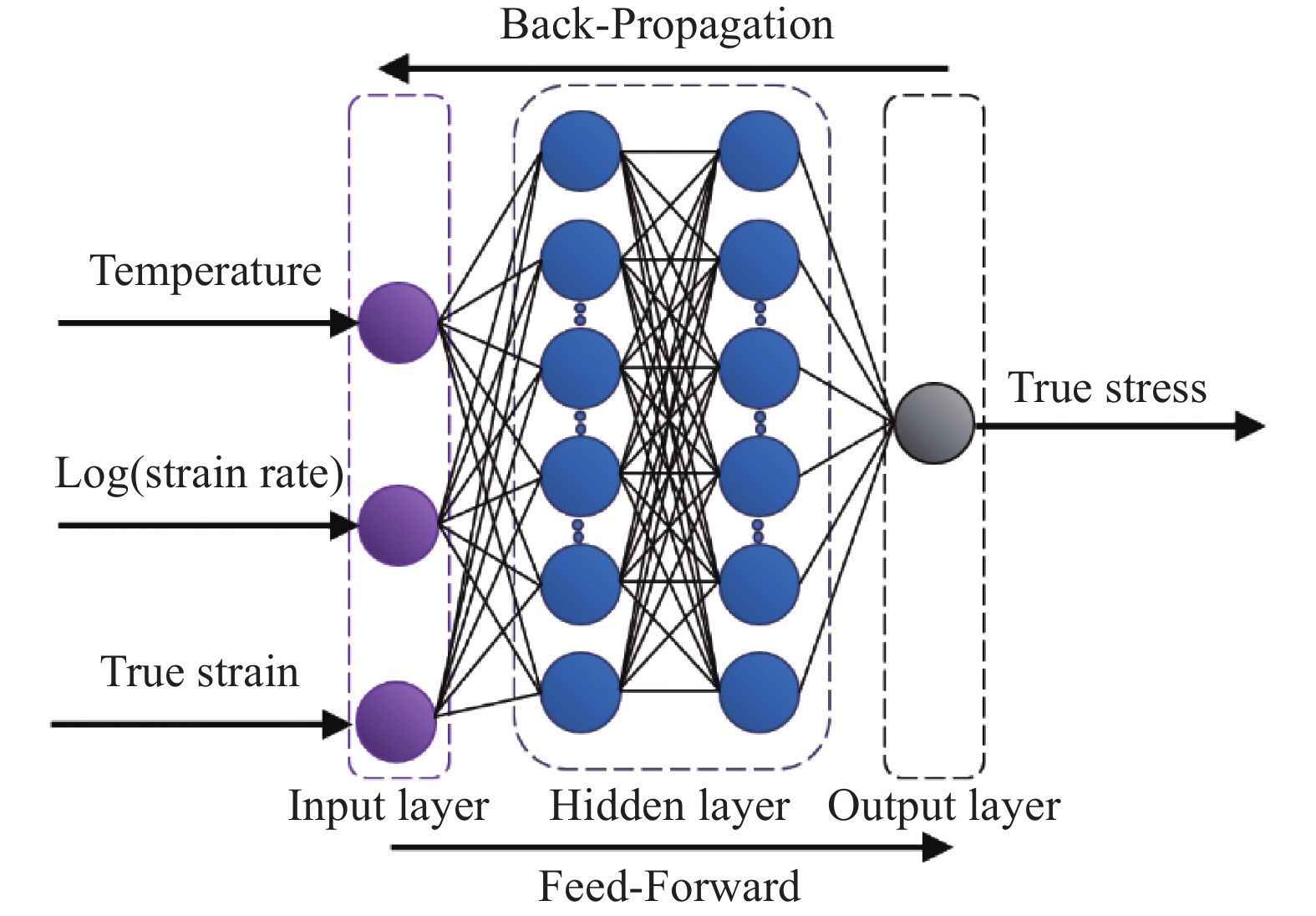
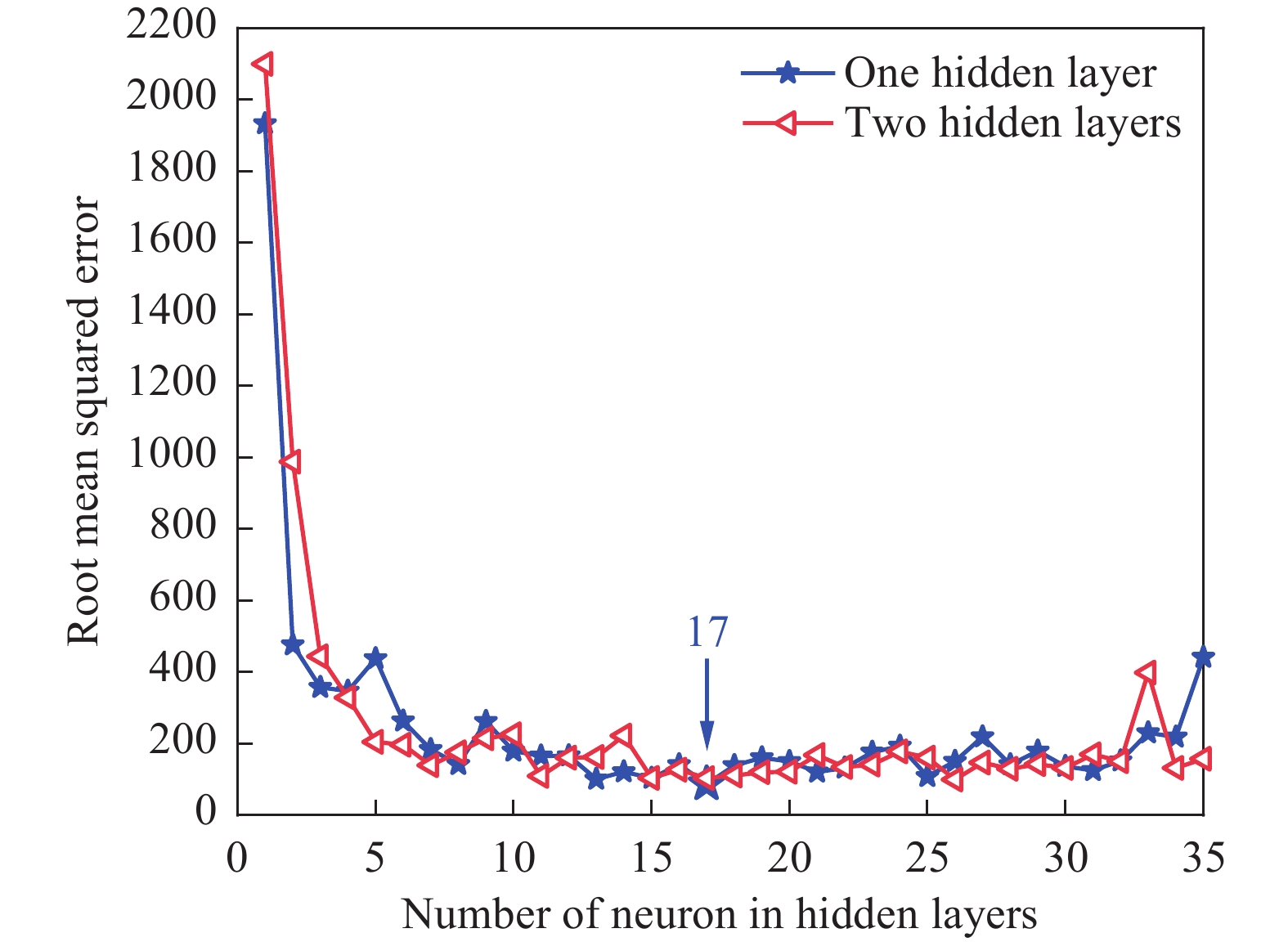
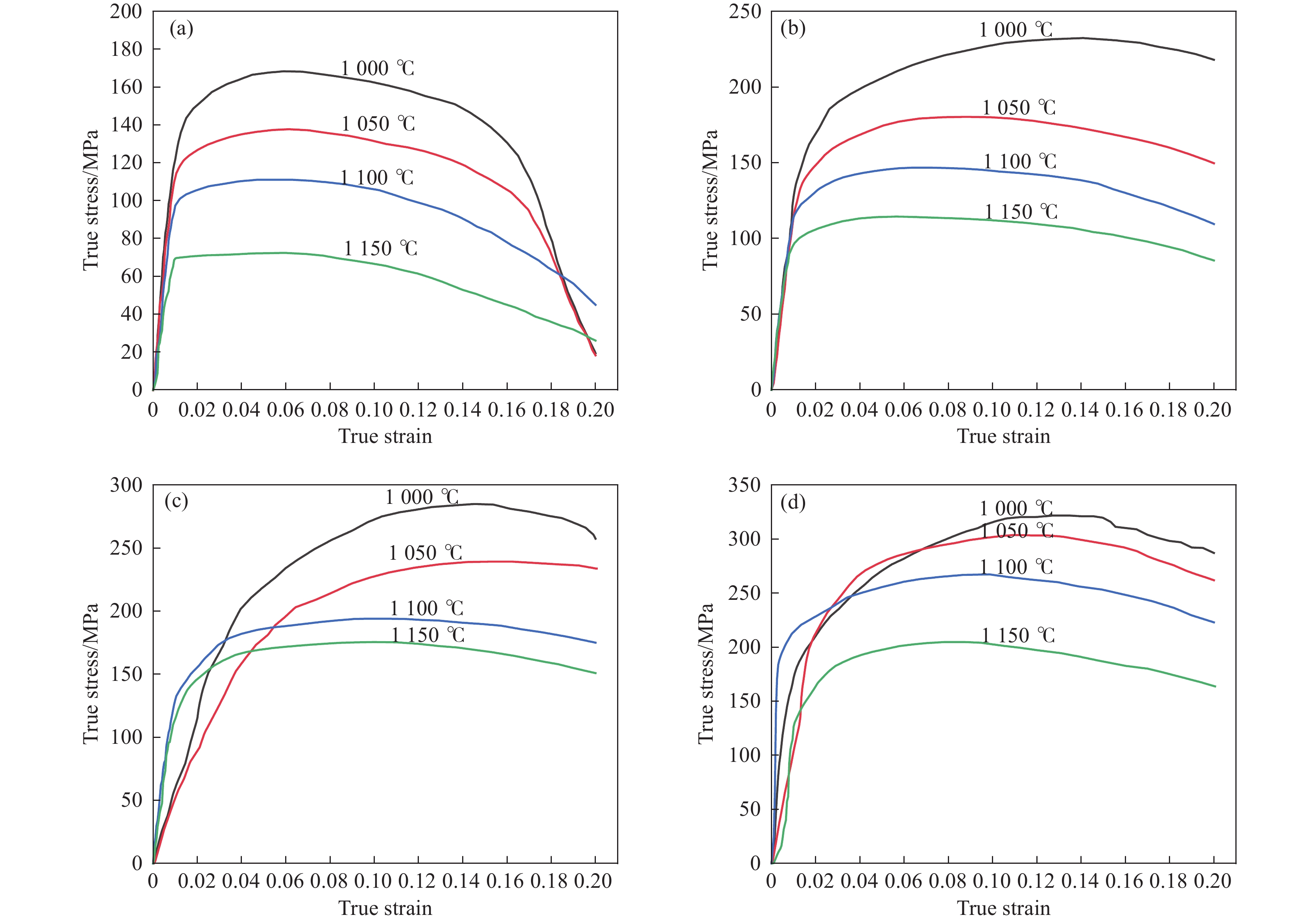
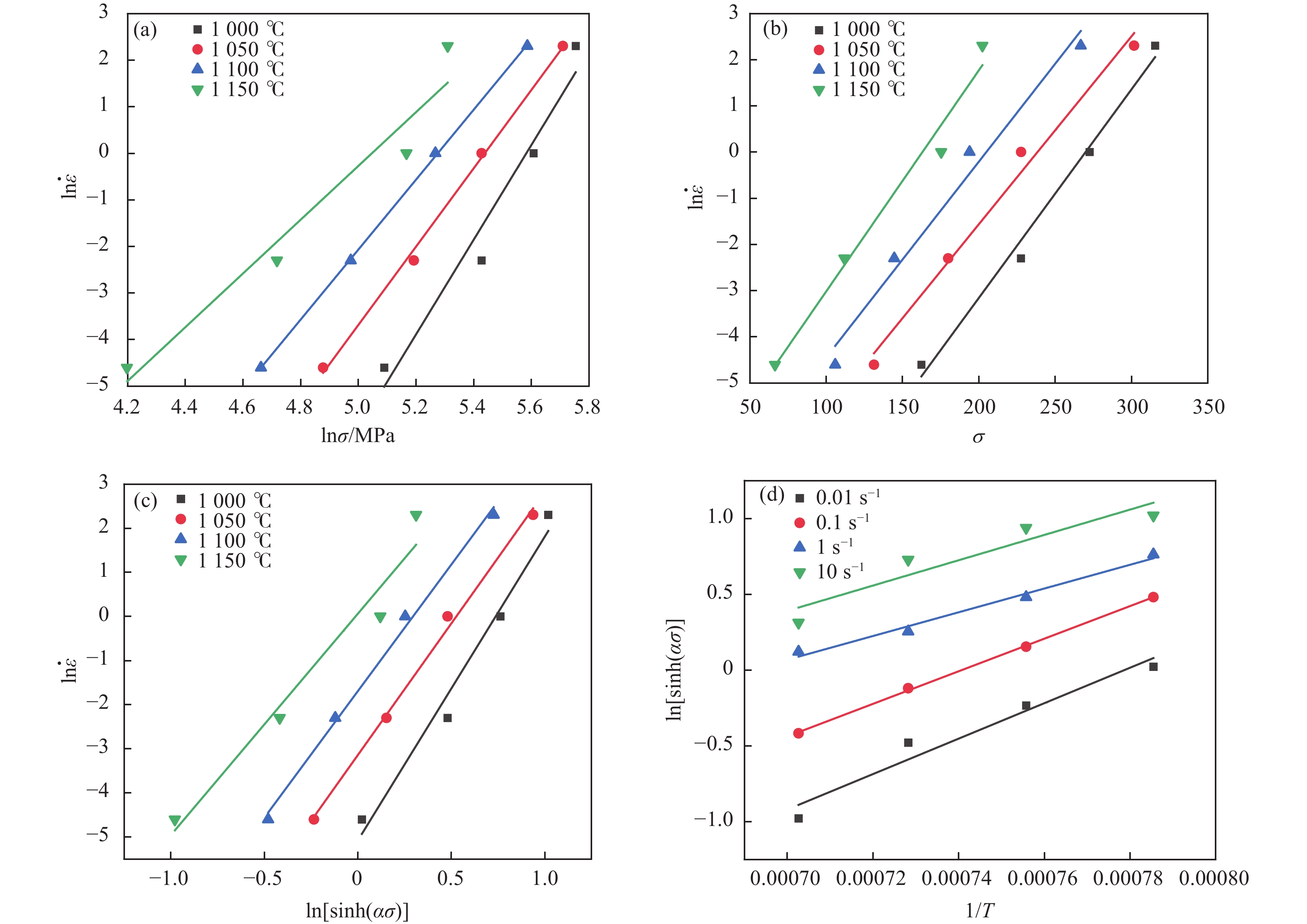
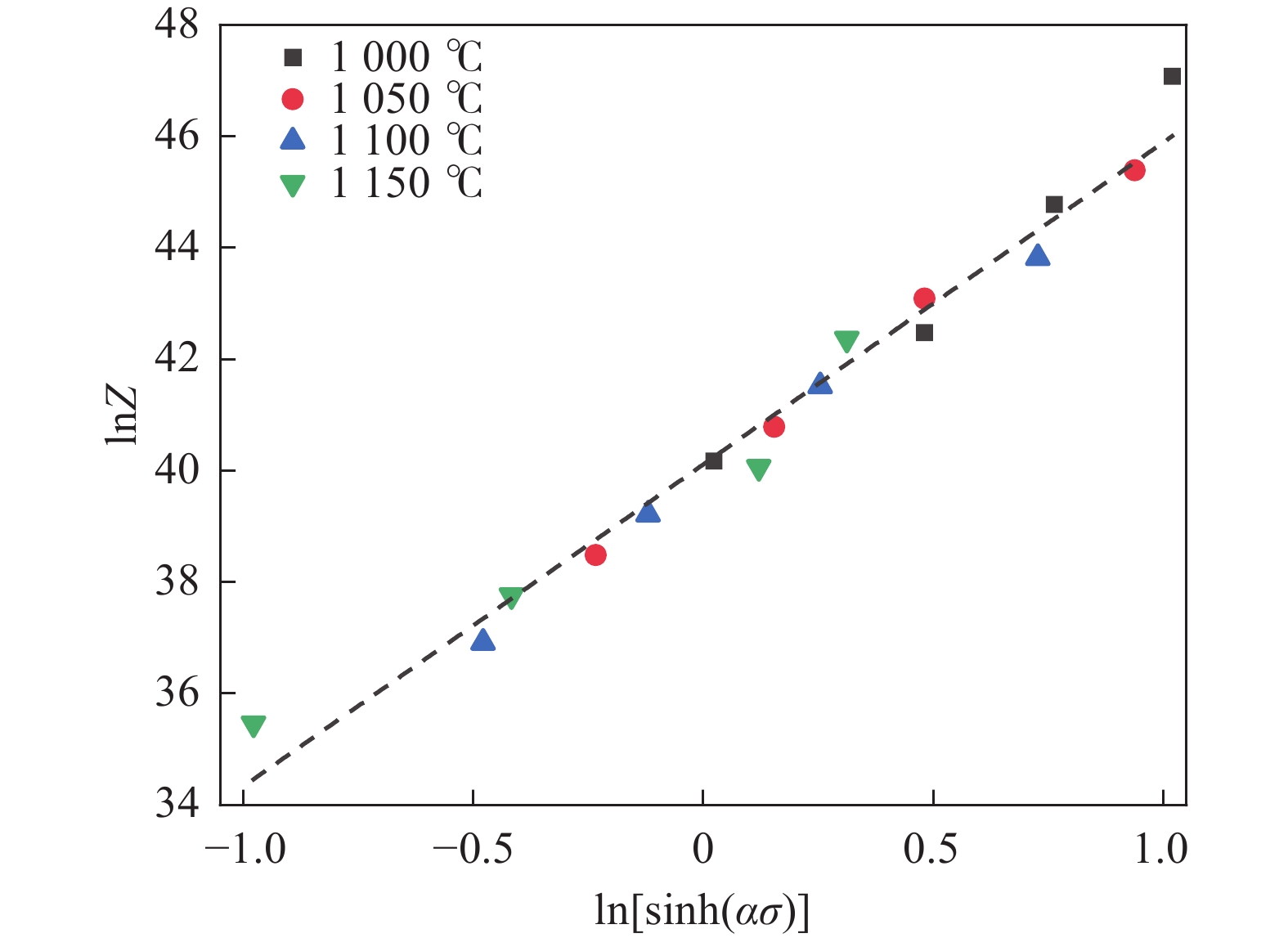
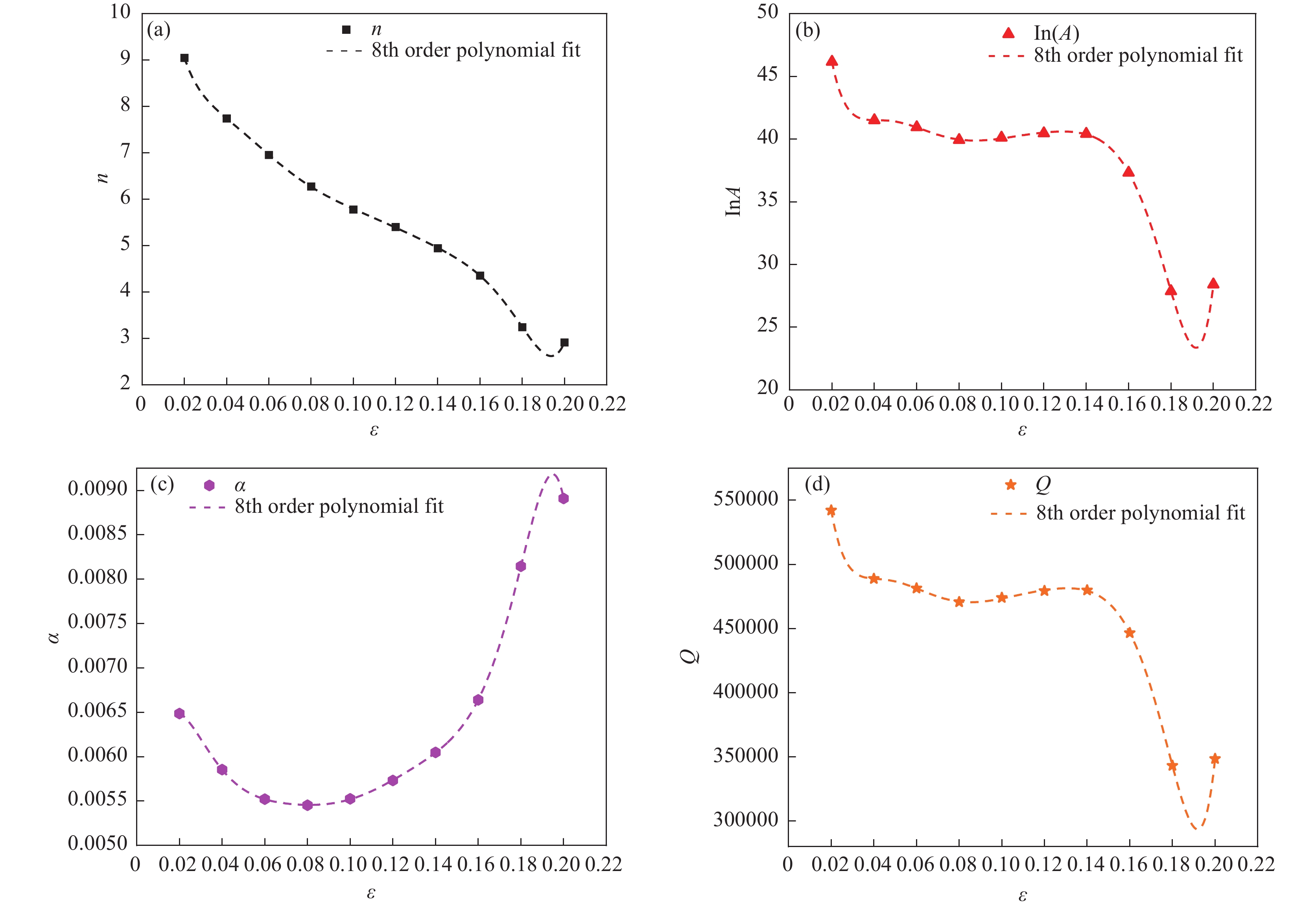
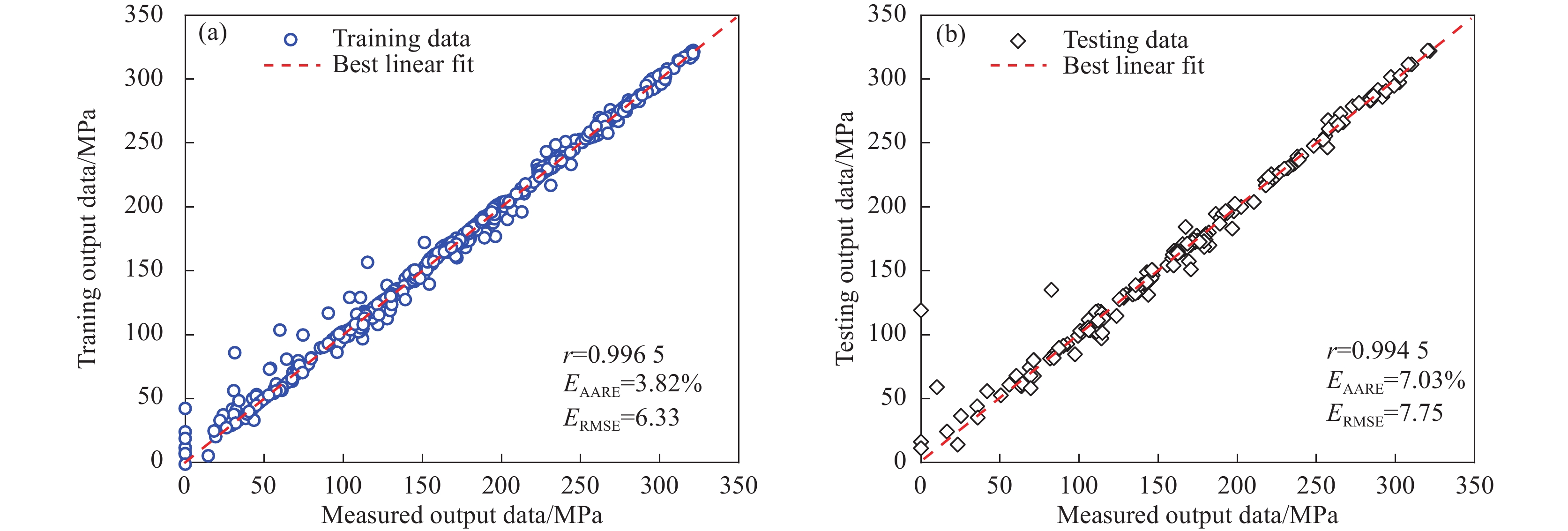
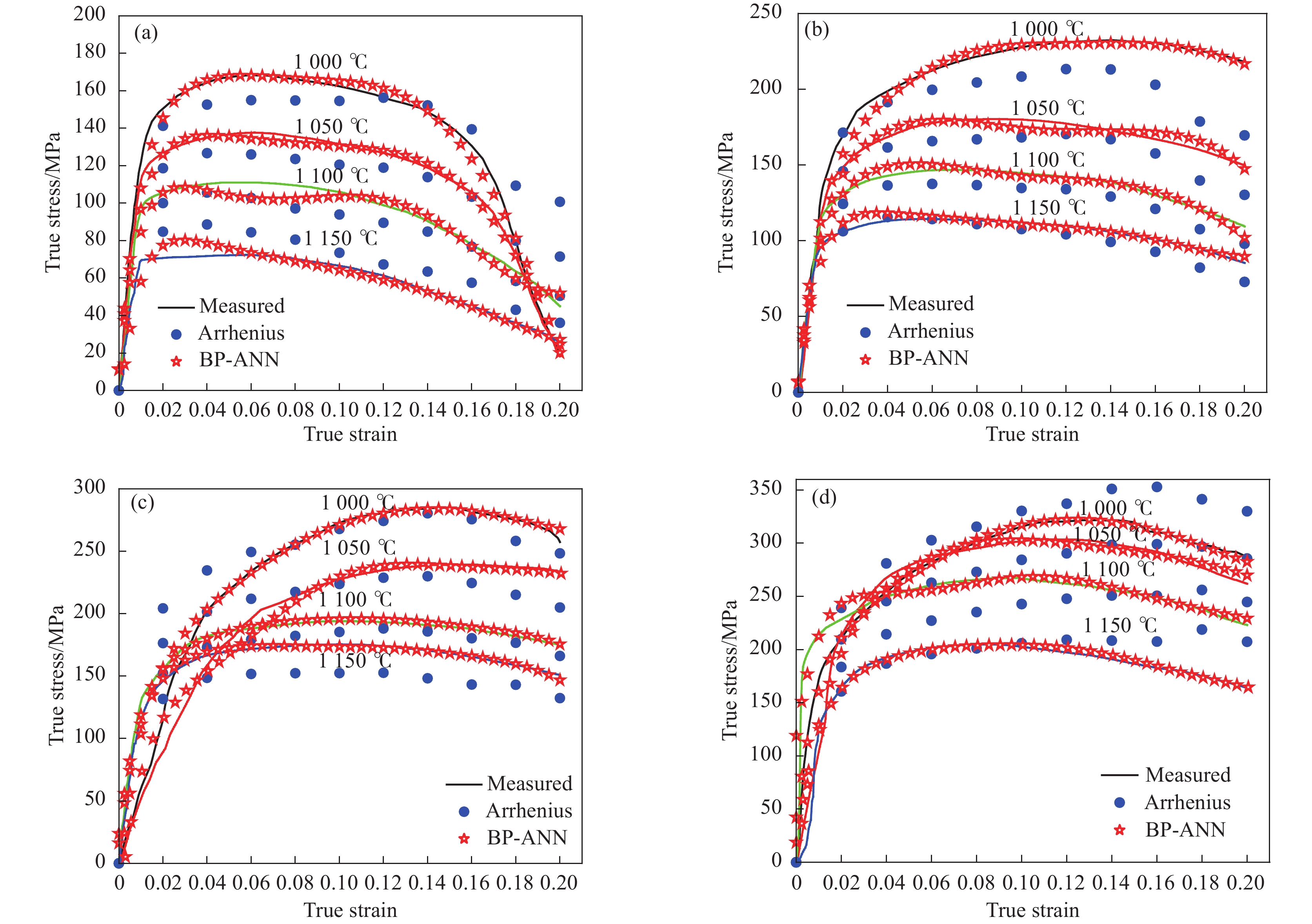
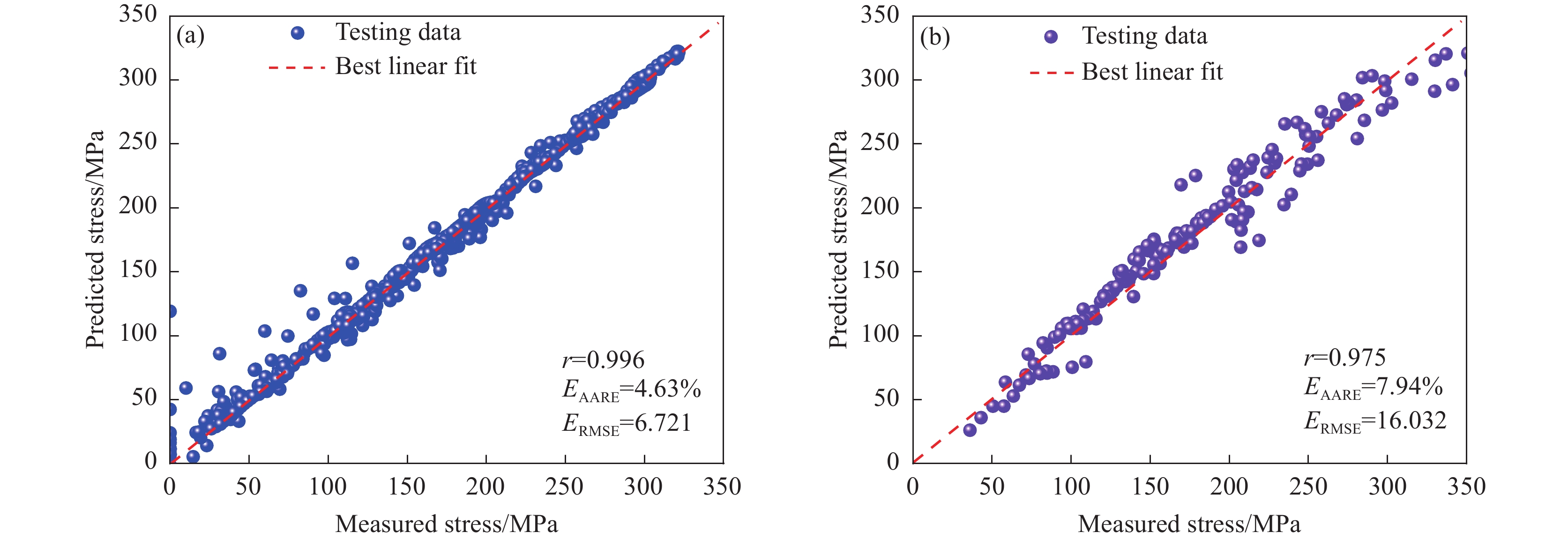
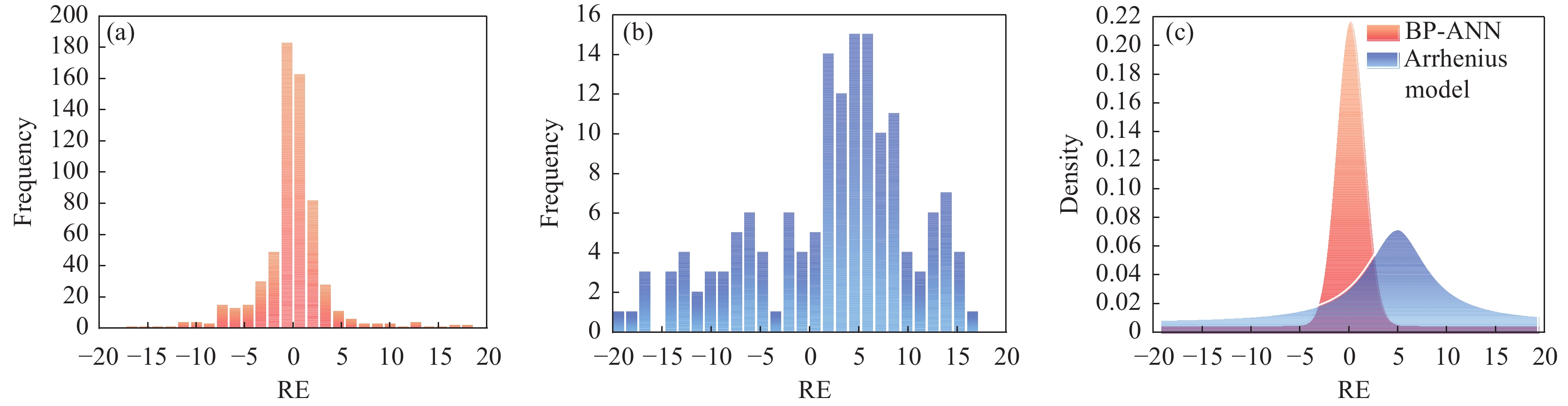
High-temperature tensile tests on P650 high-nitrogen steel had been conducted under 1000-1150 ℃ and strain rates of 0.01-10 s−1, using a Gleeble-3500 thermomechanical simulator. Based on the obtained stress-strain data, a strain-compensated Arrhenius constitutive model and an artificial neural network (ANN) model were developed, with prediction accuracy evaluated by average absolute relative error, root mean square error, and correlation coefficient. Results demonstrated that the prediction by ANN model with a single hidden layer (17 neurons) achieved high-precision nonlinear mapping between input parameters (temperature, strain rate, strain) and flow stress. Besides, the ANN predictions exhibited good agreement with experimental data (r=0.996, EAARE=4.63%, ERMSE=6.721 MPa) compared to the Arrhenius model (r=0.975, EAARE=7.94%, ERMSE=16.032 MPa). This study reveals that artificial neural networks can effectively capture constitutive relationship characteristics of complex thermal deformation behaviors, providing an improved strategy for establishing high-accuracy flow stress prediction models and optimizing material processing technologies.
Study on the stress-strain behavior of CoCrFeNiCux high-entropy alloy under biaxial tensile state
ZHANG Jiale, ZHAO Jianping, CHANG Le
2025, 46(5): 85-92. doi: 10.7513/j.issn.1004-7638.2025.05.009
Abstract(28) HTML (7) PDF(6)
Abstract:
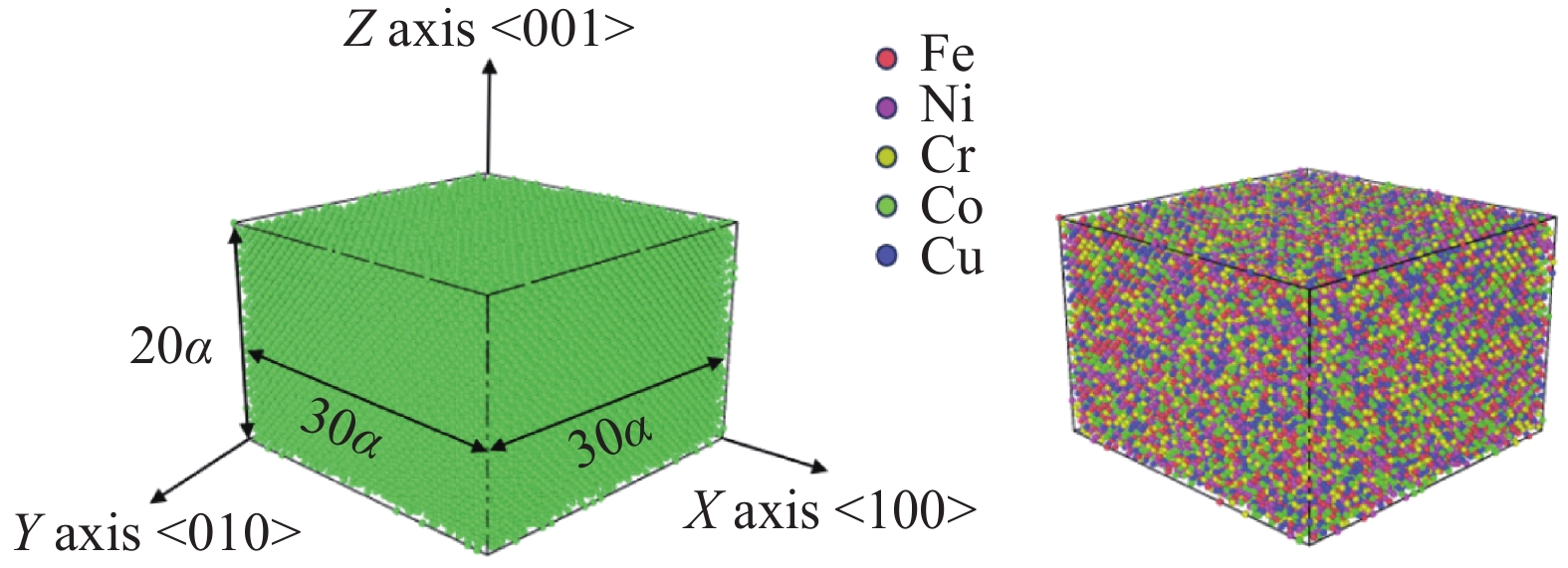
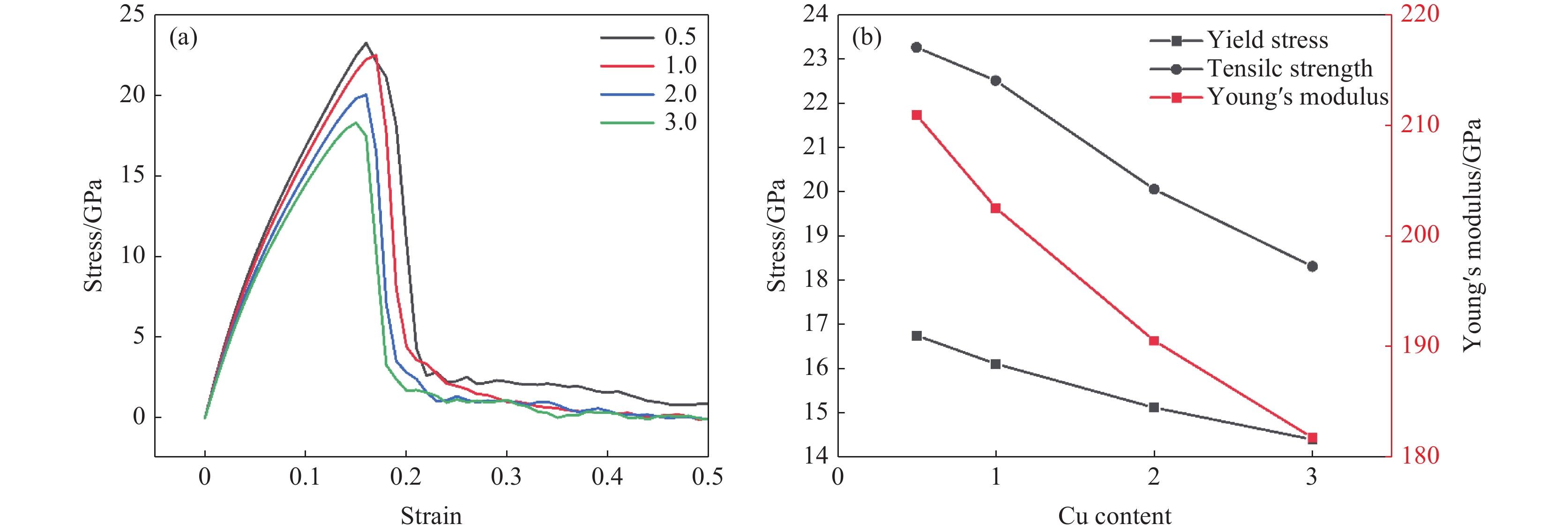
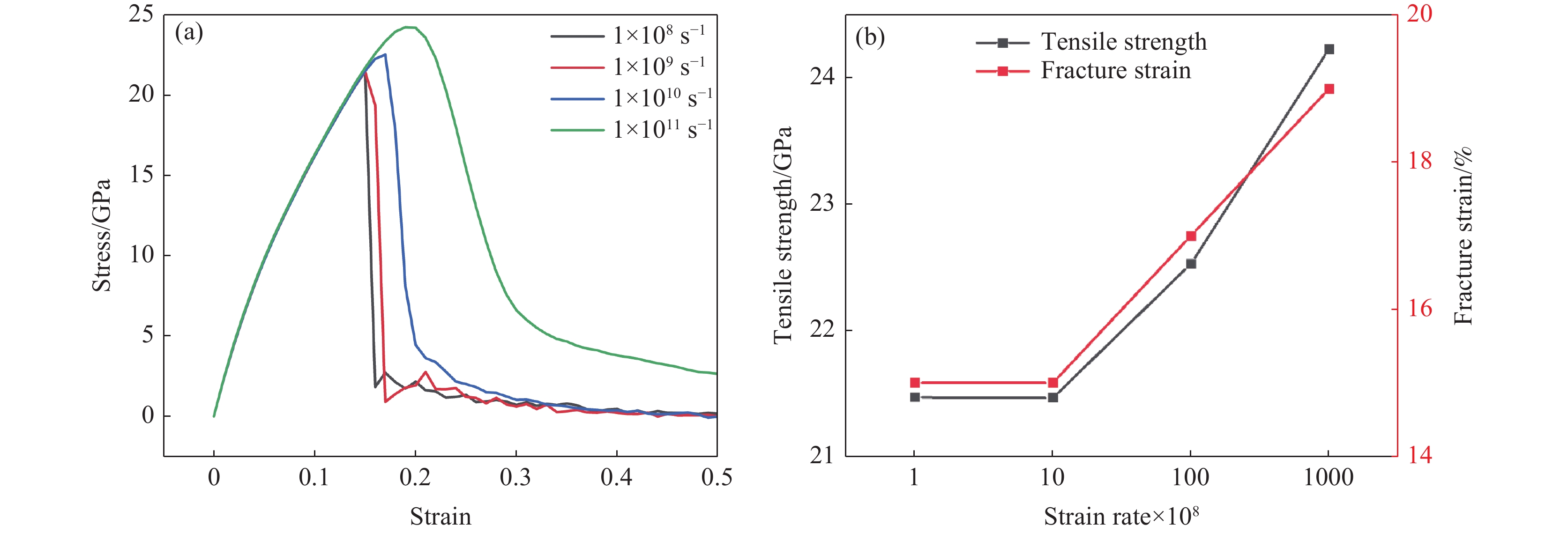
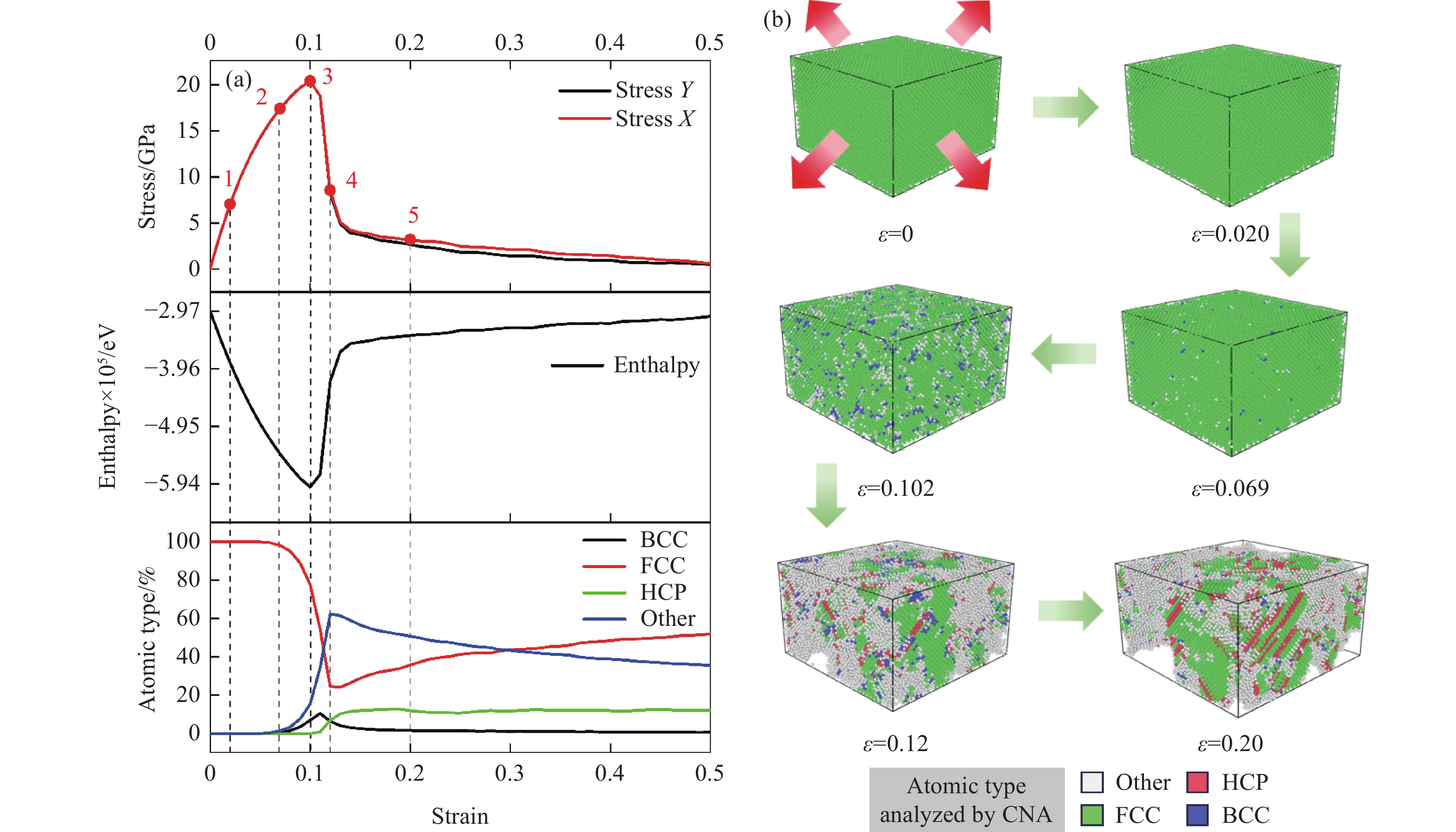
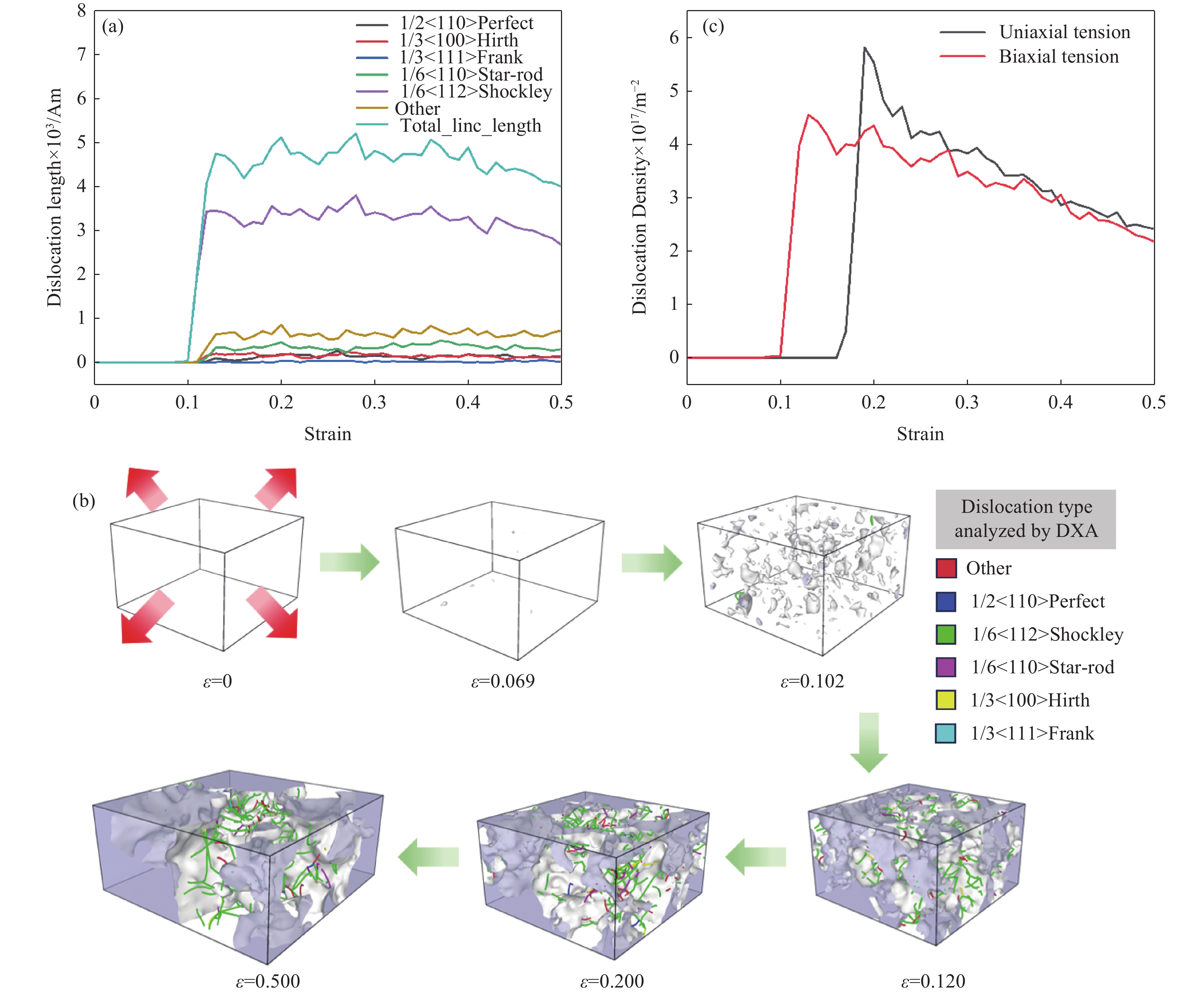
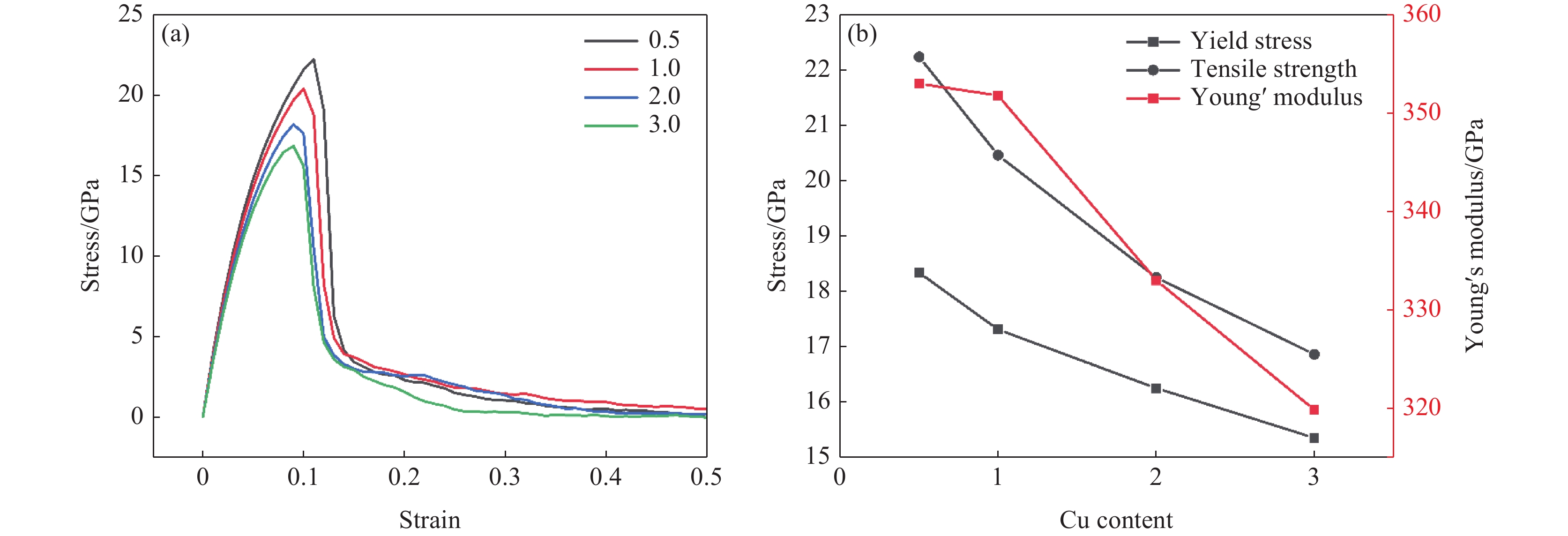
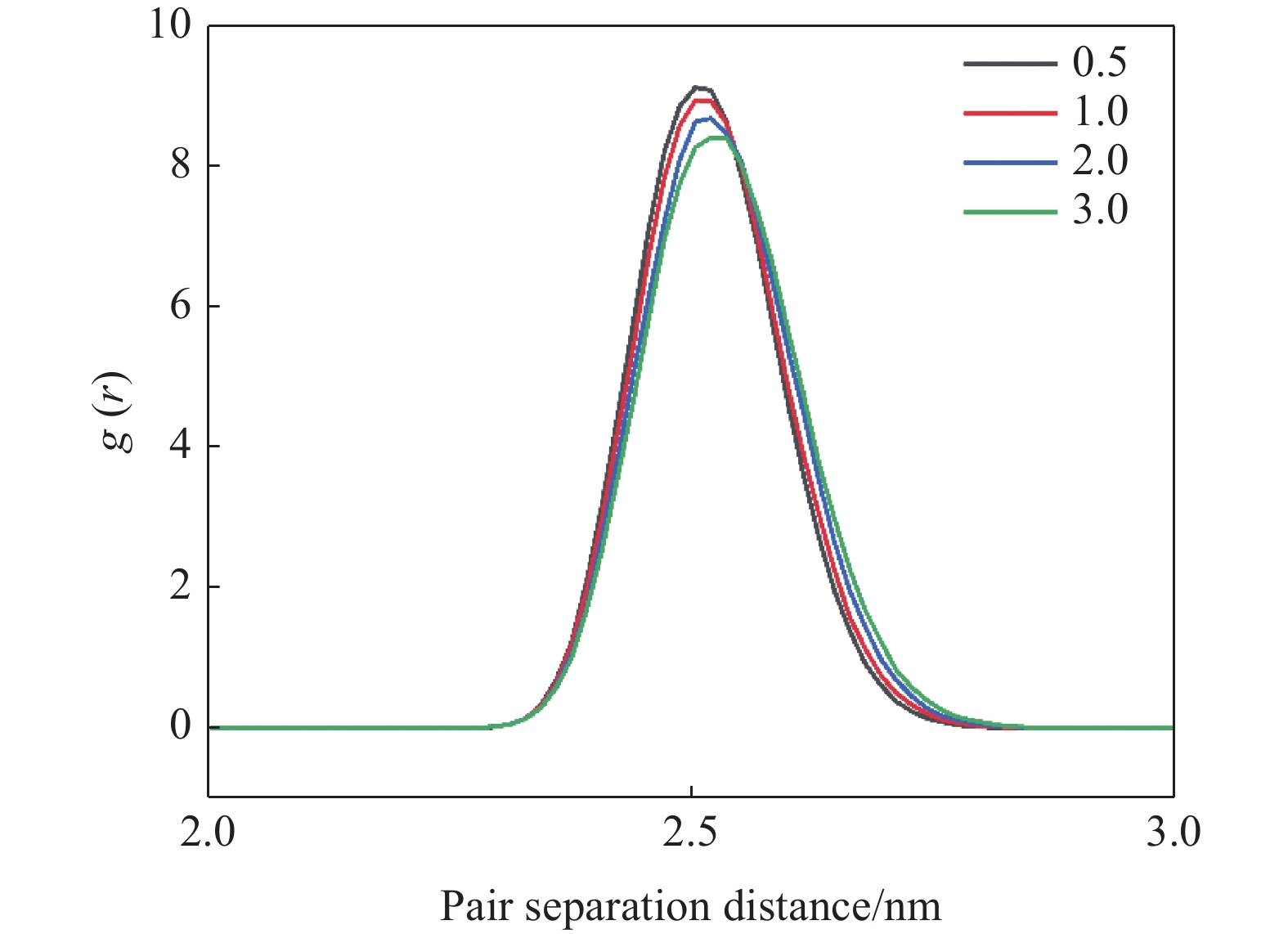
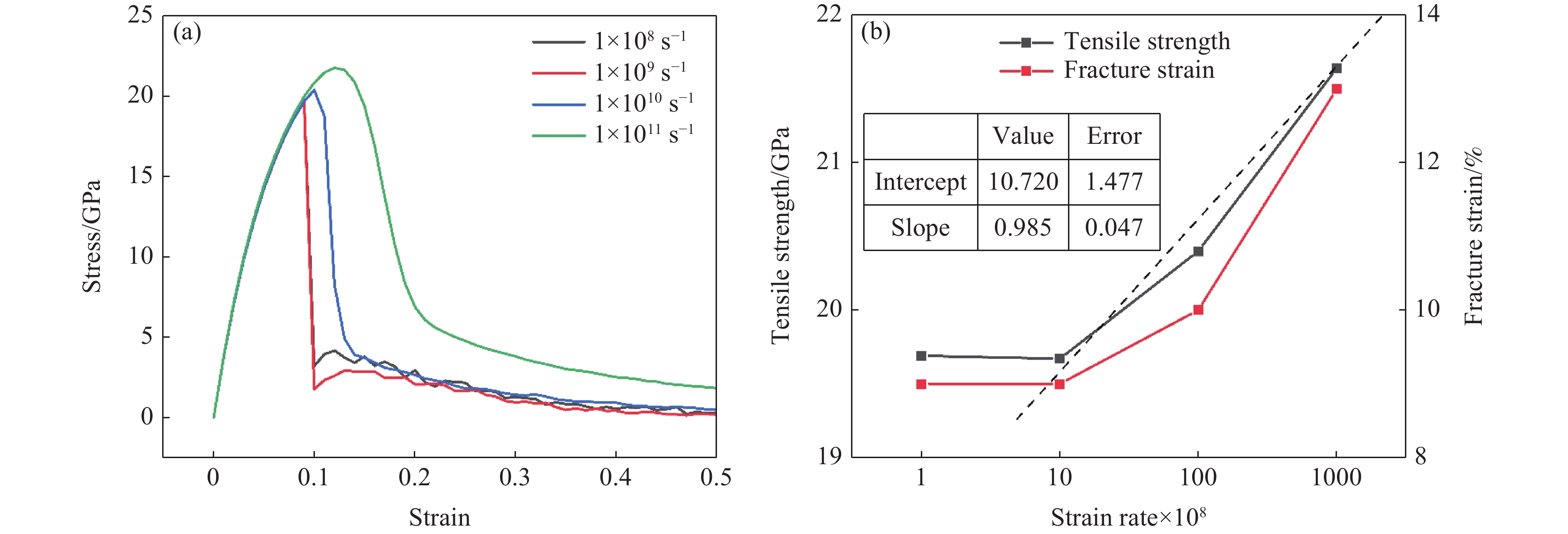
Using molecular dynamics (MD) simulations, the biaxial tensile behavior of CoCrFeNiCux (x=0.5, 1.0, 2.0, and 3.0) high-entropy alloys at different strain rates was simulated. The effects of copper content and strain rate on the biaxial tensile stress-strain behavior and the microscopic deformation mechanisms were analyzed. The results indicated that during the biaxial tensile process of CoCrFeNiCux high-entropy alloys, the face-centered cubic (FCC) structure and irregular atomic structure can transform into each other. As the Cu content increases, the Young's modulus, yield strength, and ultimate tensile strength of CoCrFeNiCux high-entropy alloys decrease, while an increase in strain rate enhances their ultimate tensile strength and fracture strain. Compared to the uniaxial tension, the stress-strain behavior under both stress states exhibits the strain hardening and strain rate strengthening effects. However, under biaxial loading, the yield strength increases, while the ultimate tensile strength and failure strain significantly decrease. This study provides important reference value for the design and preparation of this alloy.
Study on the effect of rolling process on the deformation resistance of low carbon micro-Nb steel and its model
ZHENG Wanjie, PANG Houjun, ZENG Wu, WANG Yunfeng, XU Guang, TIAN Junyu
2025, 46(5): 93-101. doi: 10.7513/j.issn.1004-7638.2025.05.010
Abstract(21) HTML (10) PDF(7)
Abstract:
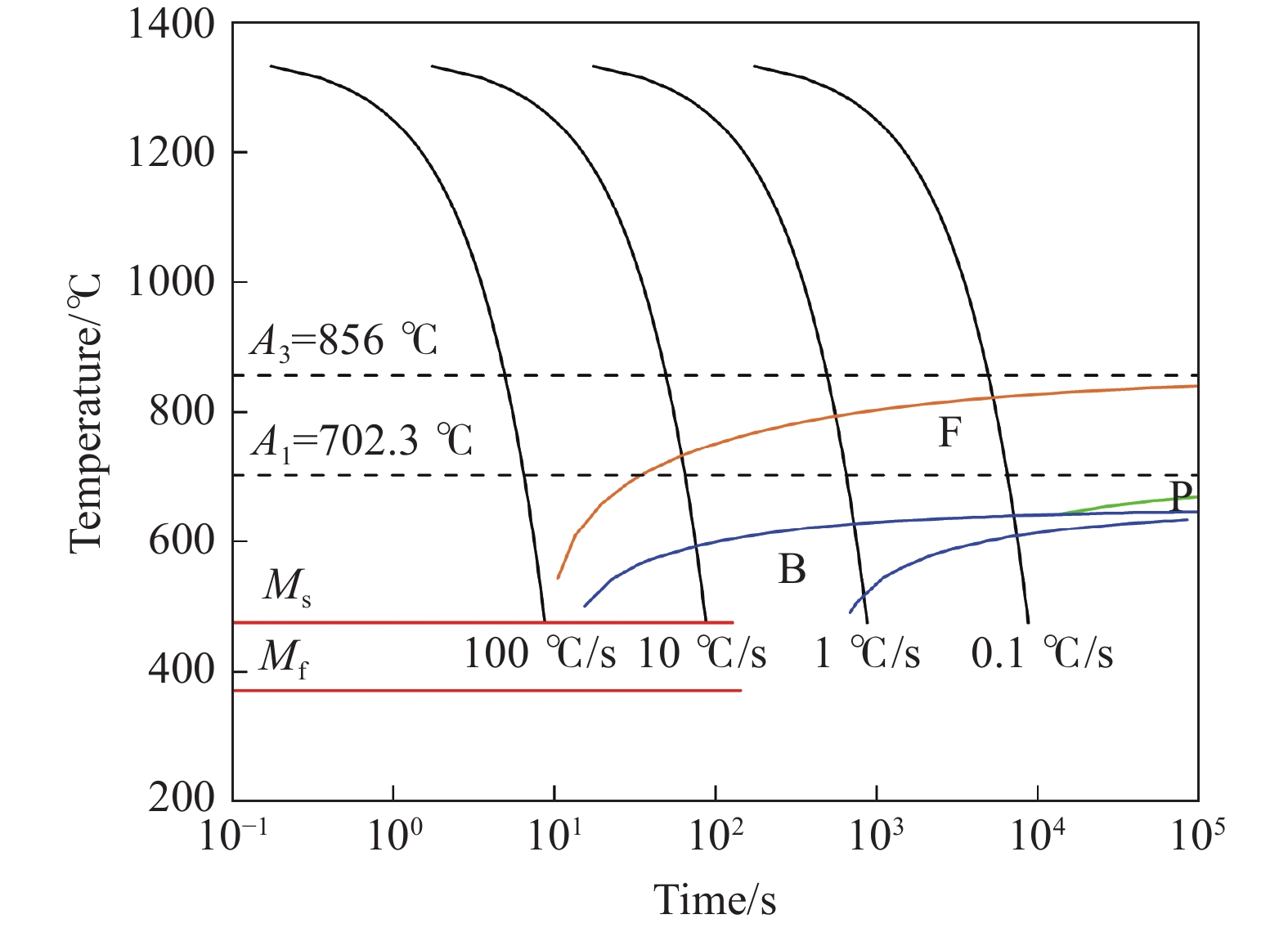
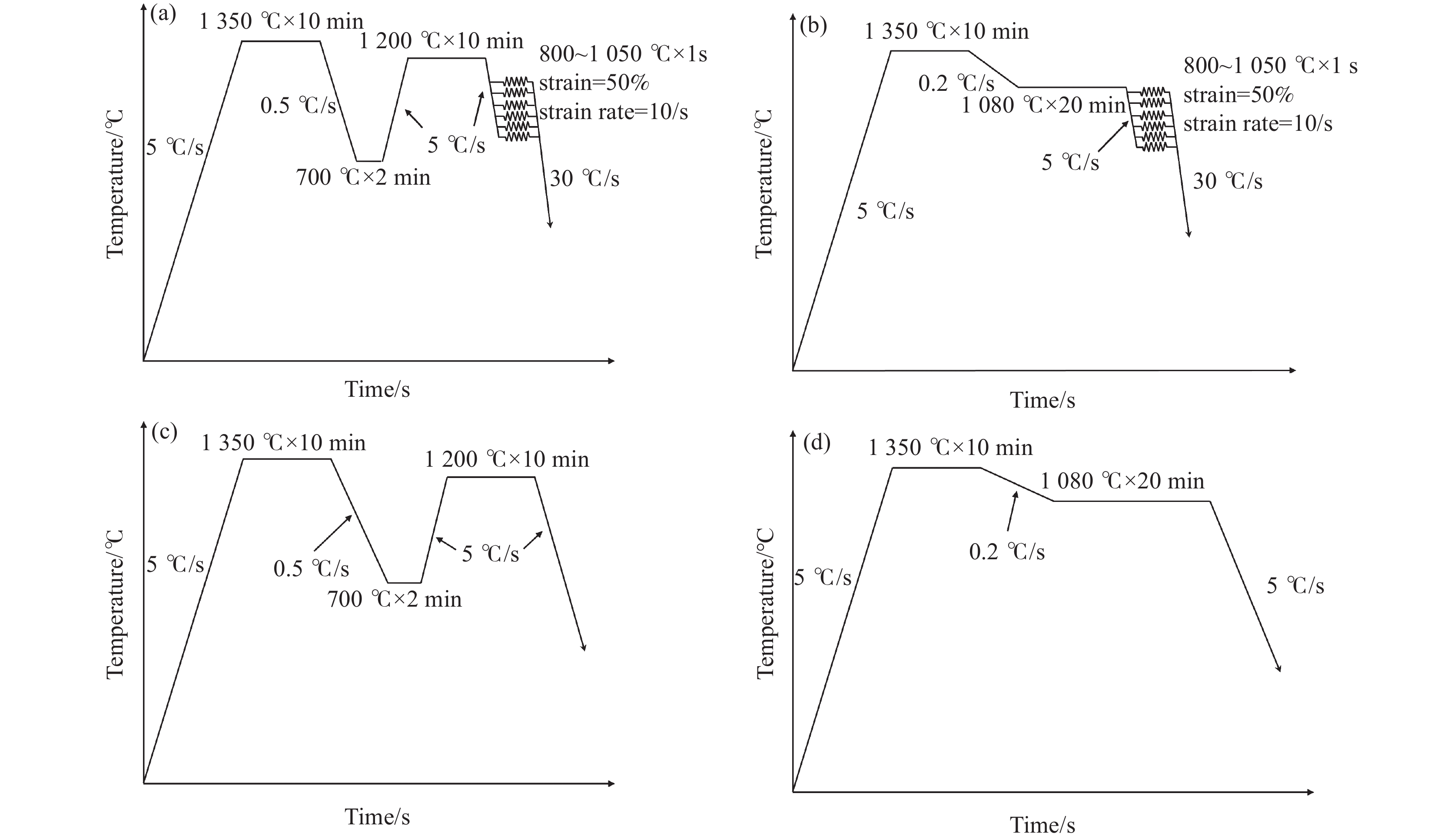
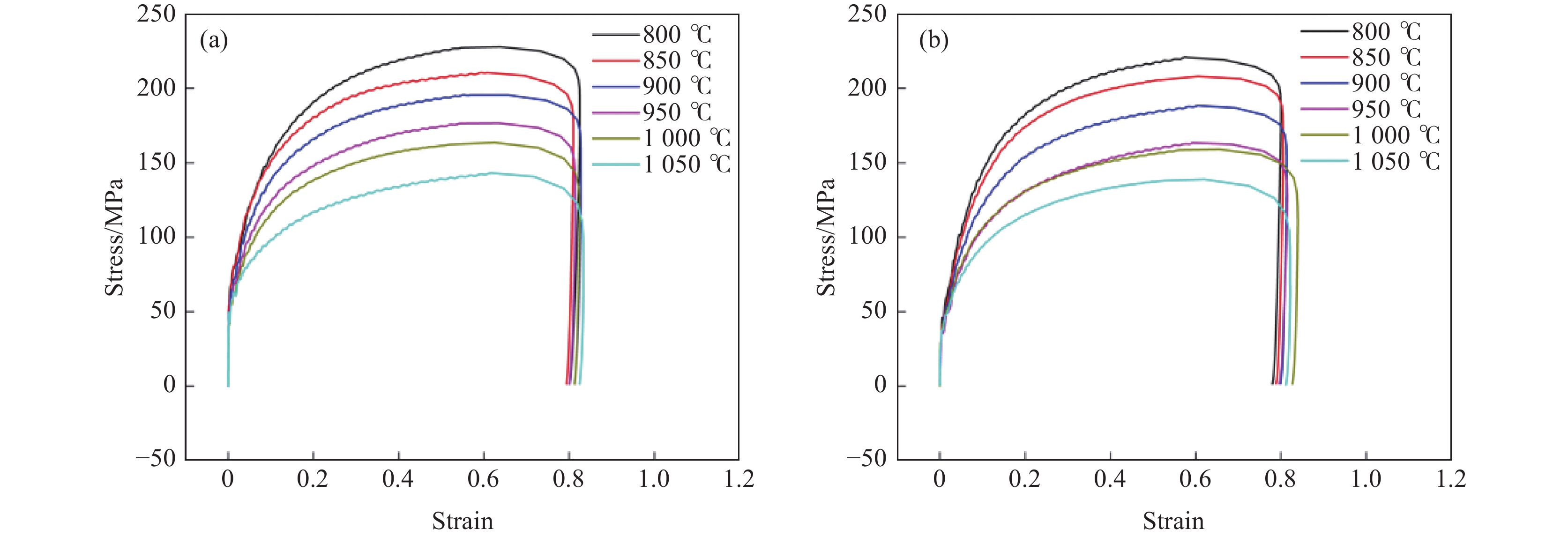
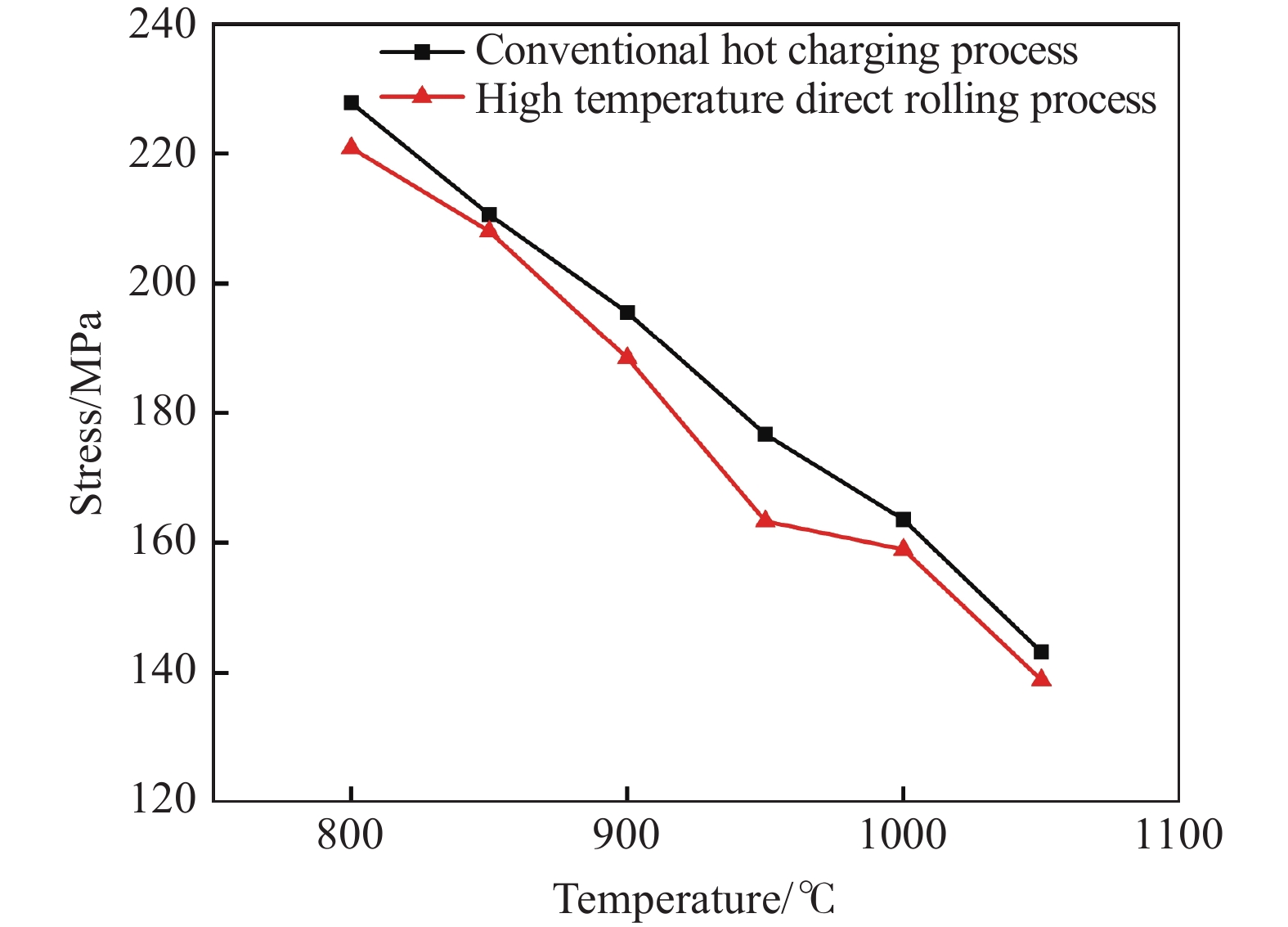
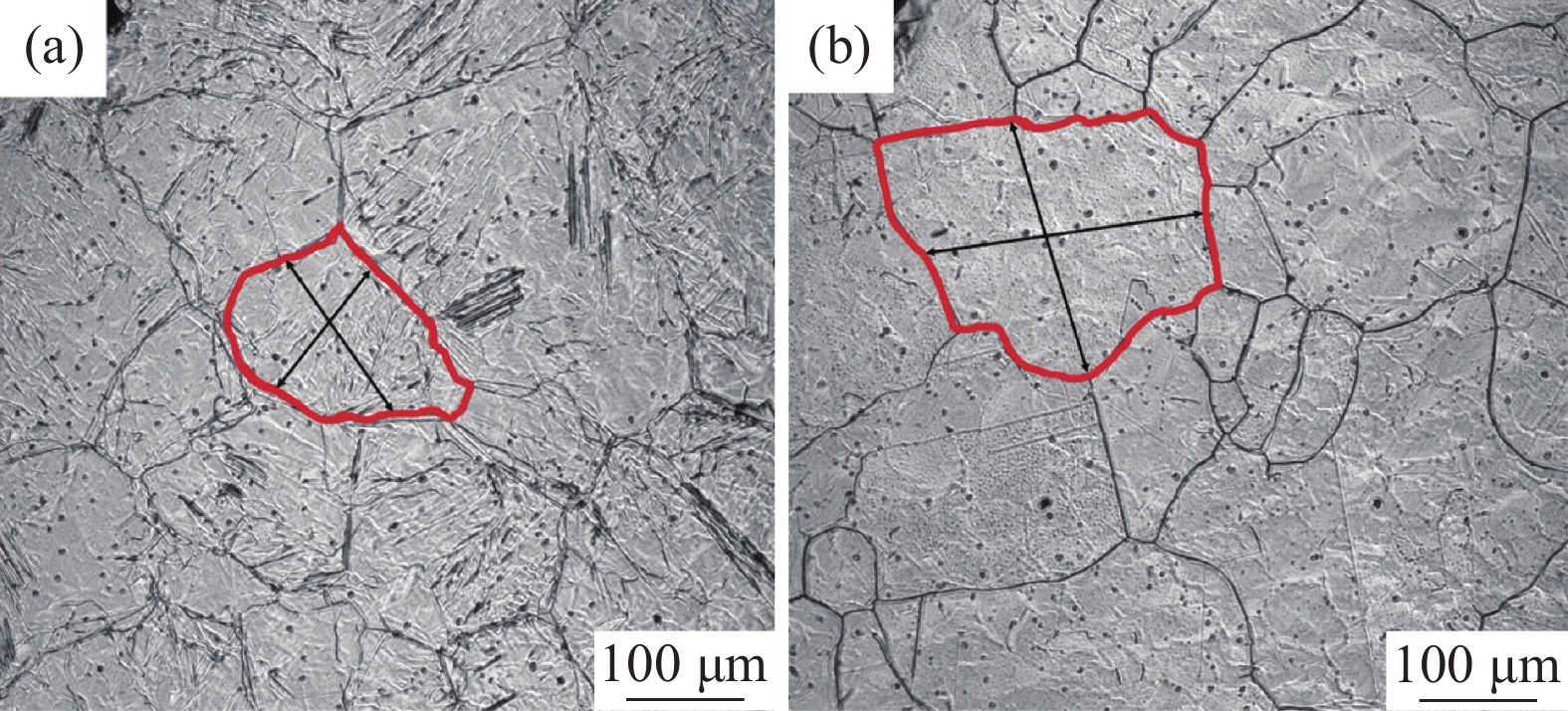
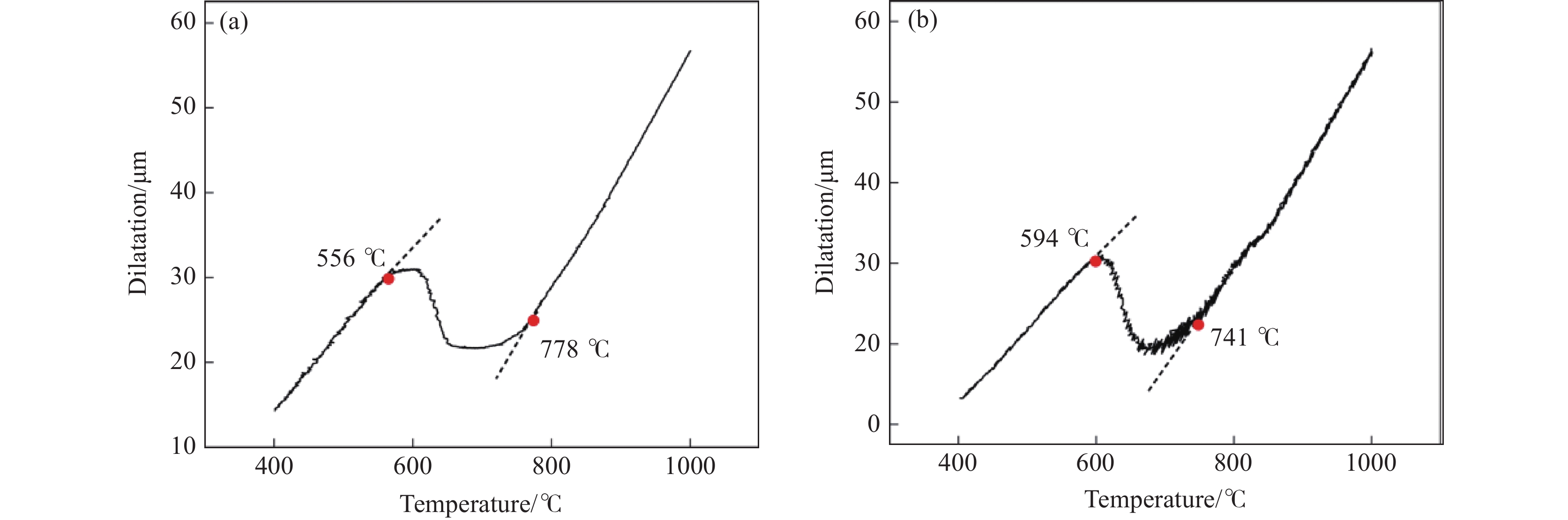
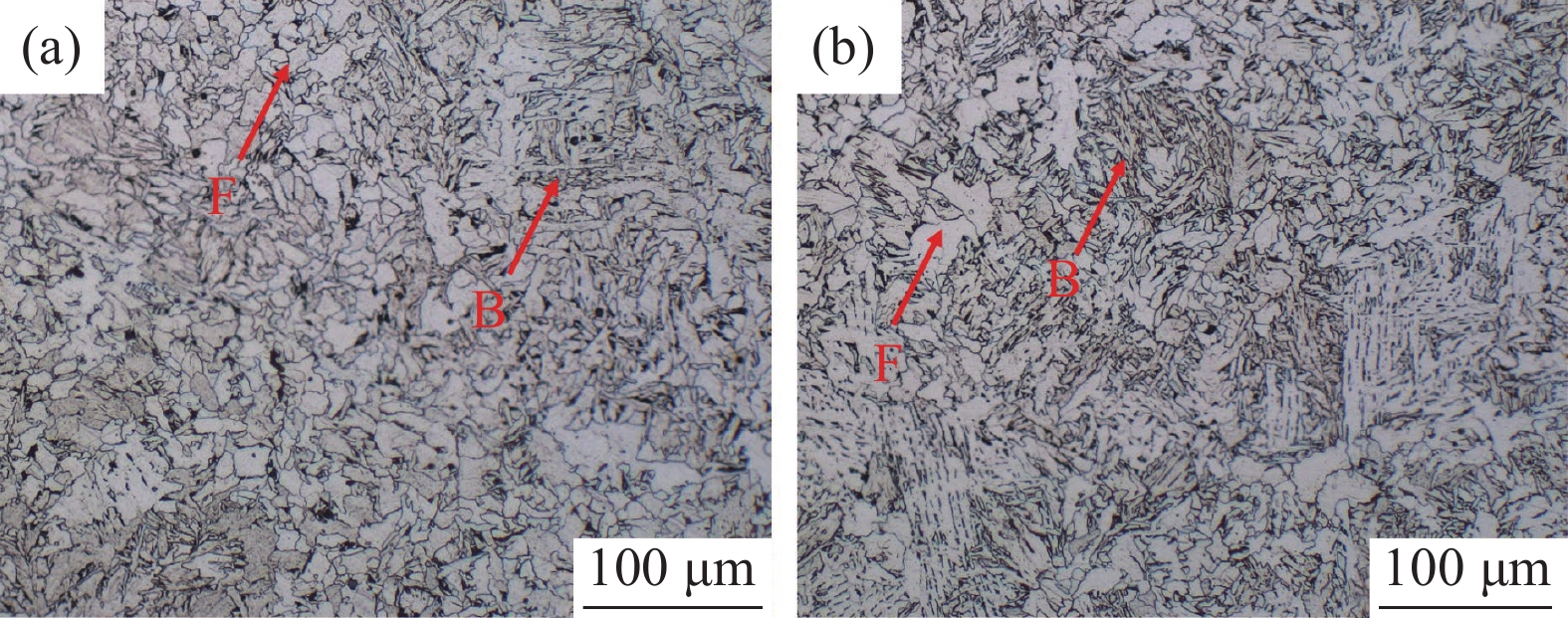
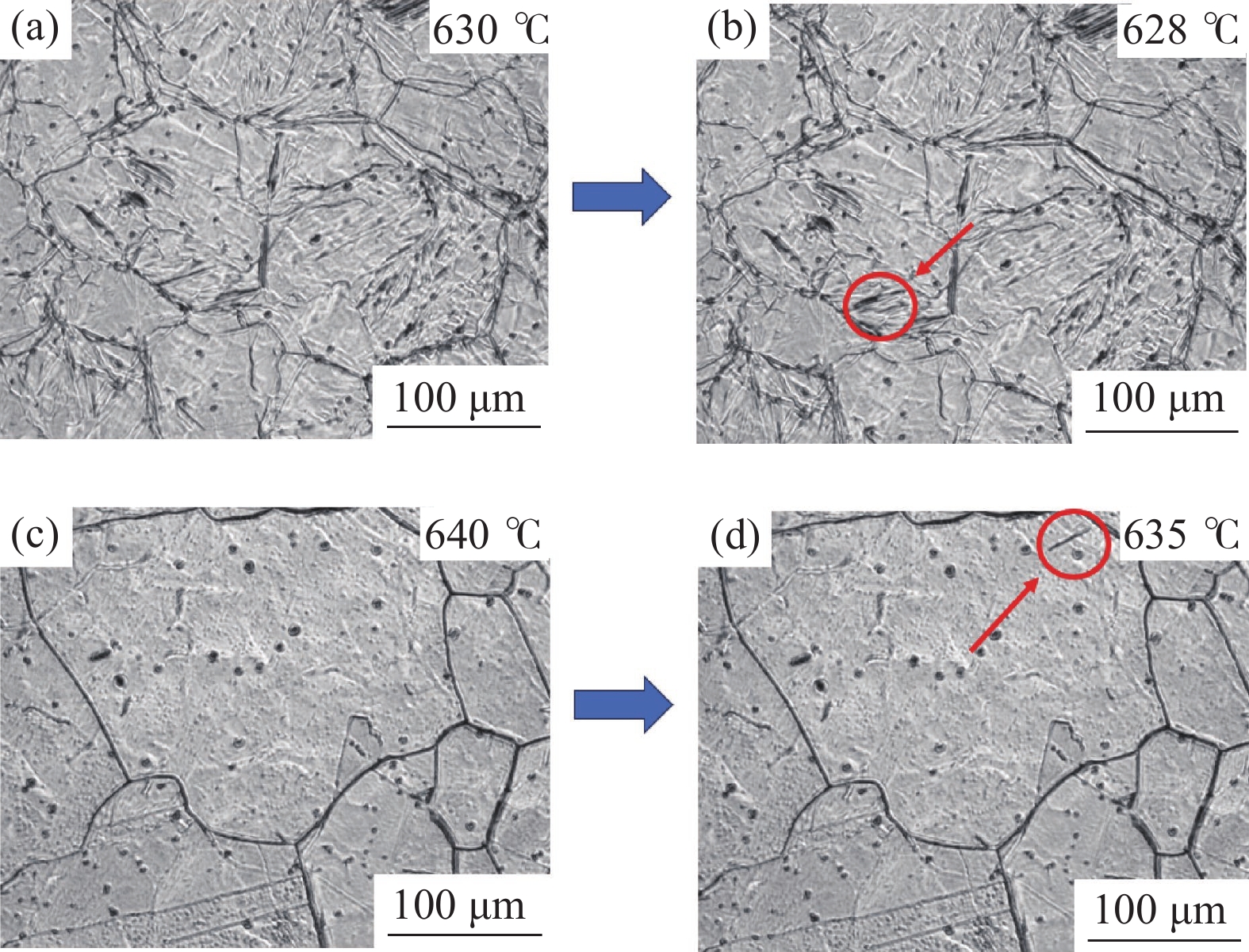
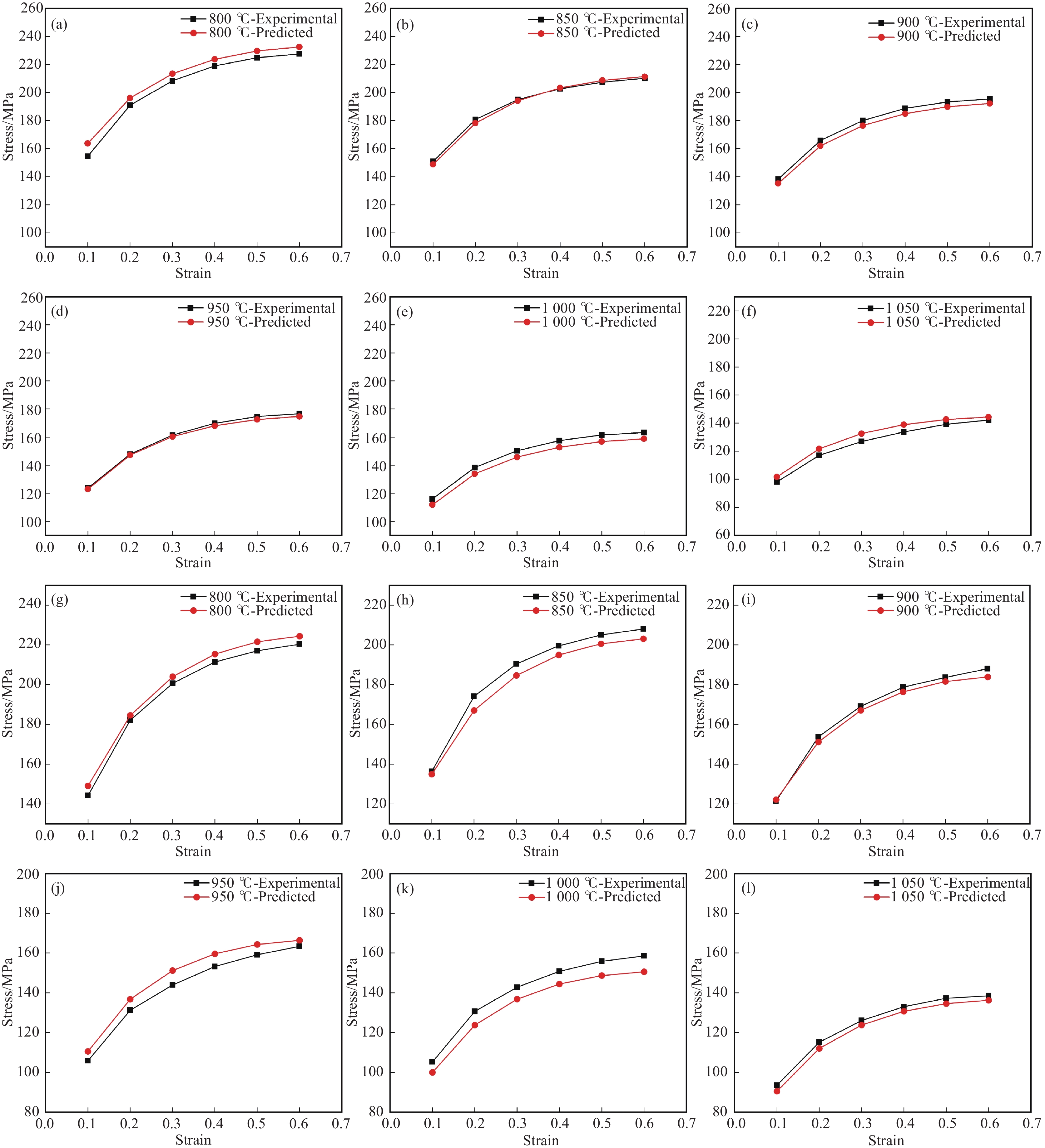
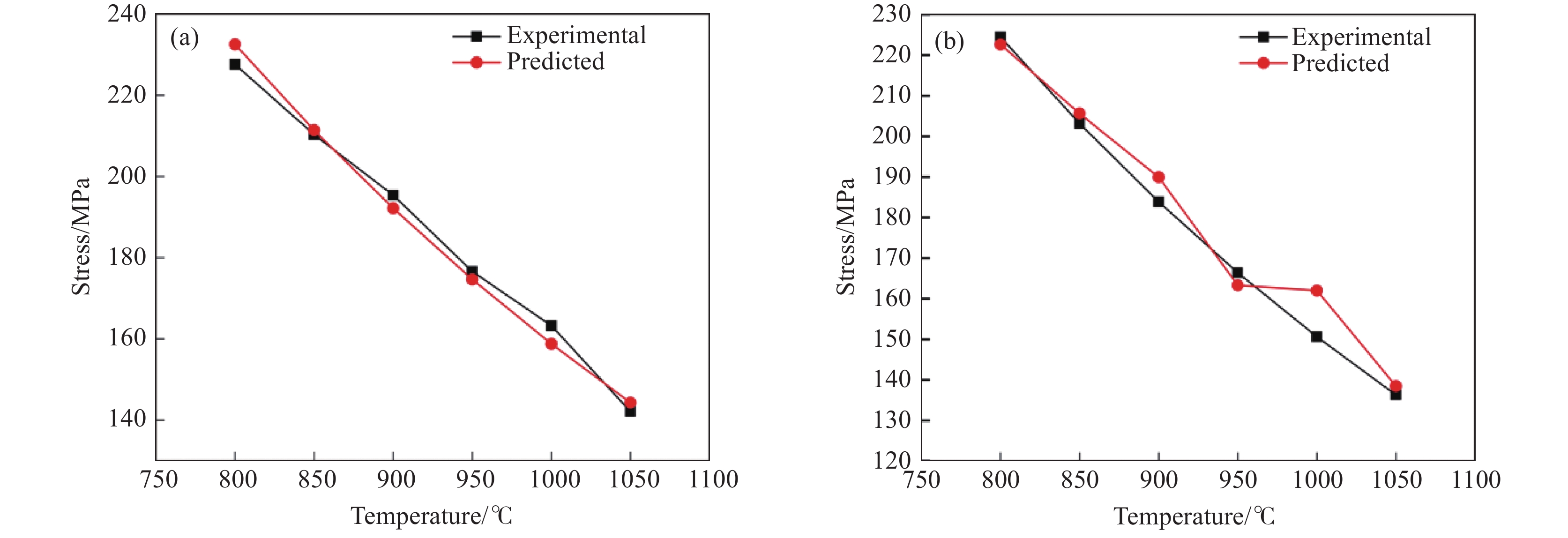
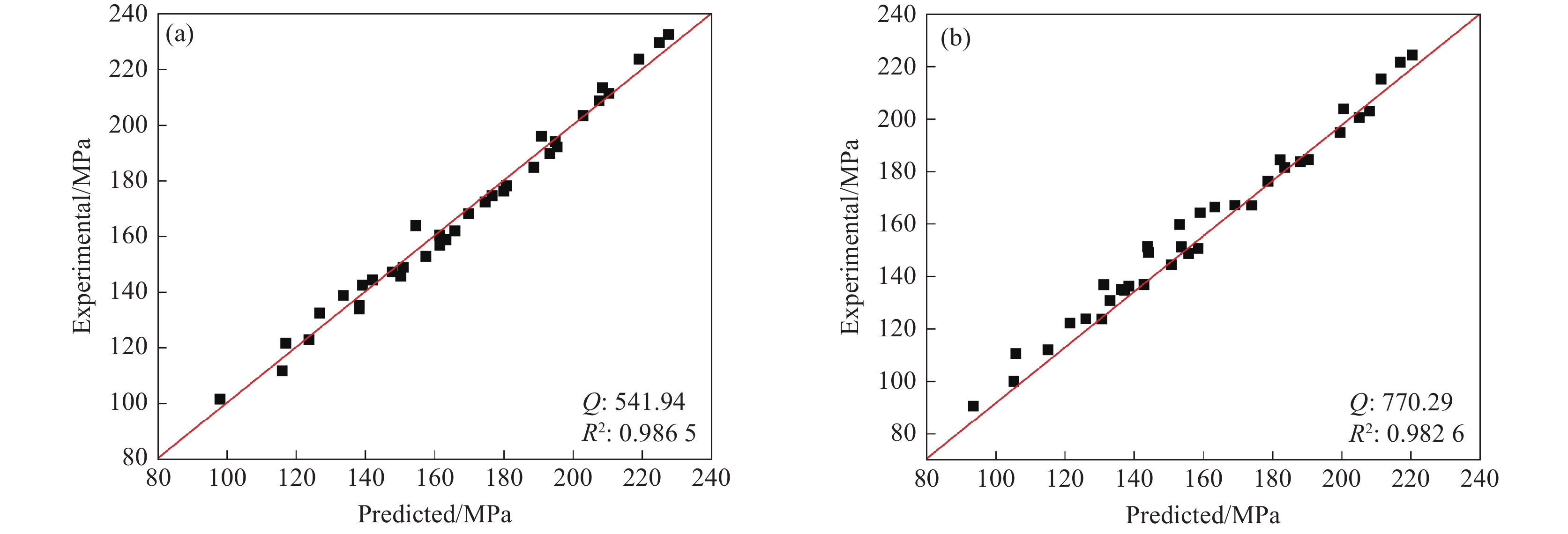
The deformation resistance of metals during deformation is influenced by various factors. Among them, the deformation temperature, deformation process, and strain-induced phase transformation all have an impact on the deformation resistance. This article focuses on low carbon micro-Nb steel and conducts thermal compression experiments using a Gleeble-3500 thermal simulation testing machine. Simultaneously, the in-situ high-temperature morphology under conventional hot charging and high-temperature direct rolling was observed by high-temperature laser confocal microscope. The results show that as the deformation temperature increases from 800 ℃ to 1050 ℃, the maximum deformation resistance during high-temperature direct rolling decreases from 220.9 MPa to 138.9 MPa, while the maximum deformation resistance under the conventional hot charging process decreases from 227.9 MPa to 143.8 MPa. It is mainly because when the deformation temperature gradually increases, the thermal activation energy is enhanced, and the movement of dislocation becomes easier, which leads to a decrease in the deformation resistance. In addition, when the deformation temperature is the same, the deformation resistance of the conventional hot charging process is larger than that of the high-temperature direct rolling process. It is due to the original austenite grain size under the conventional hot charging process (98.7 μm) is smaller than that under the high-temperature direct rolling process (107.0 μm). During the cooling process before reheating in the conventional hot charging process, a ferrite phase transformation occurs, and austenitization occurs again after reheating, making the newly formed austenite grains smaller than the original austenite grains. Therefore, the smaller original austenite grain size under the conventional hot charging process leads to the stronger fine-grain strengthening effect, resulting in greater deformation resistance. Additionally, the experimental data of deformation resistance under different rolling processes were fitted and corrected by using the deformation resistance models proposed by Guan Kezhi and Zhou Jihua, and a deformation resistance prediction model for the tested steel during high-temperature deformation was established. The coefficient of determination R2 of the models for the conventional hot charging process and the high-temperature direct rolling process reaches 0.9865 and 0.9826 respectively, indicating a high fitting accuracy between the model's predictions and the experimental results.

Deep applications of machine learning in cold strip rolling industry: opportunities and challenges
ZONG Nanfu, QI Zhen, JING Tao, SHEN Houfa, JEAN-CHRISTOPHE Gebelin, MARYAM Khaksar Ghalati
2025, 46(5): 102-110. doi: 10.7513/j.issn.1004-7638.2025.05.011
Abstract(36) HTML (21) PDF(8)
Abstract:
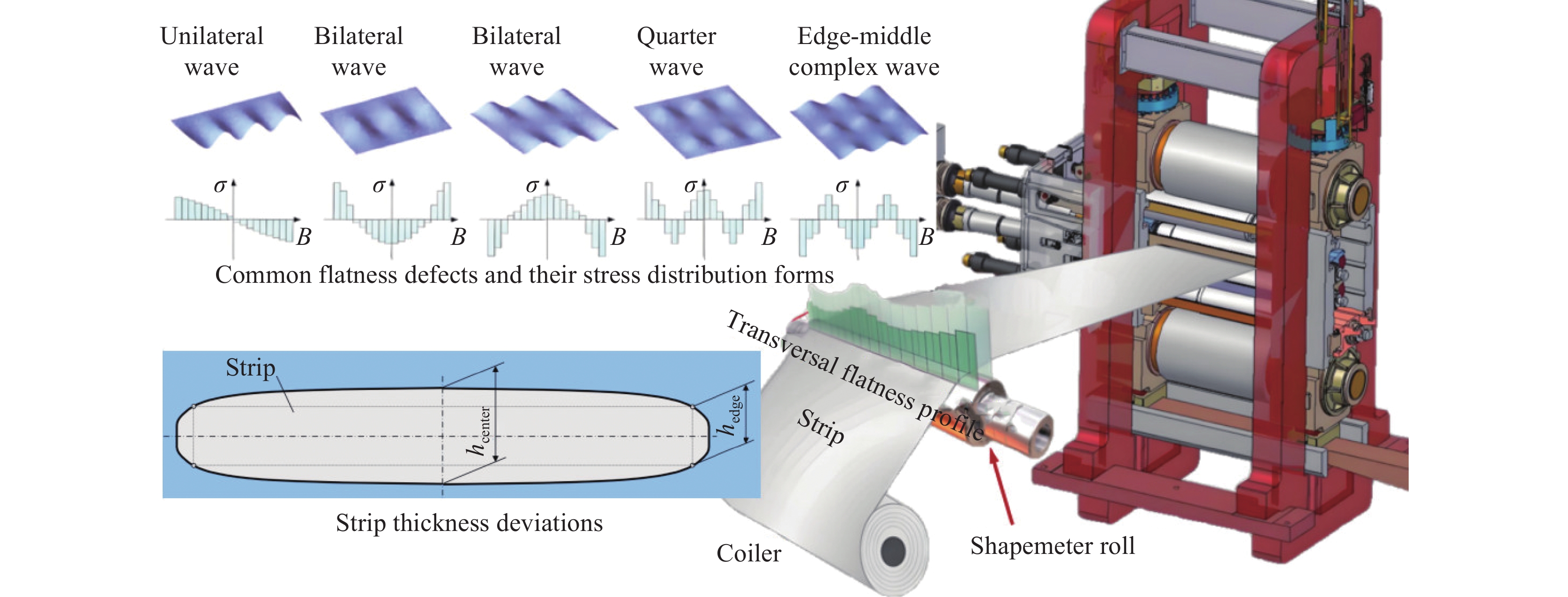
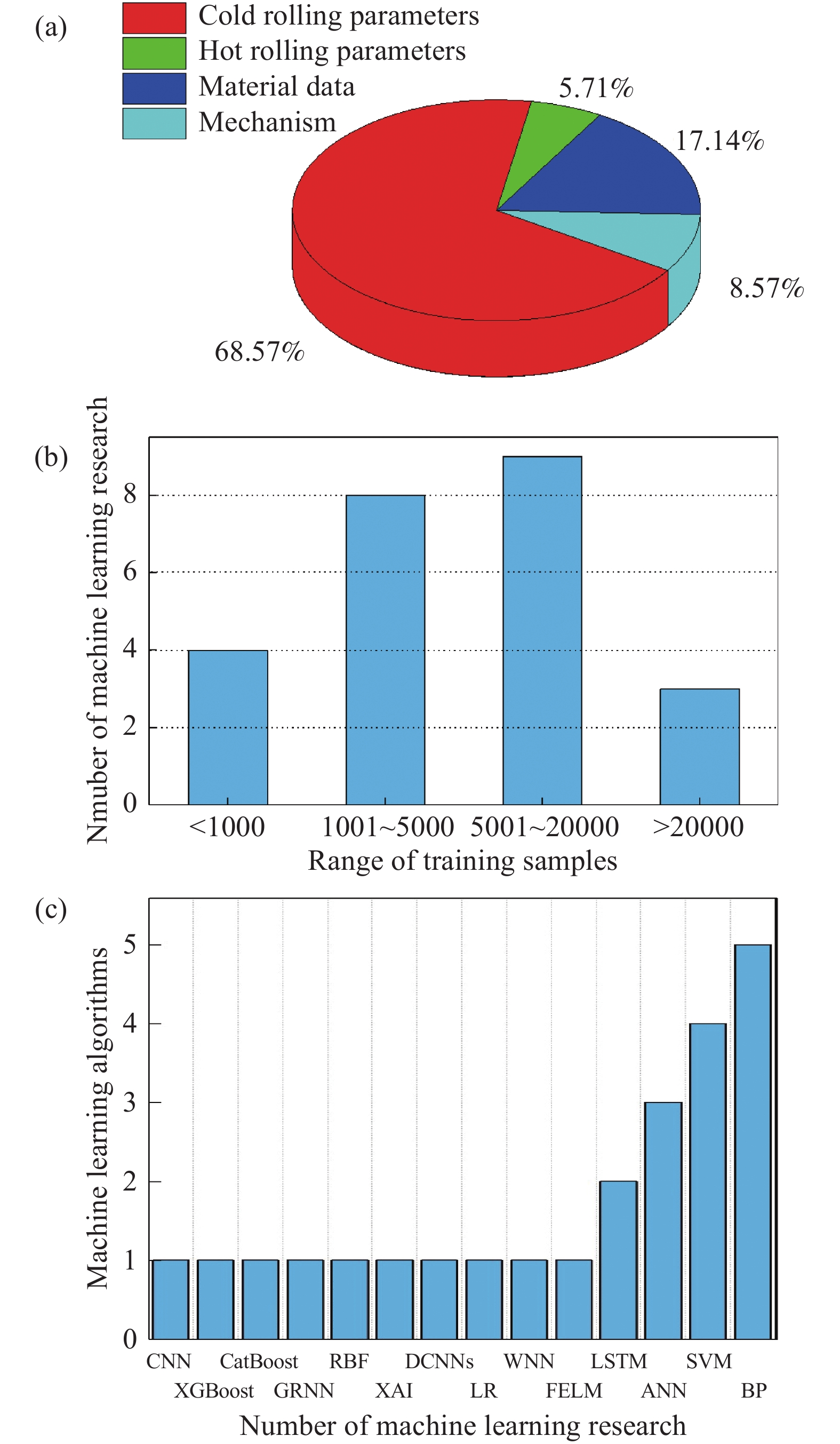
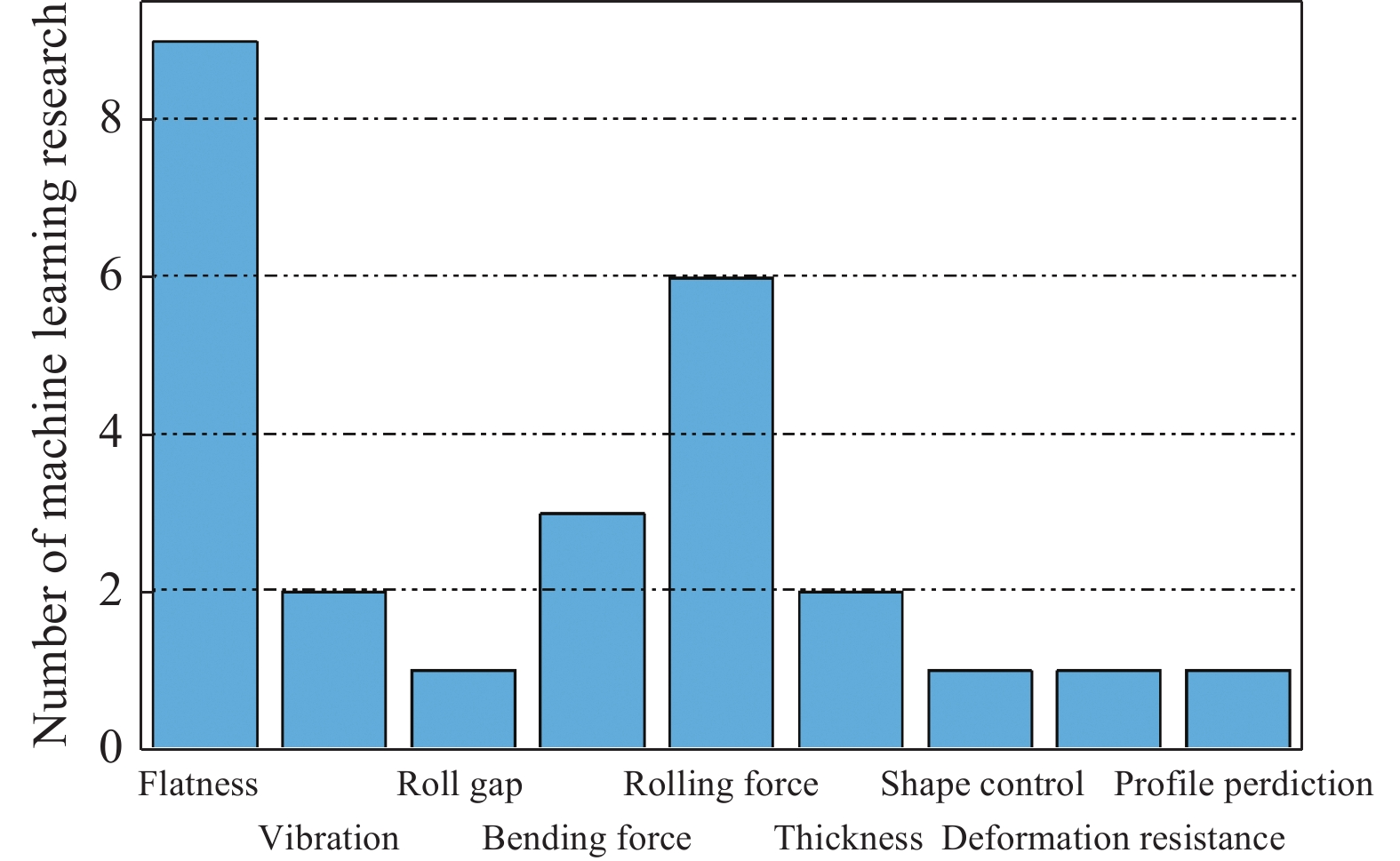
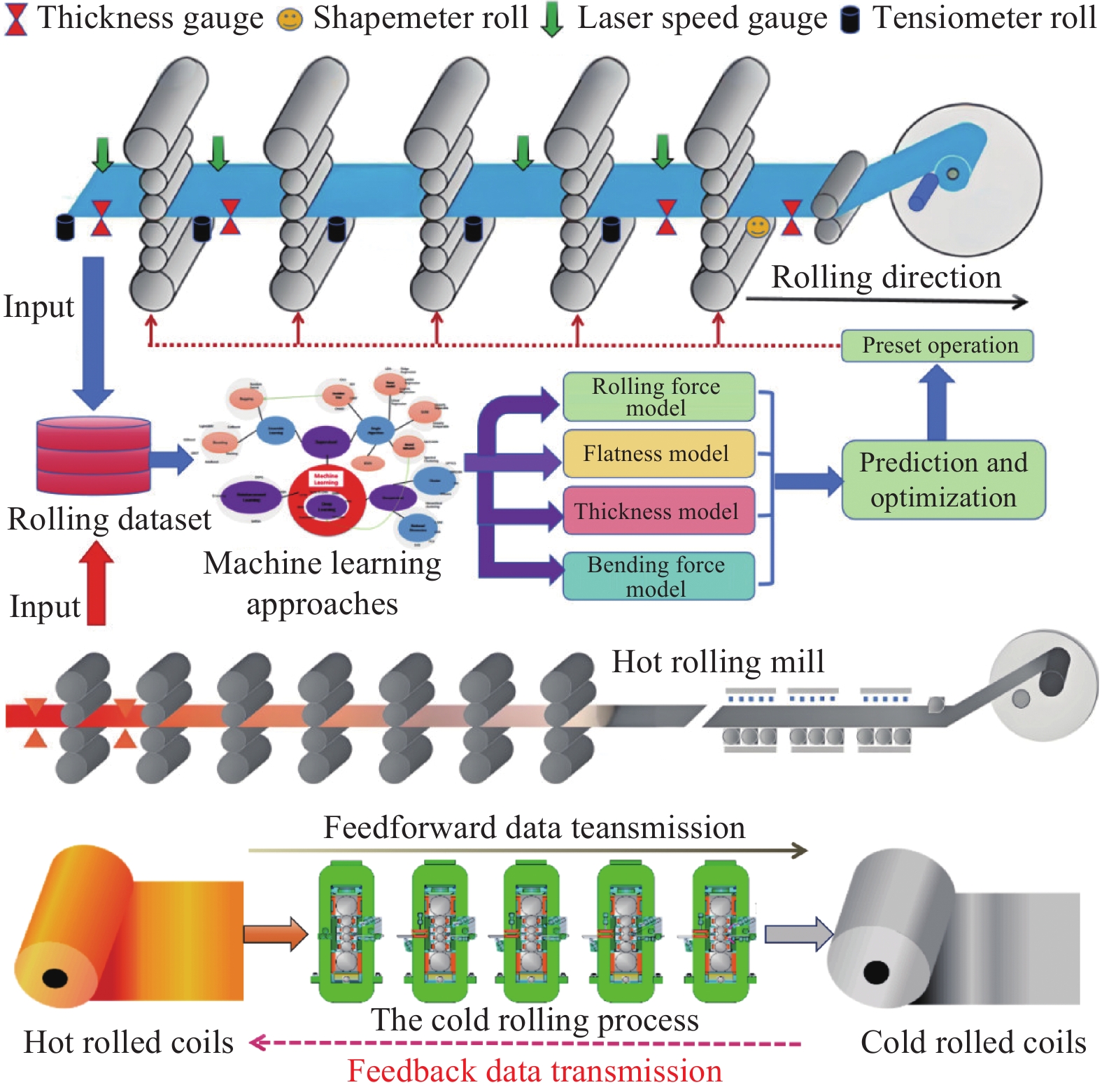
The strip cold rolling process is a critical component of iron and steel manufacturing, yet it is often plagued by challenges such as flatness defects, thickness variations, and rolling mill vibrations, which can significantly impact productivity and product quality. Machine learning (ML) has emerged as a powerful tool to address these issues by analyzing vast amounts of process data to predict and mitigate potential defects in real-time. By leveraging historical and real-time data, ML algorithms can identify complex patterns and correlations between operational parameters (such as roll force, roll gap, and rolling speed)and key quality indicators like flatness and thickness uniformity. This enables the optimization of process parameters dynamically, ensuring consistent product quality while minimizing waste and downtime. Furthermore, ML-driven predictive models facilitate proactive adjustments to the rolling process, reducing the occurrence of defects and enhancing the overall efficiency. The integration of ML not only improves the precision and reliability of the cold rolling process but also leads to substantial cost savings and increased productivity.
Stacked ensemble learning model-based prediction and optimization of the grade of titanium dioxide in high titanium slag
ZHOU Kaimin, CAI Jinqiu, WANG Kaixuan, HOU Yanqing, HOU Jiao, WANG Jianguo
2025, 46(5): 111-122. doi: 10.7513/j.issn.1004-7638.2025.05.012
Abstract(27) HTML (9) PDF(7)
Abstract:
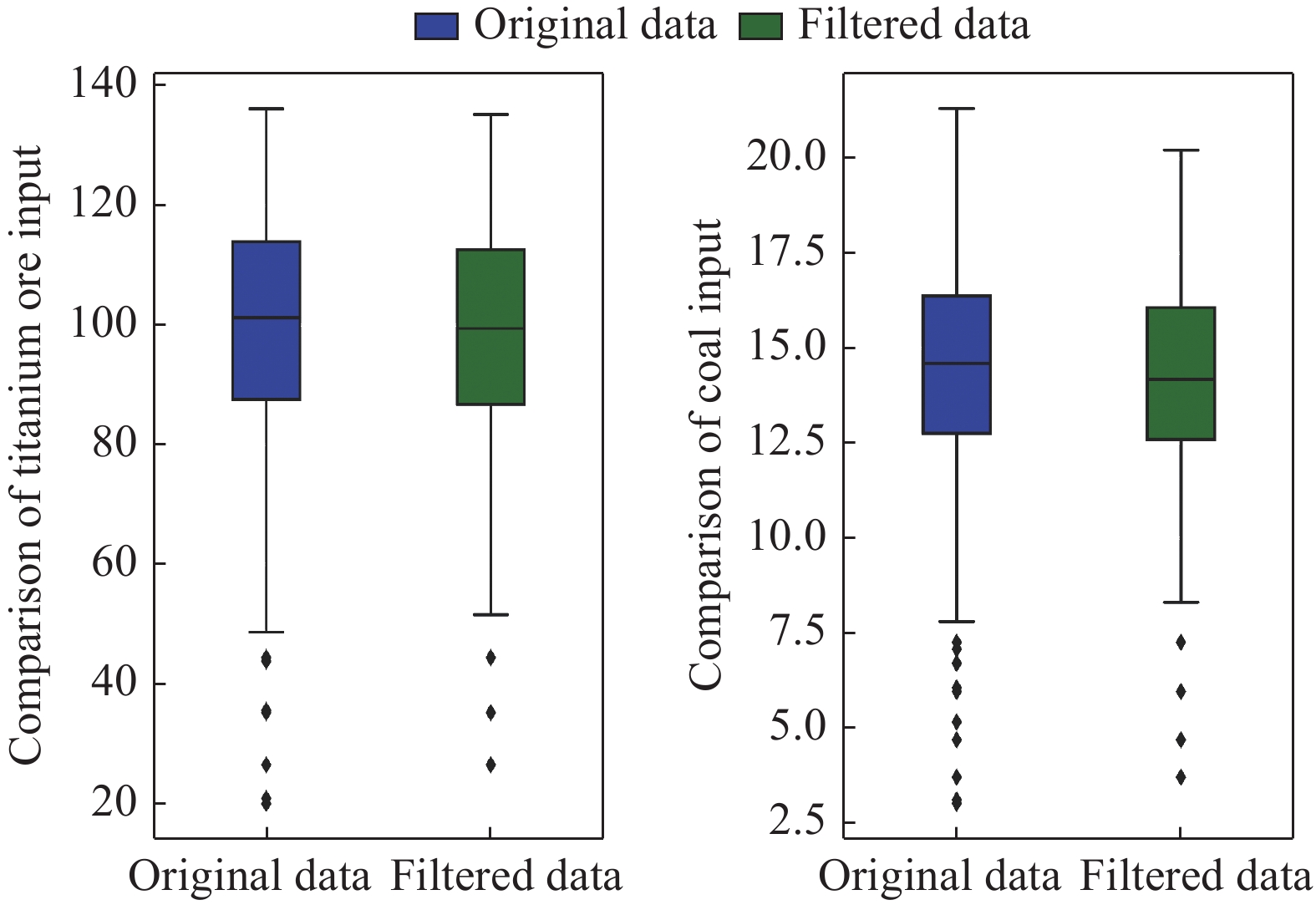
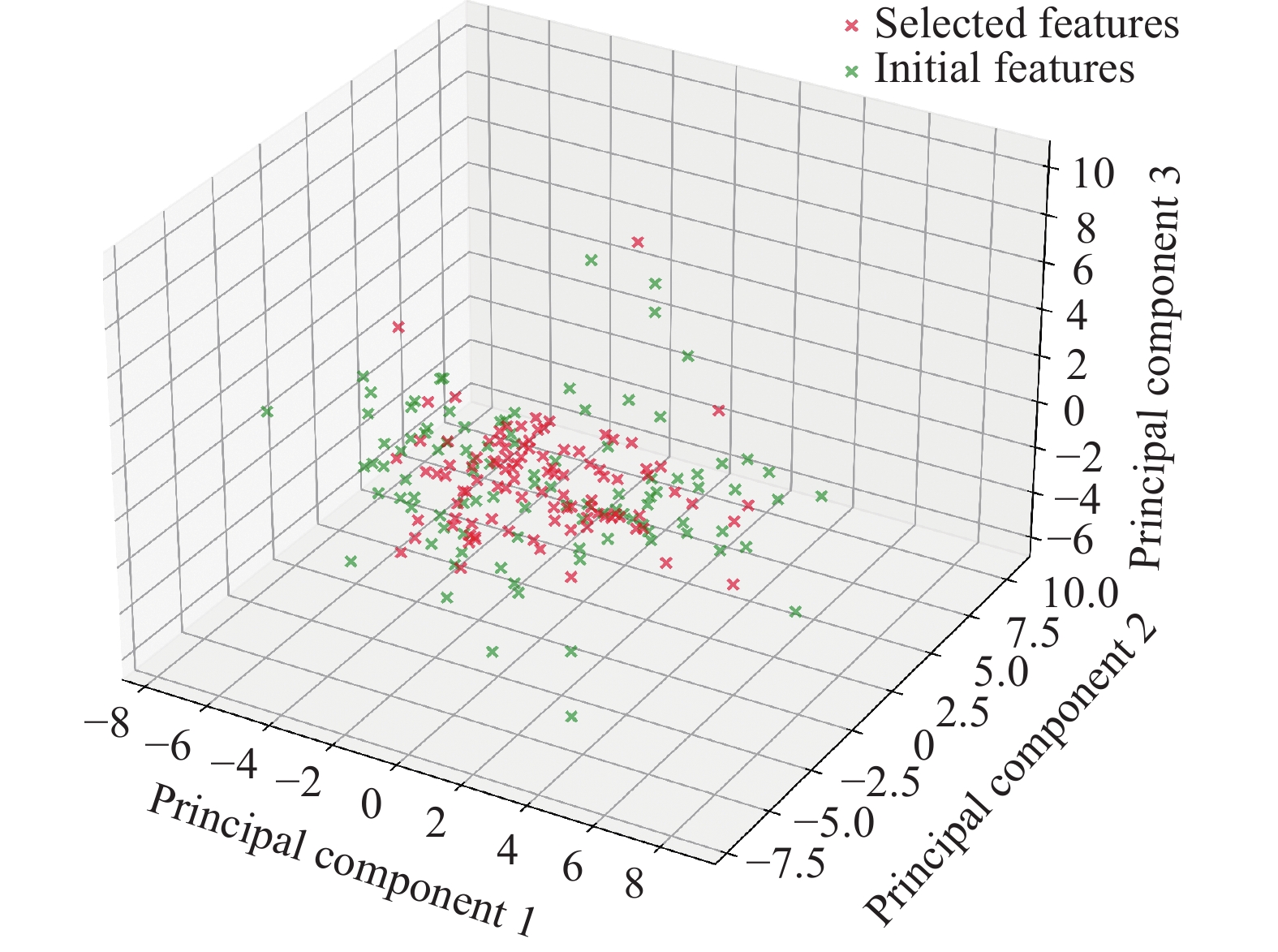
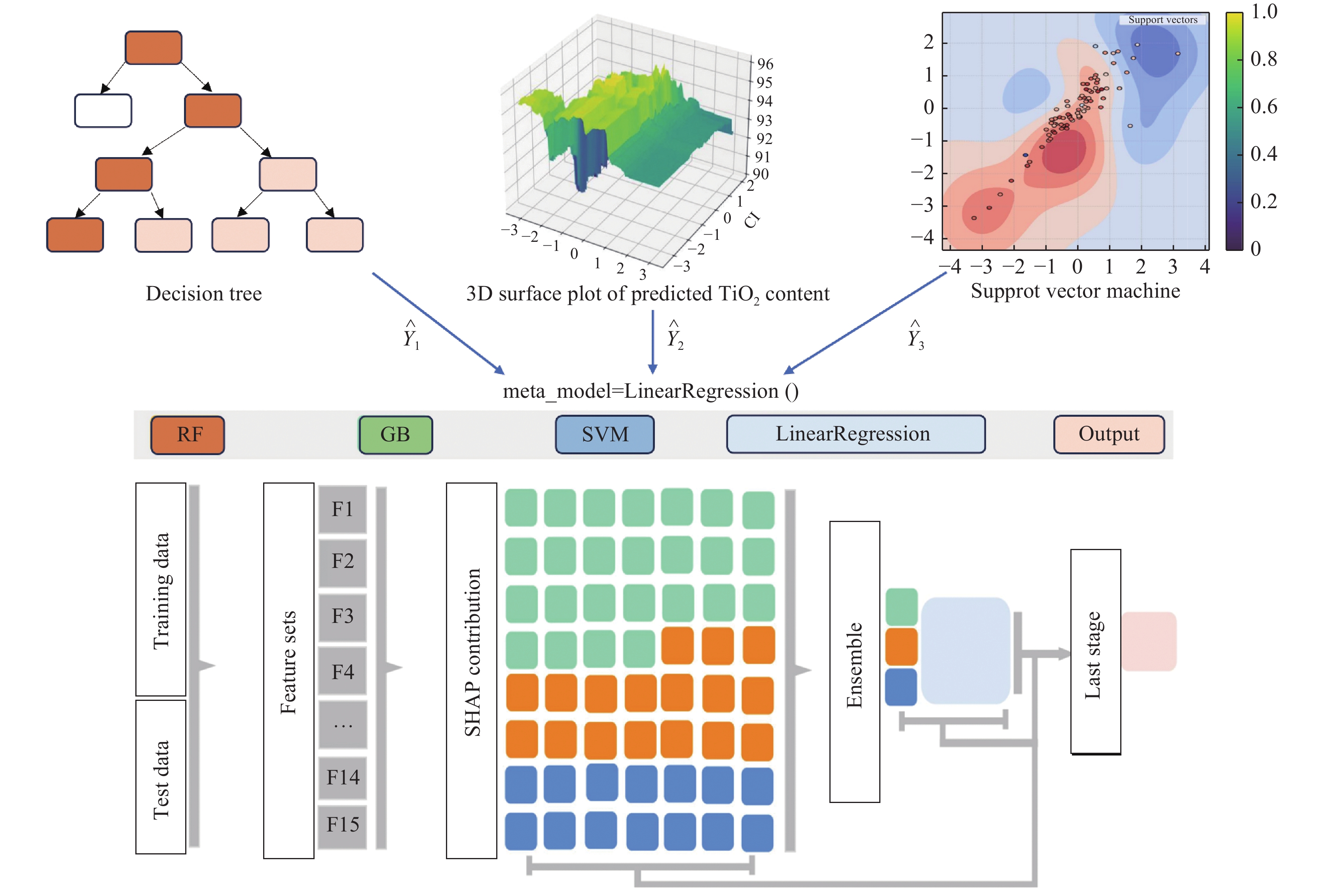
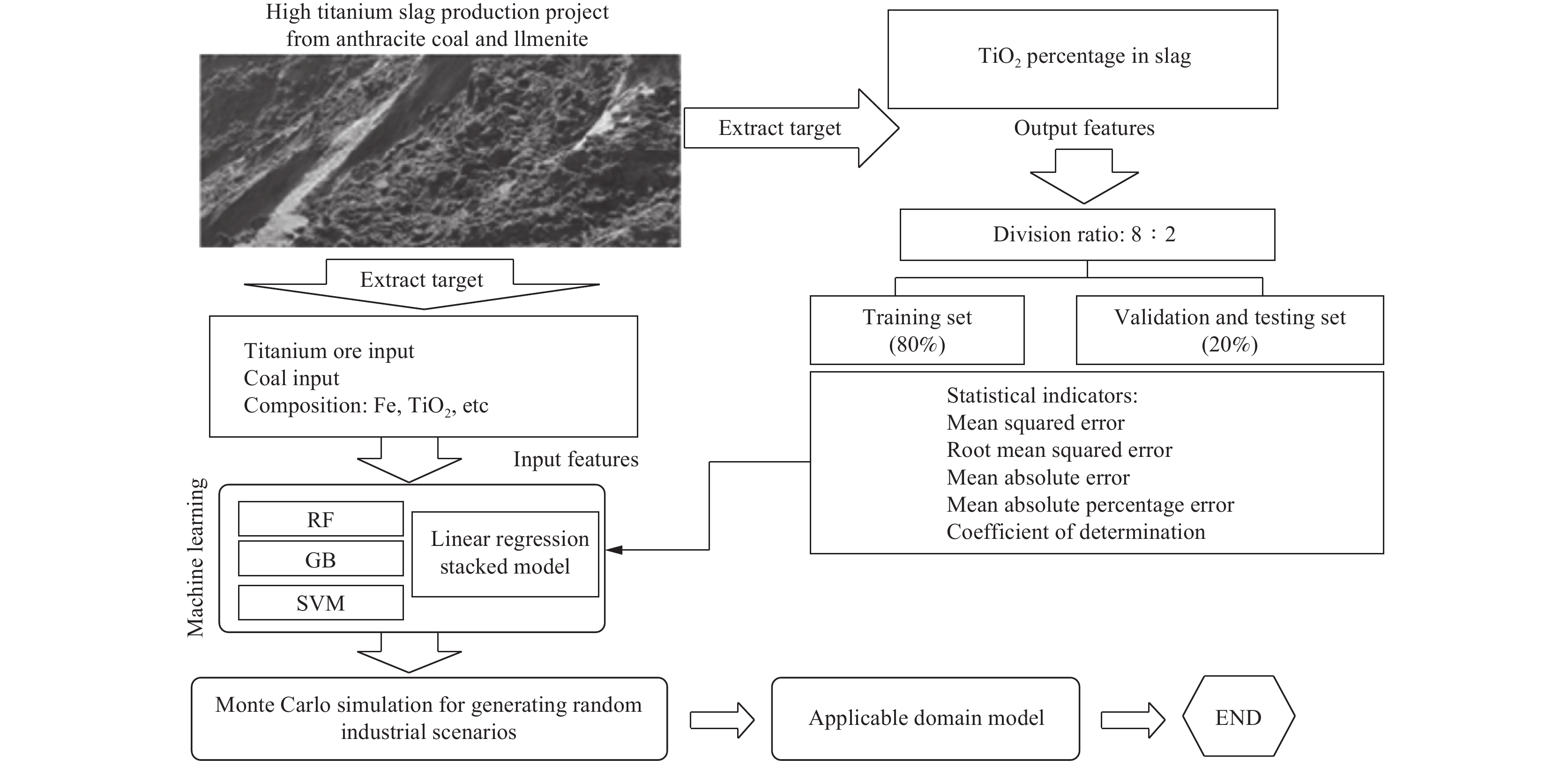
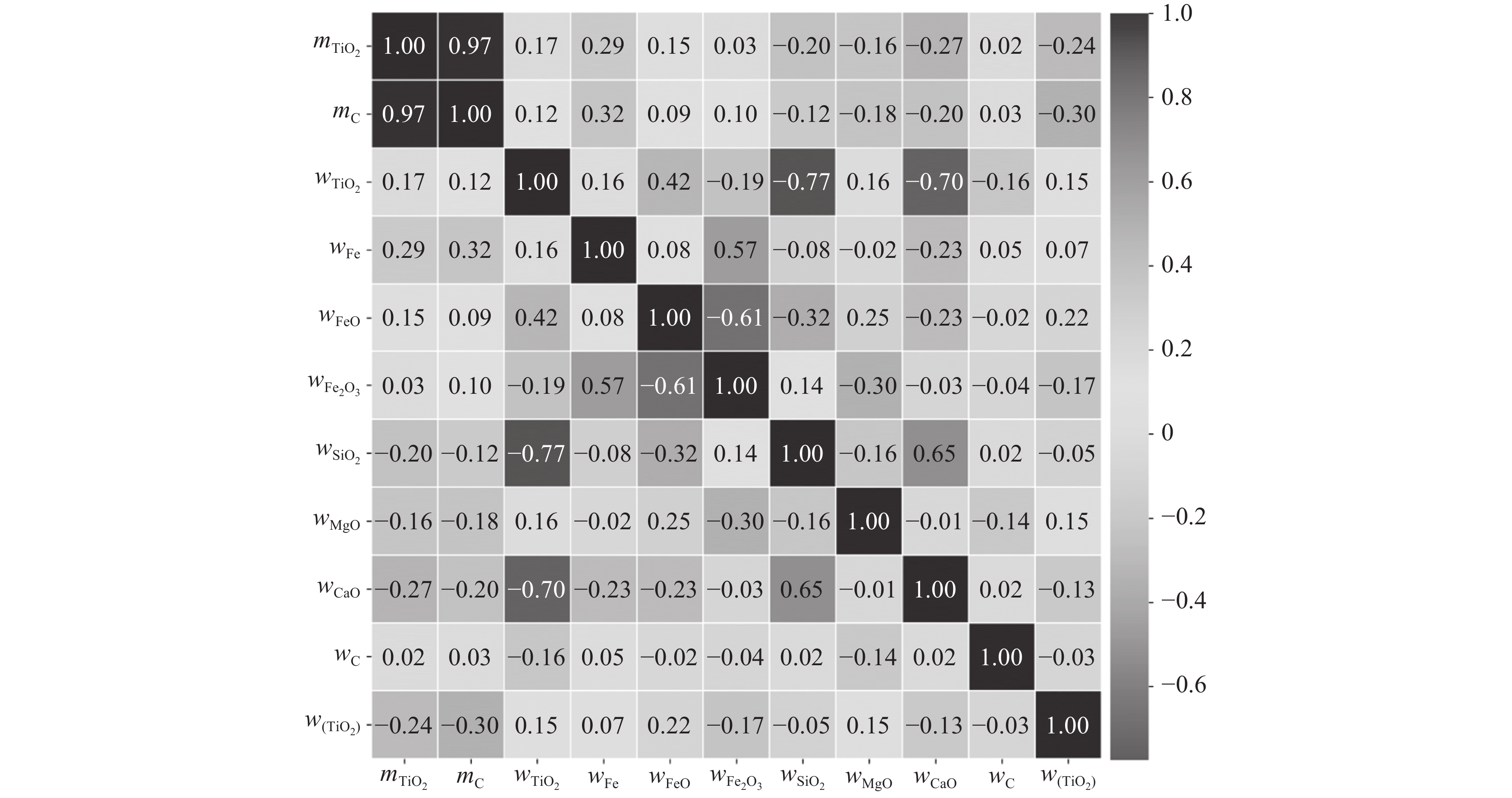
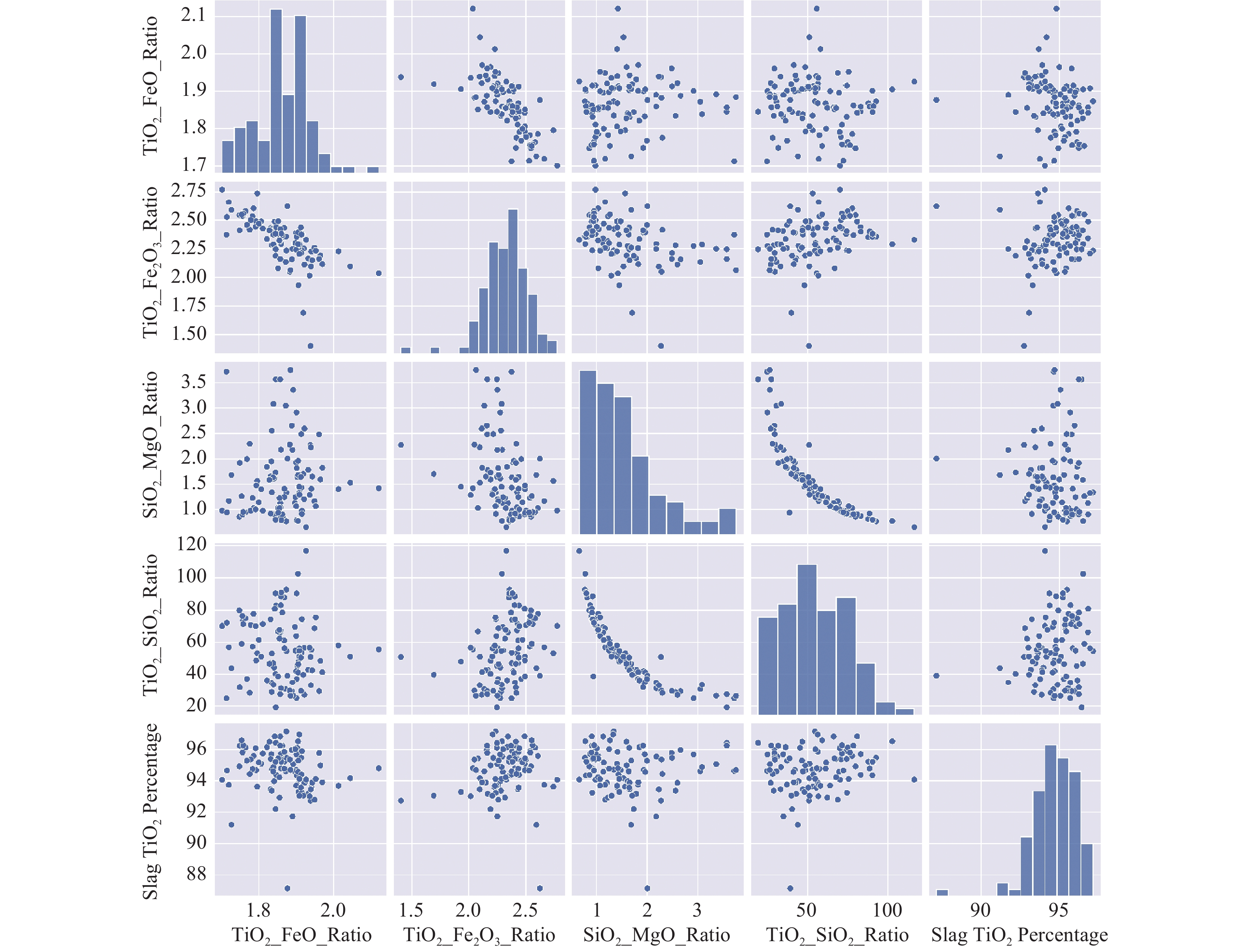
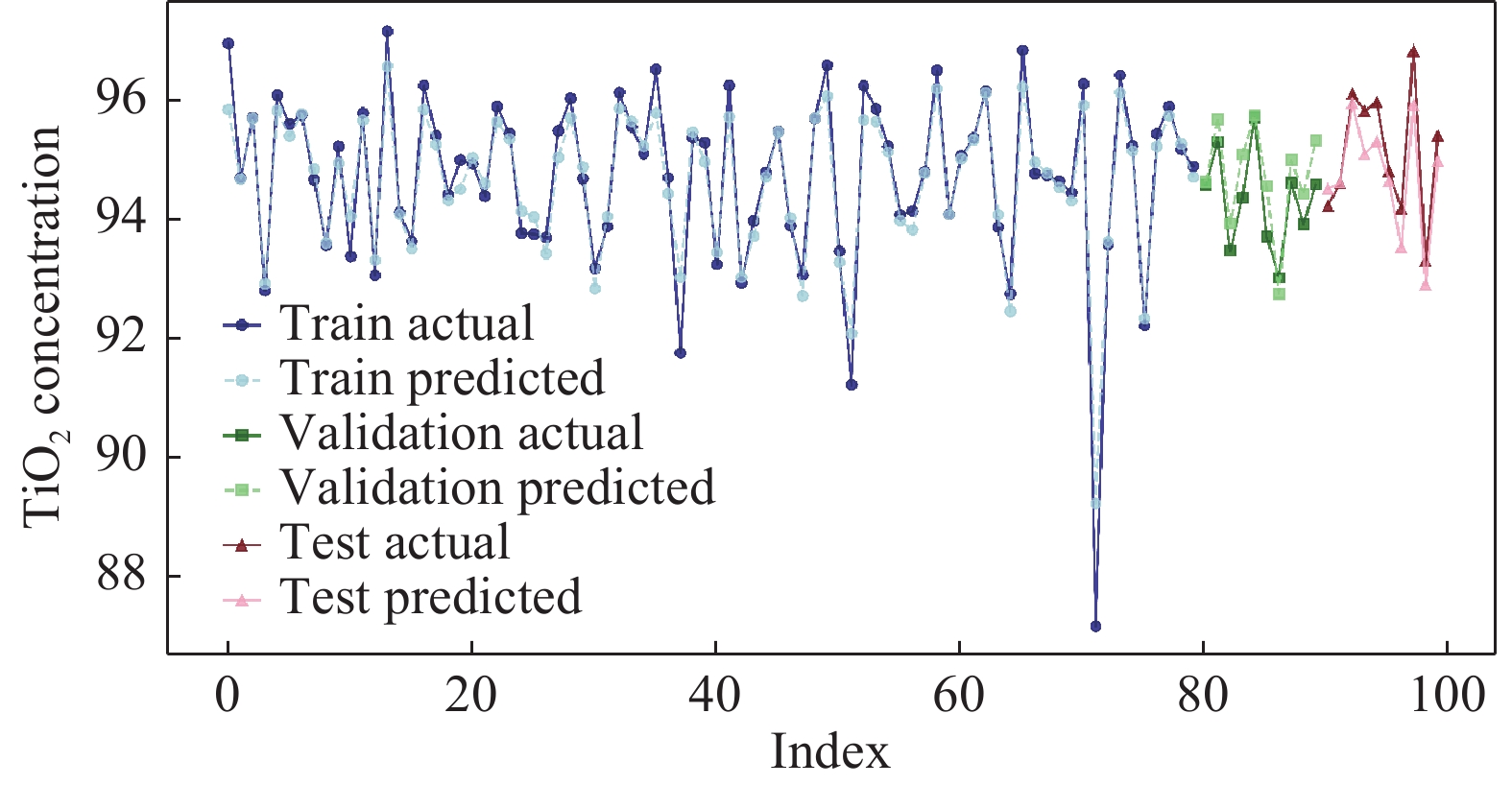
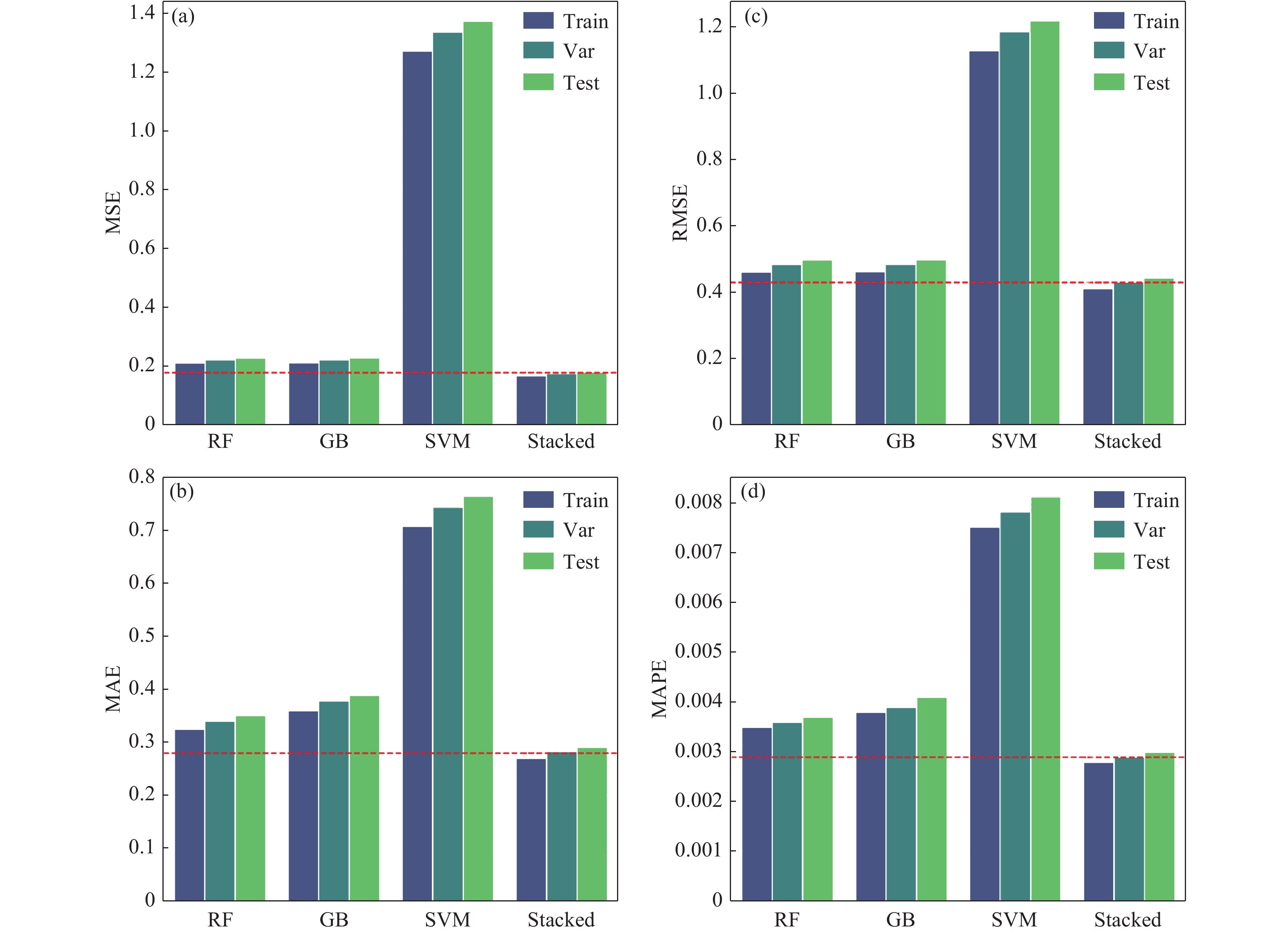
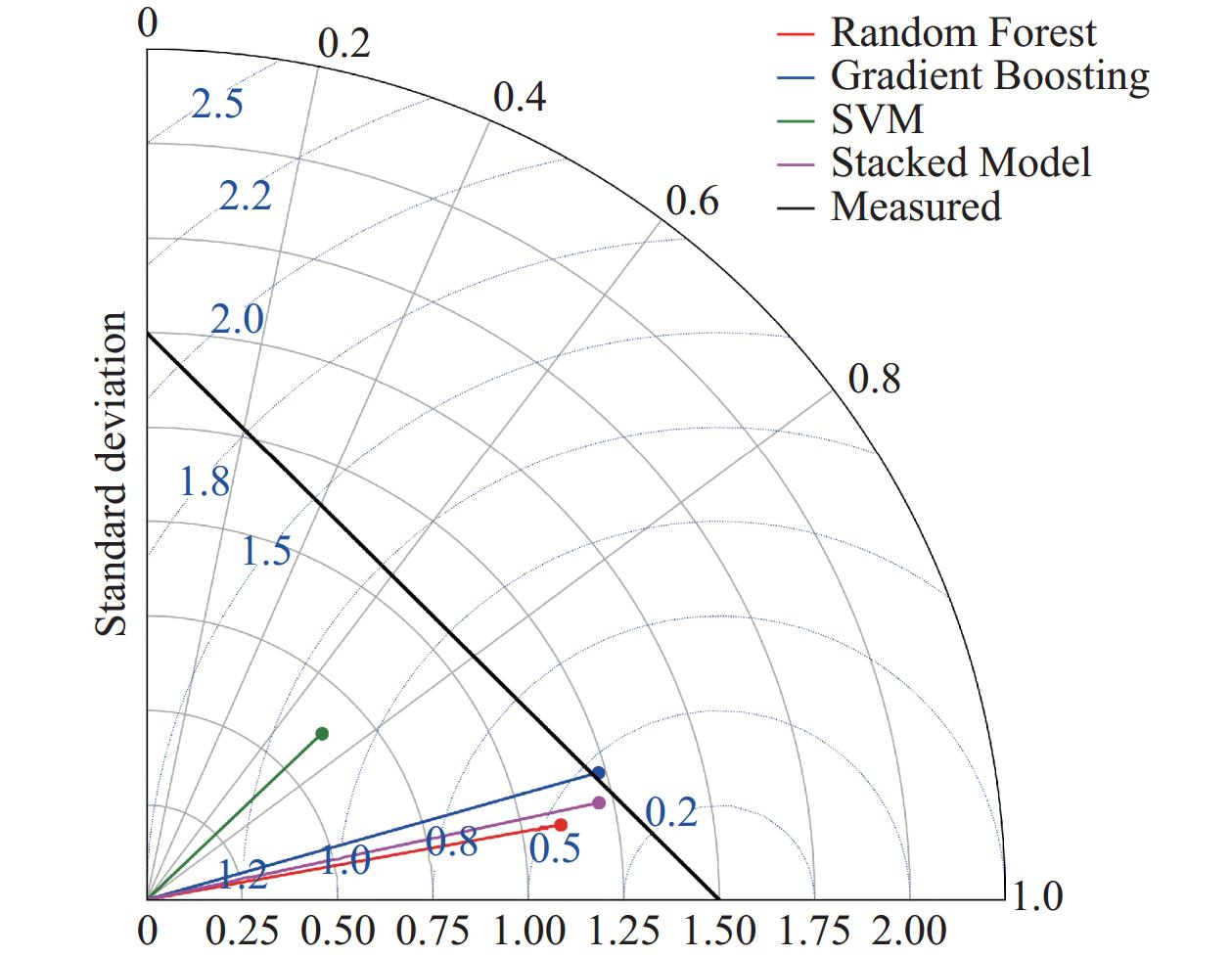
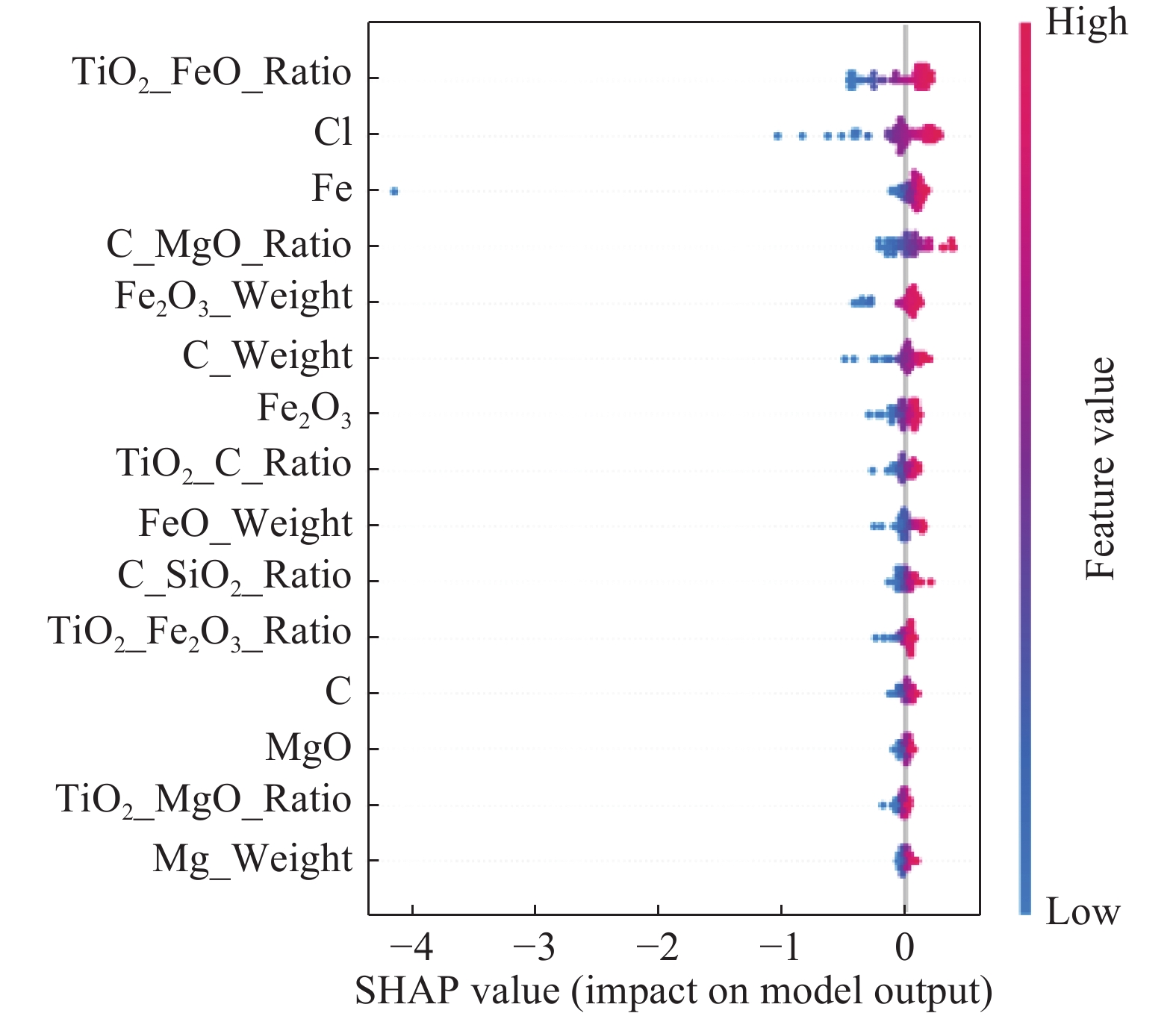
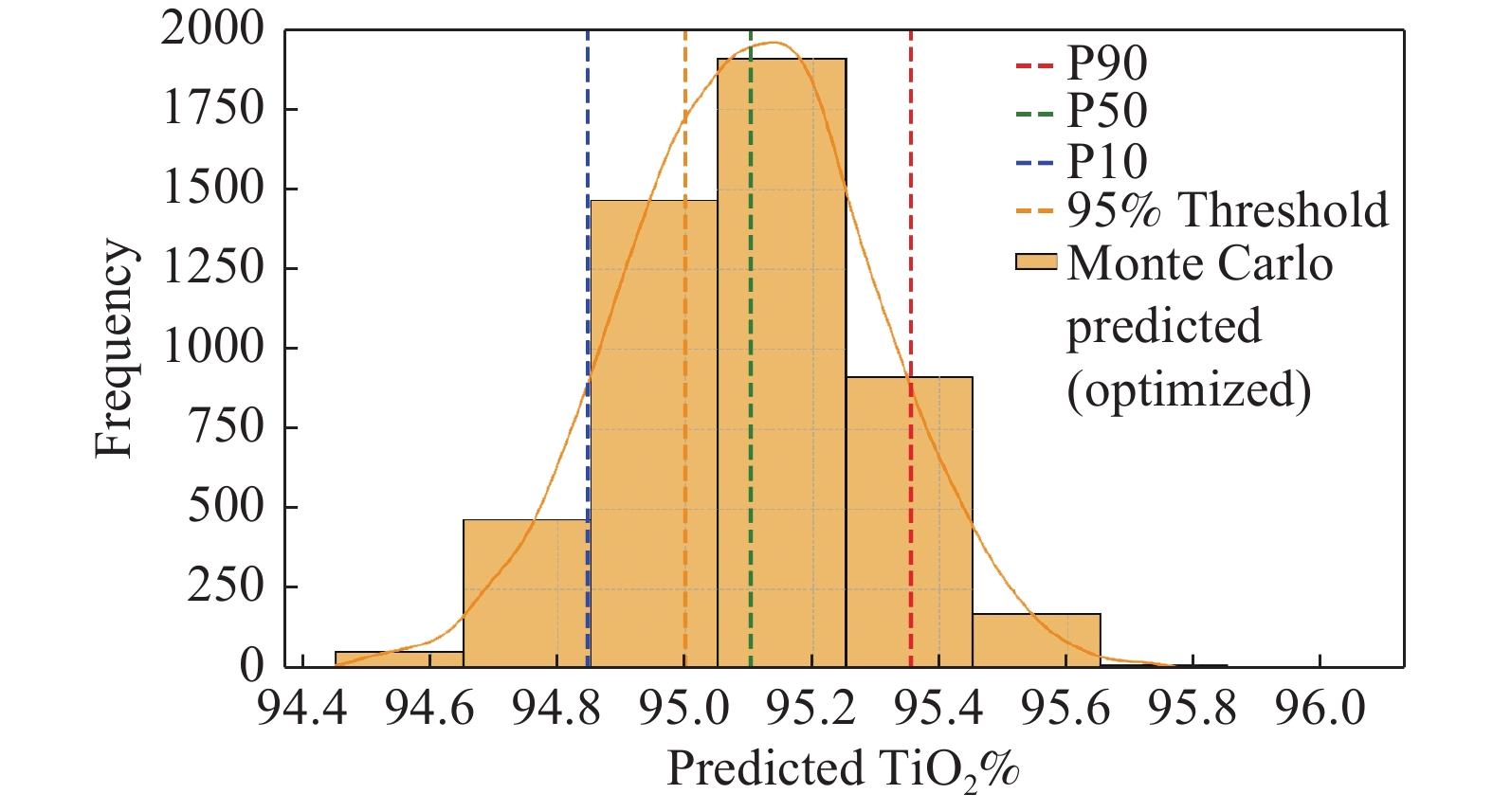
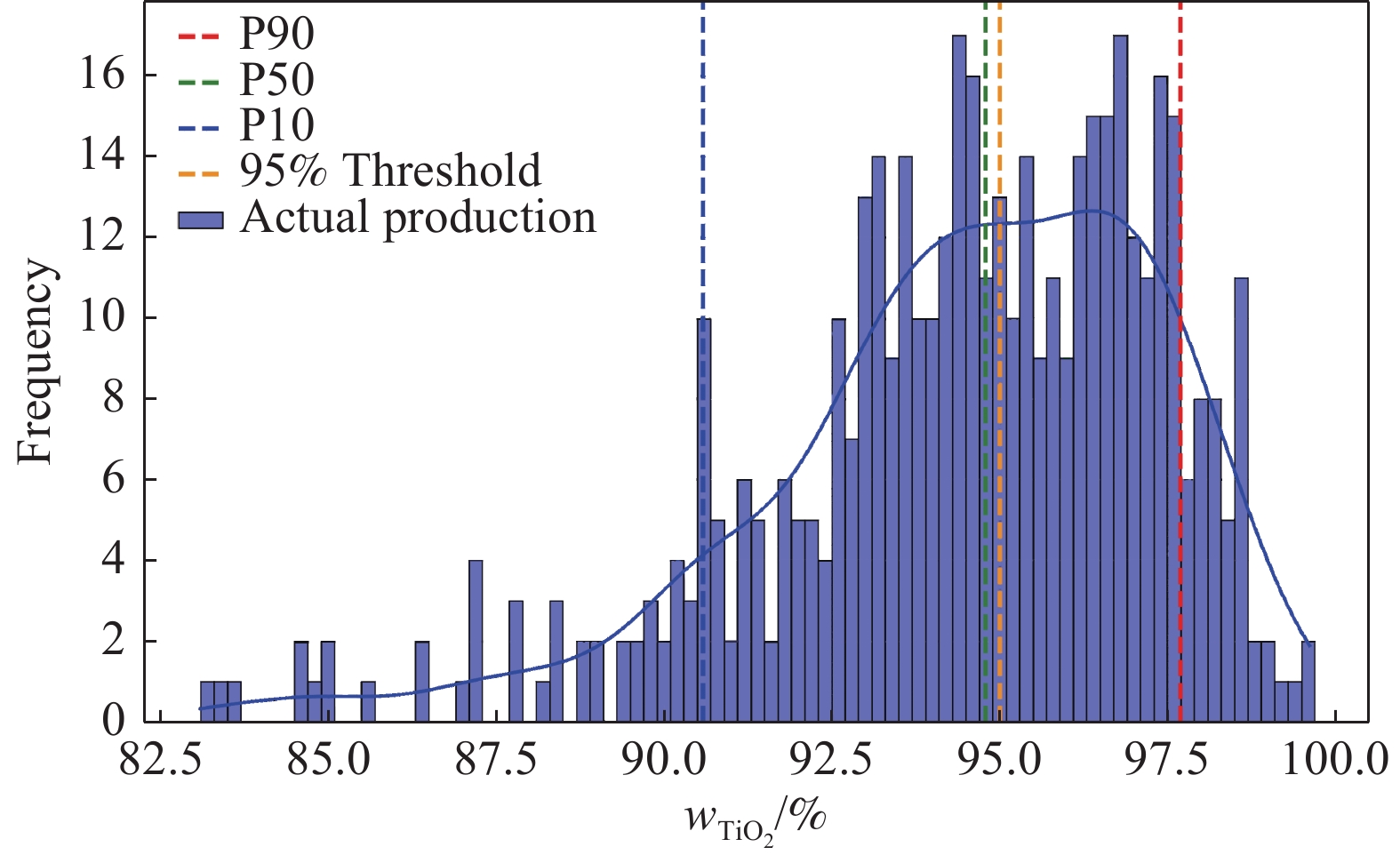
Titanium dioxide (TiO2), the primary component of high-titanium slag, is widely used in various industrial fields such as coatings, plastics, papermaking, and cosmetics. This paper proposed a TiO2 grade prediction method based on a stacked model that combines random forest (RF), gradient boosting machine (GBM), and support vector regression (SVR) to optimize the prediction accuracy of TiO2 grade in high-titanium slag through ensemble learning. The dataset was obtained from raw production data in a metallurgical plant. After data processing and feature derivation, dimensionality reduction techniques were applied to reduce the number of feature variables from 33 to 15, thereby identifying the most informative variables. Experimental results demonstrate that the stacked regression model achieves excellent performance on the validation and test sets, with an R2 value of 0.9249, MAPE values of 0.29% and 0.30%, and MSE values of 0.177 and 0.182, respectively—outperforming individual models. SHAP value analysis further revealed that feature variables such as the TiO2/FeO mass ratio and C content positively influence the TiO2 grade within certain ranges. Moreover, by integrating the stacked model with Monte Carlo simulations, the optimal ranges of key feature variables were determined, such as the TiO2/FeO ratio (1.70–2.12) and the TiO2/C ratio (0.50–0.58). This approach avoids the trial-and-error process and energy waste associated with traditional empirical methods, thereby contributing to energy conservation and emission reduction while enhancing the production efficiency and product quality of titanium slag.
TAExplorer: visualizing key factors in titanium alloy performance
HE Yilei, NING Zhen, WU Die, ZHANG Yu, DUAN Qingchao, PU Jiansu, ZHU Yanlin
2025, 46(5): 123-132. doi: 10.7513/j.issn.1004-7638.2025.05.013
Abstract(36) HTML (15) PDF(9)
Abstract:
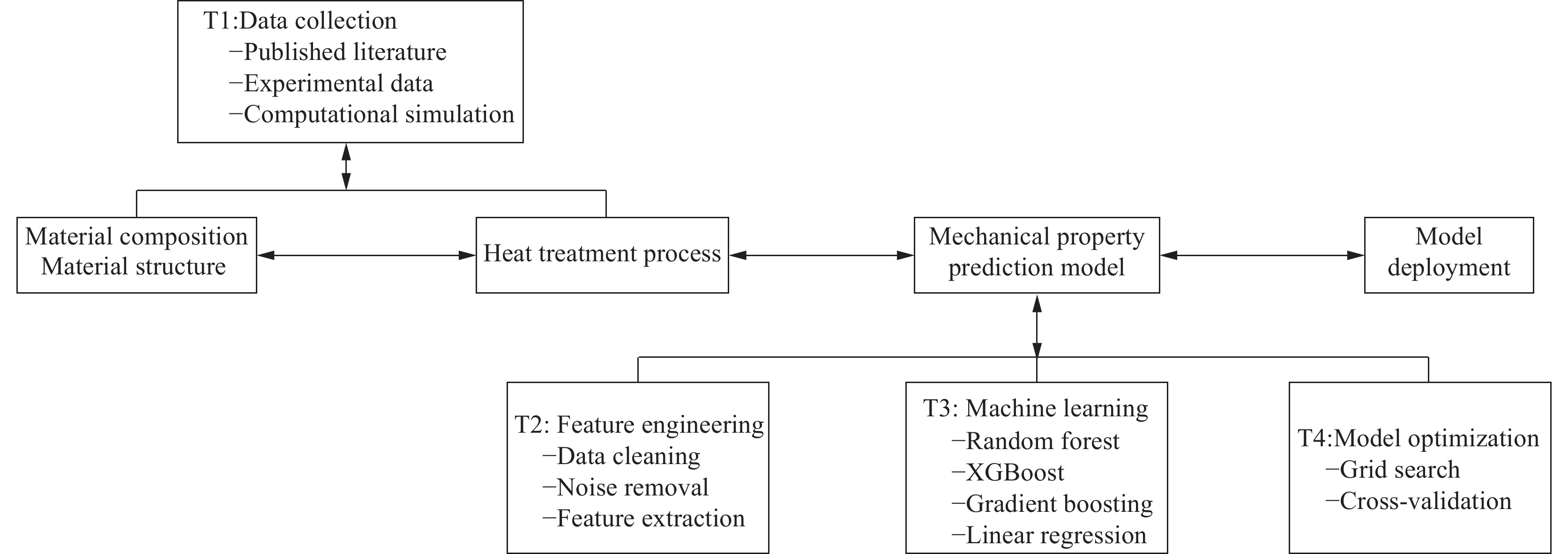
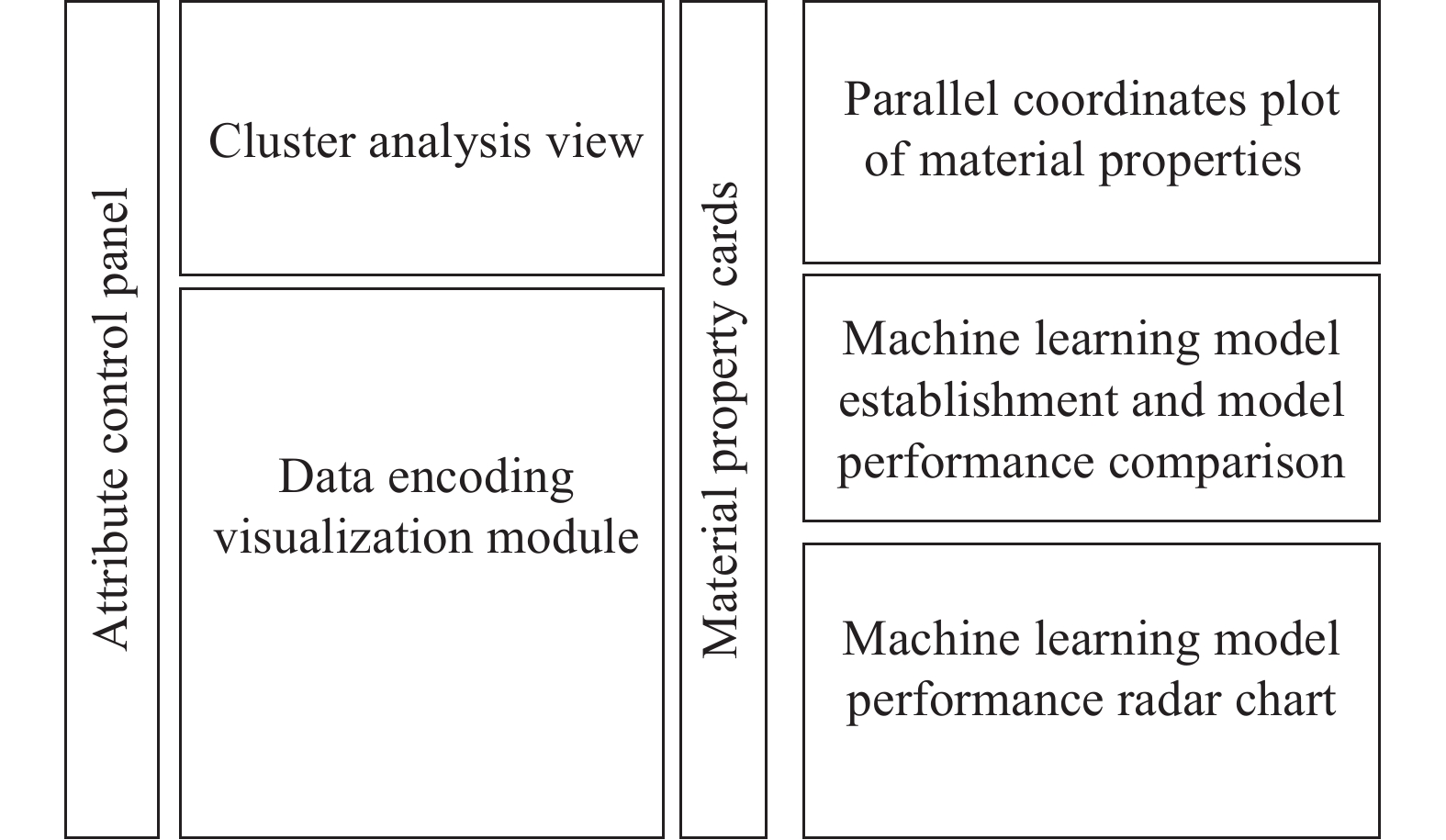
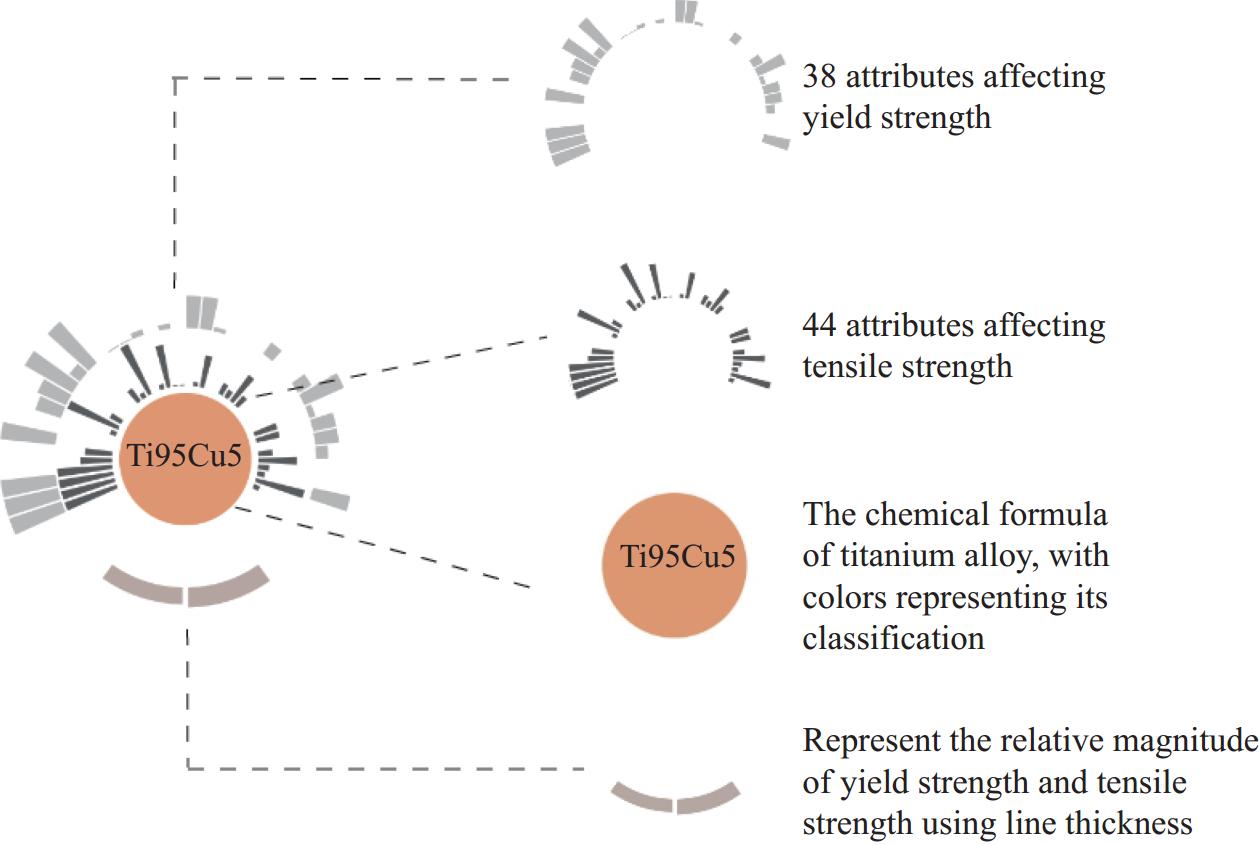
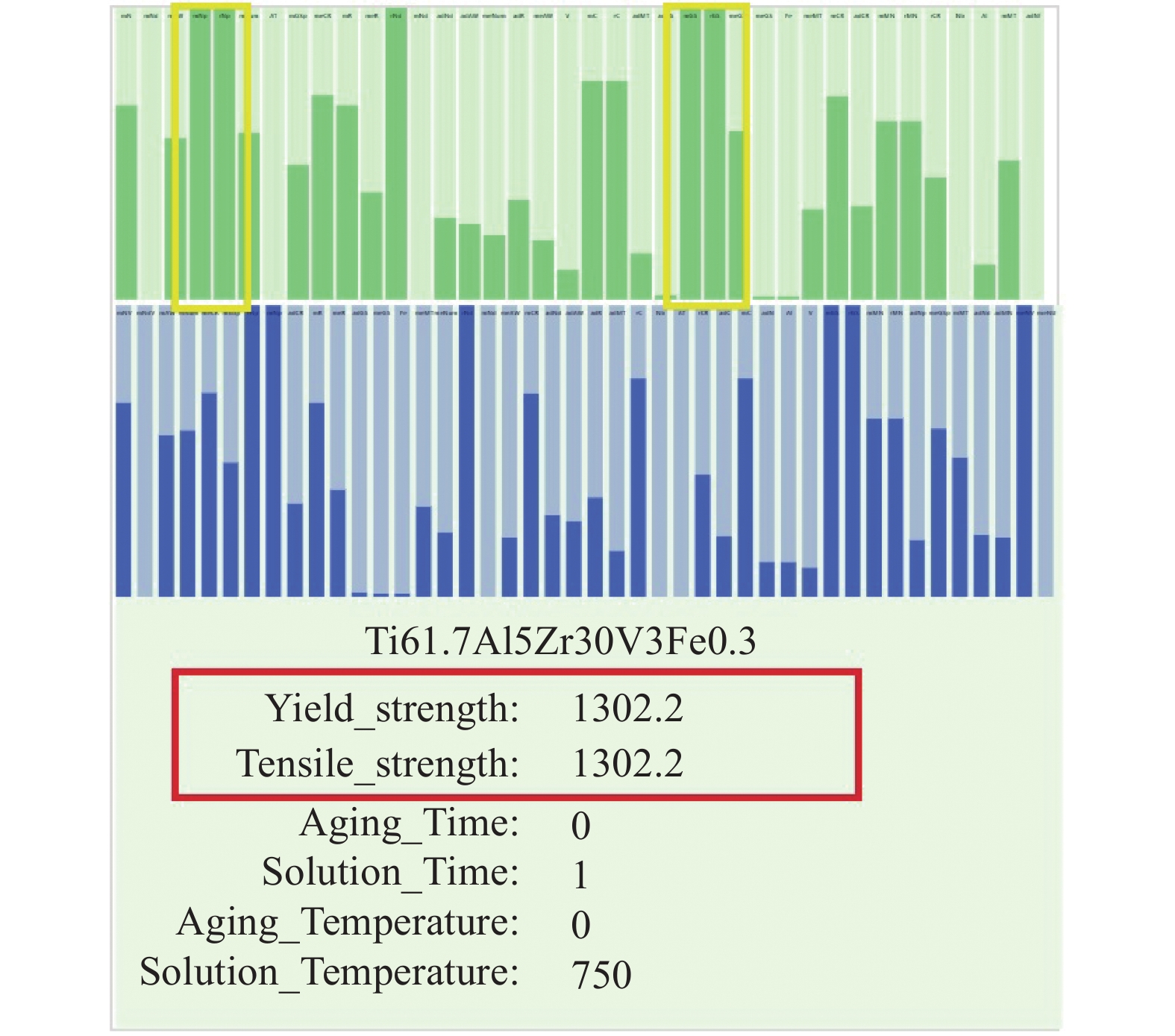
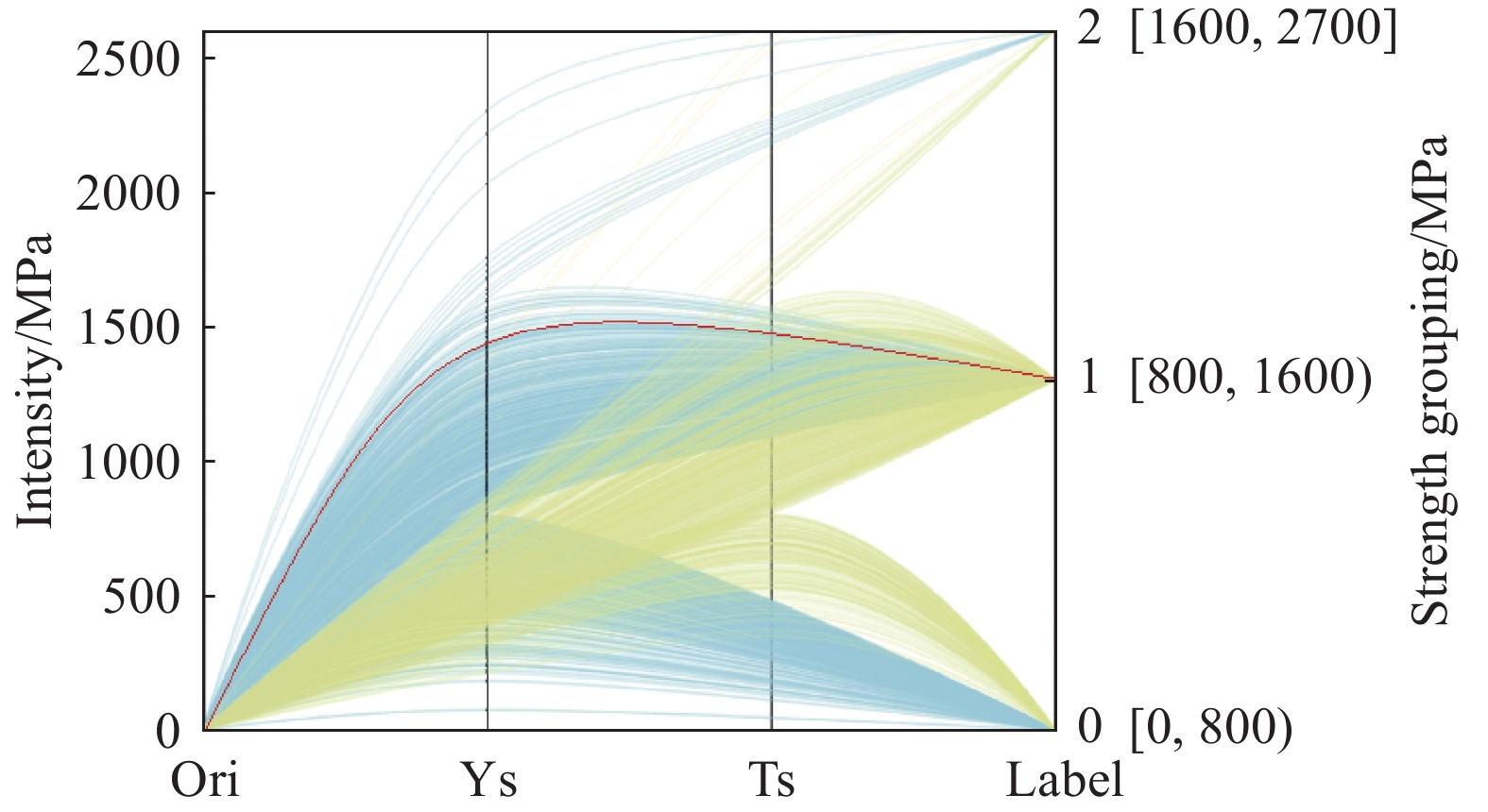
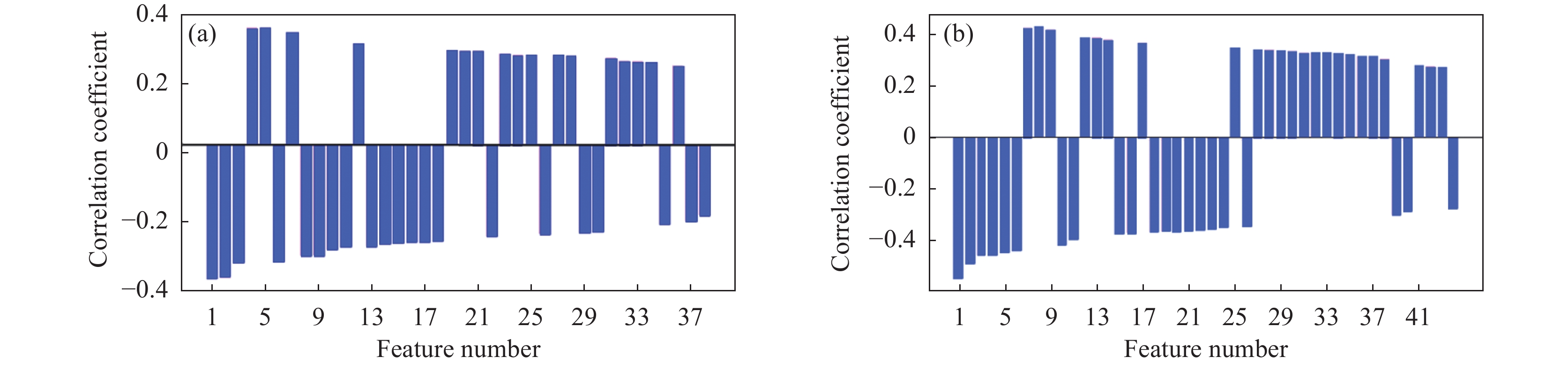
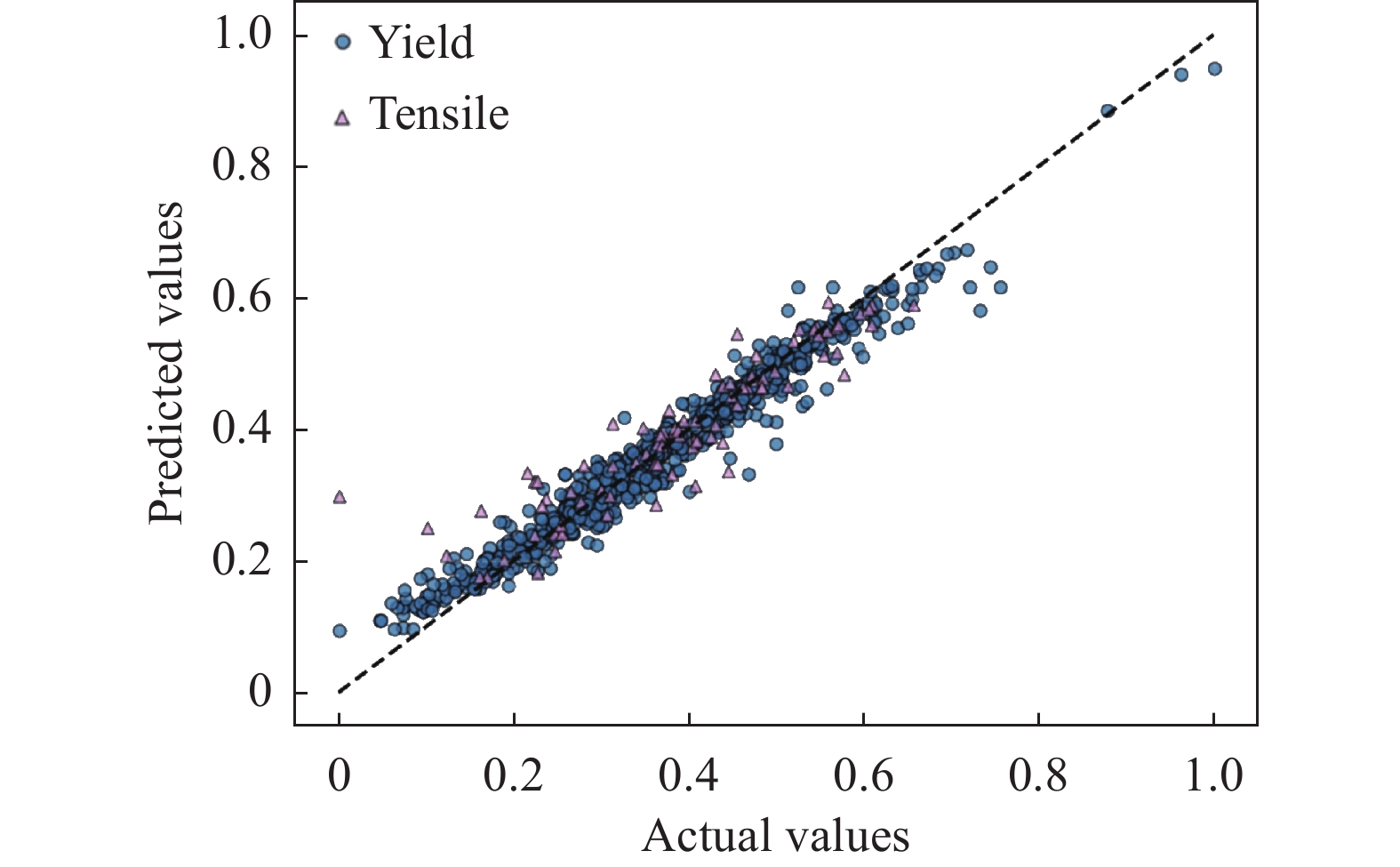
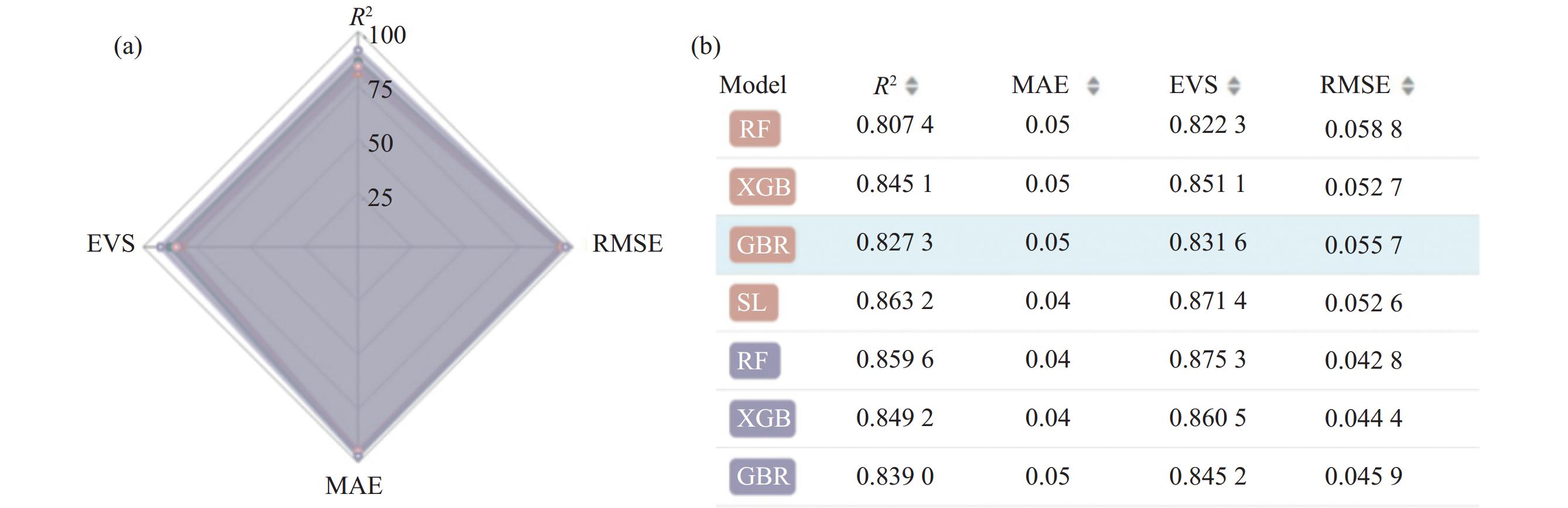
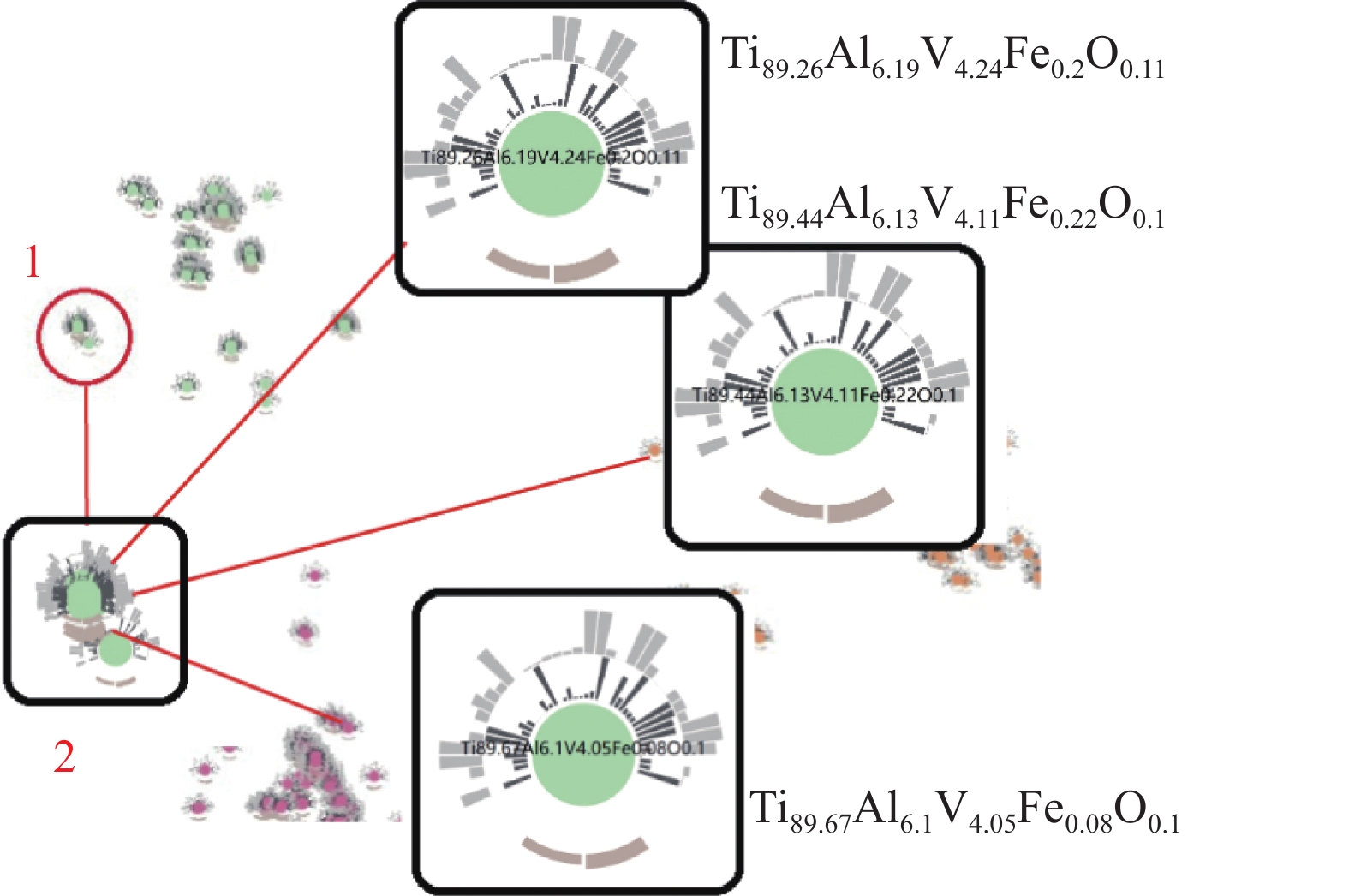
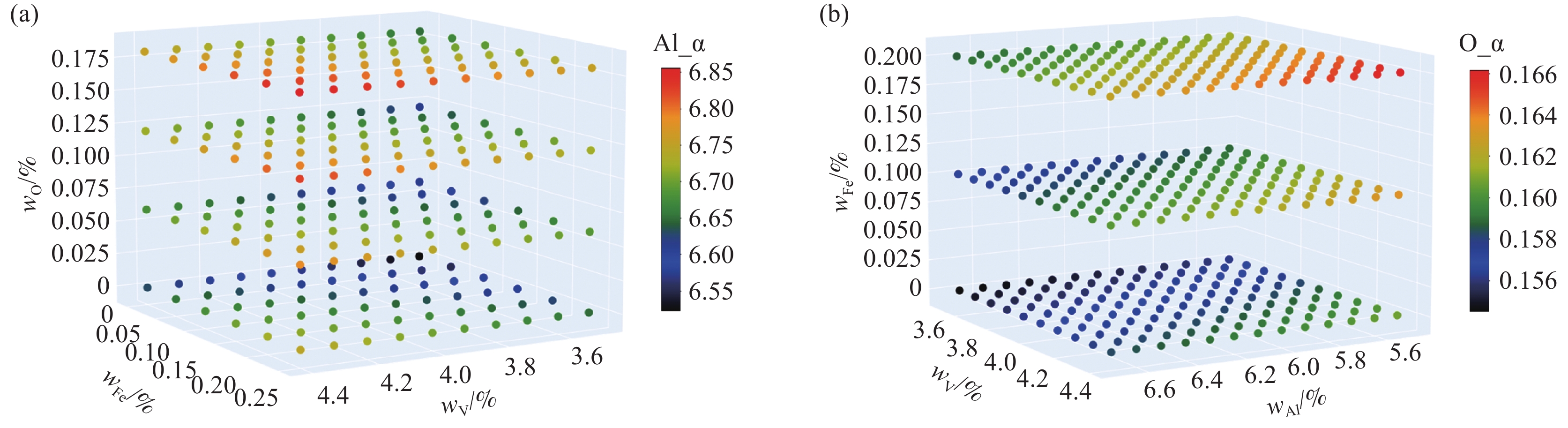
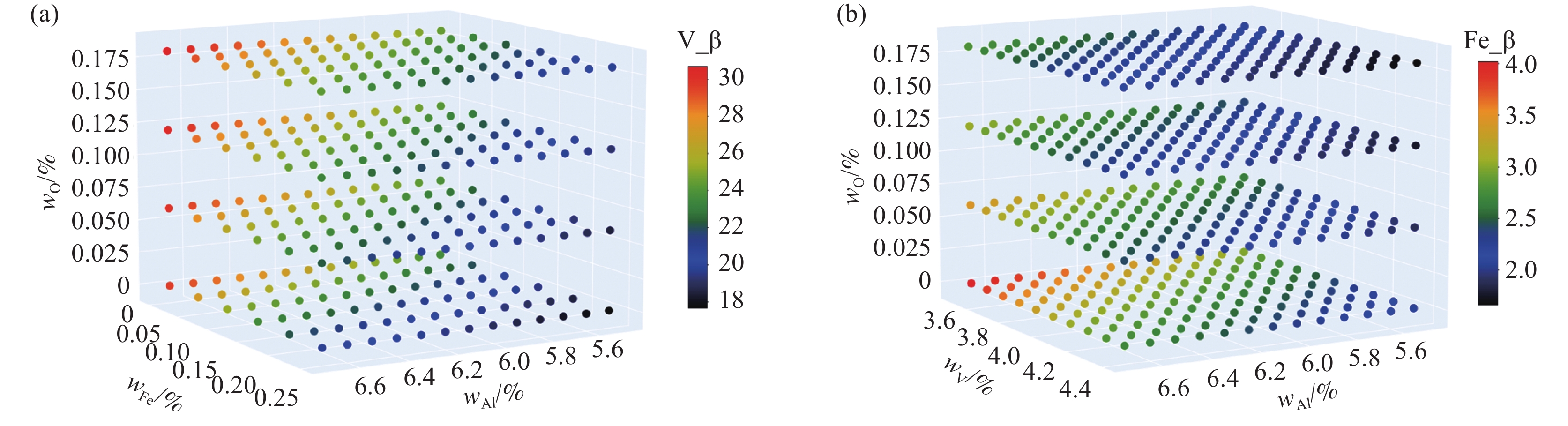
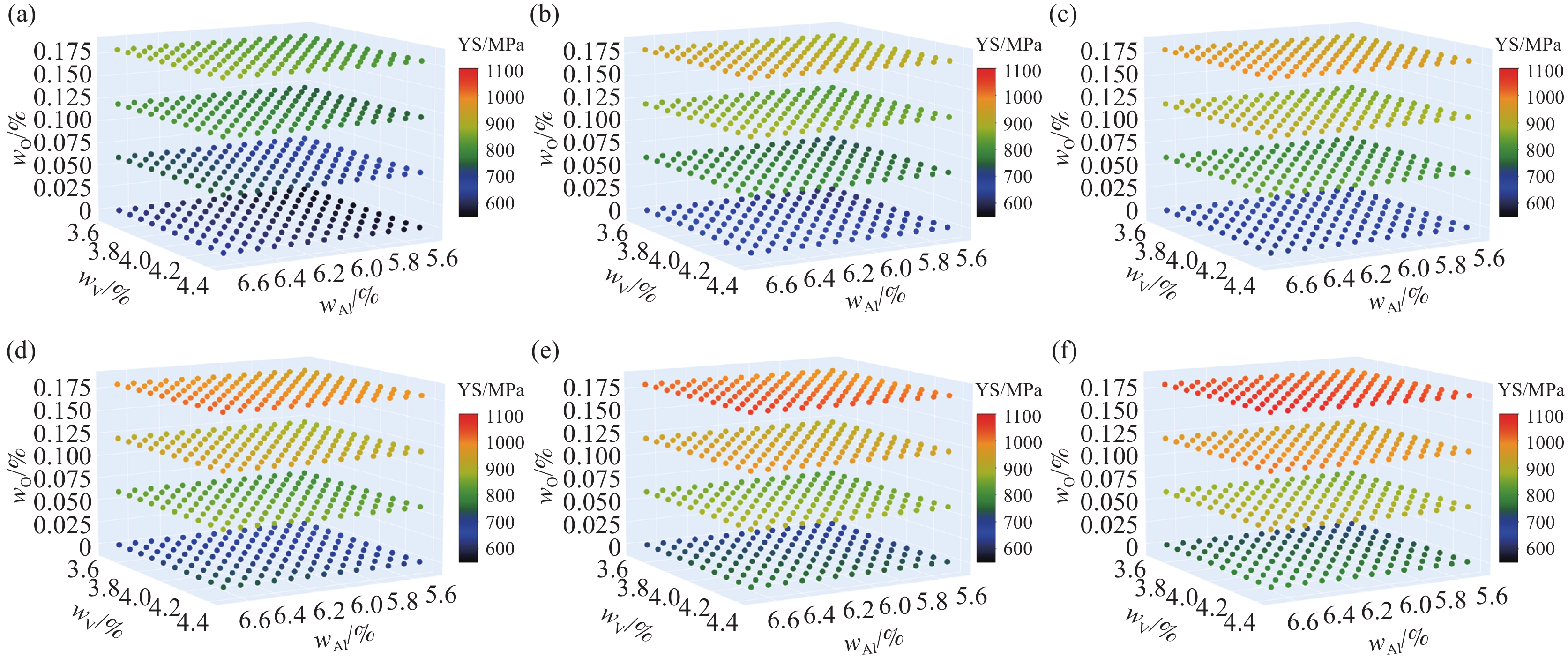
Titanium alloys have the characteristics of high strength, excellent corrosion resistance and heat resistance, so they are widely used in aerospace, chemical and medical fields. Since the properties of titanium alloys depend on their structural characteristics and the requirements for titanium alloy properties vary from application to application, researchers have been working on designing and obtaining new materials with the targeted properties through experimental trial-and-error methods, as well as searching for process factors affecting the properties of titanium alloys. However, the production process of titanium alloy is complex, time-consuming, and it is very difficult to find the appropriate material by traditional methods. Machine learning based methods have currently being introduced and used for material prediction, but there are few learning tools designed for researchers that are capable of intuitively comparing and analyzing the performance of machine learning models. Herein, we propose TAExplorer, an interactive visualization and analysis system based on titanium alloys that can provide experts with multifaceted references. Our system employs a multifaceted visualization scheme that aims to analyze from various perspectives, such as feature distribution, data similarity, model performance, and result presentation. Experts have conducted case studies through practical laboratory experiments, and the final results confirm the effectiveness and practicality of our system.
Research progress on machine learning-assisted inverse design of triply periodic minimal surface structures
YIN Xingpeng, LI Junhao, TANG Xinzhen, LI Zhou
2025, 46(5): 133-144. doi: 10.7513/j.issn.1004-7638.2025.05.014
Abstract(31) HTML (12) PDF(10)
Abstract:
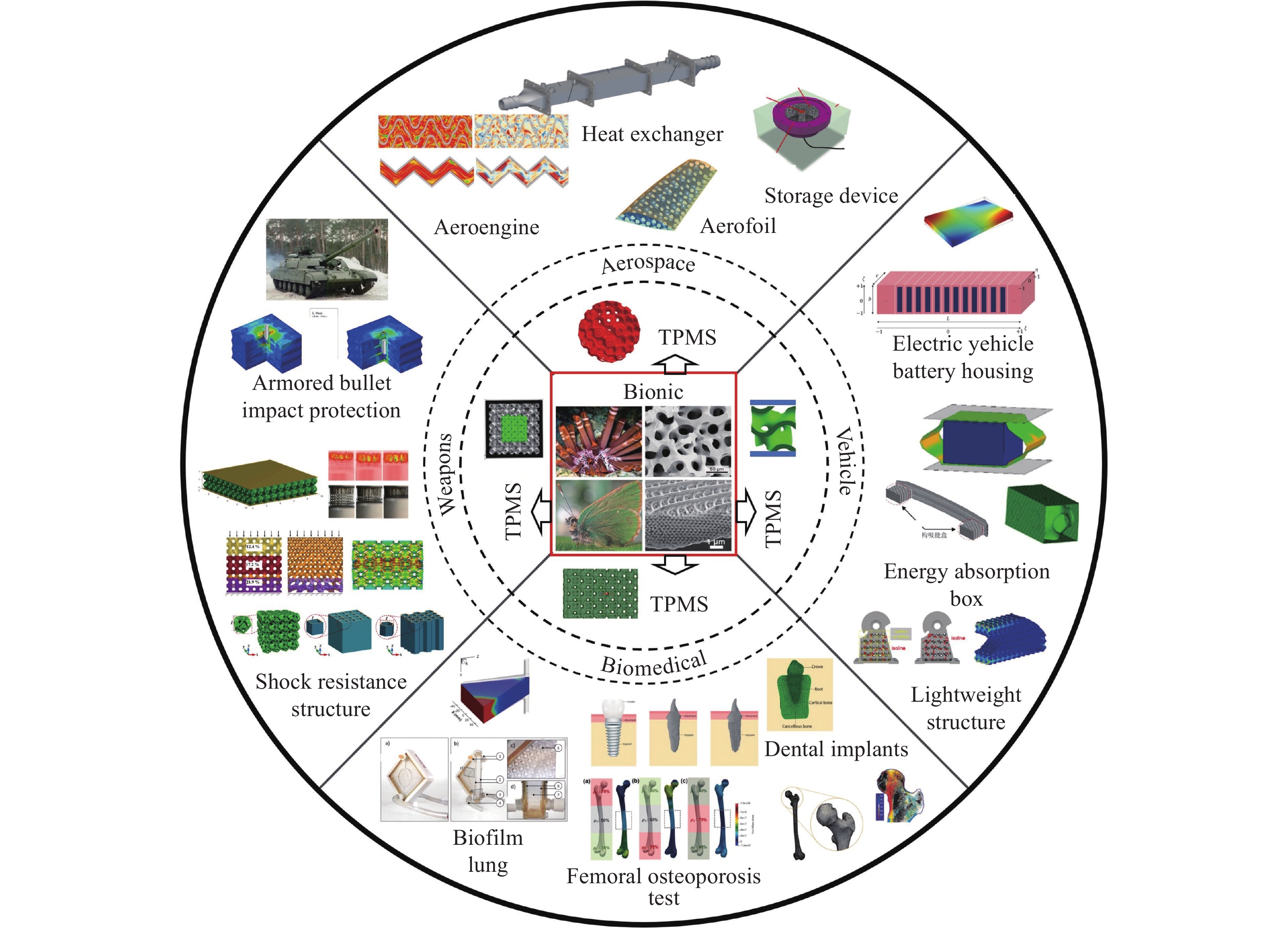
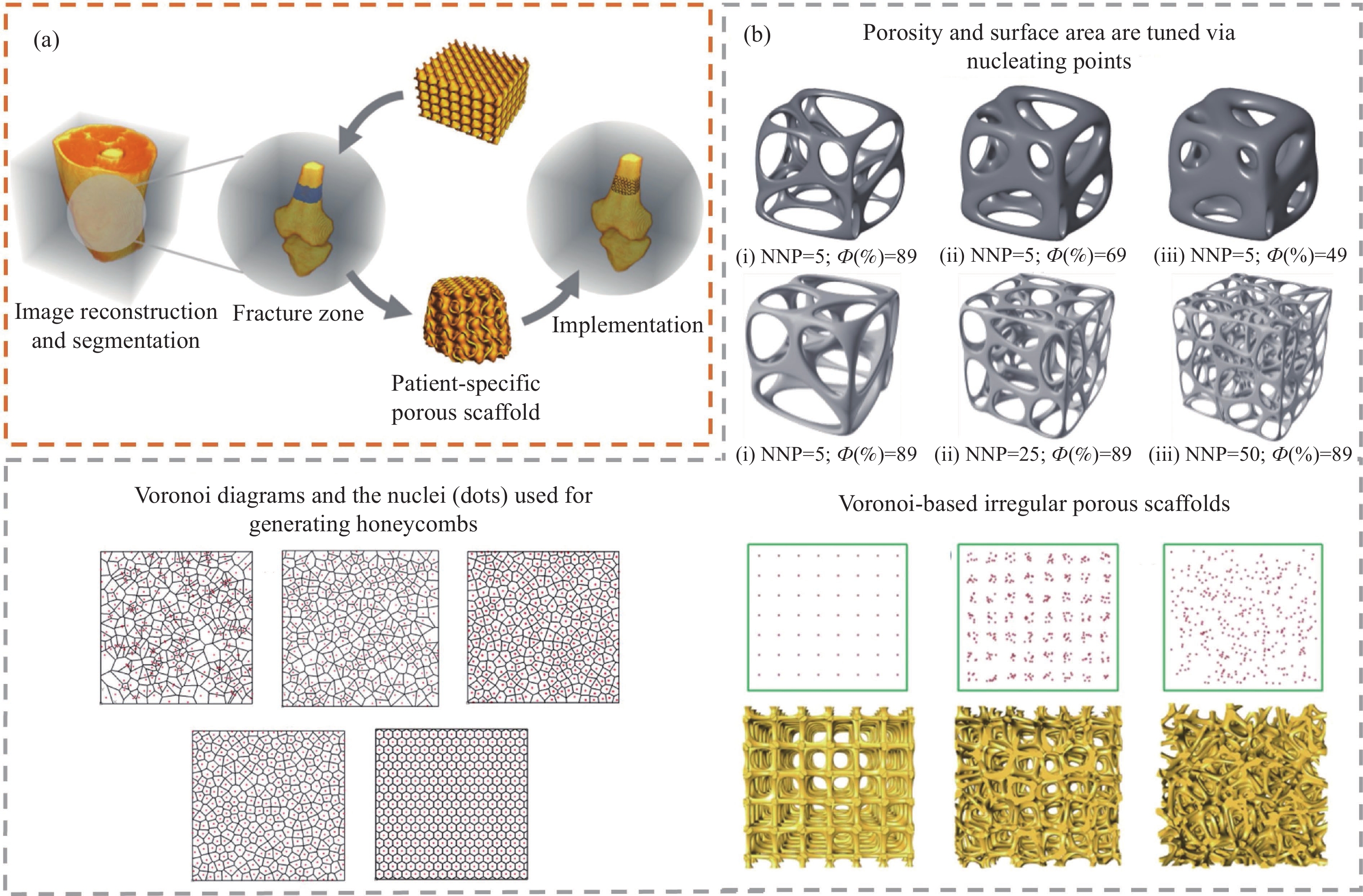
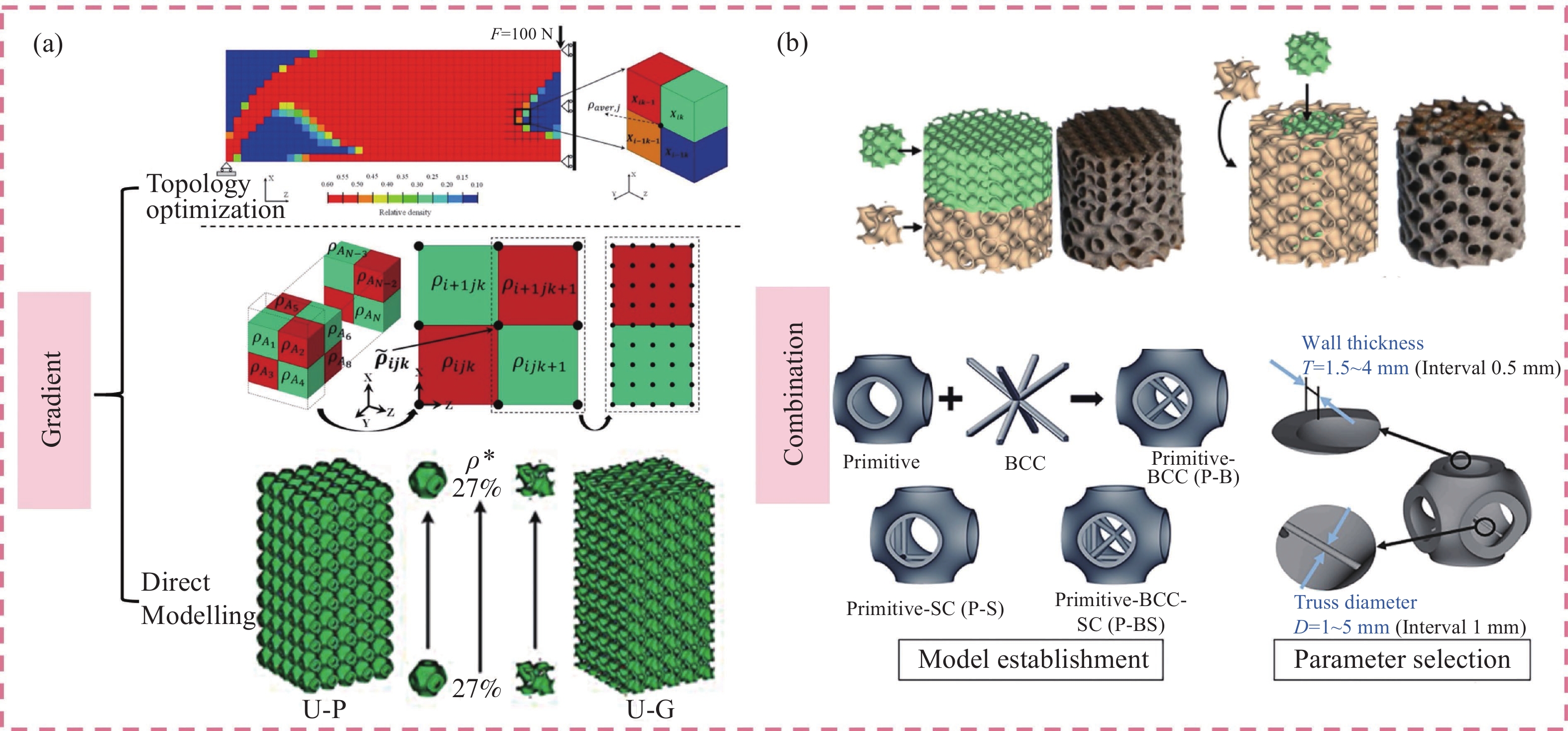
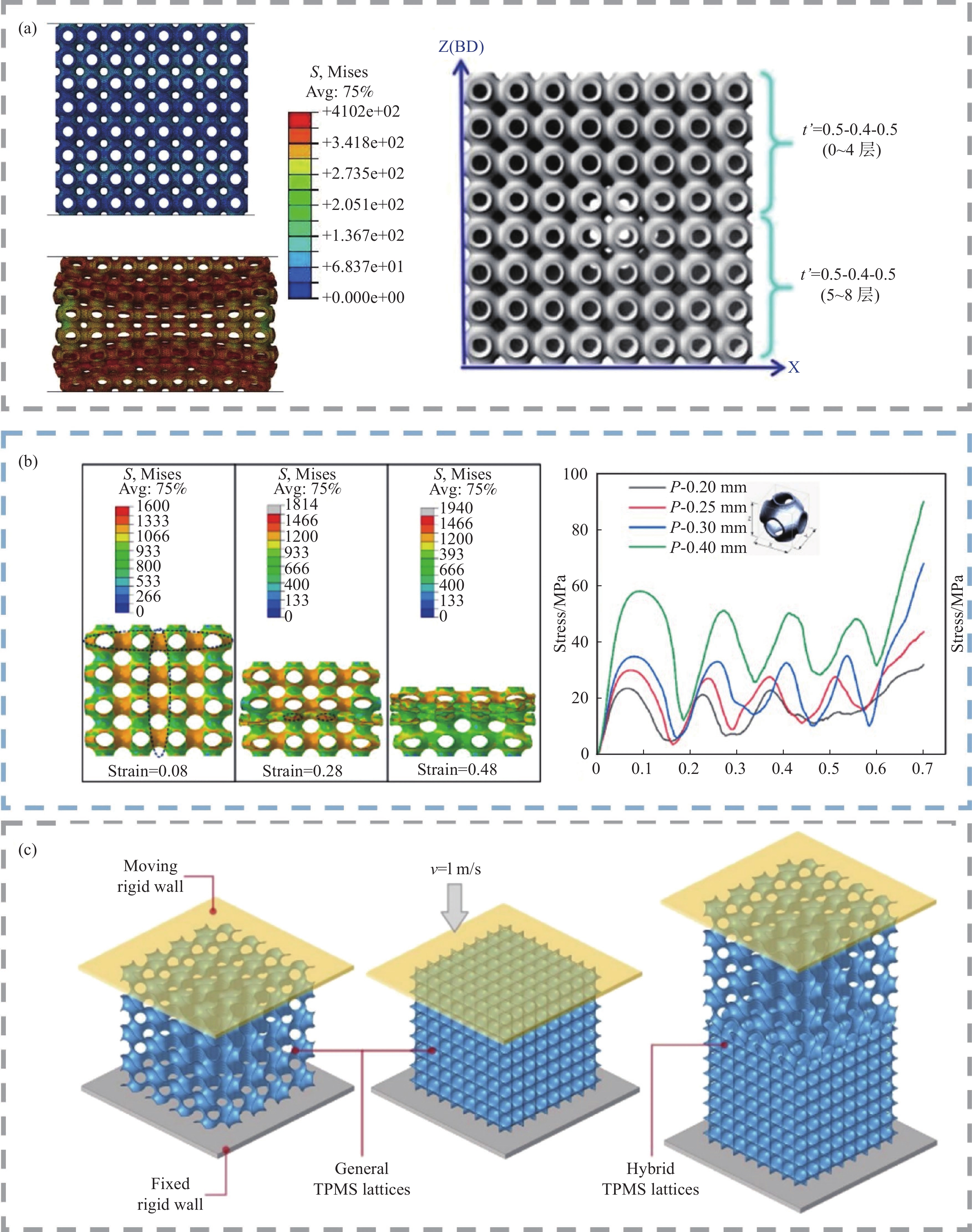
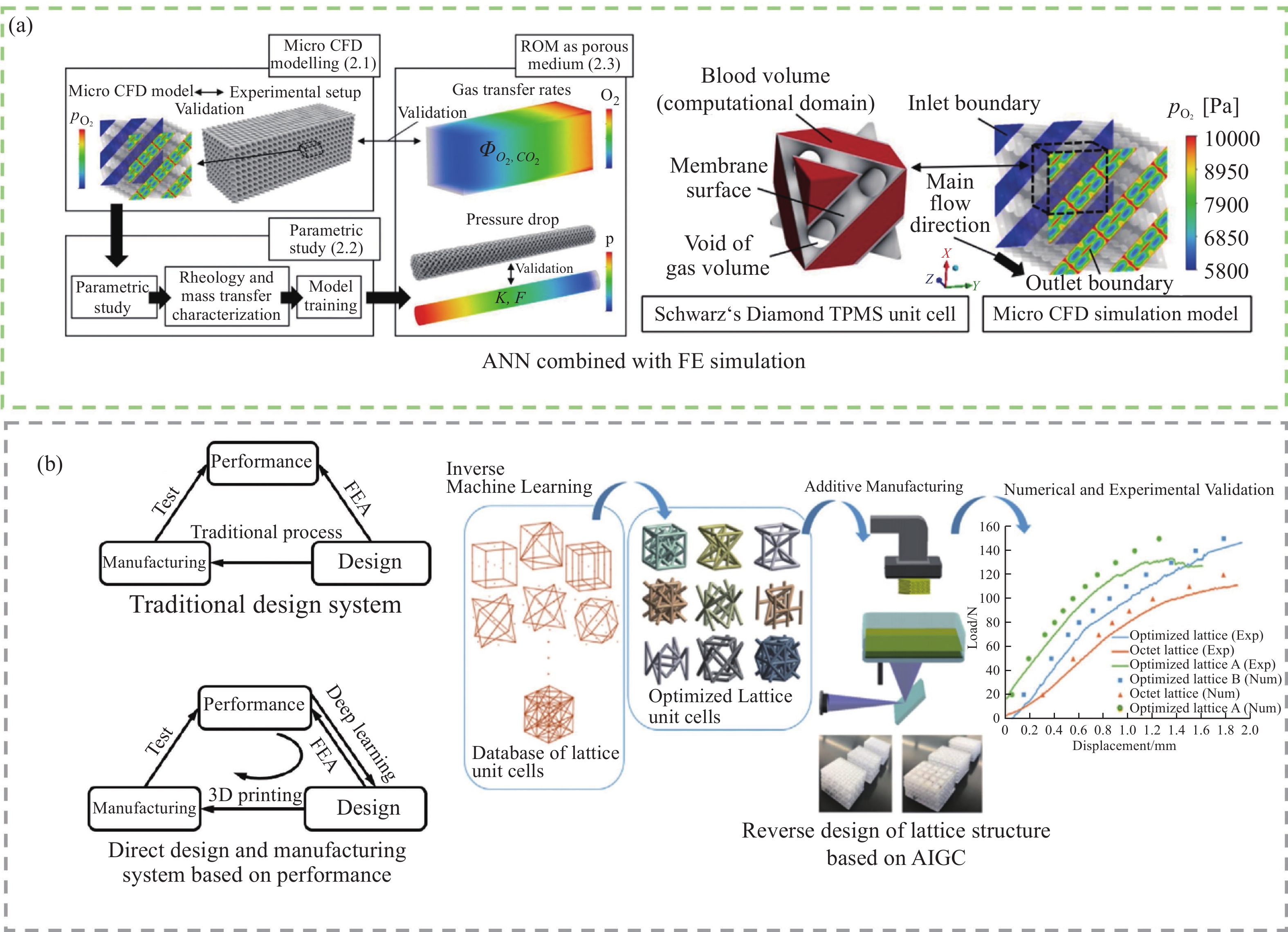
Triply periodic minimal surface (TPMS) structures are a class of bio-inspired porous architectures generated through mathematical implicit functions, known for their continuous smooth surfaces, self-supporting characteristics, high specific strength, and excellent energy absorption capabilities. These features make TPMS structures particularly suitable for lightweight, high-performance materials such as titanium alloys used in aerospace and advanced manufacturing applications. This work provides a comprehensive review of the design methodologies and advancements in the mechanical performance analysis of TPMS metal structures, with particular emphasis on the geometric modeling algorithms and the construction strategies for gradient and combined structural configurations. It further synthesizes the current state of machine learning applications in the design of TPMS metal structure, encompassing forward machine learning approaches for performance prediction and inverse machine learning frameworks for goal-oriented structural design. The review concludes with a critical assessment of existing challenges in inverse design of TPMS metal structures, particularly regarding efficient mapping and dataset generation. Finally, it highlights the urgent need for deep integrating generative artificial intelligence (Generative AI) techniques with inverse modeling strategies to facilitate the practical engineering implementation of TPMS metal structure inverse design.
Application of Vanadium and Titanium
Progress and prospects of vanadium application in vanadium-phosphorus-oxygen catalysts for maleic anhydride
YU Wenqian, LIU Qianqian, LI Pengyang, WANG Haixu, GAO Minglei, QI Jian, LI Lanjie
2025, 46(5): 145-153, 162. doi: 10.7513/j.issn.1004-7638.2025.05.015
Abstract(70) HTML (15) PDF(9)
Abstract:
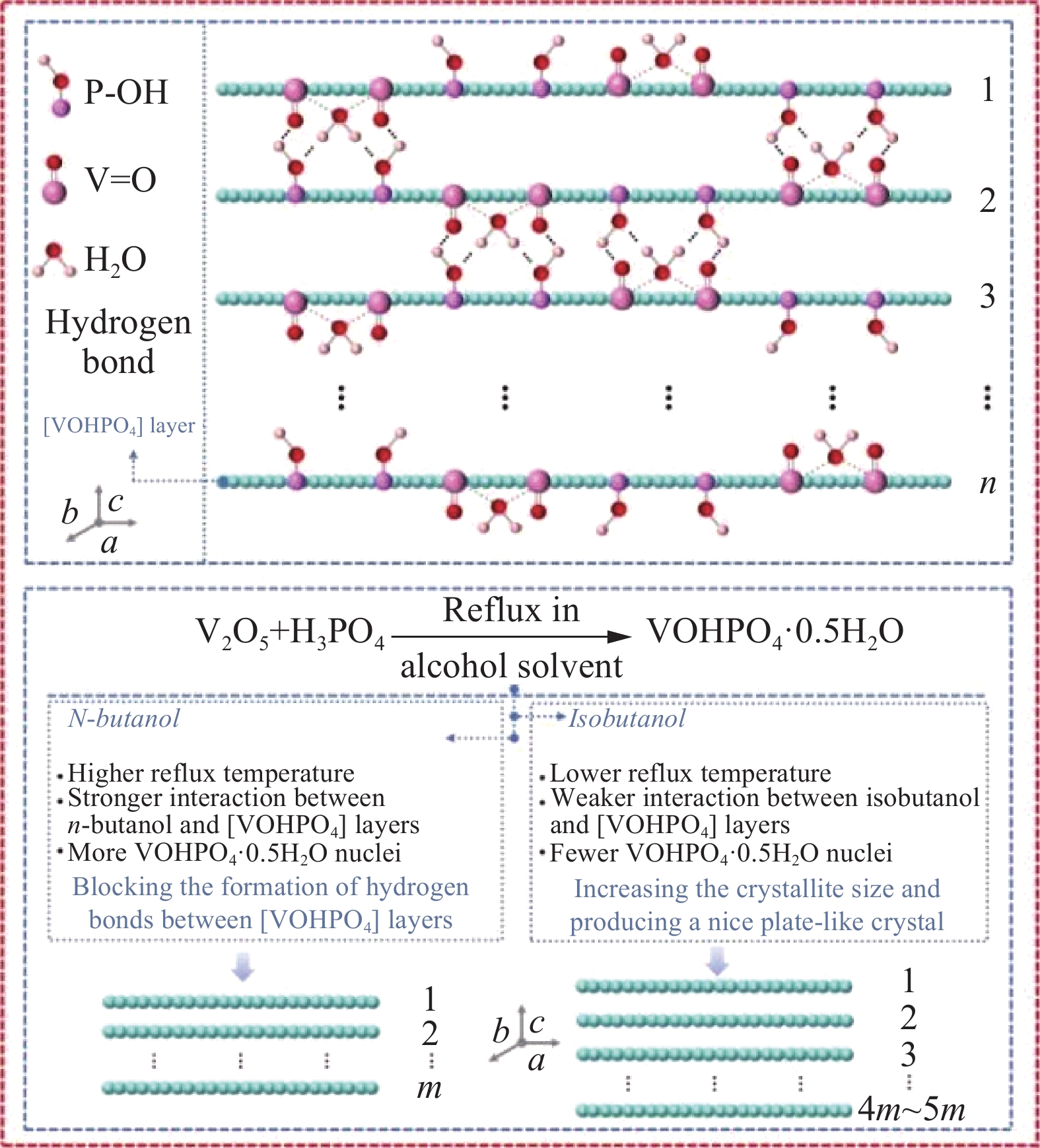
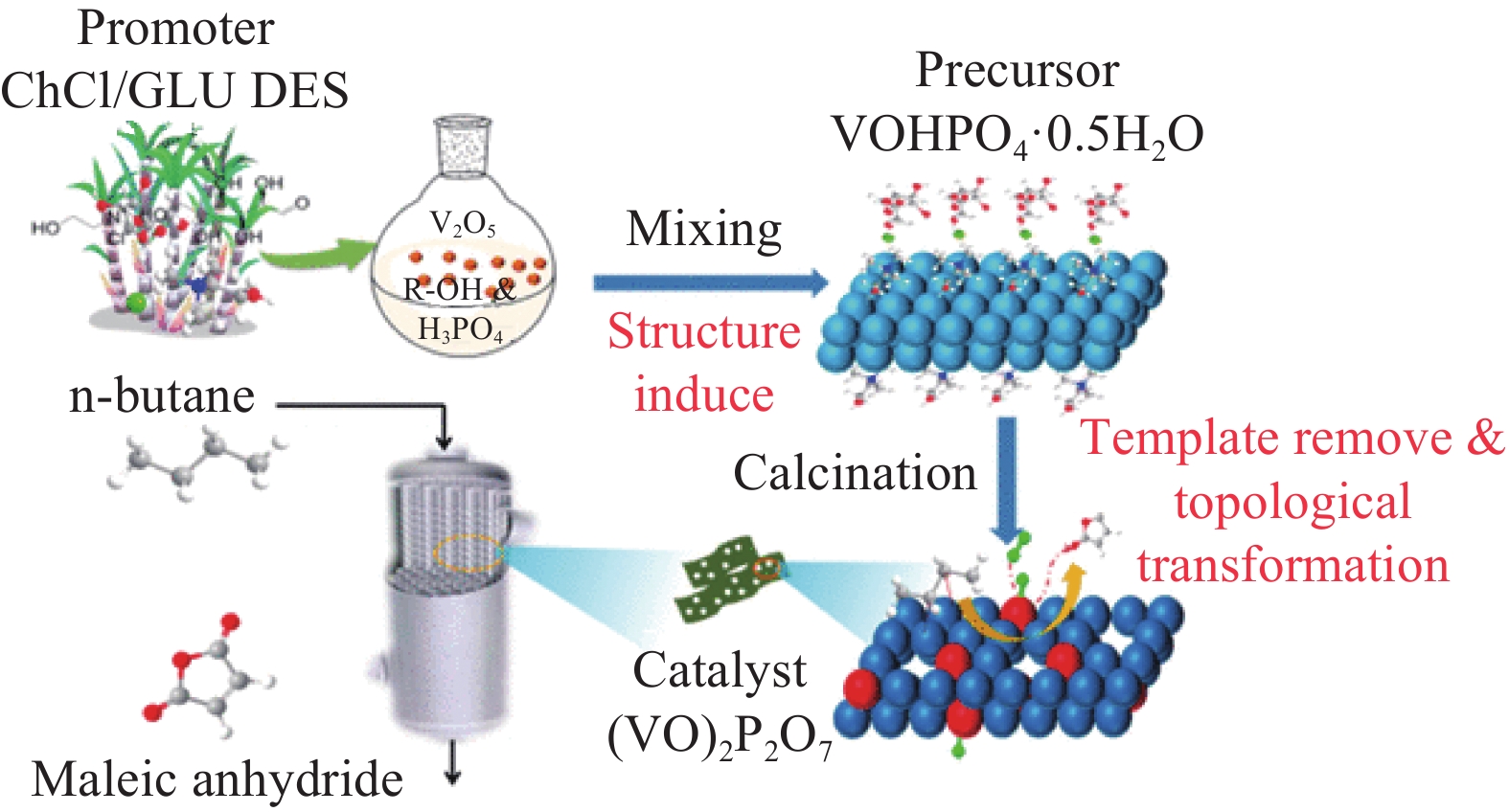
As the core catalyst for maleic anhydride in the n-butane process, vanadium-phosphorus-oxygen (VPO) catalysts, with their low n-butane conversion and maleic anhydride selectivity, can hardly satisfy the industrial demand for the efficient production of maleic anhydride, and therefore the development of high-performance vanadium-phosphorus-oxygen (VPO) catalysts has become a hot spot in research. On this backgroud, we have reviewed in this paper the progress of the preparation of high-efficiency vanadium-phosphorus-oxygen catalysts in recent years, and have discussed particularly on the effects of raw material and solvent selection, preparation method, activation atmosphere, additives and carriers on the catalytic performance. We have found that the factors mentioned above modify mainly the catalysts by altering the catalyst's specific surface area, active crystal surface strength, surface acidity, V4+/V5+ or P/V ratio. These modifications help to expose more active sites, to promote n-butane C-H bond breaking and to induce the oxidation of n-butane to improve the n-butane conversion or maleic anhydride selectivity. Finally, we have summarized and compared the effects of different influencing factors on the catalytic performance of VPO, and have suggested that the addition of additives is the development trend for the preparation of high-performance VPO catalysts. We look forward to the development of additives in the future in terms of the selection of raw materials, the structural design and modification, and the cost.
In-situ preparation of sodium vanadium fluorophosphate from sodiumized vanadium slag leaching solution and its performance study
CHU Chengyu, WEN Jing, JIANG Tao, YANG Jinchao
2025, 46(5): 154-162. doi: 10.7513/j.issn.1004-7638.2025.05.016
Abstract(25) HTML (10) PDF(7)
Abstract:
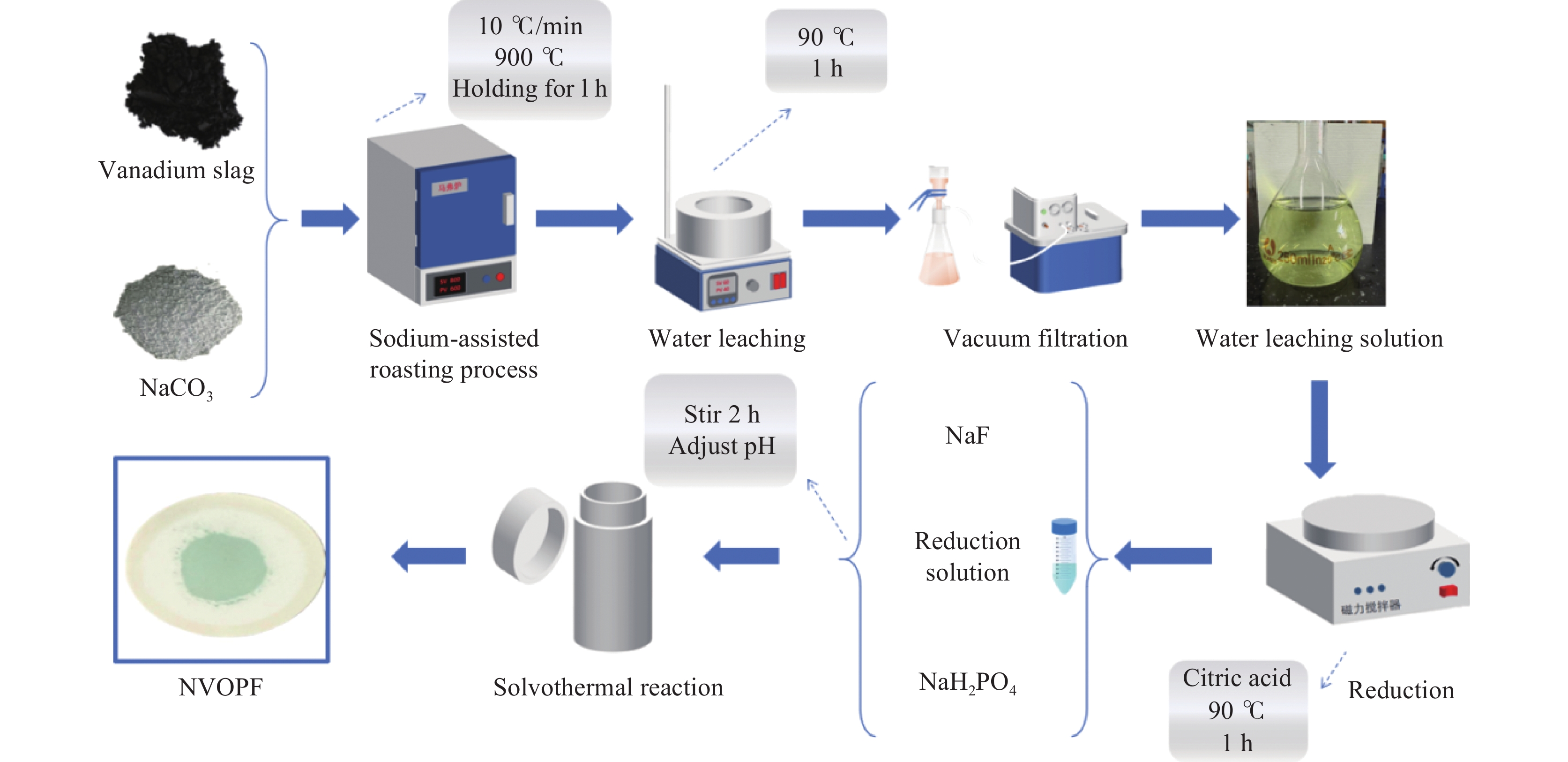
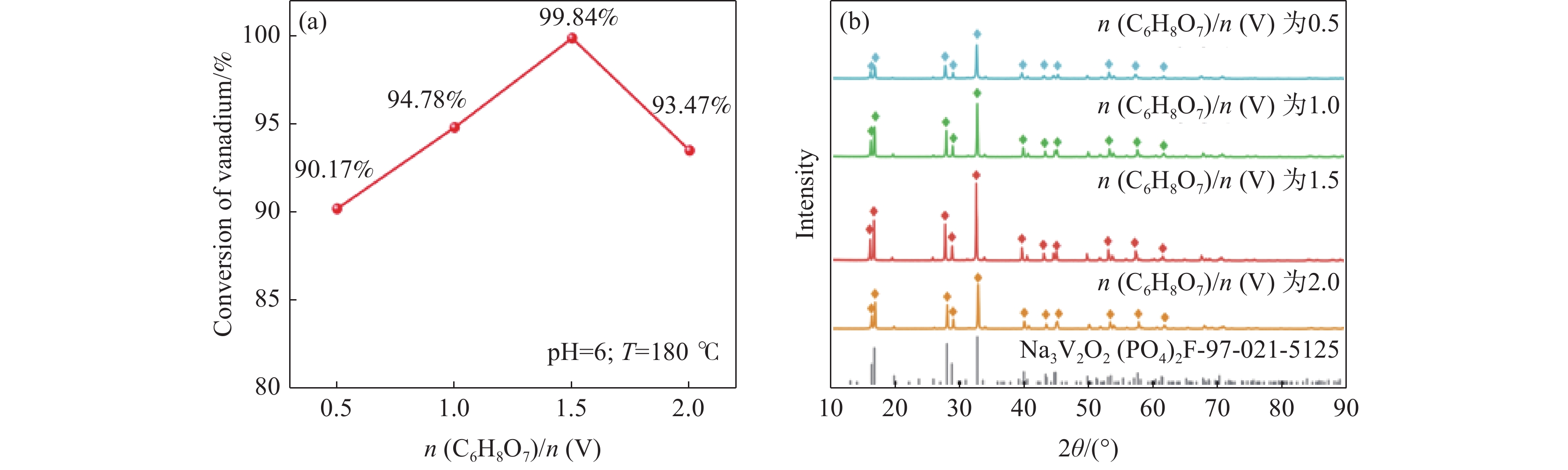
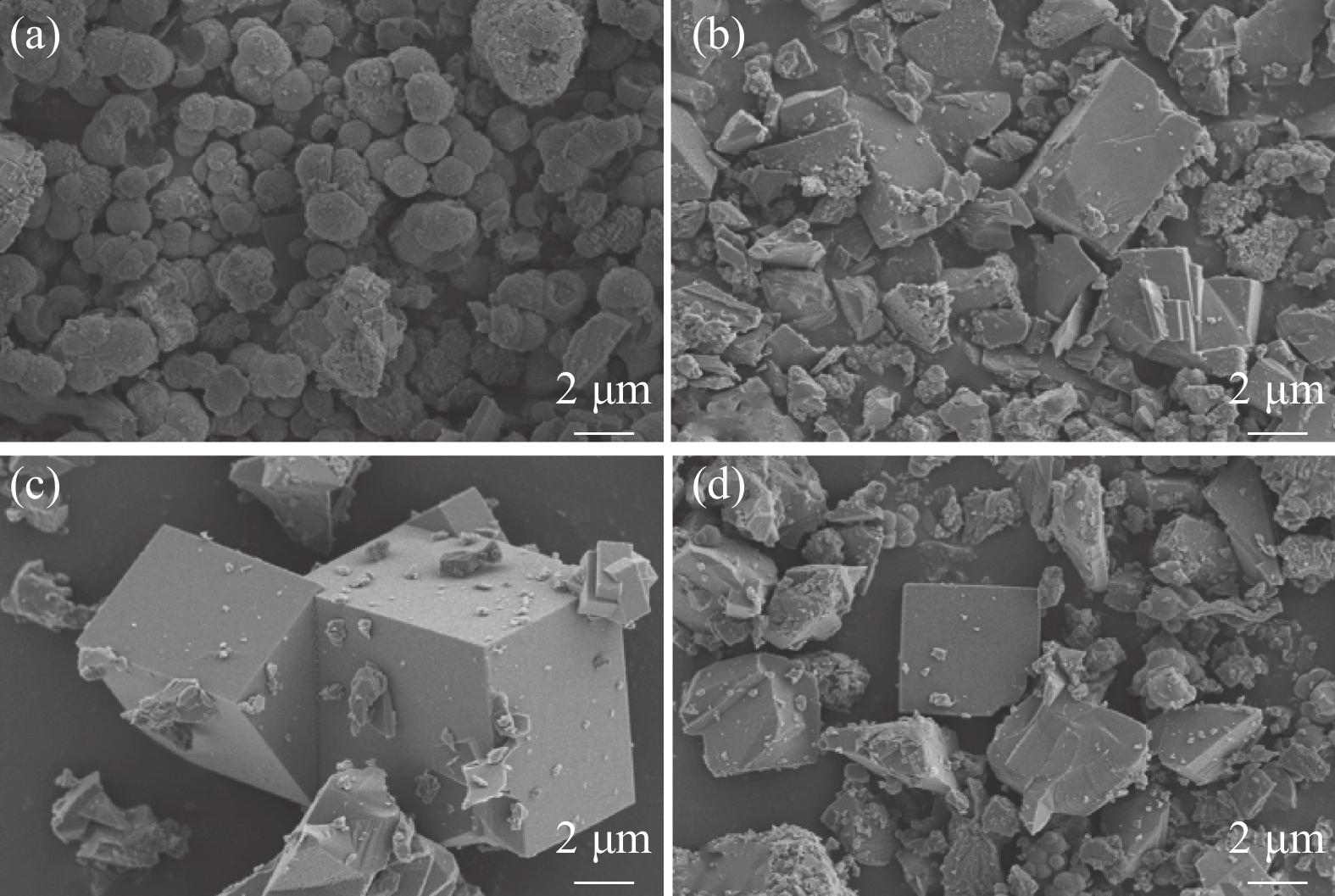
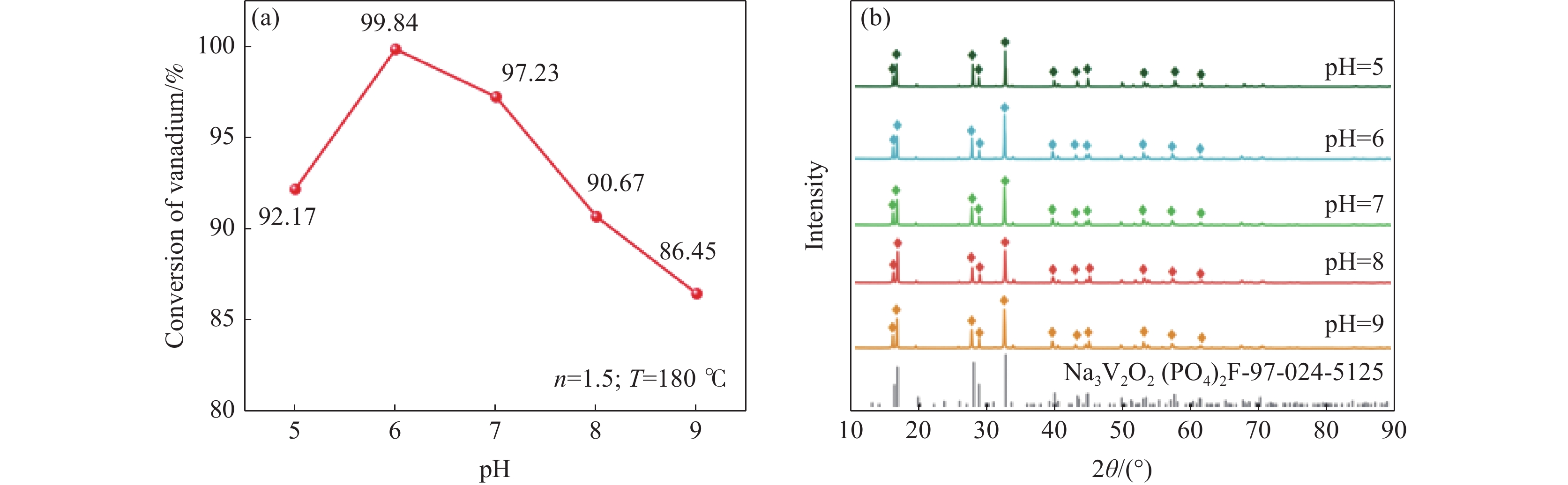
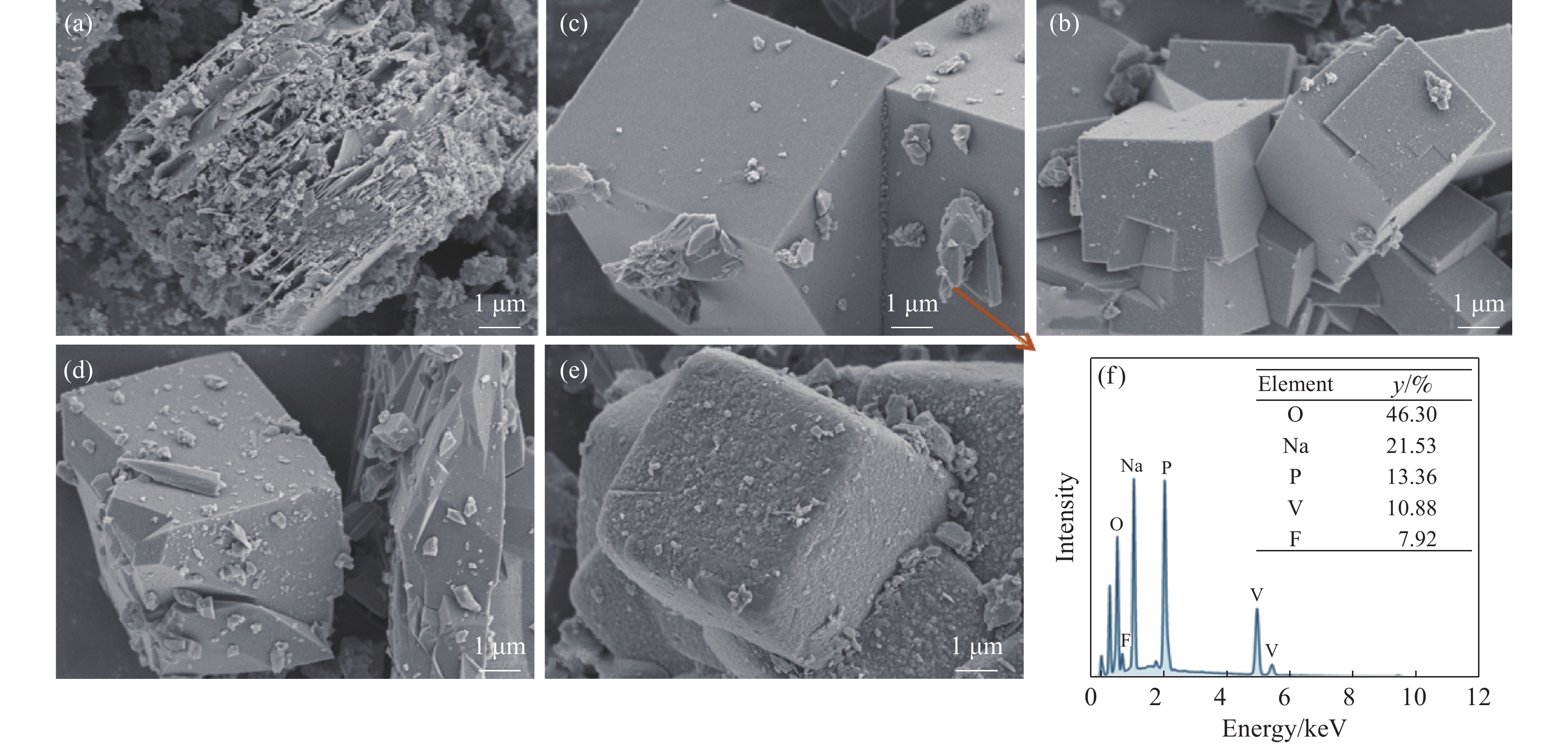
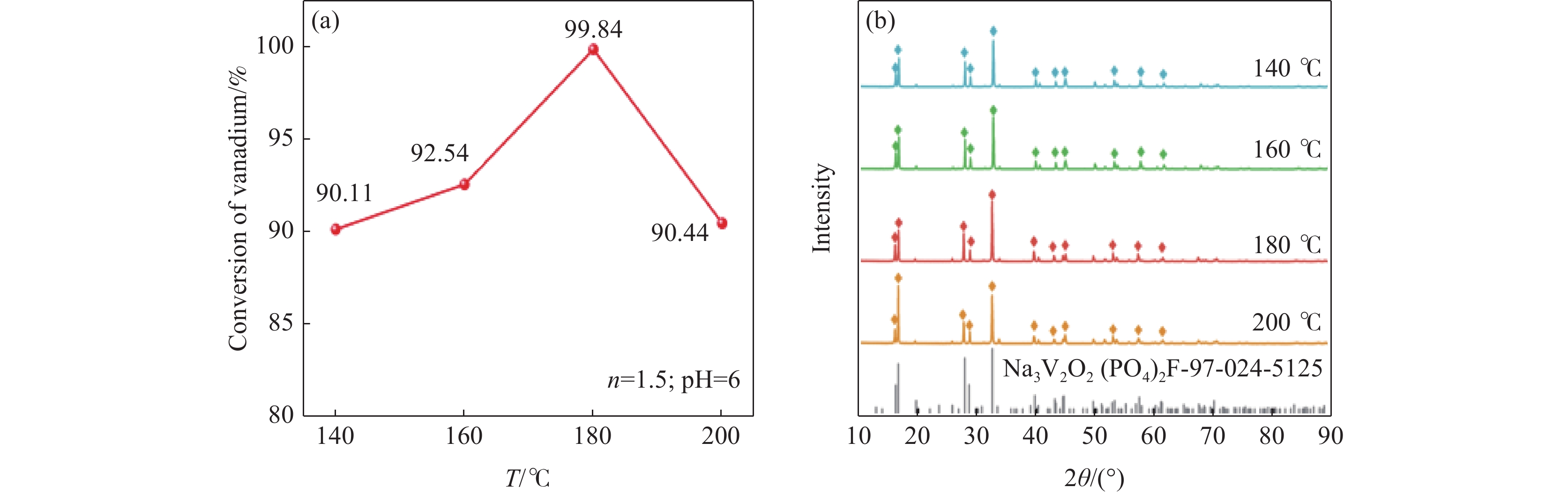
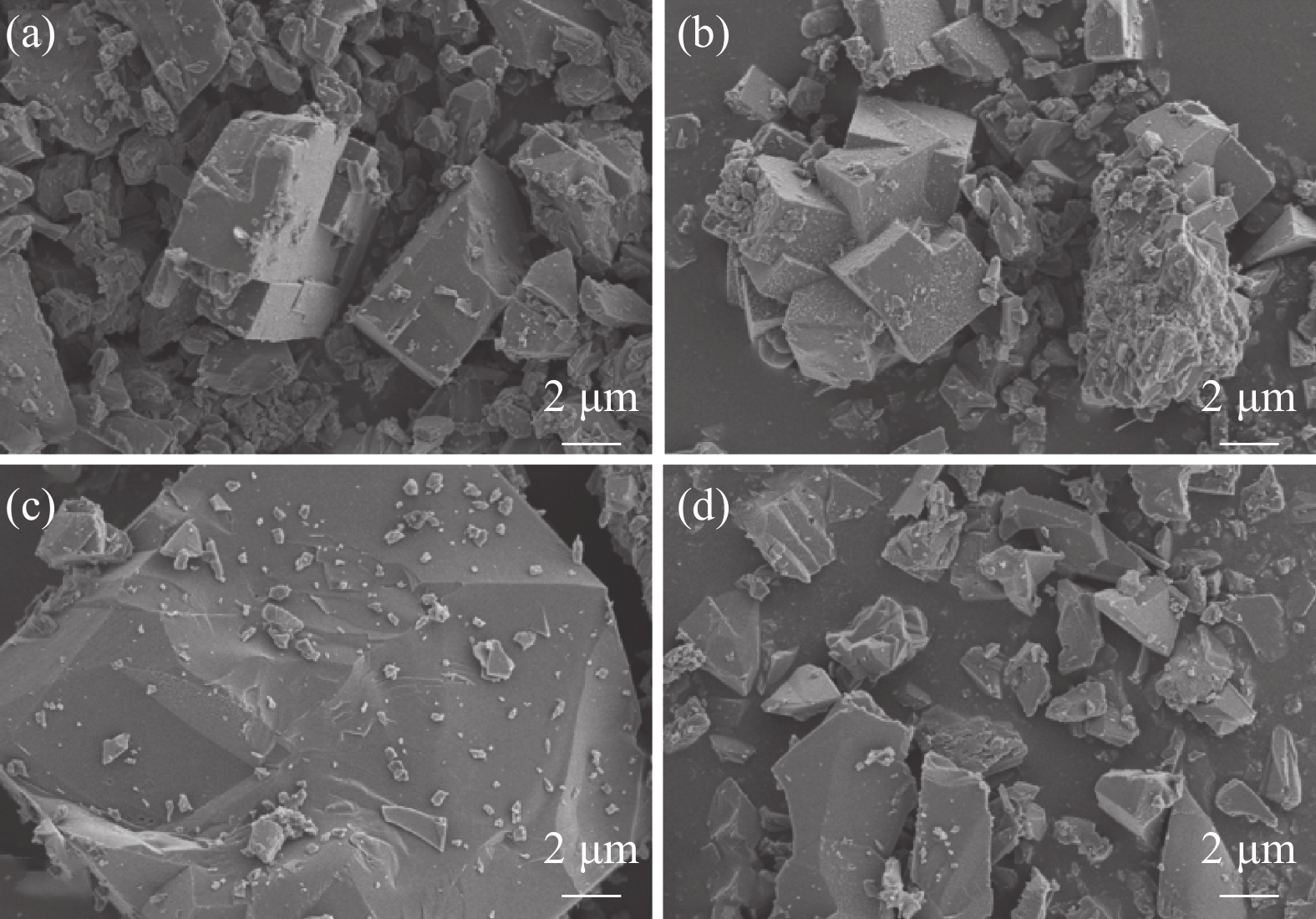
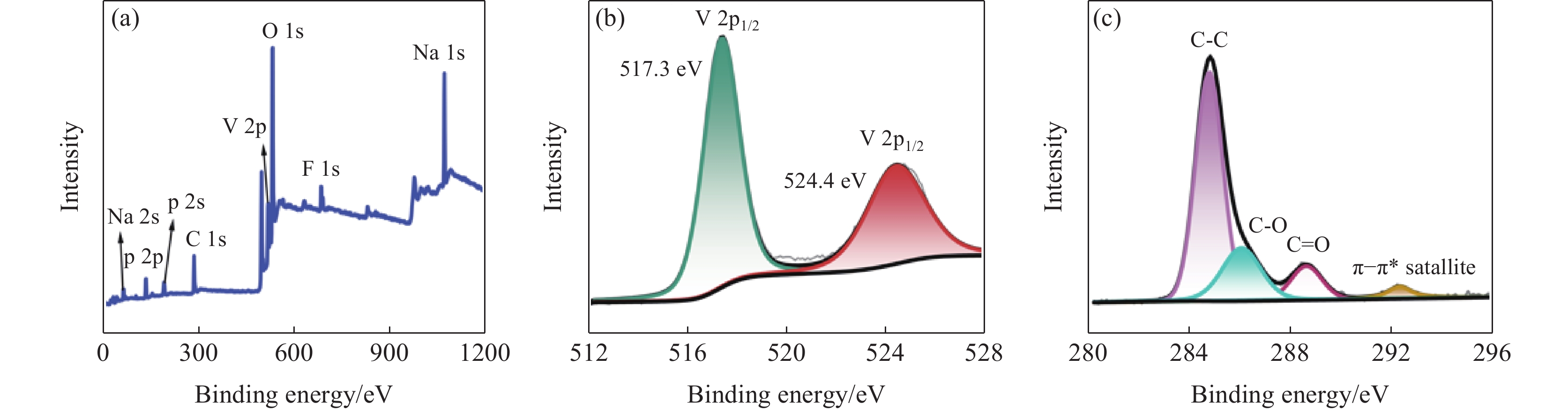
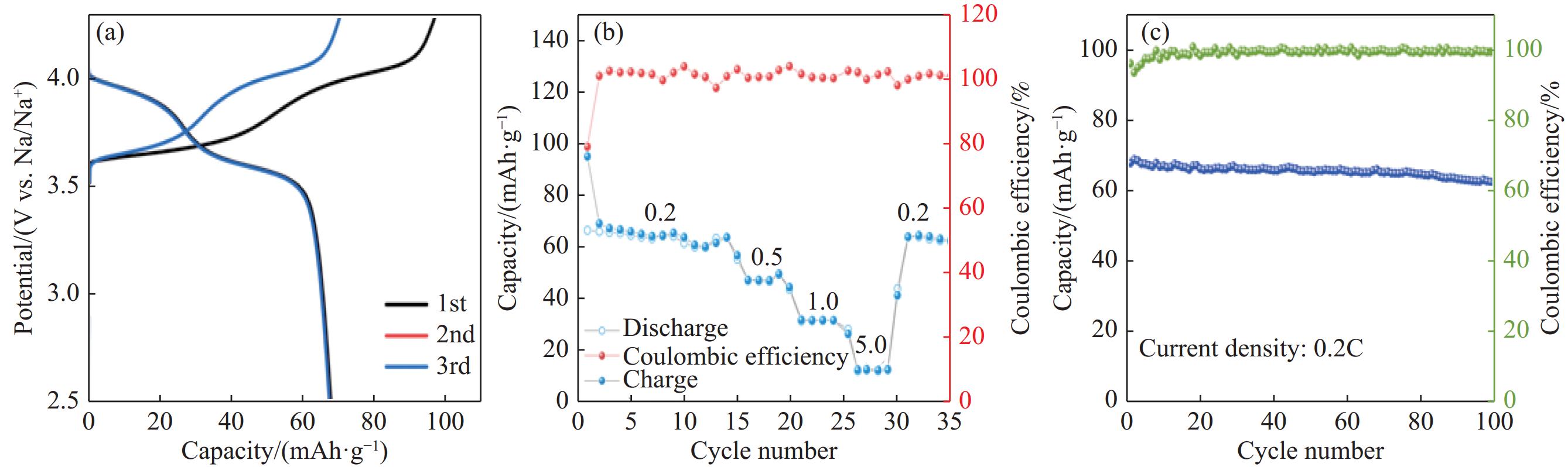
To address the dilemma of high-cost in using vanadium sources for the traditional preparation of sodium vanadium fluorophosphate (NVOPF), a novel solvothermal synthesis process was proposed. This method utilizes sodium-treated vanadium slag leaching solution as a substitute for high-purity vanadium sources, and successfully realized the direct conversion from metallurgical by-products to battery materials. In addition, the effects of the dosage of reducing agent citric acid (C6H8O7), solution pH, and synthesis temperature on vanadium conversion rate and material properties were investigated. The experimental results showed that with the increase of the dosage of reducing agent, pH, and temperature, the vanadium conversion rate showed a trend of first increasing and then decreasing. Under the conditions of pH value of solution of 6, molar ratio of citric acid to vanadium of 1.5, and solvothermal temperature of 180 °C, the synthesized NVOPF material exhibited a regular cubic block structure with vanadium in the +4 oxidation state (V4+) and the initial discharge capacity at a 0.2C rate was 68 mAh/g, demonstrating good structural stability and a third-cycle Coulombic efficiency of 96%. However, there is still a certain gap between the high-rate performance and actual capacity of the material and the theoretical value, which is primarily affected by the impurities in the leaching solution. This study provides a new solution for the high value added utilization of vanadium slag and the preparation of low-cost cathode materials for sodium-ion battery.
Preparation of lithium manganese iron phosphate cathode material by purification of ferrous sulfate and study on its performance influence
ZENG Xiaojun, ZHANG Qin, SU Baocai, XIE Yuanjian, CAI Pingxiong
2025, 46(5): 163-169. doi: 10.7513/j.issn.1004-7638.2025.05.017
Abstract(21) HTML (12) PDF(7)
Abstract:
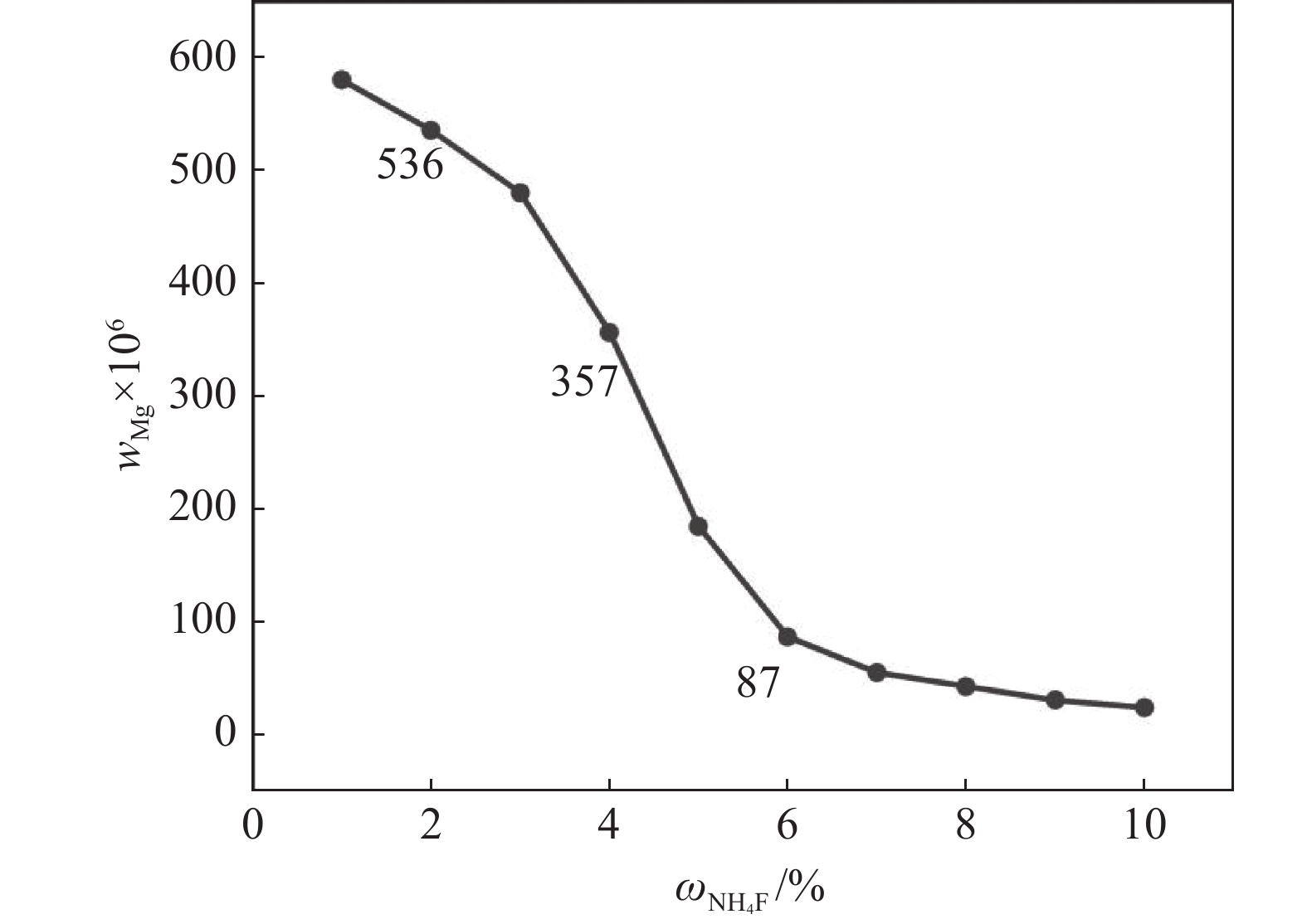
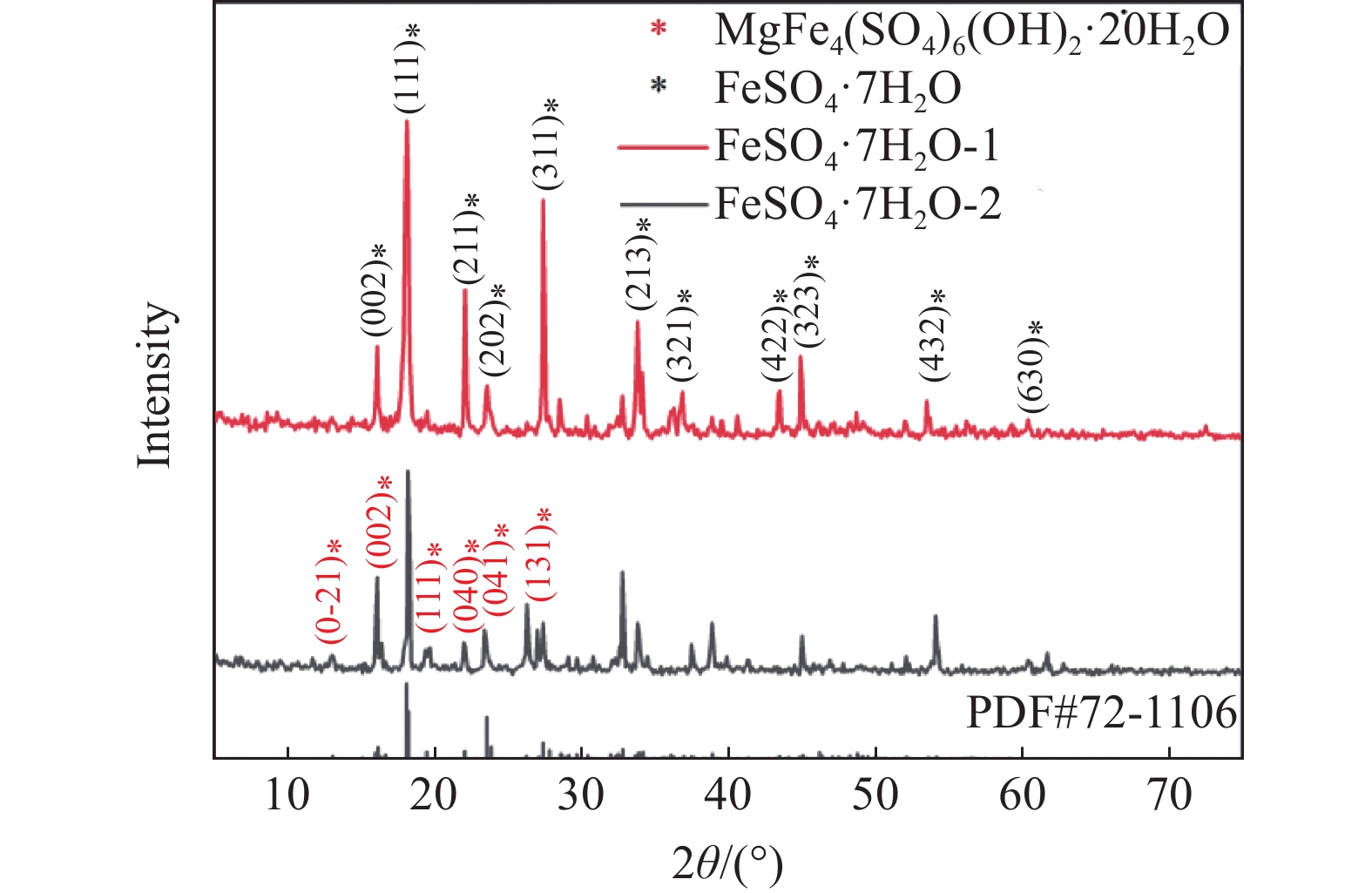
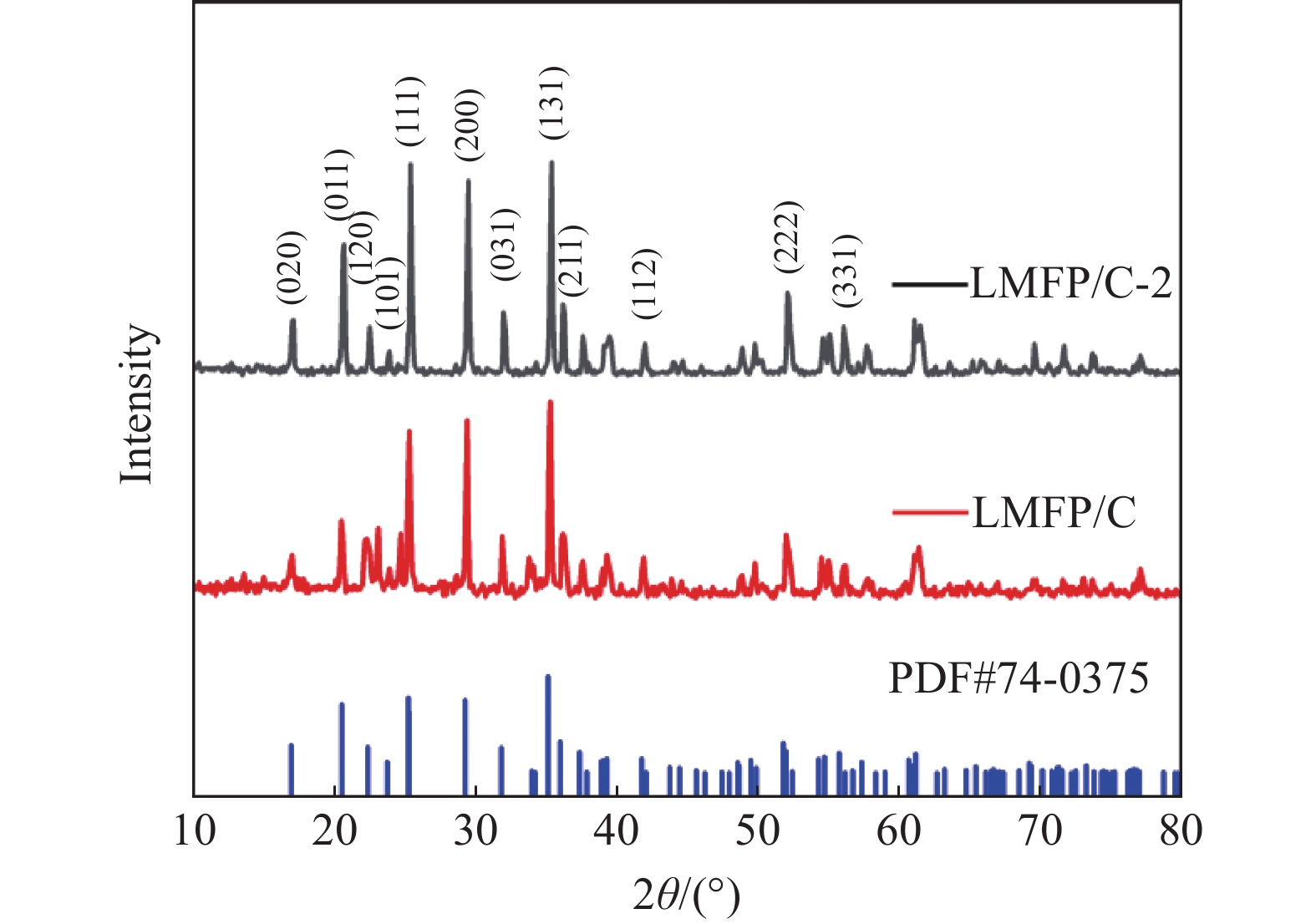
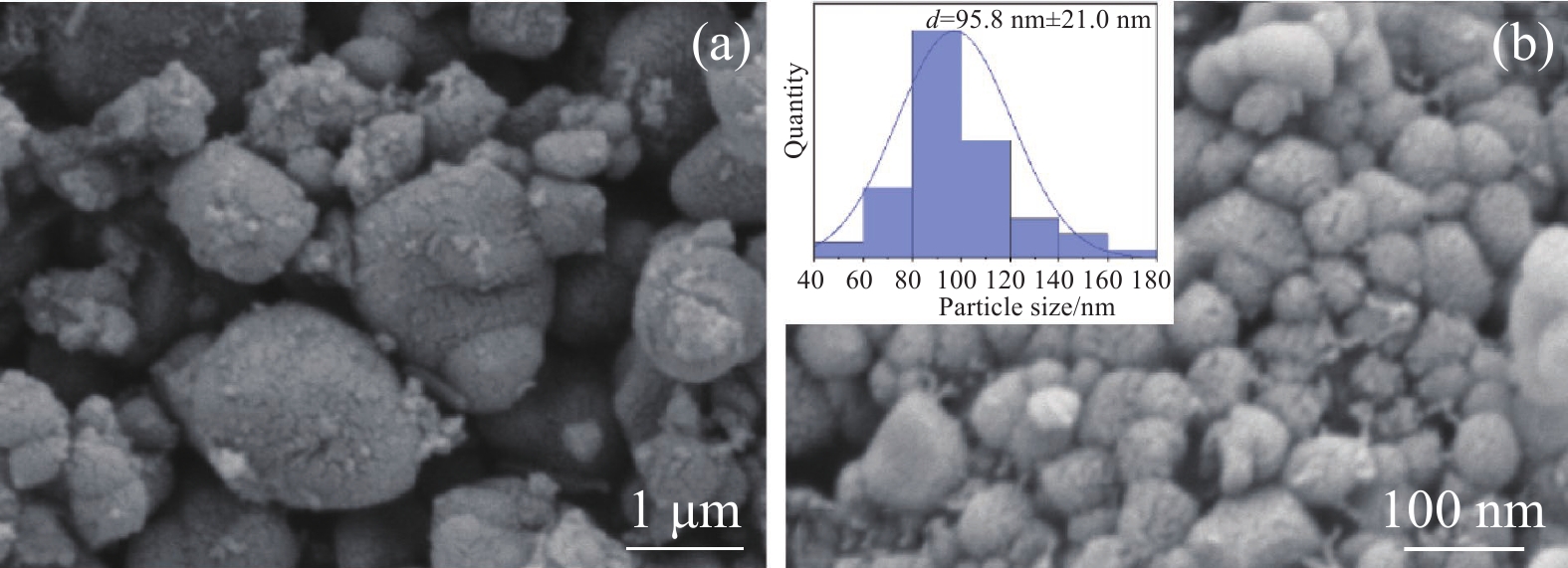
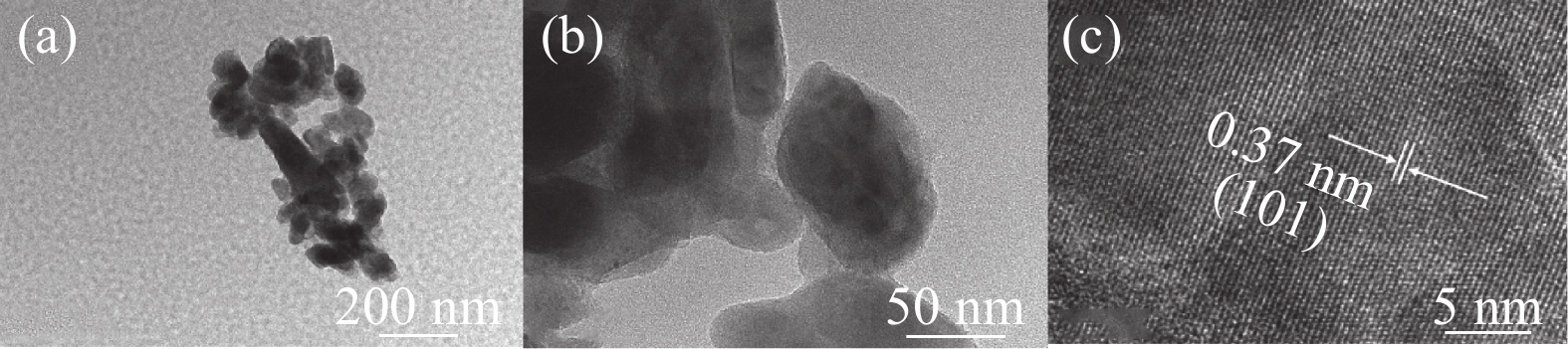
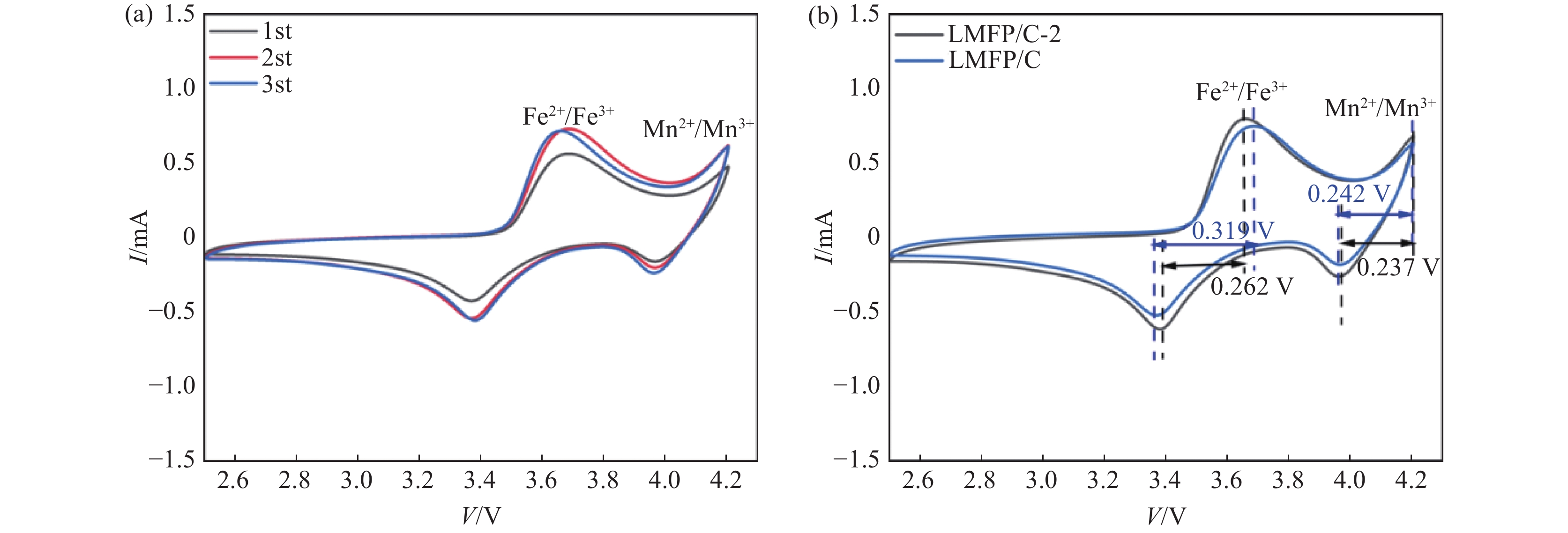
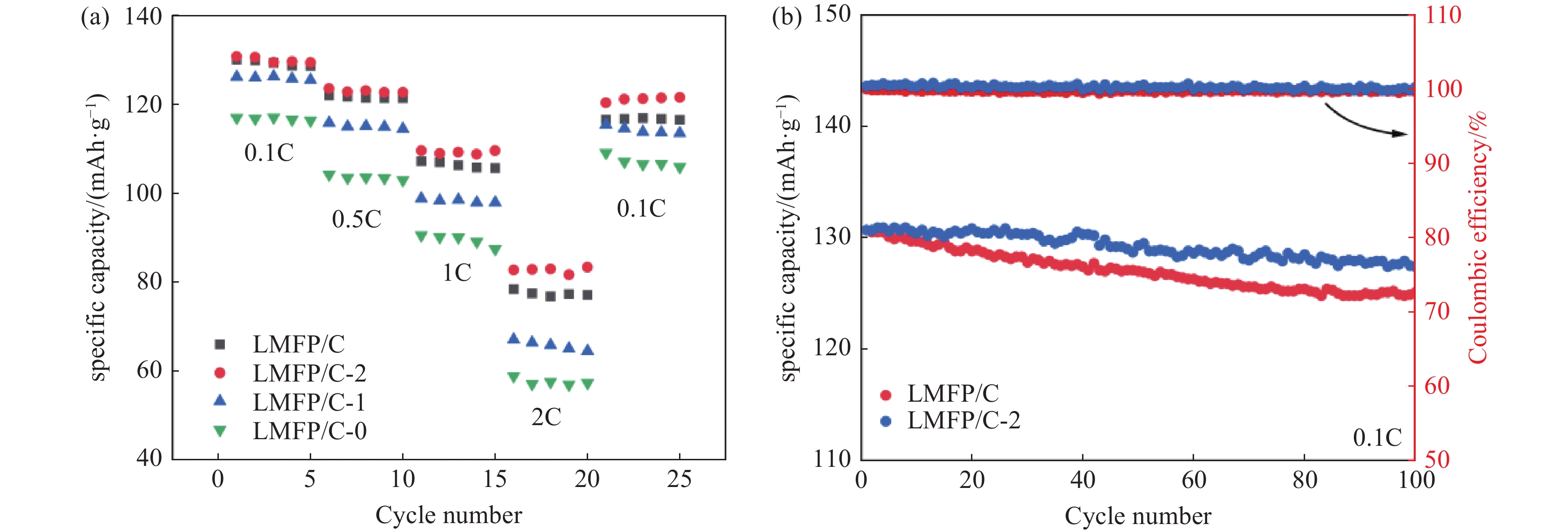
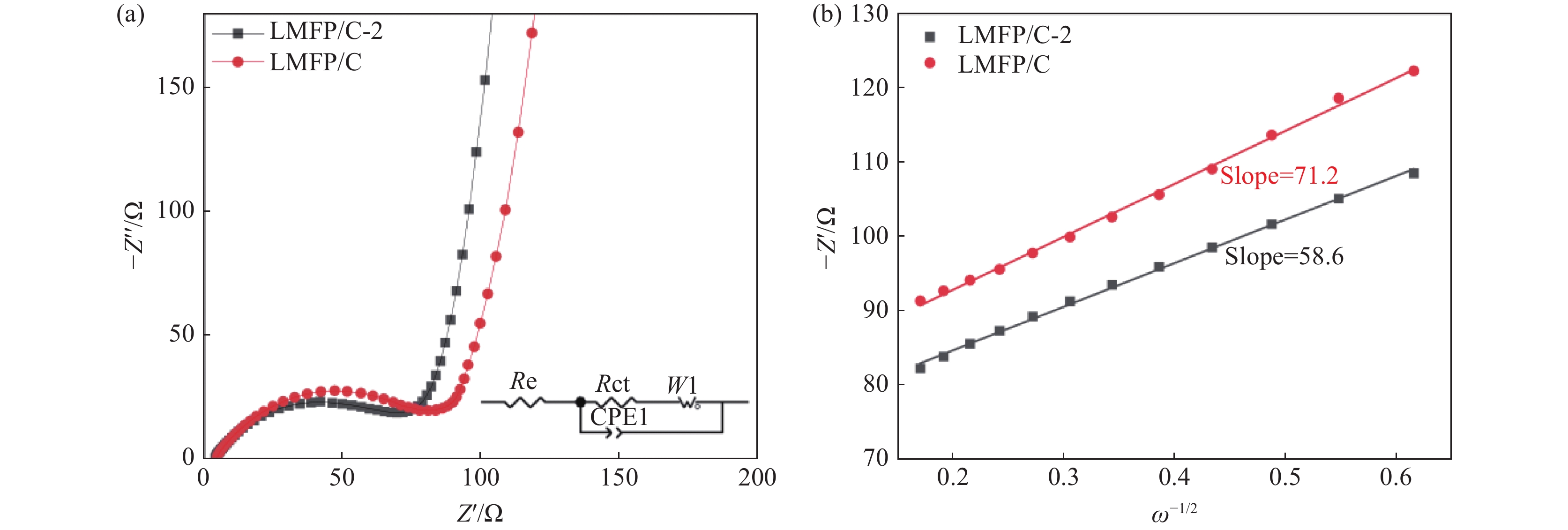
The titanium dioxide production process via the sulfuric acid method generates a significant amount of byproduct ferrous sulfate. To fully utilize this resource, ferrous sulfate is purified and then used as a raw material to synthesize value-added cathode material of lithium manganese iron phosphate (LMFP) through a one-step hydrothermal method. In this study the impact of partially removed magnesium from the raw material on the physical and electrochemical properties of LMFP had been investigated. The results show that the using ammonium fluoride with a mass fraction of 6% as a chemical precipitant can obtain ferrous sulfate products with a removal rate of 98.86% magnesium impurities. Consequently the synthesized LMFP features an irregular spherical morphology and an orthorhombic crystal structure. A small amount of magnesium impurities alters the lithium-ion activity space within the material, enhancing lithium-ion migration rates. The discharge specific capacity of the synthesized LMFP cathode material (LMFP/C-2) is 135.24 mAh/g at 0.1C and 86.16 mAh/g at 2C, respectively. After 100 cycles at 0.1C, the discharge specific capacity retention rate reaches 97.70%. The performance of the obtained product slightly surpasses that of high-purity commercial materials.
Effect of initial texture on microstructure evolution of Ti-2Al-2.5Zr alloy tubes in multi-pass cold Pilger rolling process
WU Jingyi, FAN Yutian, XING Yuan, WANG Ying, LUAN Baifeng
2025, 46(5): 170-176. doi: 10.7513/j.issn.1004-7638.2025.05.018
Abstract(26) HTML (12) PDF(10)
Abstract:
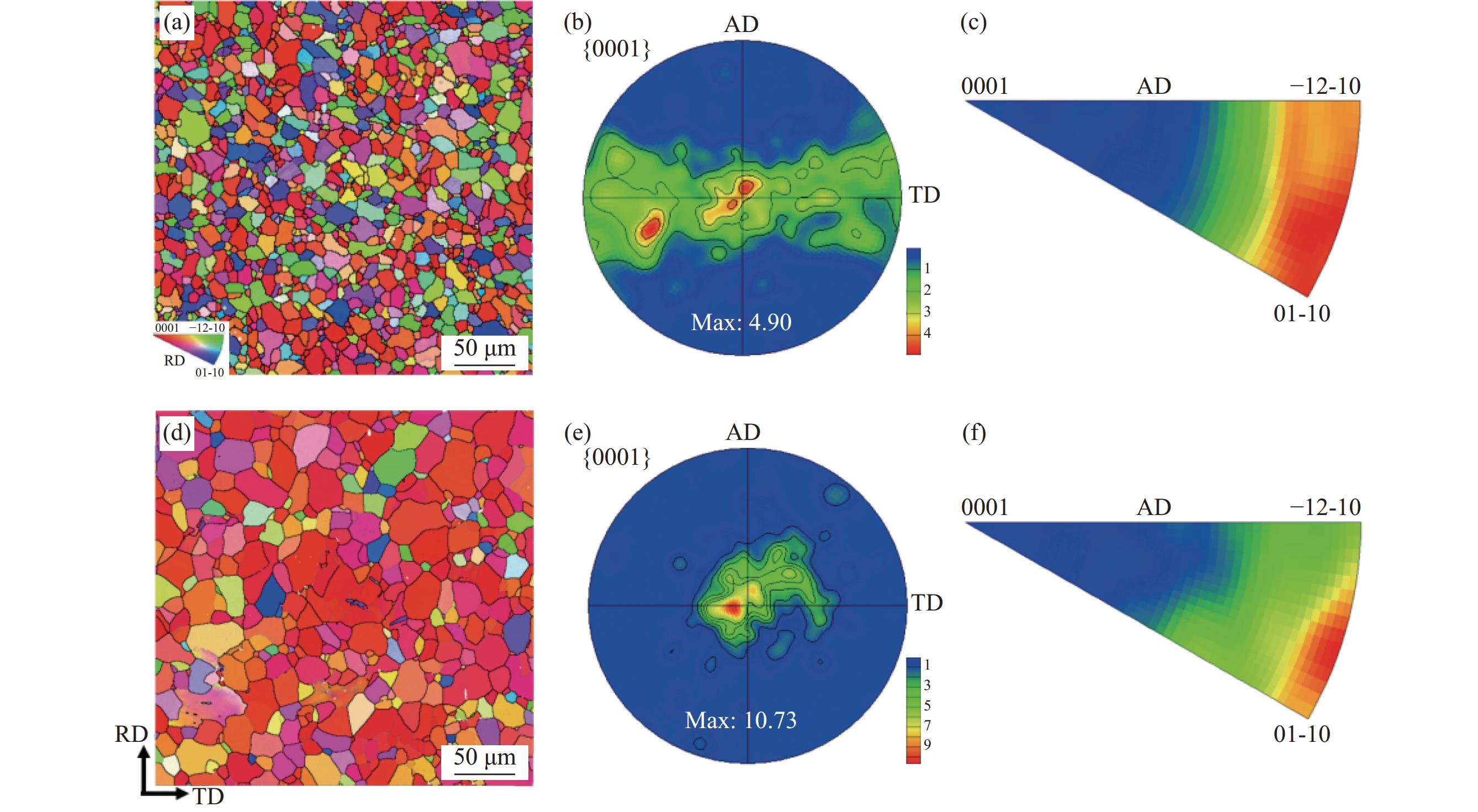
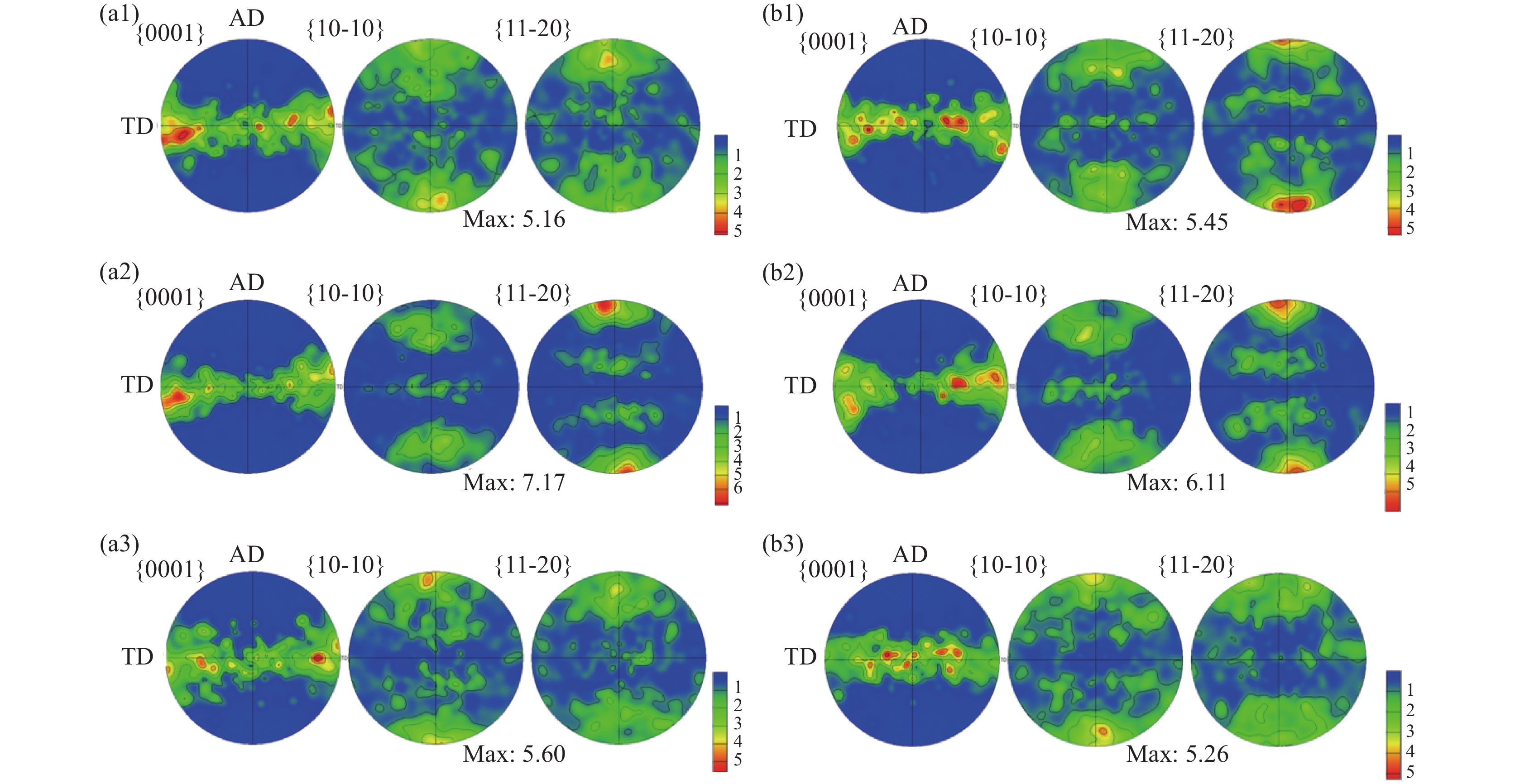
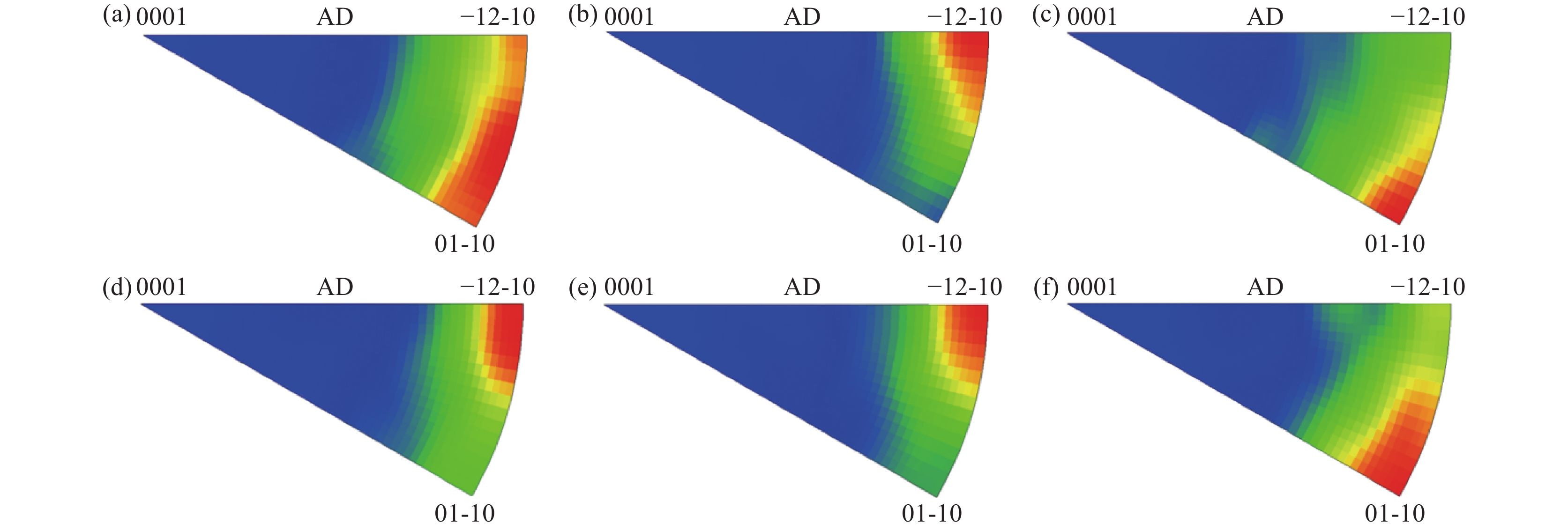
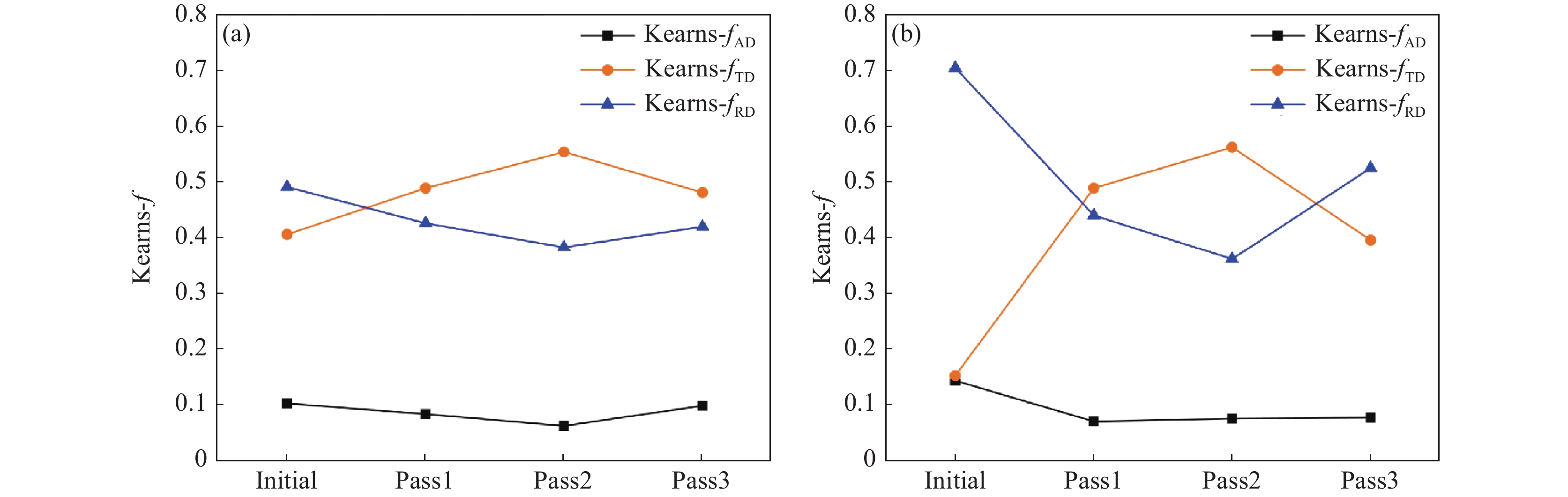
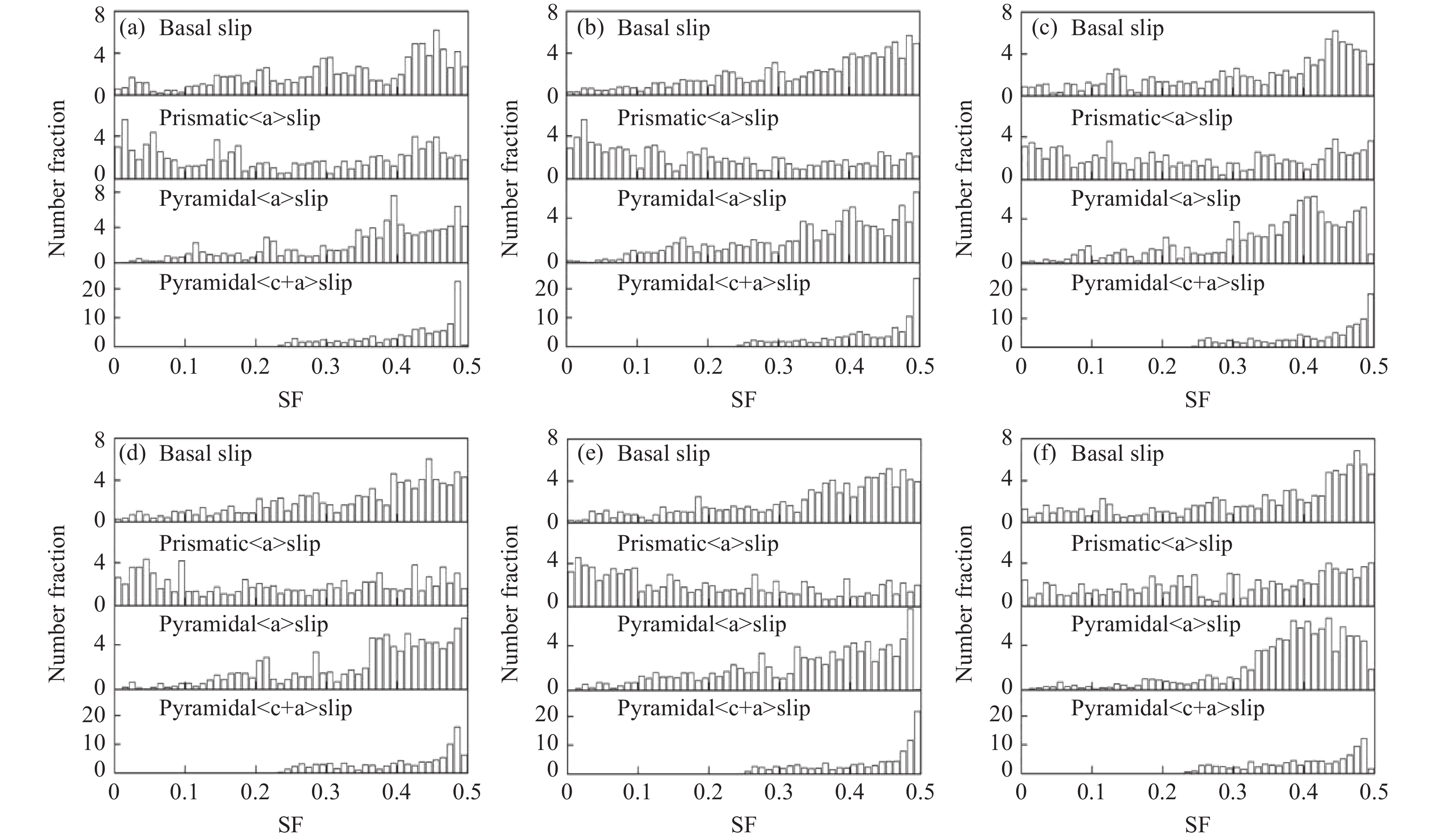
Pilger cold rolling is a good technique for manufacturing hard-to-distort tubes. However, the complex thermal loading history of multi-pass cold rolling combined with heat treatment has resulted in significant inhomogeneous tube deformation in cold rolling, leading to complex patterns of tube texture evolution. This study investigated the microstructural evolution and deformation mechanism of two types of Ti-2Al-2.5Zr alloy billets with different initial textures, produced by hot-rolled and precision-forged, during the three-pass Pilger cold rolling process. Through microstructural analysis, pole figures and inverse pole figures characterization, as well as calculations of the Kearns factor and Schmid factor (SF), the influence of different initial textures on the microstructural evolution during the cold rolling of seamless tubes was examined. The results show that after three passes of cold rolling, the grain sizes of the microstructures in both hot-rolled and precision-forged billets are similar, exhibiting equiaxed grains. During the cold rolling process, prismatic slip and pyramidal <c+a> slip are significantly activated, with the pyramidal <c+a> slip being confirmed as the primary deformation mechanism affecting the radial grain intensity in cold rolling. Variations in the Q-value lead to the tilting of the c-axes of the grains between the transverse direction (TD) and the radial direction (RD). The precision-forged billet, which has a higher initial radial texture intensity (fRD), exhibites a stronger radial texture after cold rolling. This study provides a theoretical basis for optimizing texture control of titanium alloy tubes.
Effect of hydrostatic pressure on stress corrosion susceptibility of low-cost titanium alloy plates and tubes
ZHU Yuhui, YANG Shengli, DANG Hengyao, JIANG Tiantian, GAO Fuyang, LIU Qianli, LÜ Yifan
2025, 46(5): 177-183. doi: 10.7513/j.issn.1004-7638.2025.05.019
Abstract(35) HTML (13) PDF(9)
Abstract:
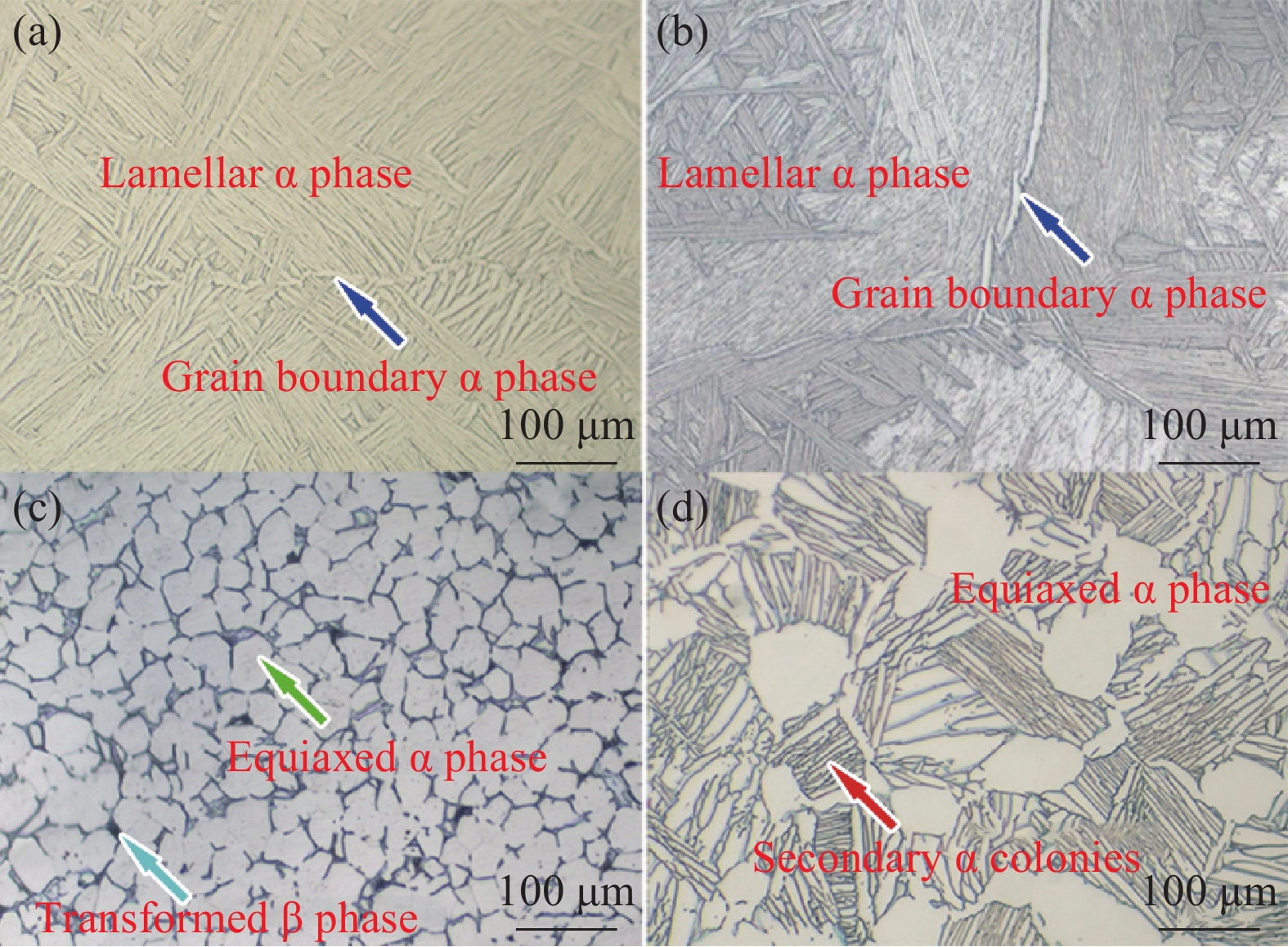
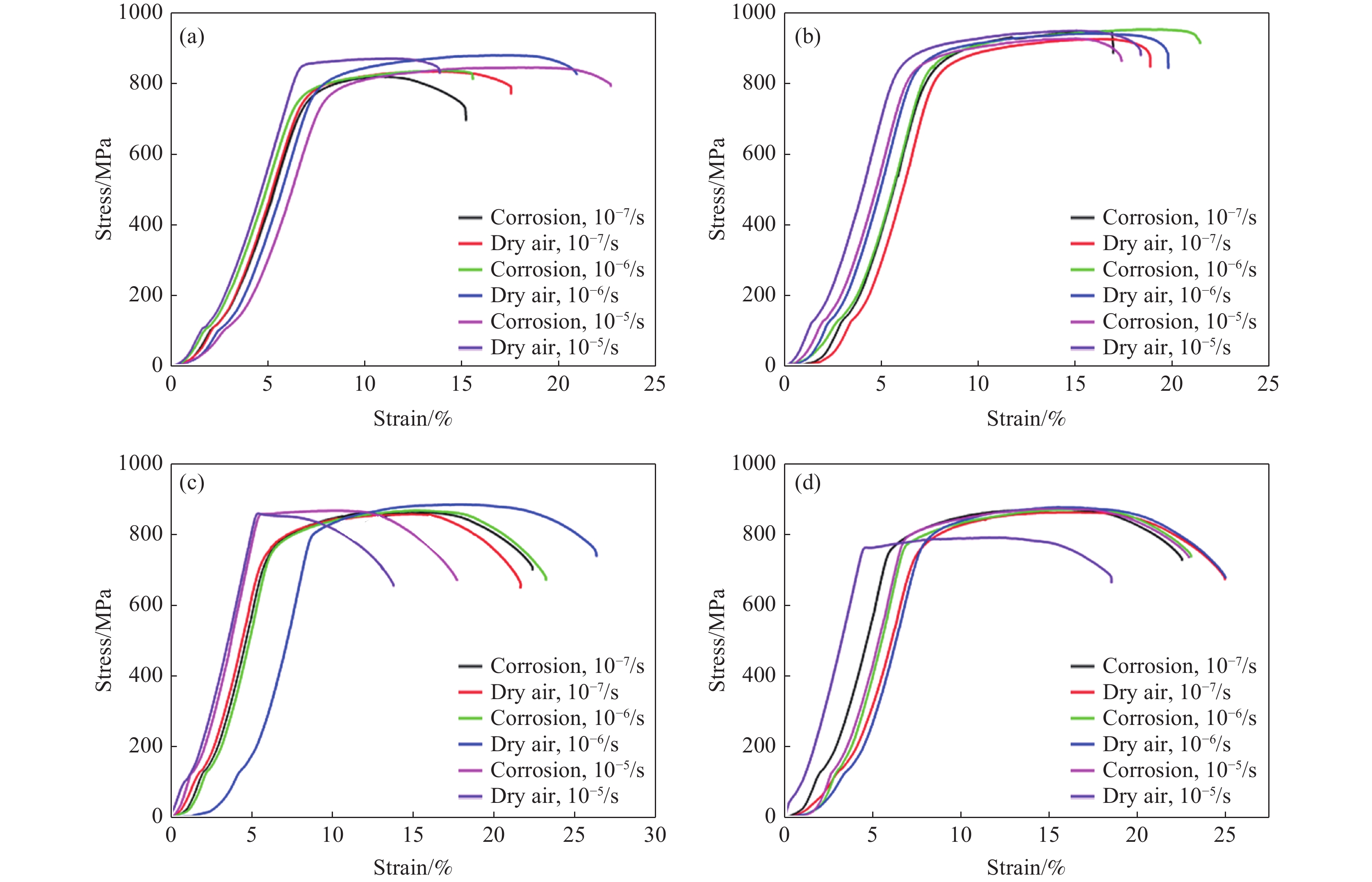
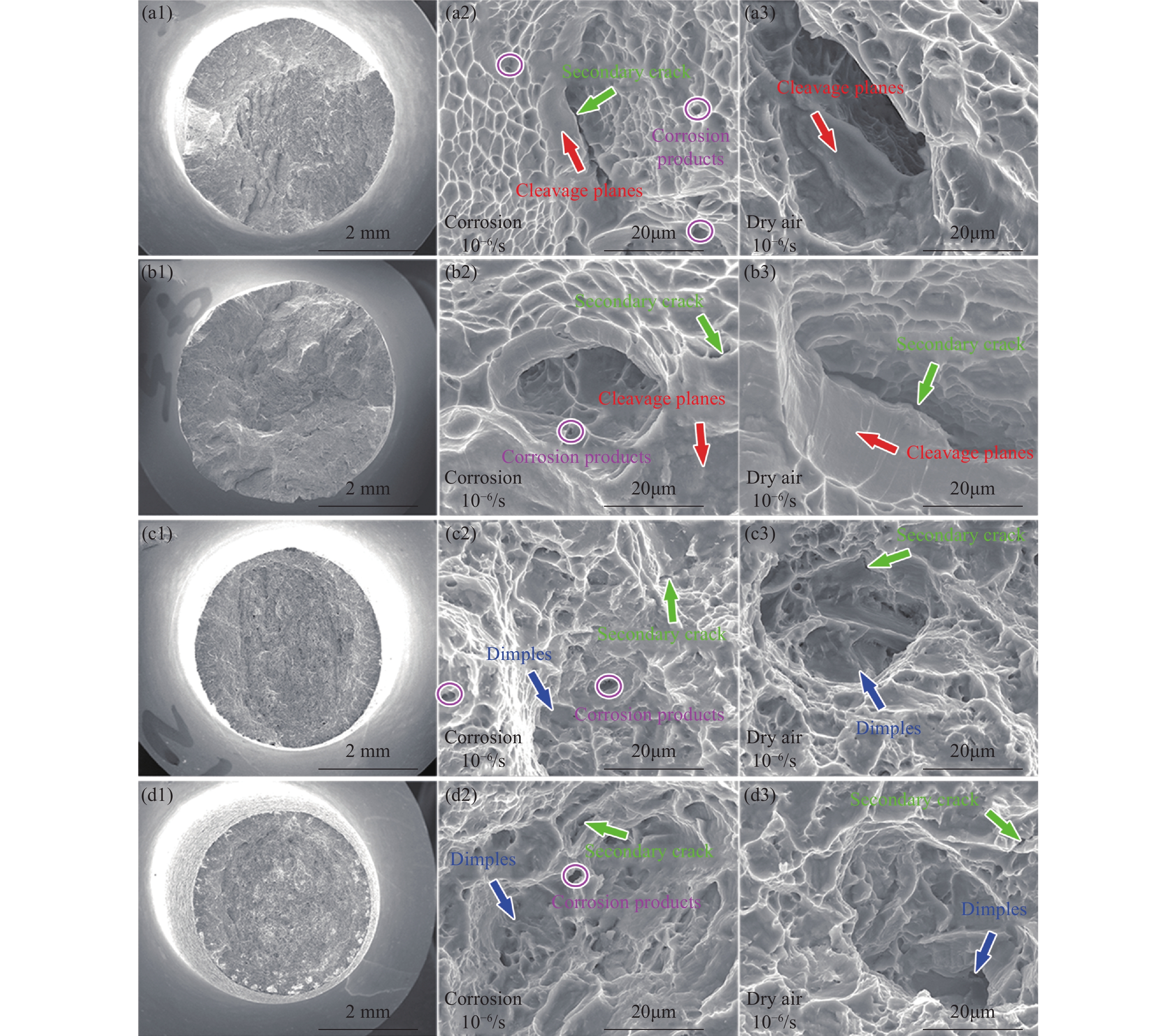
This paper investigates the stress corrosion cracking (SCC) susceptibility of low-cost Ti6411 plate, Ti52 tube, marine TC4 ELI, and Ti80 alloys under simulated deep-water environment pressure using a high-pressure autoclave testing system. Slow-strain-rate tests (10−5, 10−6/s, and 10−7/s) were exposed to 3.5% NaCl solution and dry air with a hydrostatic pressure of 7.5 MPa. The tensile parameters and stress corrosion susceptibility index (ISSRT) were obtained. Furthermore, the microstructures and fracture features have been observed to elucidate the stress corrosion behavior and failure mechanisms of low-cost titanium alloy plates and tubes using OM and SEM under simulated deep-water pressure. The results indicated that the optimal strain rate is within 10−5/s and 10−6/s. Specifically, the ISSRT values of Ti6411 plate are 10.0% and 9.1% with strain rates of 10−5/s and 10−6/s, respectively. A notable stress corrosion susceptibility was obtained. In contrast, all ISSRT values of Ti52 tube, TC4 ELI, and Ti80 alloys were below 5%, indicating no significant stress corrosion susceptibility. Particularly, Ti6411 plate with lamellar microstructure is sensitive to stress concentration effects and exhibits quasi-cleavage fracture. Some black corrosion products can be observed on the fracture morphologies. It is believed that the corrosion mechanisms were coupled effects of selective anodic dissolution and hydrogen embrittlement. Hydrostatic pressure can promote Cl- to weaken the passive film and increase hydrogen content. As a result, both of the tensile loading and internal hydrogen pressure reduce the corrosion resistance of the titanium alloys.
The creep-fatigue behavior of TC4 ELI alloy under simulated deep-sea environments
BIAN Fang, LIU Ke, LI Mengsha, WANG Zhiwei, WANG Qi, SUN Dongbai
2025, 46(5): 184-189, 204. doi: 10.7513/j.issn.1004-7638.2025.05.020
Abstract(37) HTML (18) PDF(12)
Abstract:
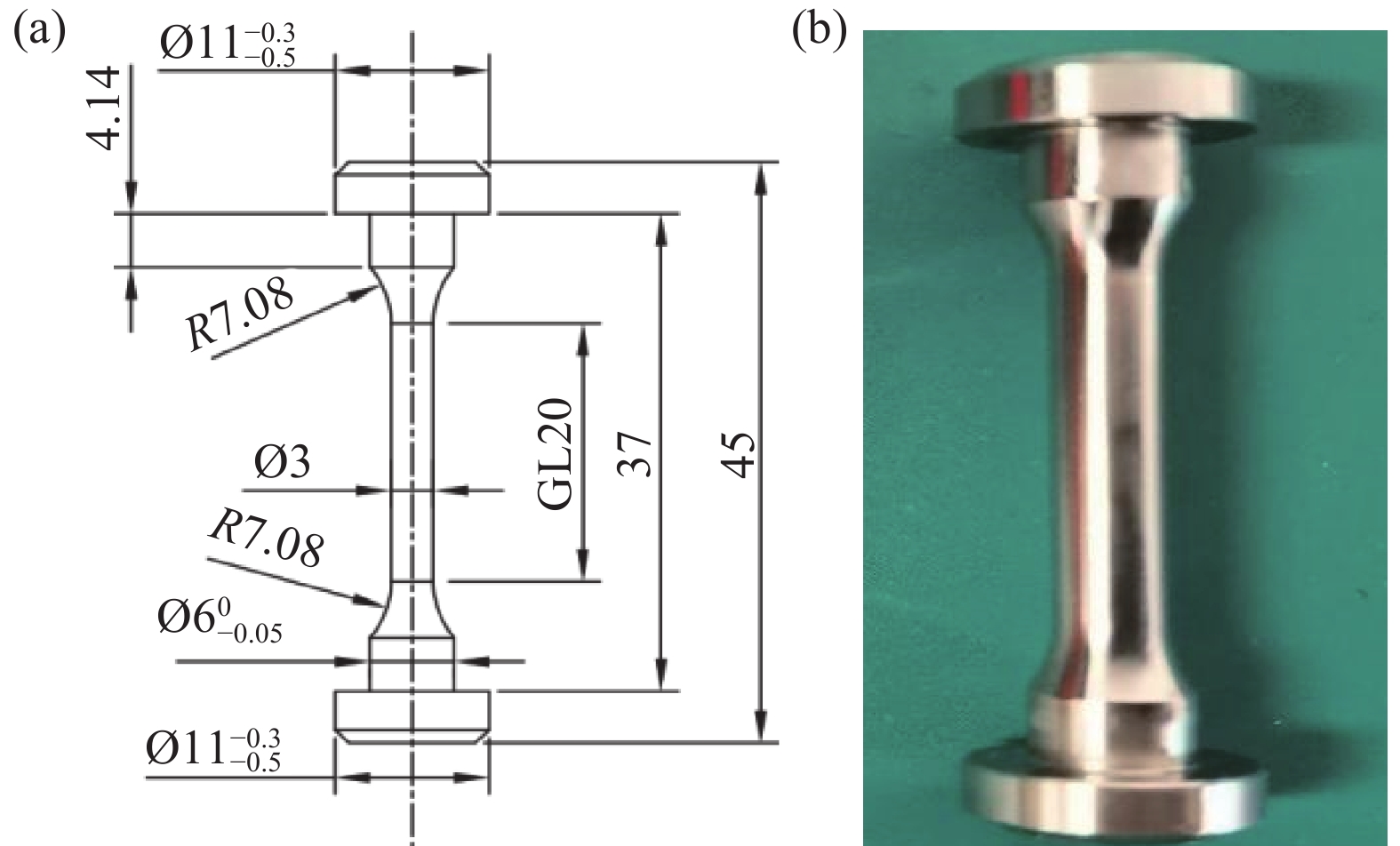
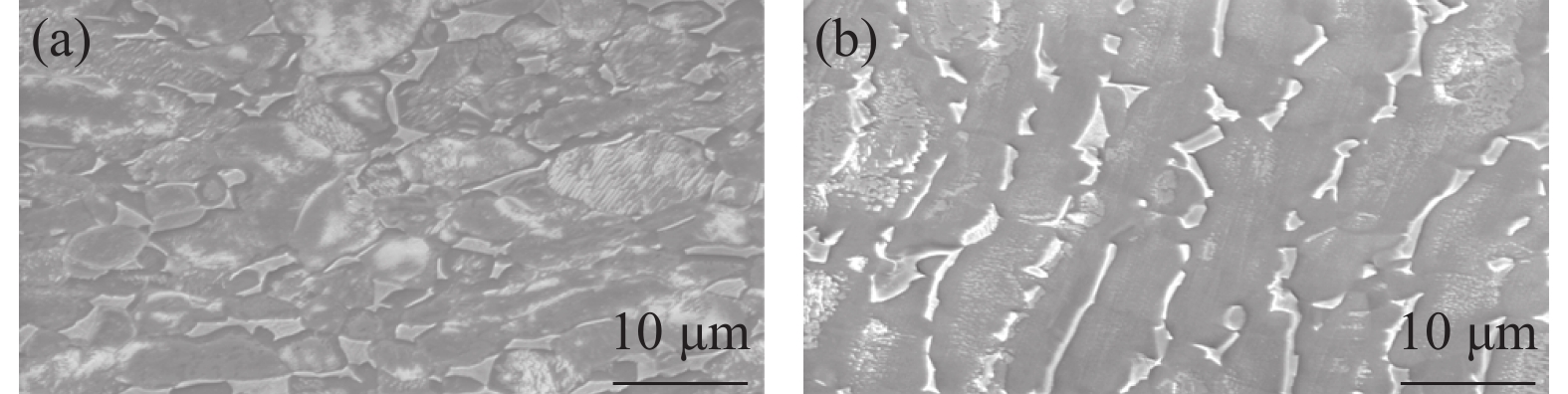
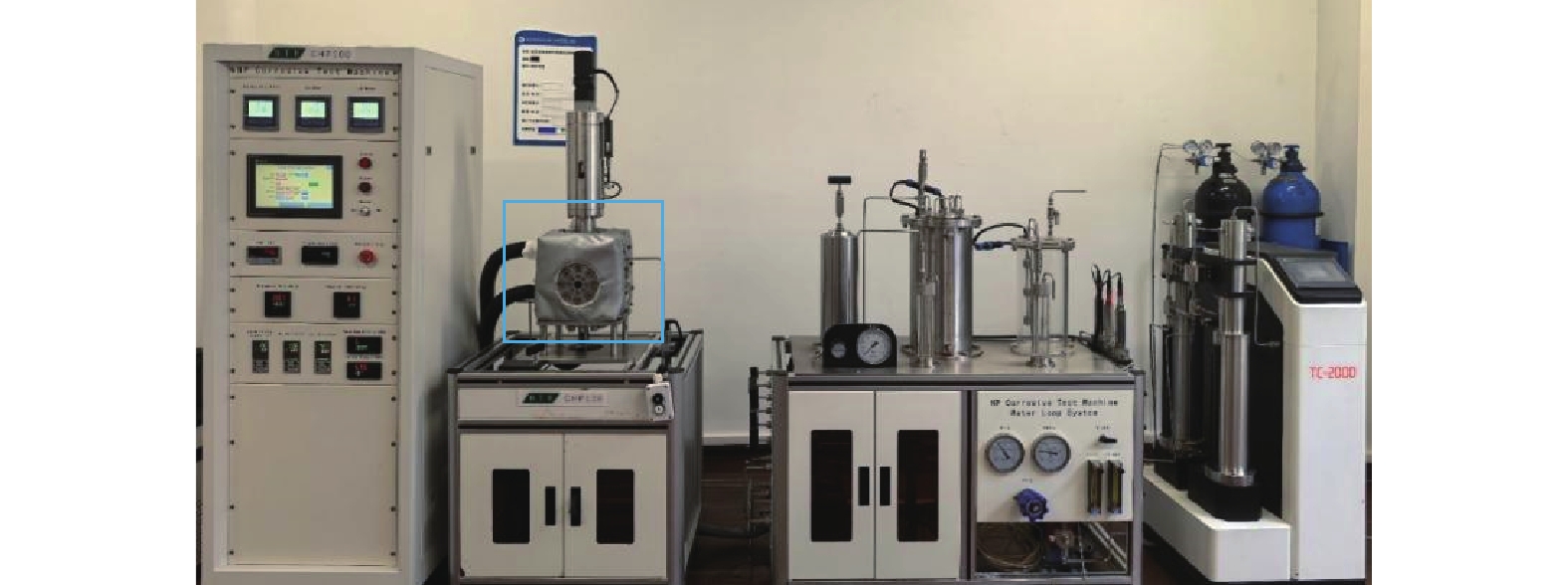
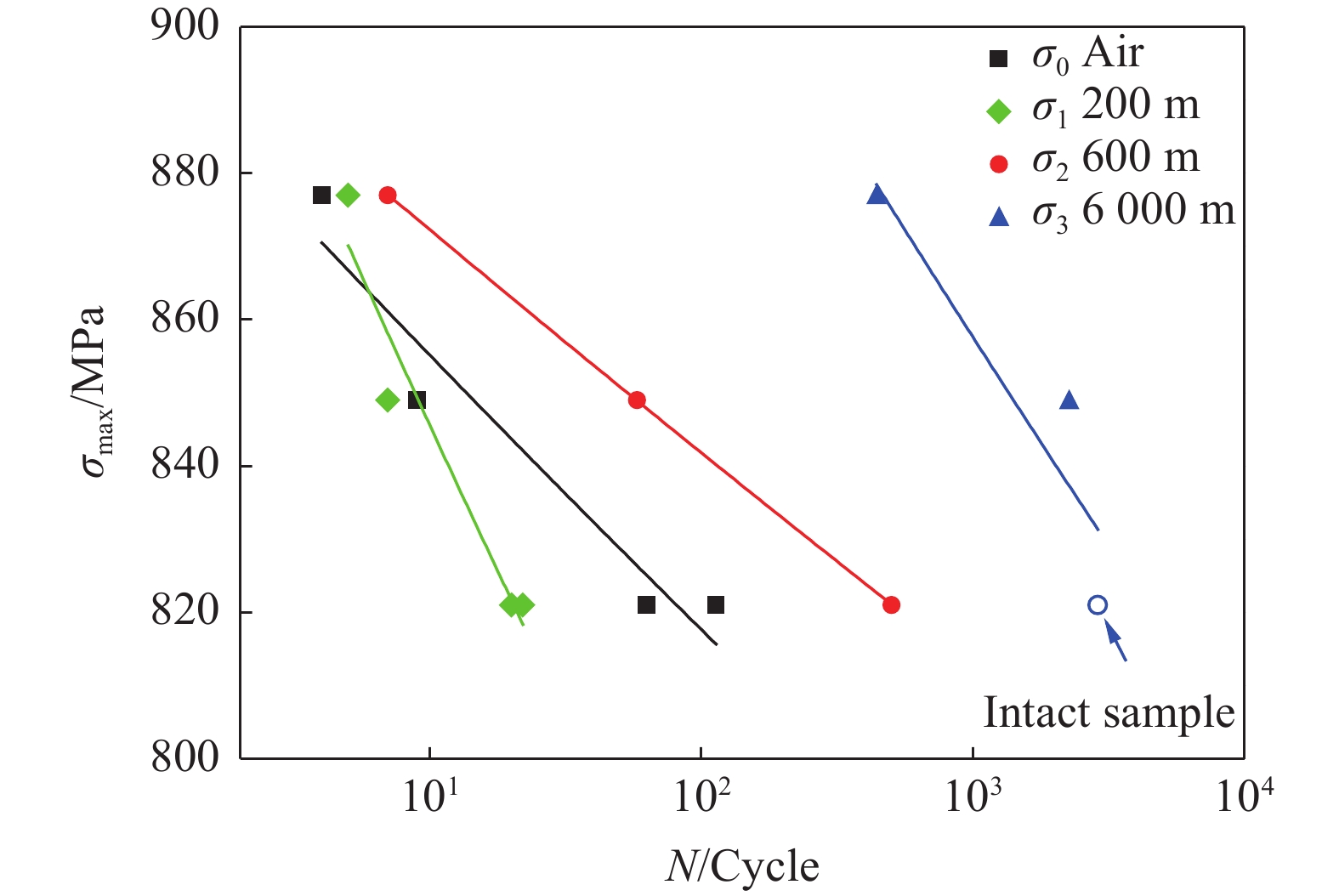
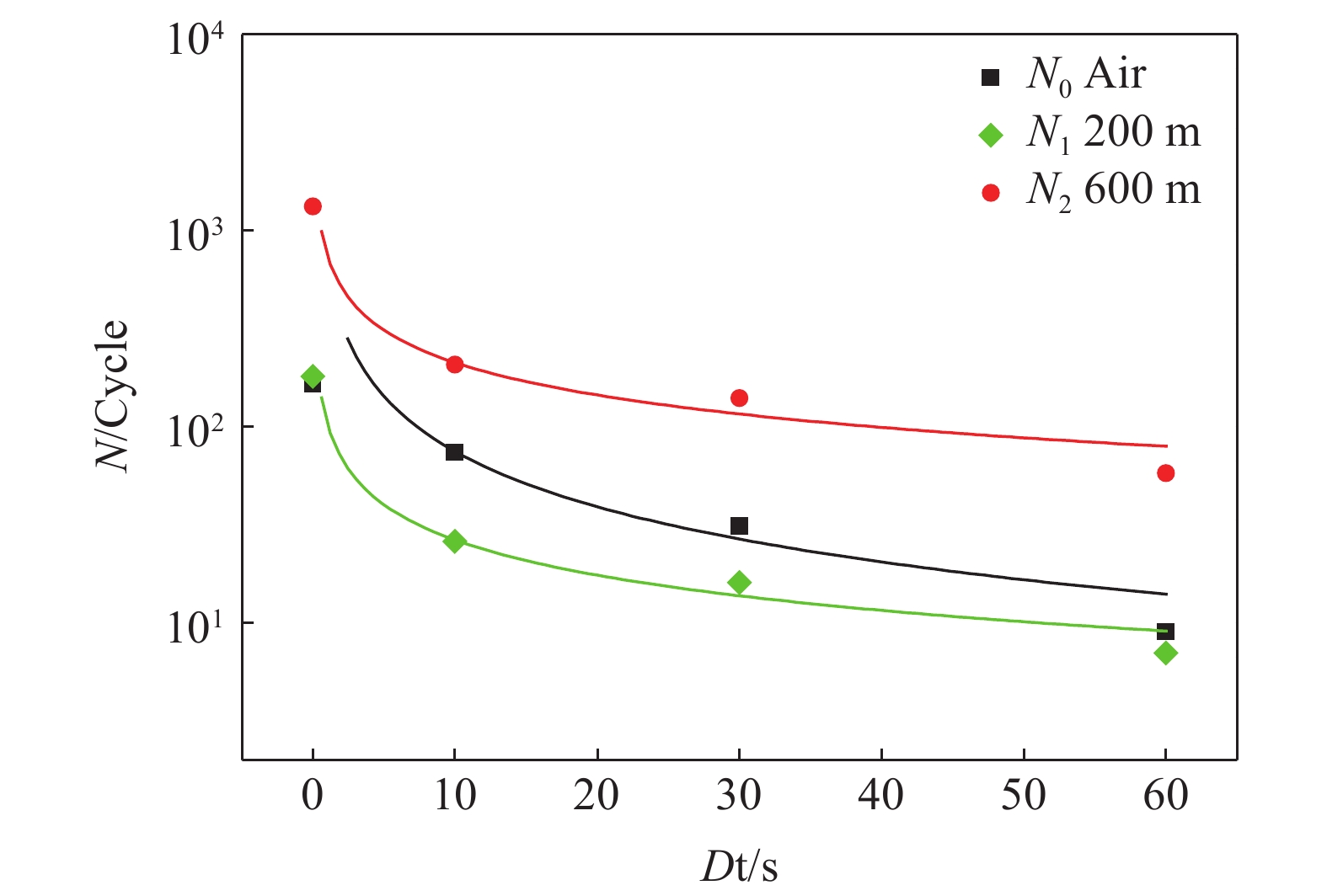
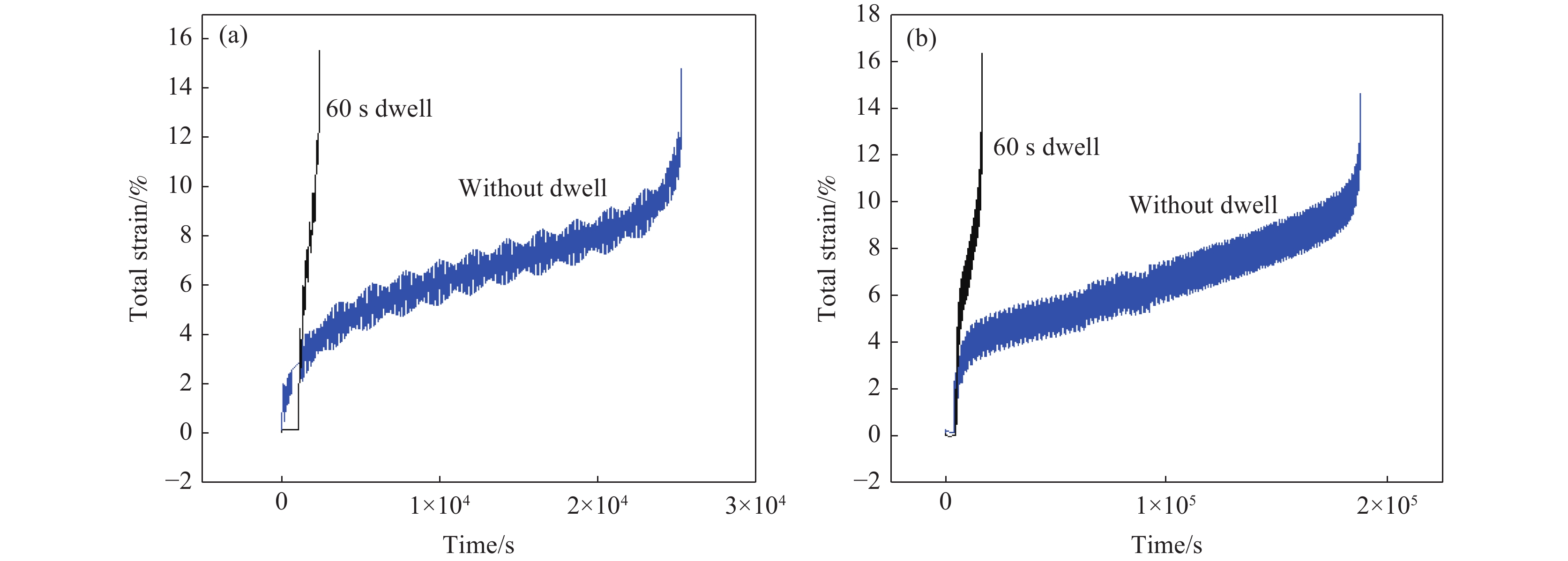
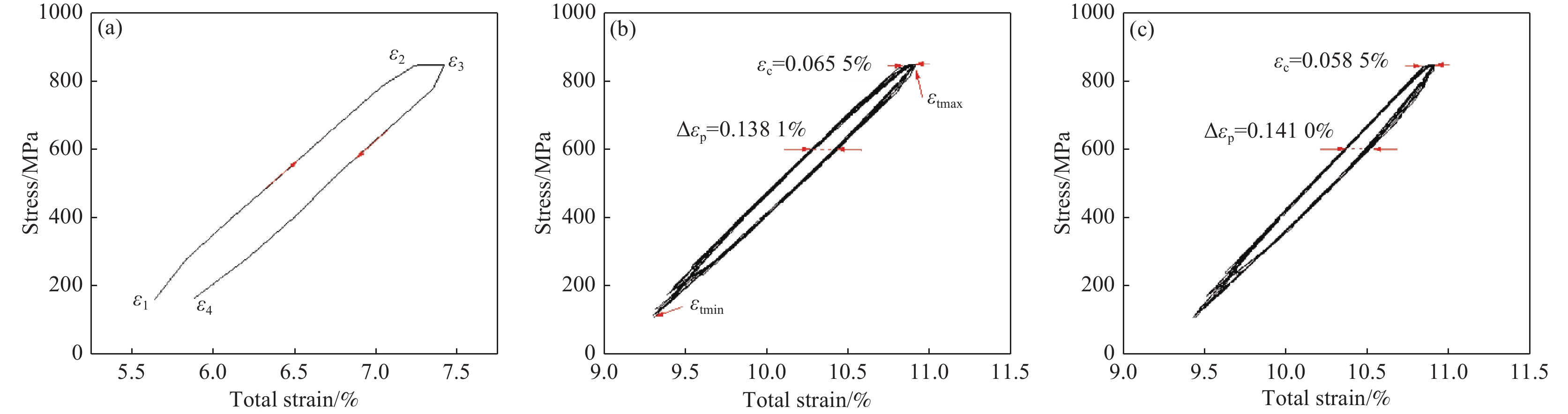
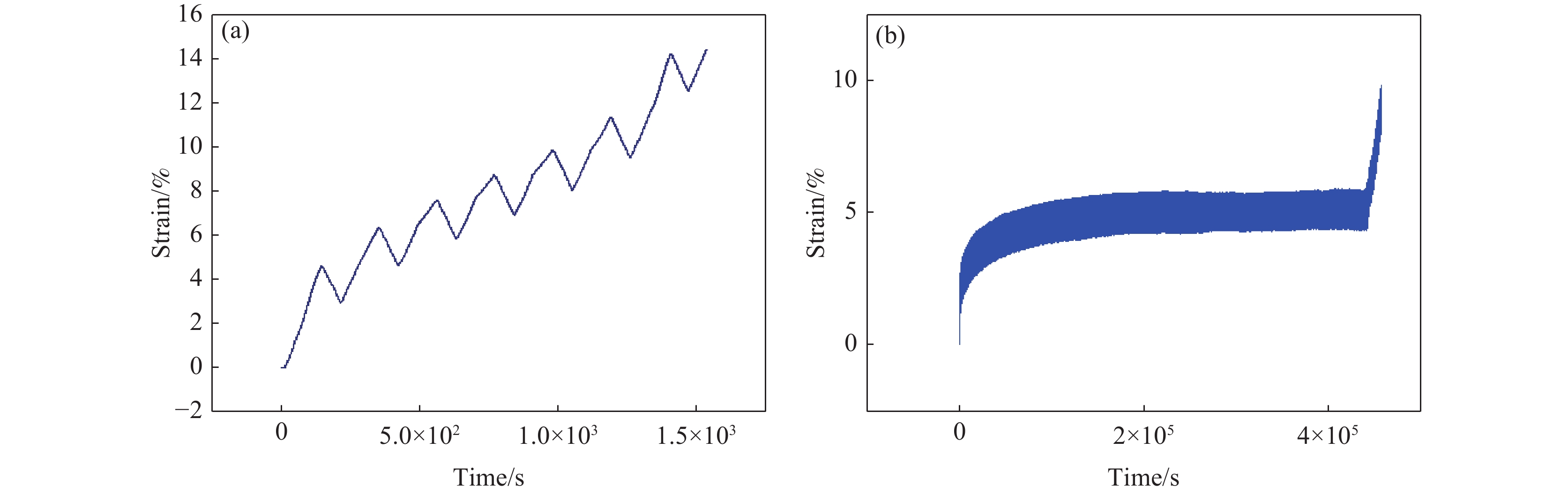
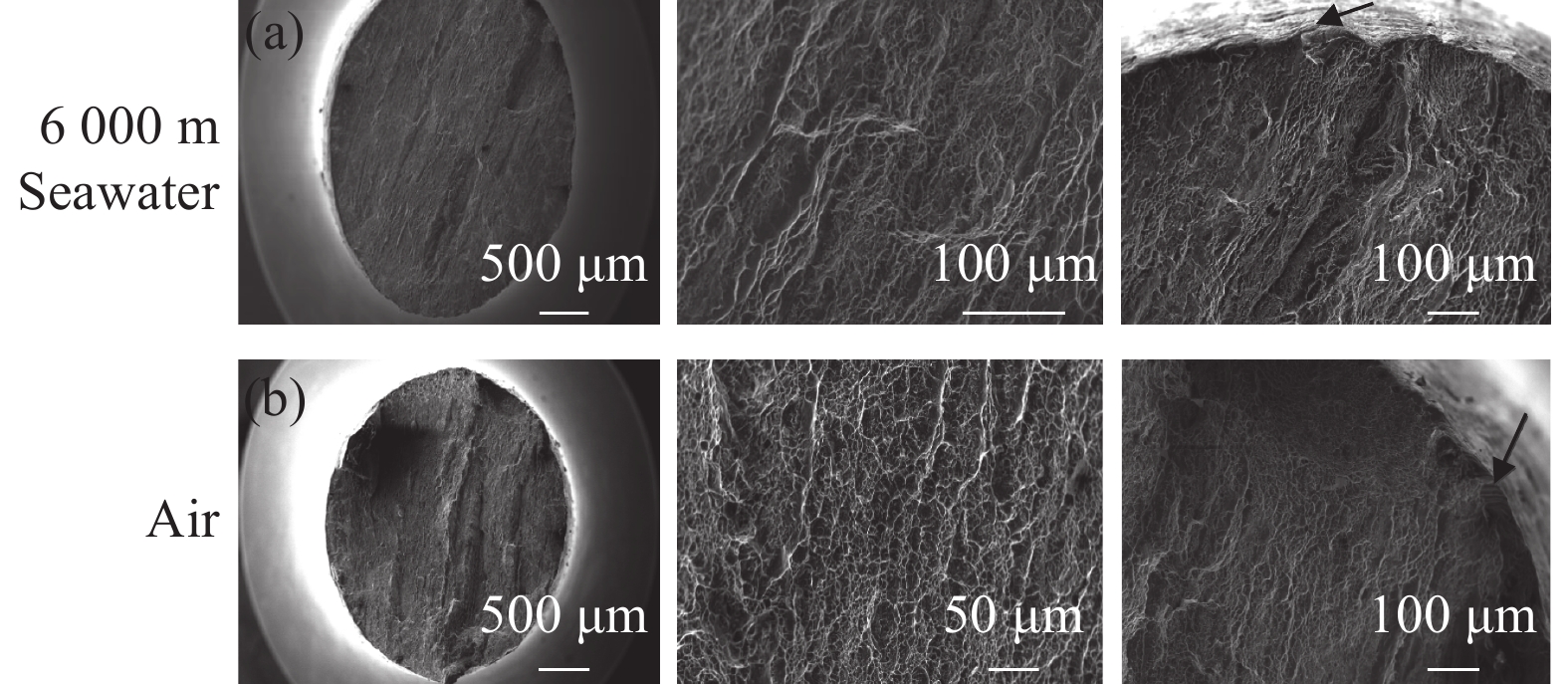
To address the unknown creep-fatigue damage mechanism of TC4 ELI titanium alloy in deep-sea multi-factor coupled environment, a high-pressure corrosion test system was used to simulate the seawater environment at 200, 600 m, and 6000 m in the South China Sea, and the cyclic stress life response and damage evolution law of TC4 ELI alloy were systematically studied. The experiment provided the cyclic stress-fatigue life data of TC4 ELI alloy under different environmental conditions. The results show that the cyclic stress-life relationship of creep-fatigue in the deep-sea environment can be characterized by the Basquin equation. The creep fatigue life with guaranteed load time is significantly reduced compared to that of pure fatigue; Under the same loading conditions, the fracture strain during the fatigue process is equivalent, and the fatigue life depends on the rate of strain increase. The stable stage of the cyclic strain-time curve shows the superimposed response of the creep rate and the plastic deformation of pure fatigue. Multiple-source crack initiations were observed on the fracture surface by Scanning Electron Microscopy, with no obvious crack propagation zone. The fatigue life is mainly the crack initiation life, indicating that the crack initiation mechanism is different in deep-sea environments and air.
Mining and Ore Beneficiation
Research on the flow characteristics of fragmented ore and rock in the non-pillar sublevel caving method
DONG Qiuping, LI Cui, ZHANG Liangbing, YANG Chengye, MA Zhiwei, XU Jiye, LI Jielin
2025, 46(5): 190-197. doi: 10.7513/j.issn.1004-7638.2025.05.021
Abstract(53) HTML (24) PDF(7)
Abstract:
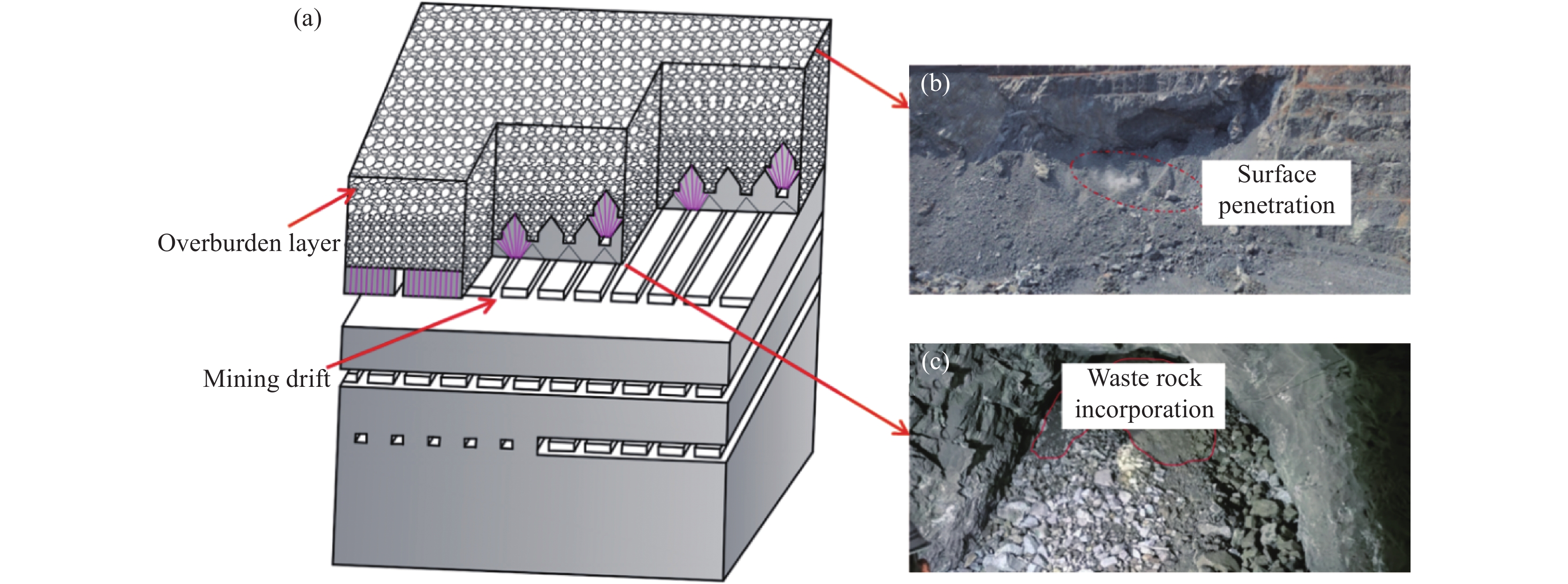
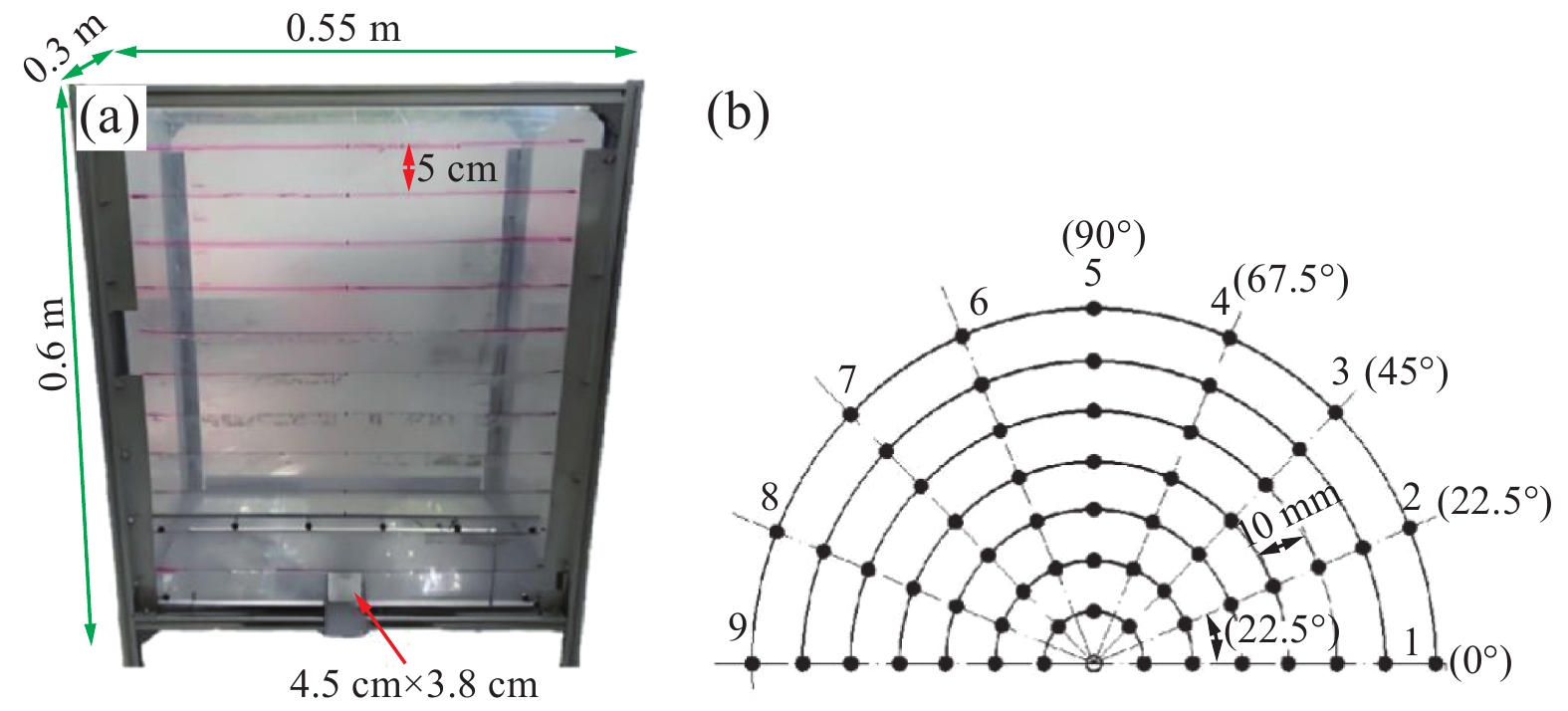
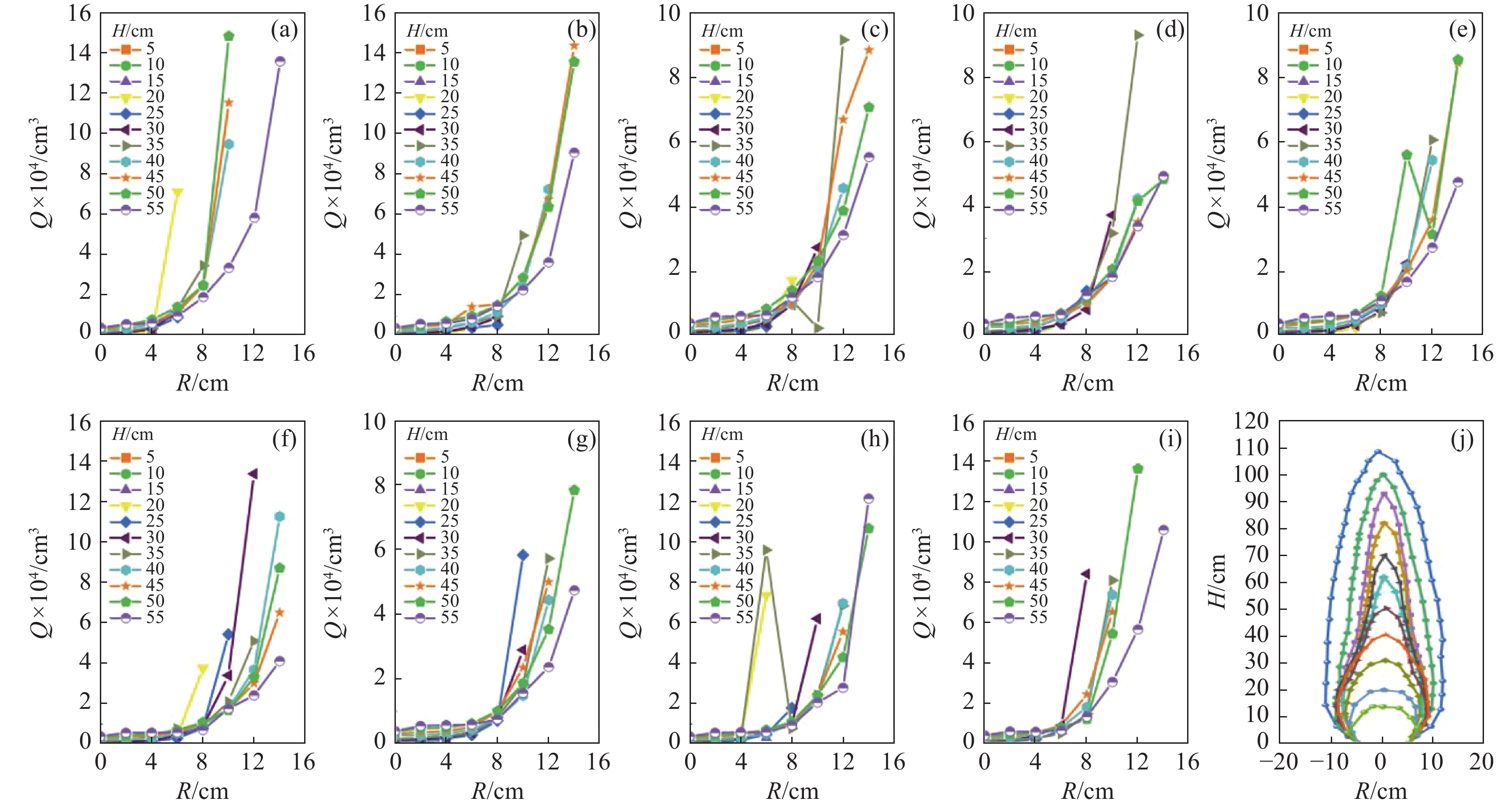
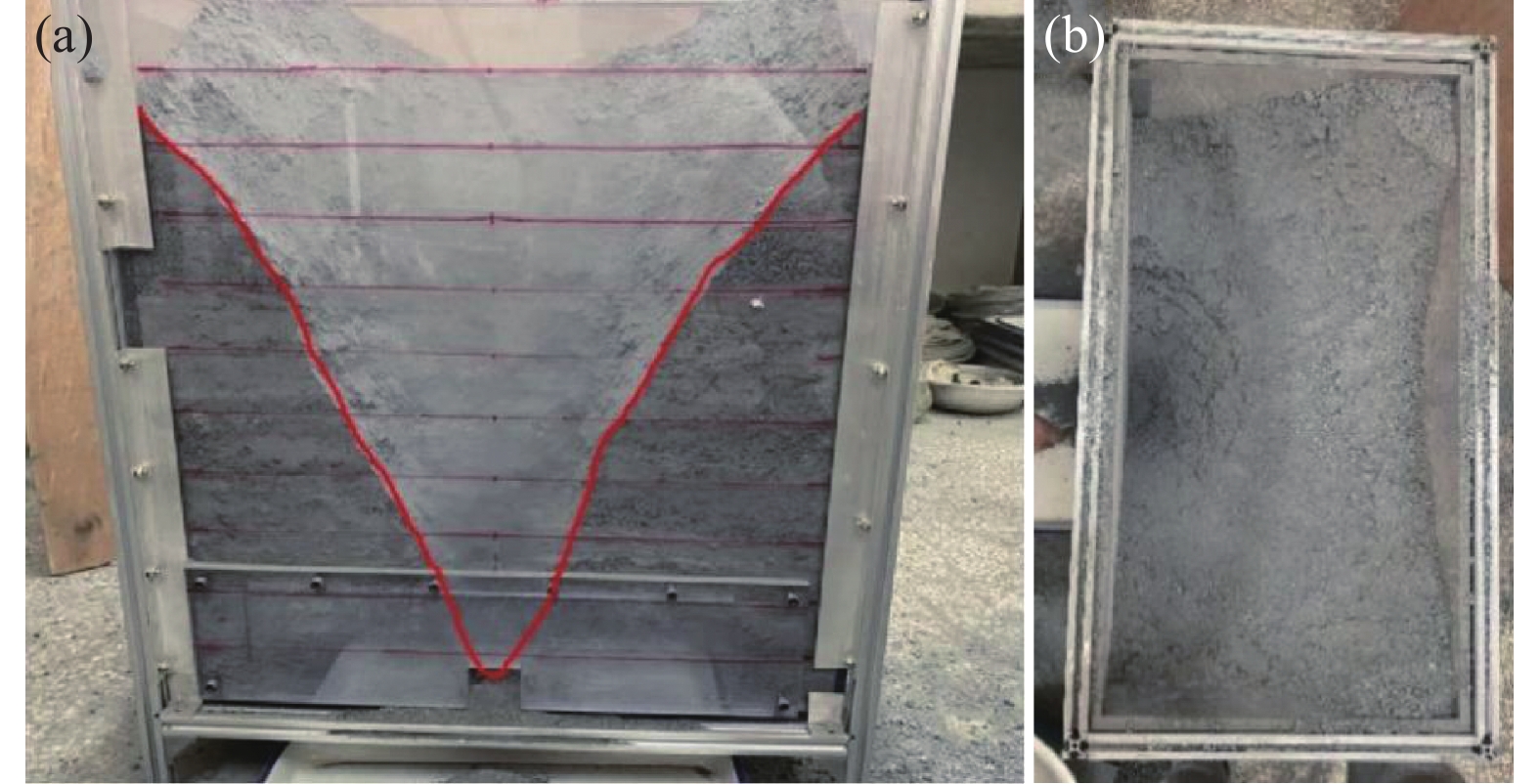
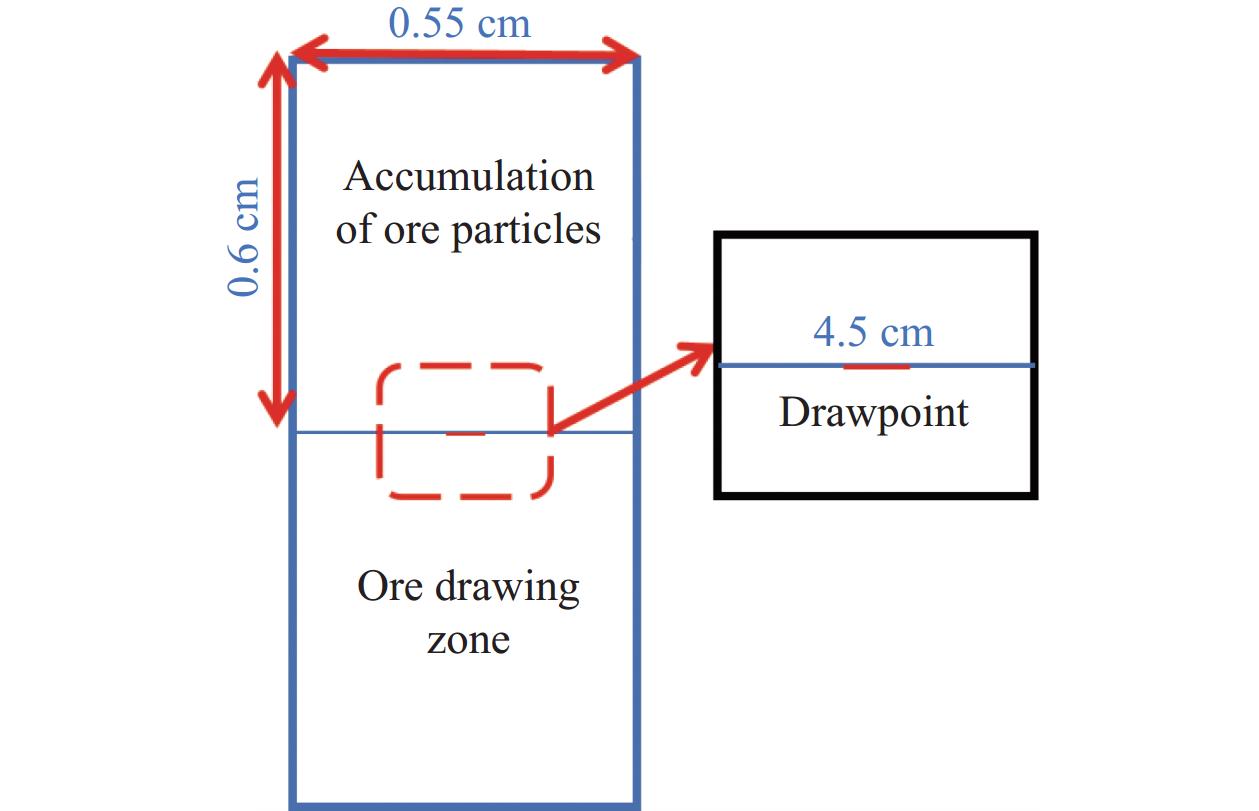
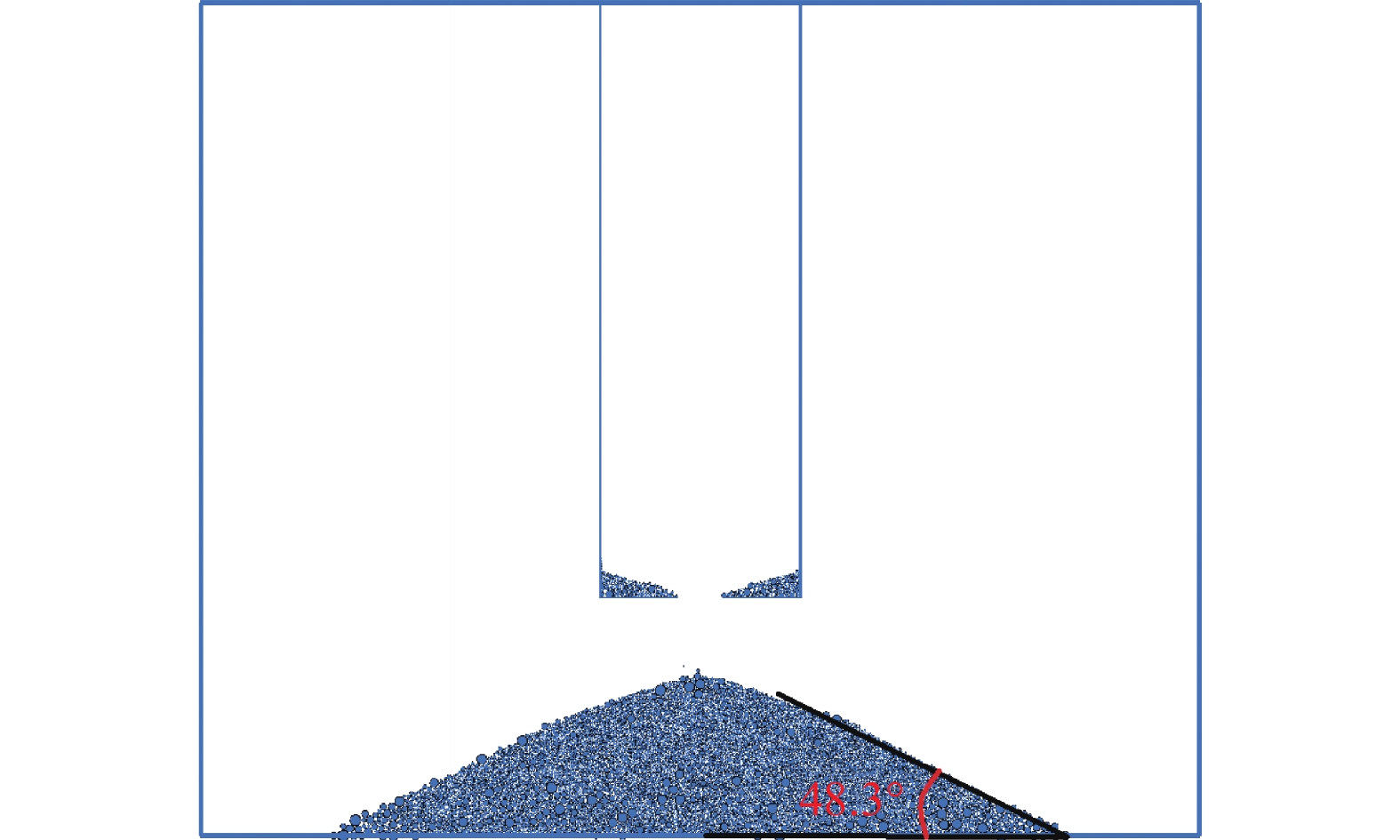
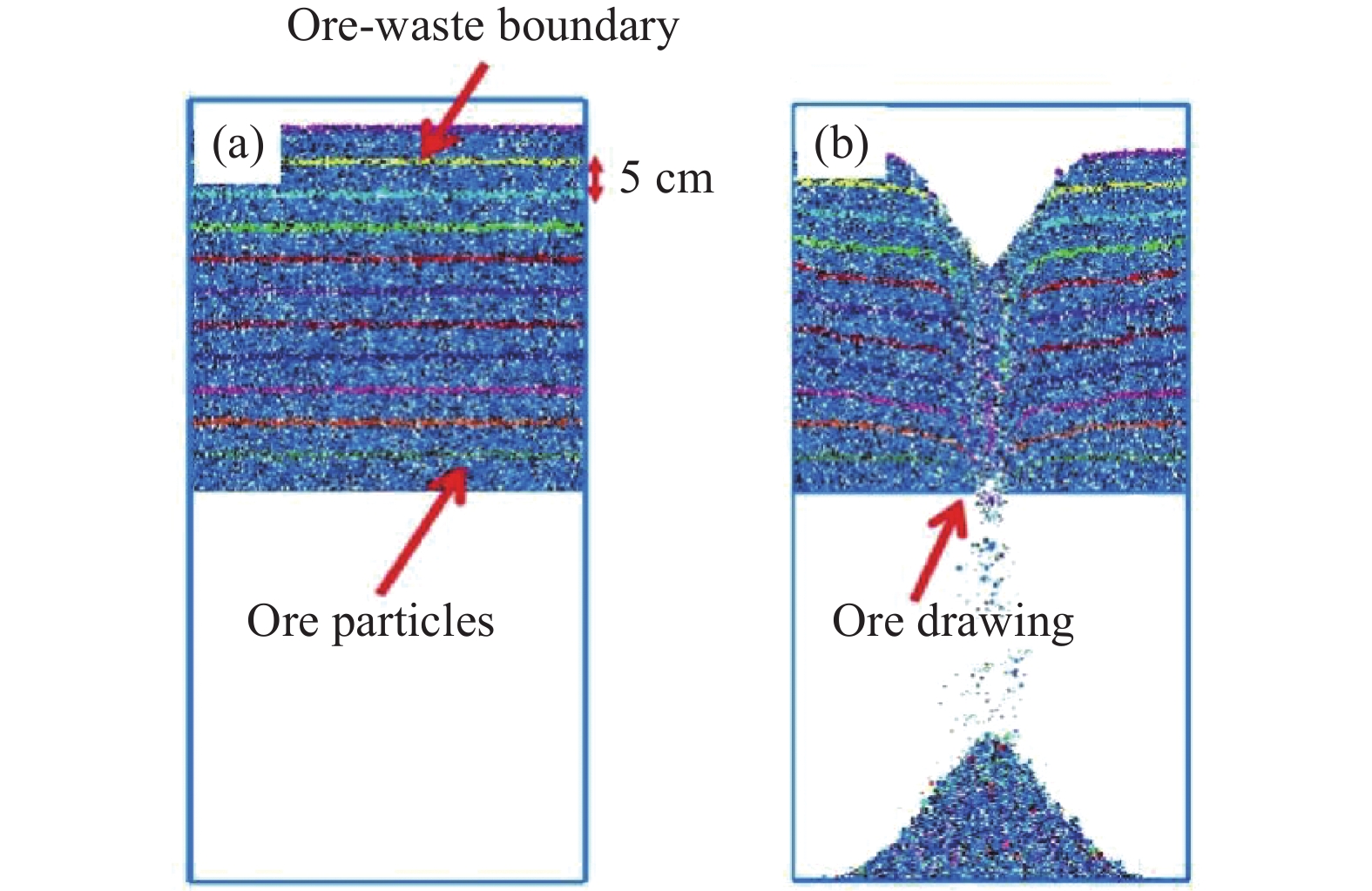
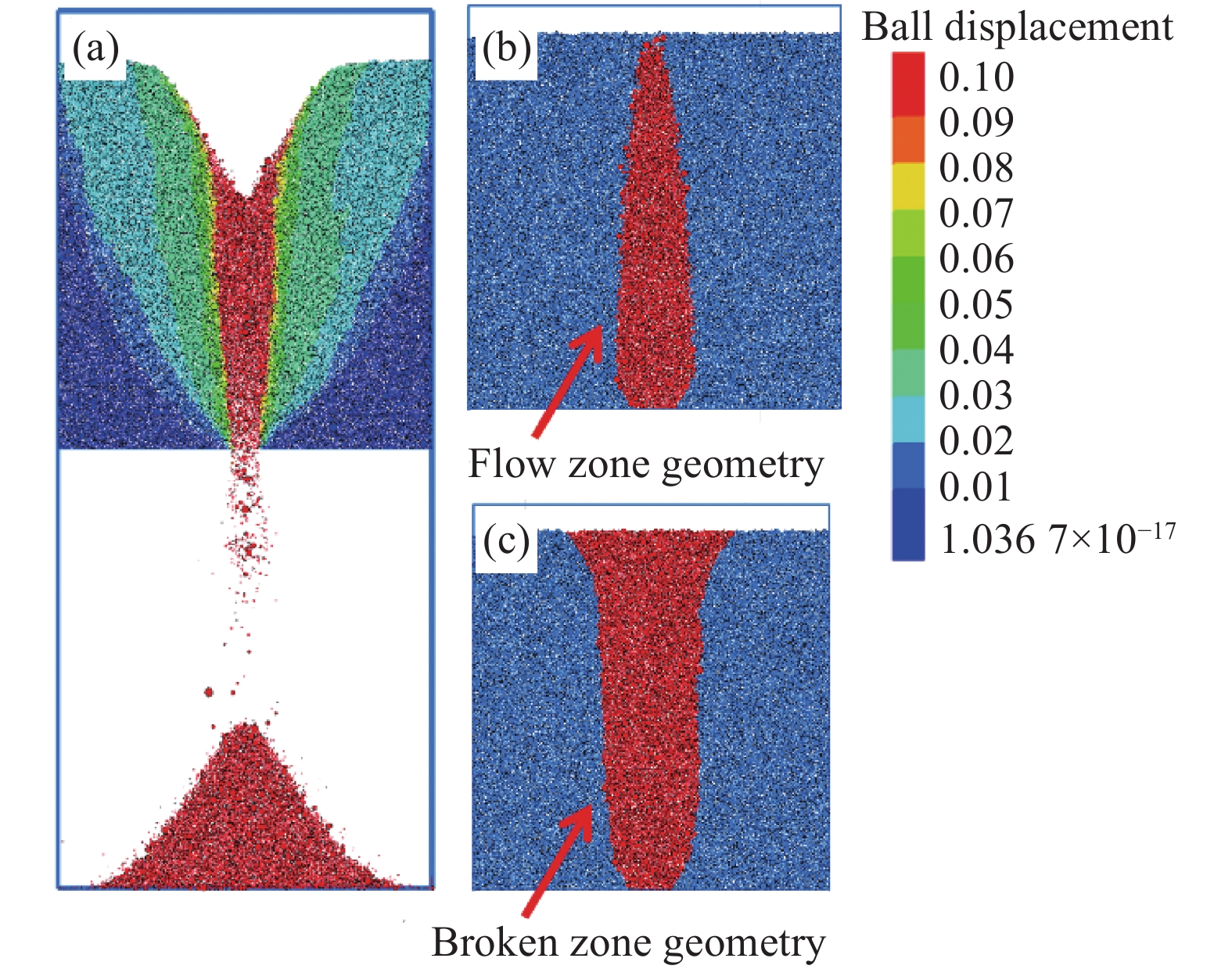
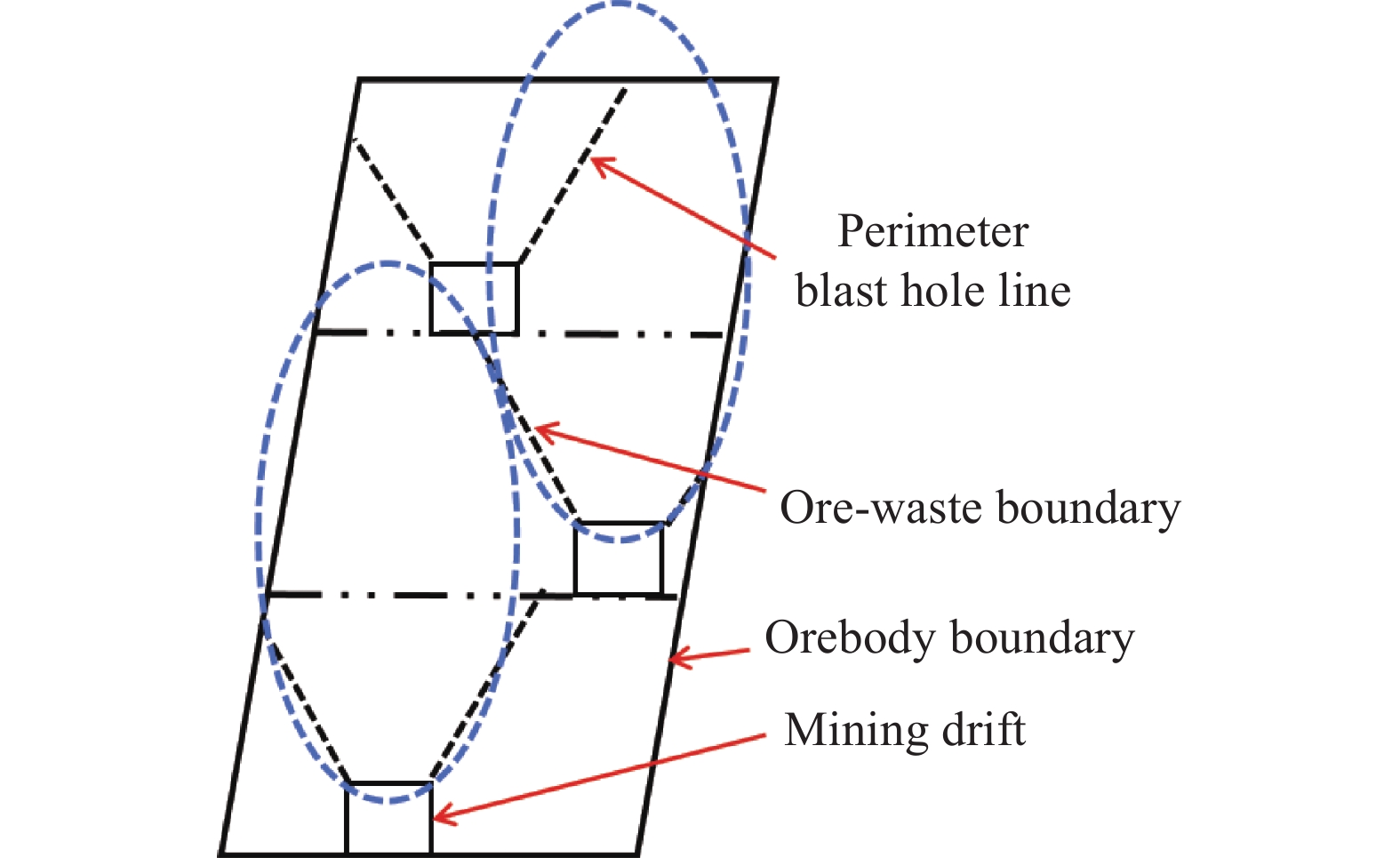
The flow behavior of rock and ore debris is one of the critical factors affecting the ore loss rate and dilution rate in the sublevel caving method. Based on the mining characteristics of an underground mine in the Panxi region, the shape of drawn-out body of rock and ore debris was determined using the hole volume measurement method, and numerical simulations were conducted with the "Particle flow code in 2 dimension (PFC2D) " software. The flow characteristics of the debris and their impact on the dilution and loss rates were analyzed. Results indicate that the drawn-out body of ore obtained from both numerical simulation and laboratory testing are largely consistent, exhibiting well-defined ellipsoidal development features. The primary cause of high dilution and loss rates is the incorporation of waste rock at the top, front, and sides of the drawn-out body of ore. Based on these findings, recommendations for optimizing the layout of the ore drawing openings were proposed, providing a theoretical foundation to enhance recovery rates at the mine.
Study on process mineralogy and upgrading feasibility of a high-titanium and high-vanadium iron concentrate in Chaoyang, Liaoning
ZHANG Yixi, CHEN Mao, WANG Shuai, XIE Yanqin, CHEN Feng, YANG Lingzhi, GUO Yufeng, JIANG Tao
2025, 46(5): 198-204. doi: 10.7513/j.issn.1004-7638.2025.05.022
Abstract(27) HTML (6) PDF(13)
Abstract:
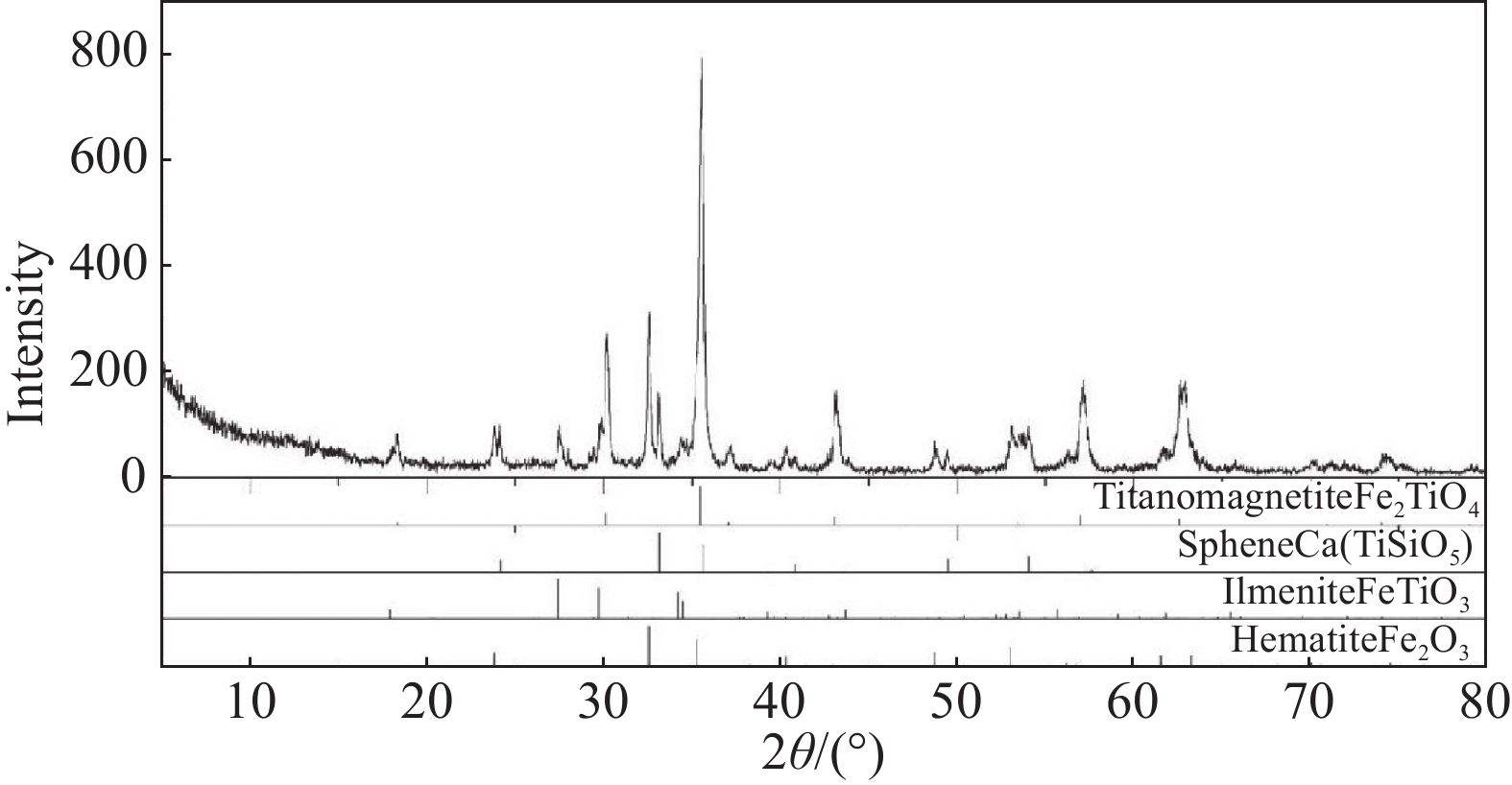
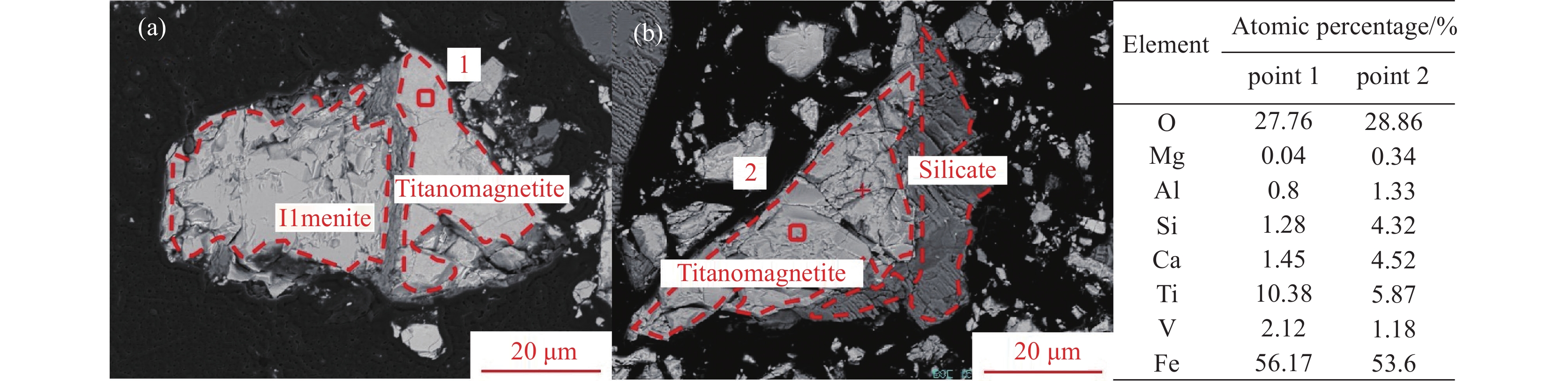
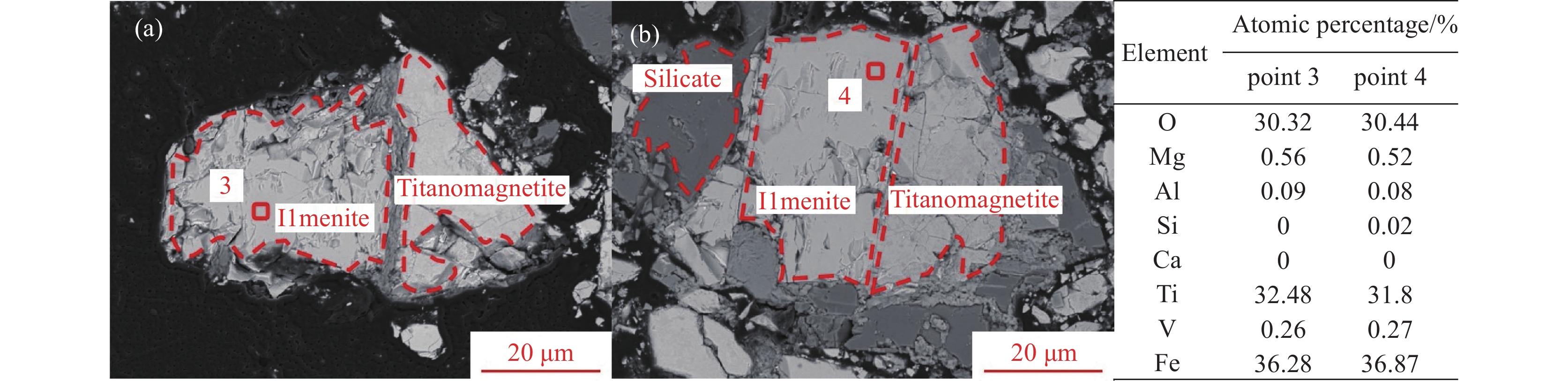
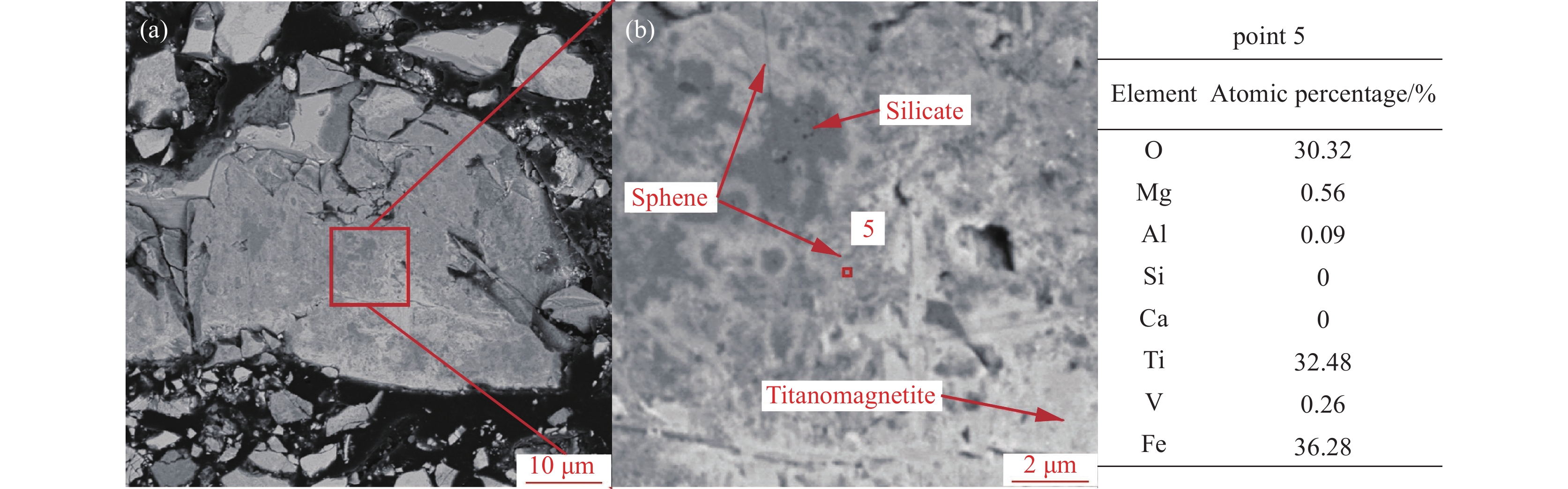
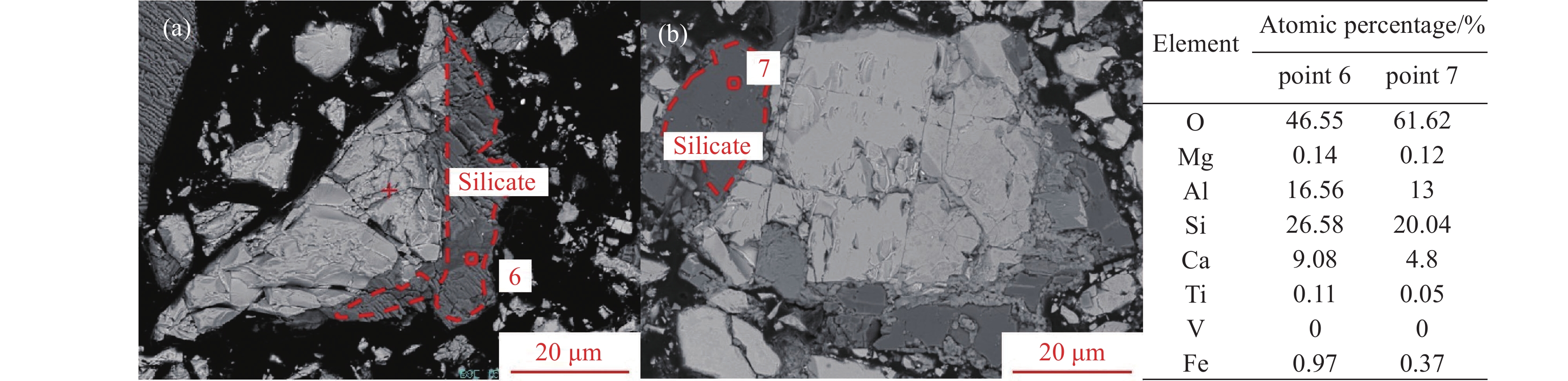
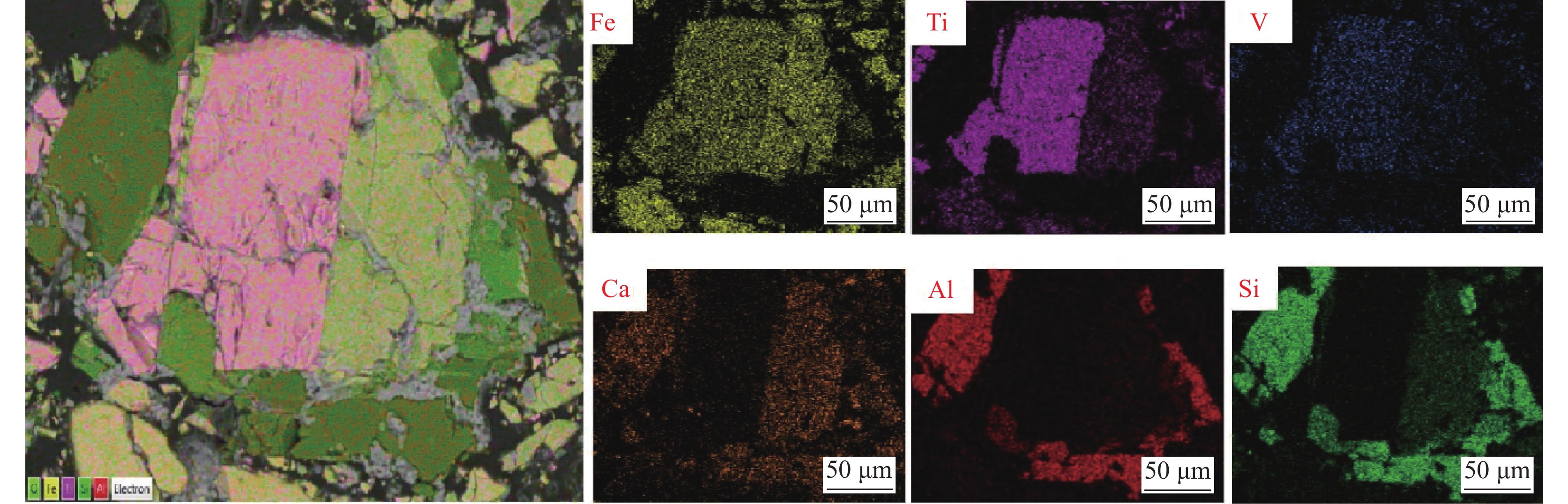
A vanadium-titanium magnetite resource has been discovered in Chaoyang, Liaoning, with the pre-selected concentrate being notable for high silicon, titanium, and vanadium content. Conducting process mineralogy research on this concentrate to explore the possibility of further silicon removal and quality enhancement is of great significance for the in-depth development and utilization of local vanadium-titanium resources. This study uses mineral processing and mineralogy research methods to identify the main minerals and their intergrowth relationships in the concentrate. The valuable minerals in the iron concentrate are mainly ilmenomagnetite, ilmenite, and a small amount of hematite. Gangue minerals are mainly silicate minerals like iron olivine and feldspar, along with a small quantity of sphene. The high vanadium and titanium content in the iron concentrate is mainly due to the presence of vanadium and titanium in ilmenomagnetite. The fine-grained gangue minerals intergrown with ilmenomagnetite lead to the high calcium and silicon content in the iron concentrate. After fine grinding and magnetic separation, the quality of the concentrate can be improved. However, due to the intimate intergrowth of fine-grained gangue minerals in ilmenomagnetite, it is difficult for conventional fine grinding and magnetic separation to fully liberate and remove the calcium and silicon elements. Therefore, even after quality improvement, the concentrate still contains 6.68% SiO2 and 3.22% CaO.